Quick Facts About Mahakaleshwar Jyotirlinga
Quick Facts About Mahakaleshwar Jyotirlinga
| Entry Fee | Free for general entry; special rituals may have charges |
| Timings | 4:00 AM – 11:00 PM (daily) |
| Altitude (m) | 494 |
| Ideal Visit Duration | 1–2 hours; longer during festivals |
| Best Time of Day | Early morning for rituals and fewer crowds |
| Crowd Level | High during weekends, festivals, and Shivratri |
| Distance from City Centre (km) | 0 (located in central Ujjain) |
| Walking Difficulty | Moderate; involves some steps inside the temple |
| Parking Available | Yes, nearby parking lots available |
| Last Mile Access | Accessible by auto-rickshaw, taxi, and local buses |
| Suitable for Kids | Yes, but supervise during crowded times |
| Suitable for Seniors | Yes, though some steps may require assistance |
| Wheelchair Friendly | Limited; main shrine access involves steps |
Why Visit Mahakaleshwar Jyotirlinga
Visitors come to Mahakaleshwar Jyotirlinga primarily to offer prayers to Lord Shiva and participate in the temple’s daily rituals and aartis.
The temple atmosphere is vibrant and devotional, with continuous chanting, ringing bells, and the scent of incense creating a spiritually immersive experience.
Mahakaleshwar Jyotirlinga is distinct for its unique Bhasma Aarti, the only such ritual performed at sunrise, attracting pilgrims seeking a rare spiritual observance.
History of Mahakaleshwar Jyotirlinga
Mahakaleshwar Jyotirlinga is one of the twelve sacred Jyotirlingas of Lord Shiva, mentioned in ancient Puranas for its spiritual significance.
The temple is believed to have been rebuilt and expanded during the 11th and 12th centuries under the patronage of the Chandela dynasty.
It holds cultural importance as a center for Shaivism rituals, especially the daily Bhasma Aarti unique to this site.
Best Time to Visit Mahakaleshwar Jyotirlinga
The best time to visit Mahakaleshwar Jyotirlinga is during the cooler months when the weather is comfortable for exploring the temple complex and attending rituals.
- Ideal months: October to March
- Weather conditions: Mild to cool temperatures, minimal rainfall, suitable for walking and attending ceremonies
- Periods to avoid: July to September due to heavy monsoon rains causing slippery pathways and limited accessibility
How to Reach Mahakaleshwar Jyotirlinga
- Nearest airport: Devi Ahilya Bai Holkar Airport, Indore, approximately 190 km away
- Nearest railway station: Ujjain Junction, around 1 km from the temple
- Road access and last-mile connectivity: Well-connected by city buses, auto-rickshaws, and taxis; foot access required within the temple premises
What to Expect When You Visit Mahakaleshwar Jyotirlinga
- Environment and surroundings: The temple is situated in a densely built urban area with narrow streets and crowded surroundings, especially during festivals.
- Facilities and amenities: Basic facilities include public restrooms, drinking water, and cloakrooms; limited seating areas are available.
- Accessibility and movement: The temple complex requires walking; ramps are limited, and steps are present at several entrances.
- Typical visitor behavior and conditions: The temple sees large daily crowds, with peak timings during early morning and evening aarti; expect queues and controlled entry at certain sections.
Important Visitor Information for Mahakaleshwar Jyotirlinga
- Crowd and weather notes: The temple is busiest during festivals like Mahashivratri; summers can be hot and humid, while monsoon may cause slippery pathways.
- Peak and quiet visiting hours: Early morning (5:00–7:00 AM) and evening aarti (6:00–8:00 PM) are the busiest; mid-morning and afternoon are relatively quieter.
- Dress code: Modest attire is required; shoulders and knees should be covered for both men and women.
- Safety notes and practical cautions: Be cautious on steps and wet floors; keep personal belongings secure due to heavy crowds.
Photography and Viewpoints at Mahakaleshwar Jyotirlinga
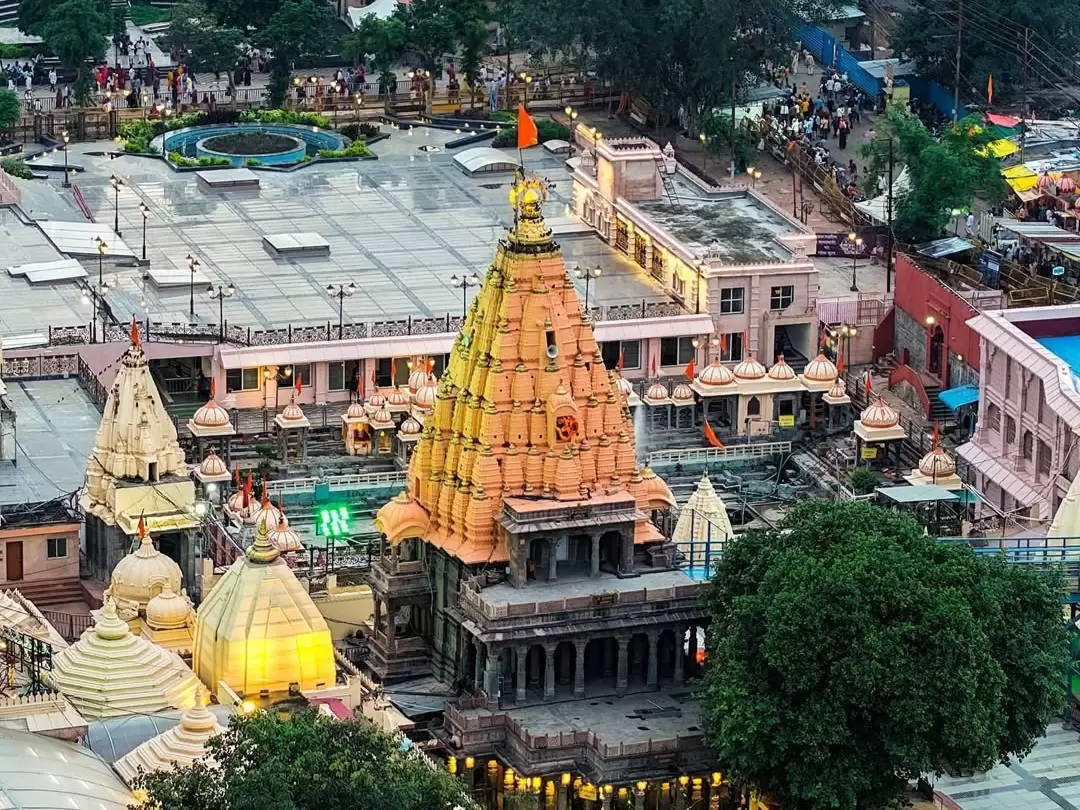
- Best viewpoints: Main temple entrance and surrounding courtyards offer clear angles of the shivling and temple architecture.
- Lighting conditions: Early morning (sunrise) provides softer natural light; late afternoon captures evening aarti glow.
- Rules or restrictions: Photography inside the sanctum sanctorum is prohibited; drones are not allowed within temple premises.
- Crowd and access factors: Temple is crowded during festivals; mid-morning or late afternoon visits allow less obstructed photography.