Quick Facts About Bada Ganpati
Bada Ganpati Temple Indore – Quick Facts
| Entry Fee | No entry fee (donations voluntary). |
| Timings | Approximately 5:00 AM – 9:00 PM; timings may vary on festivals and special days. |
| Altitude (m) | Approx. 553 m above sea level (Indore elevation). |
| Ideal Visit Duration | 20–40 minutes. |
| Best Time of Day | Early morning for a quieter darshan; evenings are busier but well-lit. |
| Crowd Level | Moderate to high; very crowded during Ganesh Chaturthi and major Hindu festivals. |
| Distance from City Centre (km) | Approx. 1 km from Rajwada (central Indore). |
| Walking Difficulty | Easy; temple is located at street level with minimal walking required. |
| Parking Available | Limited roadside parking available nearby. |
| Last Mile Access | Motorable road up to the temple entrance; short walk from nearby parking. |
| Suitable for Kids | Yes. |
| Suitable for Seniors | Yes; easy access but can be crowded during peak hours. |
| Wheelchair Friendly | Partially; ground-level access, but narrow entry areas and crowds may limit movement. |
Why Visit Bada Ganpati, Indore
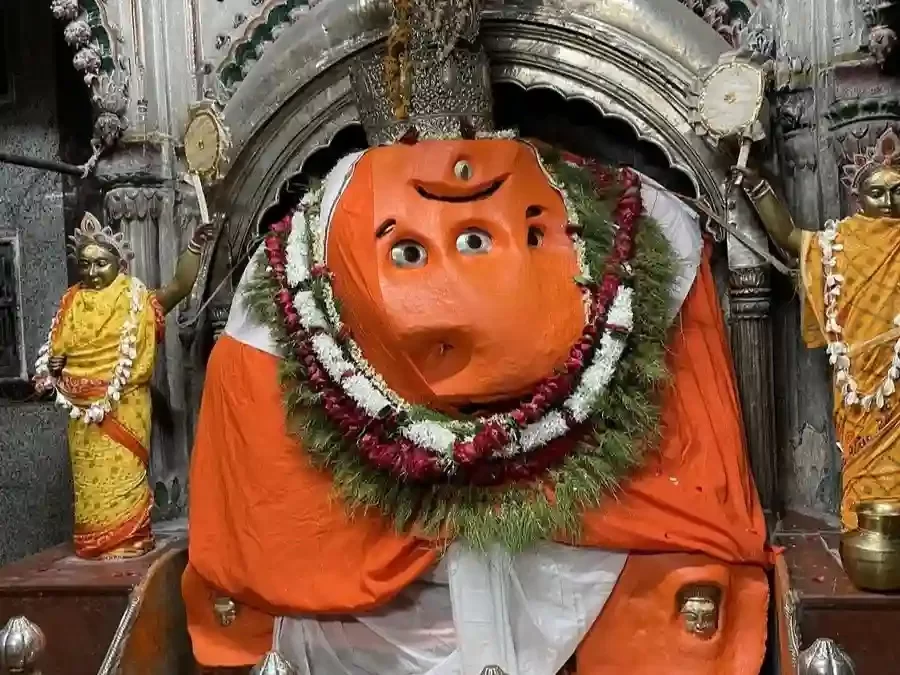
Visitors come to Bada Ganpati, Indore to see the temple’s oversized Ganesh idol and to experience one of the city’s most frequented places of worship. It’s a common stop for first-time visitors exploring Indore’s old city, especially because it fits easily into a short circuit with Rajwada and nearby market streets.
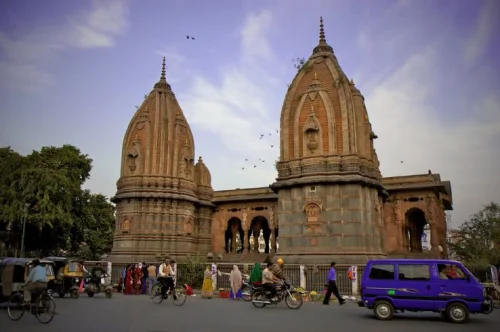
On the ground, the atmosphere is busy and devotional, with a steady flow of worshippers throughout the day and peak crowding during festivals and evening hours. The lanes leading to the temple feel distinctly old-Indore—narrow, active, and lined with small shops—so the visit is as much about the surrounding neighborhood as the shrine itself.
What makes Bada Ganpati, Indore distinct for travelers is the scale of the idol and the way the temple sits in the middle of everyday city life rather than a separate tourist zone. Even a short visit gives a clear snapshot of Indore’s religious rhythm, from quick darshan stops to longer family visits, all happening in a compact urban setting.
History of Bada Ganpati Indore
Bada Ganpati in Indore is a well-known Ganesh temple established in the 19th century during the Holkar era, a period when Indore grew into a major Maratha-ruled city. The temple is most famous for its large idol of Lord Ganesha, which became a defining feature of the shrine and a key reason for its prominence among local devotees.
The temple developed as an important place of worship for Indore’s residents, with its popularity closely tied to daily devotional visits and major crowds during Ganesh Chaturthi. Over time, the shrine’s location in the old city and its association with Indore’s religious life helped establish it as one of the city’s most visited temples.
For tourists, Bada Ganpati is experienced as an active, lived-in religious site rather than a monument. The history that matters most on a visit is its 19th-century origin in Holkar-era Indore and the continuing tradition of worship centered on the temple’s iconic Ganesh idol.
Best Time to Visit Bada Ganpati Temple, Indore
Bada Ganpati Temple in Indore can be visited year-round, but the most comfortable experience—especially during longer darshan queues and festive gatherings—is during the cooler months from October to March.
- Ideal months: October to March; Ganesh Chaturthi (August–September) for festive atmosphere, if you are prepared for crowds.
- Weather during the best season: Mild to cool temperatures with lower humidity, making it easier to stand in queues, attend aarti, and explore the surrounding Malharganj area without heat fatigue.
- Periods to avoid (and why): April to June due to high summer temperatures in Indore that make midday visits uncomfortable; peak hours during Ganesh Chaturthi can involve long waiting times due to heavy local turnout.
How to Reach Bada Ganpati Temple, Indore, Madhya Pradesh
- Nearest Airport: The closest airport is Devi Ahilya Bai Holkar Airport, Indore (IDR), approximately 8–10 km from Bada Ganpati Temple. The airport has frequent direct flights from major Indian cities including Delhi, Mumbai, Bengaluru, Hyderabad, and Ahmedabad. From the airport, taxis and app-based cabs are readily available, and the drive to the temple in central Indore usually takes 25–40 minutes depending on traffic.
- Nearest Railway Station: Indore Junction (INDB) is about 3–4 km from Bada Ganpati Temple and offers strong rail connectivity to Mumbai, Delhi, Jaipur, Pune, and other key cities. From the station, the temple can be reached within 10–20 minutes by auto-rickshaw or taxi.
- By Road & Last-Mile Connectivity: Bada Ganpati Temple is located near Malharganj area, close to Indore’s Rajwada and city center. Indore is well connected by NH52 and NH47, with regular state and private buses arriving at Sarwate and Gangwal bus stands. From the bus stand or central Indore, local auto-rickshaws and taxis provide easy access to the temple. The surrounding lanes are relatively narrow and can be congested, especially during festivals like Ganesh Chaturthi, so parking is limited. Visitors may find it more convenient to use public transport or app-based cabs for the last mile.
What to Expect When You Visit Bada Ganpati Temple, Indore
Bada Ganpati Temple in Indore is a functioning Hindu temple known for housing one of the largest Ganesh idols in India. It is located in a dense city neighborhood rather than within a large, landscaped complex, and the visit is typically brief and devotional in nature.
- Environment and surroundings: Expect a busy urban setting with narrow approach roads, local shops, and regular traffic noise. Inside the temple, the focus is on the towering Ganesh idol placed within a relatively compact prayer hall. The space can feel crowded during peak hours due to limited interior area.
- Facilities and amenities: Facilities are basic and oriented toward devotees. There is usually a shoe-keeping area and small stalls selling prasad and flowers outside the entrance. Do not expect a visitor center, guided tours, or extensive seating. Restroom availability is limited and not guaranteed for tourists.
- Accessibility and movement: Access typically involves walking through local lanes and entering via steps at the temple entrance. The interior space is not large, and movement can slow down during busy periods. Wheelchair access is limited due to steps and crowd density.
- Typical visitor behavior and conditions: Most visitors come for darshan, offer prayers, and leave within a short time. The temple becomes significantly busier during Ganesh Chaturthi and other religious occasions, when queues can extend outside. On regular weekdays, visits are smoother but still active during morning and evening prayer times.
A visit to Bada Ganpati Temple is usually a short stop focused on worship and viewing the large idol, with planning required for peak festival days and tight urban access.
Important Visitor Information for Bada Ganpati Temple, Indore
- Crowd and weather notes: Bada Ganpati Temple, home to one of the largest Ganesh idols in India, experiences steady devotional footfall throughout the week, with significantly larger crowds on Wednesdays, during Ganesh Chaturthi, and other major Hindu festivals. The surrounding lanes can become congested during peak religious periods.
- Peak and quiet visiting hours: Morning aarti hours and early evening typically see the highest number of devotees. For a shorter wait and more comfortable darshan, visit in the late morning or mid-afternoon on non-festival weekdays.
- Dress code: Modest clothing is expected in keeping with temple norms. Footwear must be removed before entering the temple premises.
- Safety notes and practical cautions: The temple is located in a busy urban area with narrow approach roads; traffic and pedestrian movement can be heavy. During crowded periods, queue management may be in place. Keep personal belongings secure and follow on-site instructions from temple staff.
Photography & Viewpoints at Bada Ganpati Temple, Indore, Madhya Pradesh
Bada Ganpati Temple in Indore is known for housing one of the largest Ganesh idols in India, positioned within a covered shrine complex near Malharganj. Photography here is influenced by the indoor setting, devotional activity, and the scale of the idol, which requires careful positioning within the limited viewing space.
- Frontal darshan viewpoint: From the main visitor queue area facing the idol, you can capture the full seated form of Lord Ganesh. This straight-on angle best conveys the height and proportions of the statue within the shrine hall.
- Low-angle scale emphasis: Standing slightly closer and tilting upward highlights the vertical scale of the idol, though interior lighting may create bright highlights on decorative elements.
- Side-angle composition: From permitted side areas, photograph at a slight diagonal to include portions of the shrine architecture and decorative backdrop along with the idol.
- Festival lighting conditions: During Ganesh Chaturthi and major Hindu festivals, additional decorations and lighting alter the visual atmosphere. These periods offer vibrant frames but also higher crowd density.
- Interior lighting considerations: The shrine interior relies on artificial lighting, which can create warm color tones. Early morning visits typically have calmer movement, making it easier to compose without obstruction.
- Crowd and access factors: The temple remains busy throughout the day, especially evenings and weekends. Photography must be done quickly from designated standing areas without blocking the darshan line.
- Rules and restrictions: As an active place of worship, respectful behavior is essential. Photography may be restricted during aarti or inside certain inner sections. Flash is generally discouraged, and commercial filming requires prior temple authority approval.