+91 9910402252
admin@chalbanjare.com


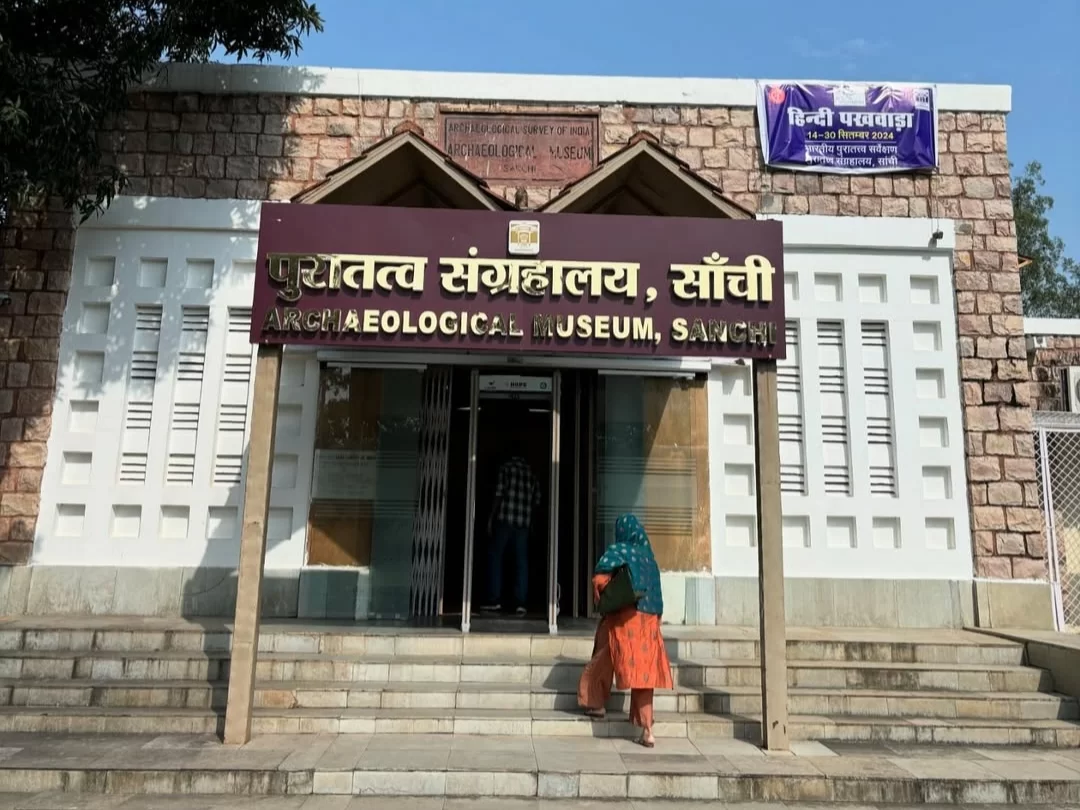
| Entry Fee | Indian adult 25 rupees per person, Indian child 10 rupees per person, foreign adult 200 rupees per person, foreign child 100 rupees per person |
|---|---|
| Timings | Open Tuesday to Sunday generally from 10 00 AM to 5 00 PM, closed on Monday and public holidays |
| Altitude (m) | Located at approximately 553 meters above sea level in central Indore |
| Ideal Visit Duration | One to two hours to explore archaeological exhibits, sculptures, ancient artifacts and inscriptions |
| Best Time of Day | Late morning or early afternoon for comfortable indoor viewing |
| Crowd Level | Moderate crowds with higher attendance on weekends and holidays |
| Distance from City Centre (km) | About two to three kilometers from Indore Railway Station and Rajwada area |
| Walking Difficulty | Low walking difficulty with indoor galleries and paved areas |
| Parking Available | Yes parking available near the museum premises and adjacent areas |
| Last Mile Access | Taxi auto rickshaw and local bus services available to reach the museum |
| Suitable for Kids | Yes suitable for children interested in history and archaeology |
| Suitable for Seniors | Yes generally suitable with easy indoor access |
| Wheelchair Friendly | Partially wheelchair accessible though some sections may have steps or narrow spaces |
Atmosphere at the Archaeological Museum in Indore is scholarly and contemplative, providing a structured indoor setting where visitors can explore the layered history of the Malwa region. The well-curated galleries and carefully preserved artifacts create a calm environment that encourages focused learning and appreciation of ancient craftsmanship. The organized display of sculptures and relics allows guests to engage deeply with the region’s cultural evolution.
What makes the Archaeological Museum special is its significant collection of stone sculptures, inscriptions, coins, and architectural fragments dating primarily to the Paramara and other regional dynasties of central India. The exhibits highlight intricate temple carvings, iconographic representations, and artistic styles that reflect medieval religious and social life. The museum serves as an important repository of archaeological findings, offering valuable insight into the architectural and artistic heritage of Madhya Pradesh.
Beyond its historical importance, the museum functions as an educational center for students, researchers, and heritage enthusiasts interested in central India’s past. It preserves and presents tangible links to ancient traditions, governance, and artistic excellence. The combination of curated displays, regional depth, and academic relevance ensures a meaningful and informative visit in Indore.
The Archaeological Museum in Indore, commonly referred to as the Central Museum, was established in 1929 during the reign of the Holkar dynasty. It was created to preserve the rich archaeological findings of the Malwa region and to document the artistic and historical legacy of central India. The museum became an important repository for artifacts collected from excavation sites across western Madhya Pradesh.
Its collection primarily features stone sculptures from the Parmar dynasty along with significant pieces from the Gupta and medieval periods. The exhibits include intricately carved statues of Hindu and Jain deities, temple fragments, inscriptions, coins, and arms, offering insight into the architectural traditions, religious practices, and political history of the region.
Today, the Archaeological Museum in Indore functions as a vital center for historical research and public education. It provides scholars, students, and visitors with a deeper understanding of Malwa’s cultural evolution while safeguarding artifacts that reflect centuries of artistic and civilizational development.
The best time to visit Archaeological Museum in Indore depends on overall travel comfort, as the museum experience is primarily indoors but often combined with exploring nearby city attractions. Visiting during pleasant months enhances both cultural exploration and sightseeing convenience.
October to March is considered the most ideal period to visit. During these months, Indore experiences cooler and comfortable weather, making it easy to explore museum galleries as well as nearby heritage areas without heat discomfort.
Summer months from April to June can be quite warm in Indore, especially during midday hours. However, since the museum is indoors, visits remain manageable throughout the day. Planning outdoor sightseeing during early morning or evening hours is advisable.
Monsoon season from July to September brings moderate rainfall and refreshing greenery across the city. While occasional showers may affect travel plans, the museum remains accessible and generally sees fewer visitors during this time.
 Tourist Attraction
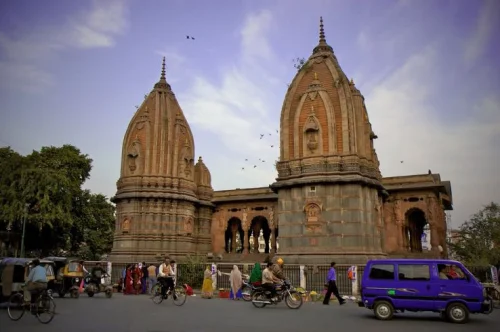
Krishna Pura Chhatri is a group of historic cenotaphs built by the Holkar dynasty on the banks of the Khan River in Indore, Madhya Pradesh.
 Tourist Attraction
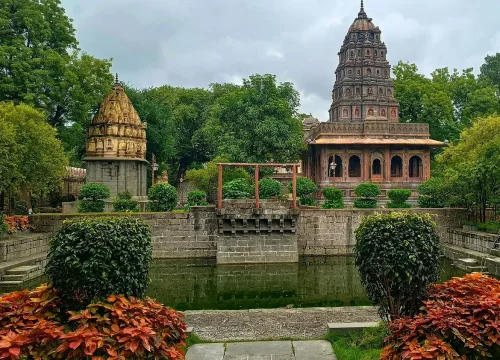
Hari Rao Holkar Chhatri is a historic cenotaph in Indore dedicated to Maharaja Hari Rao Holkar of the Holkar dynasty and is known for its traditional Maratha-era architectural design.
 Garden
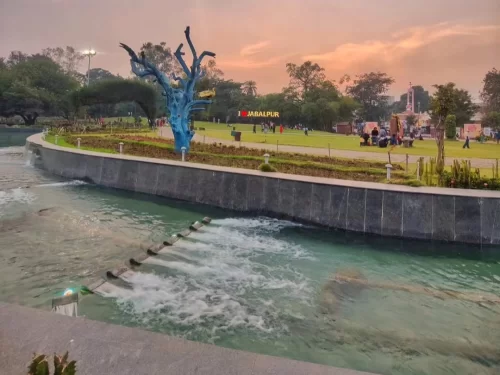
Bhawartal Garden, located in Indore, Madhya Pradesh, India, is a well-maintained urban park known for its green landscapes and peaceful ambiance.
Get customized Madhya Pradesh tour planning designed around safari seasons, road travel distances, heritage site exploration time, and comfortable pacing across regions. Whether you are visiting for wildlife safaris, temple architecture, historical monume
⚡ Quick Response | 💰 Free consultation | 🕒 24×7 expert support