Quick Facts About Yarab Tso
| Entry Fee |
Free |
| Timings |
06:00 - 18:00 |
| Altitude (m) |
3200 |
| Ideal Visit Duration (hrs) |
1.5 |
| Best Time of Day |
Morning |
| Crowd Level |
Low |
| Distance from Sumur (km) |
15 |
| Distance from Panamik (km) |
3 |
| Walking Difficulty |
Moderate |
| Parking Available |
Yes |
| Last Mile Access |
Walk |
| Suitable for Kids |
Yes |
| Suitable for Seniors |
No |
| Wheelchair Friendly |
No |
Why Visit Yarab Tso
Why Visit
Travelers visit Yarab Tso to escape the commercial noise of the main Nubra Valley circuit. It serves as a spiritual antidote to the crowded sand dunes of Hunder, offering a space where the natural environment remains untouched by stalls or vehicles. For those interested in the authentic cultural fabric of Ladakh, the lake provides a glimpse into the local "Oracle" traditions that are often missed on standard itineraries. It is a destination specifically for those who value quietude, photography, and the physical effort of a hike over easy roadside sightseeing.
Atmosphere
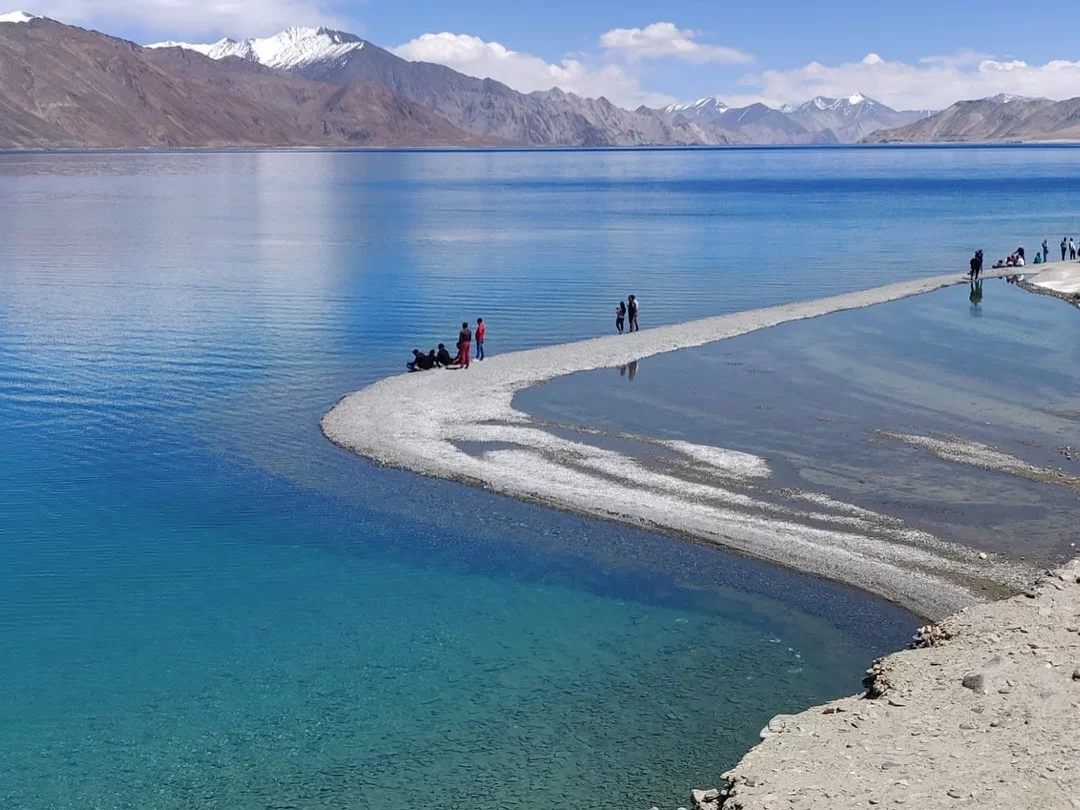
The atmosphere at Yarab Tso is one of profound stillness. Because the lake is shielded from the valley winds by high rock walls, the water surface acts as a perfect mirror for the jagged peaks and blue sky. There is a palpable sense of reverence here; you will likely see small prayer flags fluttering in the breeze and stone cairns left by pilgrims. The silence is only broken by the occasional chirp of high-altitude birds or the crunch of gravel underfoot, creating an environment that feels more like an outdoor cathedral than a tourist spot.
What Makes it Special
What makes Yarab Tso truly unique is its "Hidden" nature. It is structurally invisible from the Panamik-Sumur road, requiring a conscious decision to climb the ridge to reveal its presence. Unlike the salty, turquoise expanses of Pangong, Yarab Tso is a freshwater spring-fed pond that sustains a delicate ecosystem. Its status as a sacred site means it has been preserved from development, leaving it as one of the few places in Ladakh where you can experience a high-altitude lake in its raw, ancestral state without the interference of tents, cafes, or heavy foot traffic.
Would you like me to provide a detailed breakdown of the nearby Panamik Hot Springs to help round out your destination guide?
Cultural and Religious Significance of Yarab Tso
The Oracle Lake of Nubra
Yarab Tso holds a deep-rooted position in the spiritual landscape of the Nubra Valley, primarily as an Oracle Lake. Locally known as a "Tso," its waters are believed to be sacred, serving as a site for meditation and spiritual vision for centuries. Local tradition suggests that the lake is a terrestrial manifestation of divine energy, and it is a common practice for pilgrims to visit the banks to seek guidance or signs from the movements and patterns within the crystal-clear water. Unlike many other lakes in the region that have become purely aesthetic destinations, Yarab Tso remains a living site of worship.
Sacred Etiquette and Preservation
The cultural significance of the lake is strictly protected by local religious codes. Because the water is considered holy, it is forbidden to bathe, wash clothes, or even dip one's feet into the lake. This traditional protection has inadvertently served as an ancient form of environmental conservation, ensuring that the freshwater remains pristine and free from pollutants. The presence of colorful prayer flags (Lungta) surrounding the perimeter signifies the continuous prayers sent out into the valley, and the small stone heaps or cairns built by visitors represent a physical connection between the pilgrim and the sacred geography of the Karakoram range.
Monastic Connections
While the lake does not house a permanent temple on its immediate shores, it is intrinsically linked to the nearby monasteries of the Sumur-Panamik belt, such as Samstanling and Ensa Gompa. Monks and local villagers frequently visit the site during auspicious days on the Tibetan lunar calendar to offer prayers and perform rituals. For the traveler, understanding this religious context is essential: the "hidden" nature of the lake is not just a geographical quirk but a reflection of its role as a sanctuary for quiet devotion and spiritual purity away from the mundane world.
Would you like me to research and provide a list of local festivals or specific dates when the lake sees religious gatherings?
Best Time to Visit Yarab Tso
The window for visiting Yarab Tso is dictated by the extreme high-altitude climate of the Nubra Valley. While the valley is lower than Leh, the lake is tucked into a mountain fold that experiences biting winds and rapid temperature drops. Choosing the right month ensures the trail is navigable and the lake is not a solid sheet of ice.
- May to June (Peak Season): This is the most popular time. The snow on the trail has usually melted, and the lake is at its most vibrant blue. Daytime temperatures are comfortable for the uphill hike, though the water remains partially icy in early May.
- July to August (Monsoon/Summer): While other parts of India experience heavy rains, Ladakh remains in a rain shadow. You may encounter occasional light showers, but the landscape is at its greenest. This is the best time for clear, mirror-like reflections on the water.
- September to October (Autumn): A brilliant time for photographers. The air is exceptionally crisp, and the surrounding shrubs turn shades of gold and rust. Be prepared for significantly colder winds during the trek.
- November to April (Off-Season): Not recommended. The trail becomes hazardous due to black ice and heavy snow. The lake freezes completely, and most guesthouses in the nearby Panamik and Sumur areas shut down for the winter.
Optimal Time of Day
The timing of your visit significantly impacts the visual experience and physical comfort of the trek:
- Early Morning (7:00 AM - 9:00 AM): This is the best time for photography. The wind is usually at its lowest, allowing the water to remain perfectly still for mirror reflections of the Karakoram peaks.
- Late Afternoon (3:00 PM - 5:00 PM): The light is softer and highlights the texture of the surrounding volcanic rocks. However, be cautious as the Nubra Valley winds often pick up in the late afternoon, making the ridgeline hike feel much colder.
- Midday (Avoid): The sun is extremely harsh at this altitude (approx. 3,200m). Without shade on the trail or at the lakeside, the risk of sunburn and dehydration is high.
Would you like me to create a packing list specifically tailored for the variable weather conditions you'll face during the Yarab Tso trek?
How to Reach Yarab Tso
Yarab Tso is located in the northern part of the Nubra Valley, near the village of Panamik. Reaching the lake requires a combination of a long-distance drive from Leh and a final short-distance trek on foot. There is no direct public transport that drops you at the lake's edge, as the site remains hidden from the main thoroughfare.
- From Leh by Road: The lake is approximately 140 km from Leh. The journey takes 5 to 6 hours via the Khardung La pass. Most travelers base themselves in Diskit or Hunder and drive roughly 50-60 km (1.5 to 2 hours) further north towards Panamik to reach the trailhead.
- The Trailhead Location: The entrance to the lake is located about 15 km past Sumur and 3 km before you reach the Panamik Hot Springs. Look for a small, inconspicuous signpost or a cluster of prayer flags on the left side of the road if traveling toward Panamik.
- The Final Trek: Since vehicles cannot access the lake, you must park on the roadside and hike. The trek is approximately 500 to 800 meters long but involves a steep ascent over a rocky ridge. Expect a 15-20 minute walk depending on your physical fitness and acclimatization level.
- By Shared Taxi or Bus: Local buses run from Leh to Panamik a few times a week, and shared taxis operate from the Leh New Bus Stand. You can ask the driver to drop you at the Yarab Tso "hiking point," but keep in mind that finding a return vehicle from the roadside can be difficult; it is highly recommended to have a pre-booked private cab.
- Traveler Tip for Navigation: Offline maps (like Google Maps downloaded for offline use) are essential, as mobile data connectivity is extremely unreliable or non-existent once you leave the main towns of Diskit or Sumur.
Would you like me to outline a 2-day itinerary that perfectly balances a visit to Yarab Tso with the nearby Ensa Monastery and Panamik Hot Springs?
What to Expect When You Visit Yarab Tso
Visiting Yarab Tso is a raw, unscripted experience that differs significantly from the typical tourist stops in Ladakh. It is a destination that favors the "slow traveler" and those who appreciate subtle natural beauty and spiritual stillness over grand, commercialized spectacles.
- A Hidden Reveal: Do not expect to see the lake from your car. You will be greeted by a stark, rocky landscape at the roadside. The "reveal" happens only after you crest the final ridge of the hike, where the brilliant blue water suddenly appears against the backdrop of barren, sun-scorched mountains.
- Absolute Silence: Unlike the Hunder sand dunes where you hear ATVs and crowds, the dominant sound at Yarab Tso is the wind. It is an exceptionally quiet place where loud talking or music is considered disrespectful to the local spiritual values.
- Pristine but Small: In terms of scale, Yarab Tso is more of a large pond or a mini-lake. What it lacks in size, it makes up for in clarity. On a windless day, the water is so transparent that you can clearly see the underwater rock formations and the shifting silt at the bottom.
- No Commercial Infrastructure: Expect zero shops, toilets, or benches. There is no shade along the trail or at the lake's edge. You are stepping into a protected local sanctuary, so you must be self-sufficient with your own water and sun protection.
- Physical Exertion: Expect a brief but heart-pumping challenge. The thin air at 3,200 meters makes the 20-minute uphill scramble feel more strenuous than a similar walk at sea level. The path is non-linear and consists of loose gravel, requiring constant attention to your footing.
- Spiritual Presence: You will likely encounter small piles of stones (cairns) and weathered prayer flags. You might see a local villager offering a silent prayer. The atmosphere is heavy with a sense of "sacred space," and you should expect to feel like a guest in a natural temple.
- Harsh Sunlight and Wind: The UV radiation is intense here. Even if it feels cool, the sun can burn skin quickly. Additionally, the wind can whip up sand and dust from the valley floor, so expect a bit of a rugged, "dusty" adventure.
Would you like me to suggest some photography tips specifically for capturing the high-contrast reflections and unique lighting of Yarab Tso?
Important Visitor Information
Crowd & Weather Notes
- Crowd Levels: Yarab Tso is one of the least visited spots in the Nubra circuit. You will rarely find more than 5 to 10 people at the site, and often, you will have the entire lake to yourself.
- Weather Extremes: The weather can shift from intense, scorching sun to freezing winds within minutes. Even in summer, the wind chill near the water can be significant.
- Aridity: The air is extremely dry; dehydration and chapped lips are common if you are not prepared.
Peak / Quiet Hours
- Quiet Hours (7:00 AM - 10:00 AM): These are the golden hours for a meditative experience and the best photography. The valley is usually at its calmest.
- Peak Hours (11:00 AM - 2:00 PM): This is when most day-trippers from Hunder or Sumur arrive. While still not "crowded" by global standards, this is when you are most likely to encounter other groups.
- Late Afternoon (After 4:00 PM): The site becomes very lonely and shadows fall quickly over the lake; ensure you head back to the trailhead before sunset for safety on the rocky path.
Dress Code
- Modesty is Key: As a sacred site, avoid wearing revealing clothing. Shoulders and knees should ideally be covered to show respect to the local spiritual traditions.
- Layering: Wear a base layer for the sun and a windcheater or light jacket for the ridgeline.
- Footwear: Avoid flip-flops or smooth-soled sandals. Sturdy sneakers or hiking boots are mandatory due to the loose scree and volcanic rock on the ascent.
Safety Notes
- Acclimatization: Do not attempt the hike if you have just arrived in Ladakh. Ensure you have spent at least 48-72 hours at altitude to avoid Acute Mountain Sickness (AMS).
- Physical Limitations: The trail involves stepping over boulders. It is not recommended for individuals with severe knee issues or respiratory heart conditions.
- Water Safety: Do not drink the lake water directly despite its clarity, as your system may not be used to the local minerals.
- Wildlife: While rare, be mindful of marmots or local livestock; do not feed any animals you encounter.
Would you like me to provide a list of nearby medical facilities or the nearest pharmacy locations in case of an emergency?
Photography and Viewpoints at Yarab Tso
Yarab Tso is a premier location for landscape photography in the Nubra Valley, primarily due to the lack of visual obstructions and the mirror-like quality of its surface. Unlike the expansive vistas of the Shyok River, photography here is about capturing the intimacy of the hidden lake against the sheer scale of the Karakoram range.
- The Reflection Shot: The quintessential Yarab Tso photograph is the mirror reflection of the surrounding mountains. To capture this, aim to arrive before 9:00 AM. After this time, the valley winds typically pick up, creating ripples on the water that break the reflection.
- The Ridge Viewpoint: Before descending the trail toward the water's edge, stop at the crest of the rocky ridge. This is the highest vantage point and offers the best perspective of the lake's oval shape nestled within the volcanic crater-like formation.
- Texture and Contrast: Use the stark contrast between the dark, jagged volcanic rocks and the vibrant turquoise or deep blue of the freshwater. The lack of vegetation makes for excellent minimalist compositions.
- Polarizing Filters: A Circular Polarizer (CPL) is highly recommended here. The high-altitude sun creates intense glare off the water and the sandy mountain slopes; a CPL will help saturate the blues and cut through the surface reflection to show the clarity of the lake bed.
- Wide-Angle vs. Telephoto: A wide-angle lens (16mm-24mm) is ideal for capturing the entire lake and the towering peaks in a single frame. However, a telephoto lens (70mm+) can be used to compress the dramatic, folded rock formations of the distant mountains against the prayer flags near the shore.
- Cultural Subjects: Capture the weathered textures of the prayer flags and stone cairns. Always be respectful: if a local is praying, seek verbal or non-verbal permission before taking a portrait, though candid shots of the landscape with these elements are generally acceptable.
- Drone Warning: Be aware that drone flights may be restricted due to the proximity of the Indo-China border zones and the sanctity of the site. Always check for local military or administrative signage before flying.
Would you like me to recommend specific camera settings for handling the high-contrast light and shadows typical of the Ladakh mountain landscape?
Near By Attraction
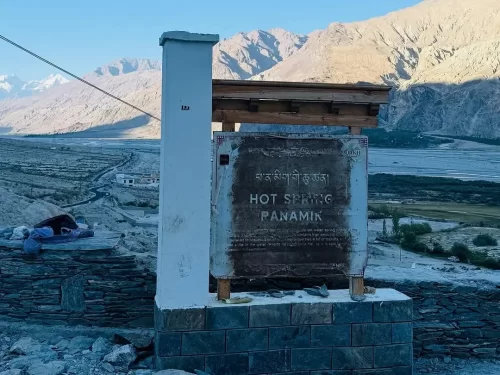 Hot Spring
Panamik Hot Springs
Panamik Hot Springs are natural sulphur hot water springs in Nubra Valley, known for their warmth, mineral content, and scenic Himalayan setting.