
Best Places to Visit in Leh Ladakh by Region
Exploring Leh Ladakh region wise helps travelers plan routes efficiently while covering major lakes, valleys, monasteries, mountain passes, and remote Himalayan regions.
+91 9910402252
admin@chalbanjare.com


Exploring Leh Ladakh region wise helps travelers plan routes efficiently while covering major lakes, valleys, monasteries, mountain passes, and remote Himalayan regions.
Leh city forms the cultural and tourism center of Ladakh and is the main starting point for most Himalayan road trips across the region. Surrounded by barren mountain ranges and high-altitude valleys, Leh combines royal heritage, Buddhist culture, monasteries, local markets, and scenic viewpoints within a compact mountain town atmosphere.
Leh Palace and Shanti Stupa are among the city’s most iconic attractions and are usually explored during the first few acclimatization days before travelers continue towards Nubra Valley, Pangong Lake, or other remote circuits. The local market area also provides insight into Ladakhi culture, food, handicrafts, and mountain lifestyle.
Travelers exploring Leh city should maintain slow movement during the first days because altitude adjustment remains important even while visiting nearby attractions.
The Hall of Fame, Magnetic Hill, and Sangam circuit is one of the most popular sightseeing routes around Leh because it combines military history, scenic valleys, and unique roadside attractions along the Leh–Srinagar highway. These locations are usually covered together as part of a relaxed half-day or full-day acclimatization drive.
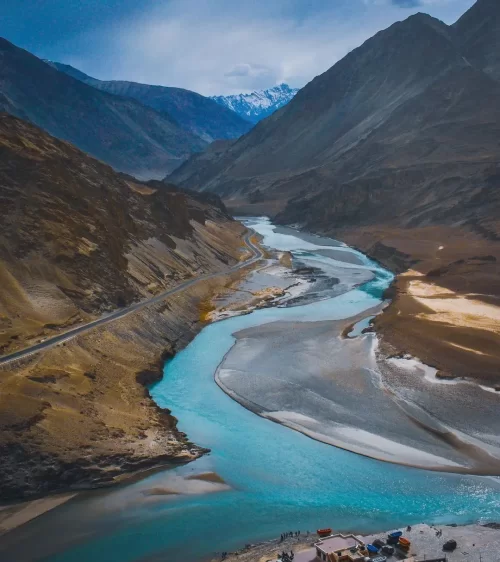
The route passes through dramatic Indus Valley landscapes with barren mountains, river confluences, military installations, and open Himalayan highways that introduce travelers to Ladakh’s cold desert geography and strategic importance.
| Attraction | Main Highlight | Travel Experience |
|---|---|---|
| Hall of Fame | Indian Army museum and war memorial | Military history and Ladakh heritage exploration |
| Magnetic Hill | Optical illusion highway phenomenon | Popular roadside attraction near Leh |
| Sangam Viewpoint | Confluence of Indus and Zanskar rivers | Scenic river valley photography |
| Leh–Srinagar Highway | Mountain road landscapes | Comfortable acclimatization road trip |
| Cold Desert Terrain | Barren mountain scenery | Classic Ladakh landscape experience |
| Photography Stops | Rivers, valleys, and mountain highways | Relaxed sightseeing opportunities |
| Easy Day Circuit | Less physically demanding travel | Ideal during early Ladakh travel days |
Travelers usually prefer this circuit during acclimatization because it combines sightseeing with relatively comfortable travel conditions before entering more remote and higher-altitude regions.
The Sham Valley monastery circuit is one of the best cultural road trips near Leh because it combines ancient Buddhist monasteries, traditional villages, historic fort ruins, and scenic Indus Valley landscapes across western Ladakh. The route provides a quieter and more culturally immersive experience compared to the busier eastern Ladakh circuits.
Alchi, Likir, and Basgo are among the most important historical and spiritual sites in the region and showcase Ladakh’s deep Buddhist heritage through murals, monasteries, prayer halls, and ancient Himalayan architecture.
Travelers exploring Sham Valley should move slowly and spend time inside the monasteries because the region’s cultural depth and peaceful mountain atmosphere are best experienced through relaxed exploration.
Hunder is one of the most famous attractions in Nubra Valley because of its rare cold desert landscape, rolling sand dunes, and unique double-hump Bactrian camels. Surrounded by barren Himalayan mountains and glacier-fed river valleys, Hunder creates an unusual combination of desert terrain and high-altitude scenery rarely seen elsewhere in the Himalayas.
The village is a major tourism hub in Nubra Valley and is especially popular for sunset photography, camel rides, and overnight stays amidst dramatic mountain landscapes. The sand dunes are believed to be linked historically to ancient Silk Route trade activity that once passed through the region.
Travelers visiting Hunder should spend time during sunrise or sunset because the desert scenery becomes especially beautiful under changing mountain light conditions.
Diskit is the largest settlement in Nubra Valley and acts as the cultural and administrative center of the region. The town is best known for Diskit Monastery and the giant Maitreya Buddha statue that overlooks the Shyok Valley and surrounding cold desert landscapes.
The monastery complex is one of the oldest and most important Buddhist centers in Nubra Valley and provides panoramic views of river valleys, sand dunes, and mountain roads stretching across the region. Diskit is also a common overnight stop because of its accommodation facilities and central location within the valley circuit.
| Attraction | Main Highlight | Travel Experience |
|---|---|---|
| Diskit Monastery | Ancient Buddhist monastery complex | Spiritual and cultural exploration |
| Giant Buddha Statue | Panoramic valley-facing monument | Iconic Nubra Valley viewpoint |
| Shyok Valley Landscapes | River and mountain scenery | Photography and sightseeing opportunities |
| Traditional Nubra Settlement | Local Himalayan atmosphere | Relaxed mountain town experience |
| Sunrise and Sunset Views | Changing desert and valley colors | Beautiful high-altitude lighting conditions |
| Monastery Prayer Rituals | Traditional Buddhist spiritual environment | Peaceful cultural experience |
| Road Trip Transit Hub | Main connection point within Nubra Valley | Easy access towards Hunder and Turtuk |
Travelers visiting Diskit should spend time around the monastery viewpoints because they offer some of the best panoramic landscapes across the Nubra Valley region.
The villages of Turtuk, Sumur, and Panamik showcase the cultural diversity and geographical variety of Nubra Valley beyond the popular sand dune regions. These settlements combine Balti culture, monasteries, hot springs, mountain agriculture, and remote Himalayan border landscapes within one of Ladakh’s most fascinating travel circuits.
Turtuk is especially famous for its Balti heritage and proximity to the India–Pakistan border, while Sumur offers monastery and village experiences in quieter parts of Nubra Valley. Panamik, located further north, is known for natural hot springs and the route towards the Siachen region.
Travelers exploring the remote villages of Nubra Valley should maintain flexible schedules because distances remain long and road conditions can significantly affect travel timing across the border-region landscapes.
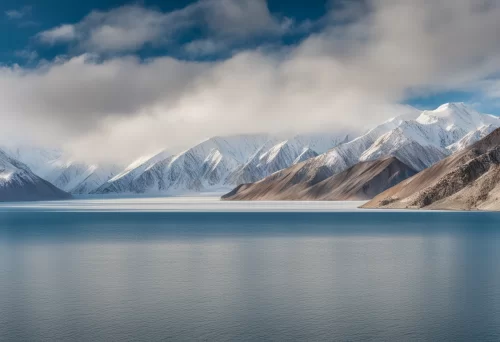
Pangong Tso is one of the most iconic high-altitude lakes in Ladakh and attracts travelers because of its dramatic blue waters, changing lake colors, and barren Himalayan mountain surroundings. Located in eastern Ladakh near sensitive border regions, the lake stretches across rugged cold desert terrain at an altitude of more than 14,000 feet.
Spangmik village serves as the main lakeside stay area around Pangong and offers camps, cottages, homestays, and panoramic viewpoints overlooking the lake. The region is especially popular among photographers because the lighting, reflections, and mountain colors change constantly throughout the day.
Travelers staying near Pangong should carry warm clothing and move slowly because night temperatures and low oxygen levels can become challenging at this altitude.
The eastern side of Pangong Lake around Merak and Man village offers a quieter and less crowded experience compared to the more popular Spangmik region. These villages are surrounded by open Changthang landscapes, mountain plains, and peaceful stretches of the lake with far fewer tourist crowds and commercial activity.
Travelers visiting Merak and nearby villages often experience a slower and more authentic side of eastern Ladakh because the region remains more connected to traditional Changpa lifestyle and remote Himalayan village culture.
| Village or Region | Main Highlight | Travel Experience |
|---|---|---|
| Merak Village | Quiet lakeside landscapes | Peaceful Pangong exploration |
| Man Village | Remote Changthang atmosphere | Traditional high-altitude settlement experience |
| Eastern Pangong Shoreline | Less crowded lake viewpoints | Ideal for slow travel and photography |
| Changpa Cultural Influence | Nomadic Himalayan lifestyle | Authentic regional interaction opportunities |
| Mountain Reflection Landscapes | Wide open scenic lake views | Excellent sunrise photography conditions |
| Remote Cold Desert Environment | Isolated Himalayan terrain | Adventure and wilderness atmosphere |
| Minimal Commercial Tourism | Calmer and quieter surroundings | Relaxed eastern Ladakh travel experience |
Travelers visiting Merak and Man should prepare for limited infrastructure because these villages remain far more remote and less developed than the main Pangong tourist areas.
The journey from Leh to Pangong Lake through Chang La, Durbuk, and Tangtse is considered one of Ladakh’s most scenic road trip routes because it combines high mountain passes, glacier landscapes, military valleys, and dramatic cold desert terrain across eastern Ladakh.
Chang La Pass acts as the main gateway towards Pangong Lake, while Tangtse and Durbuk serve as important transit settlements along the route. The road journey itself becomes a major attraction because of the changing Himalayan landscapes and high-altitude driving experience.
Travelers crossing Chang La should avoid rushing because altitude, cold weather, and long driving durations can make the Pangong journey physically demanding.
Tso Moriri is one of the most peaceful and scenic high-altitude lakes in Ladakh and is located deep inside the remote Changthang region surrounded by barren mountains, open valleys, and cold desert landscapes. Situated at an altitude of over 15,000 feet, the lake offers a quieter and less commercialized experience compared to Pangong Lake.
Karzok village lies beside the lake and serves as the main settlement and stay area around Tso Moriri. The region combines traditional Changpa culture, monasteries, nomadic lifestyle, and dramatic Himalayan scenery within one of Ladakh’s most isolated travel destinations.
Travelers staying near Tso Moriri should prepare for freezing nights and low oxygen levels because the region remains extremely remote and physically demanding.
Tso Kar and the surrounding Changthang plateau form one of the most ecologically unique landscapes in Ladakh because of the salt lake environment, open grasslands, wildlife habitats, and isolated mountain scenery. The region is especially known for migratory birds, wild kiang, marmots, and remote Himalayan wilderness.
Unlike Pangong and Tso Moriri, Tso Kar has a rugged and untamed atmosphere with salt flats, marshlands, and vast open plains stretching across the Changthang plateau. The route offers a completely different experience focused more on nature, silence, and high-altitude wilderness exploration.
| Attraction or Region | Main Highlight | Travel Experience |
|---|---|---|
| Tso Kar Lake | High-altitude salt lake landscape | Distinct Changthang scenery and geology |
| Changthang Plateau | Wide open Himalayan grasslands | Remote wilderness exploration |
| Wildlife Observation | Kiang, marmots, and migratory birds | Nature and photography opportunities |
| Salt Marsh Terrain | Unique cold desert environment | Different from other Ladakh lakes |
| Nomadic Changpa Settlements | Traditional pastoral lifestyle | Cultural interaction experiences |
| Remote High-Altitude Isolation | Minimal tourism infrastructure | Peaceful Himalayan atmosphere |
| Scenic Road Journey | Mountain valleys and open plains | Adventure road trip experience |
Travelers visiting Tso Kar should carry enough supplies and fuel because the region remains extremely remote with limited accommodation and roadside support facilities.
The Chumathang and Mahe route forms one of the main access corridors into the Changthang region and is famous for natural hot springs, scenic Indus Valley landscapes, and isolated high-altitude mountain roads. This route gradually transitions from central Ladakh into the remote eastern plateau landscapes surrounding Tso Moriri.
Chumathang is especially known for its geothermal hot springs located beside the Indus River, while Mahe acts as an important junction connecting routes towards Tso Moriri, Hanle, and other remote Changthang circuits.
Travelers exploring Chumathang and Mahe should maintain flexible schedules because weather, altitude, and road conditions can rapidly affect travel timing across the remote Changthang region.
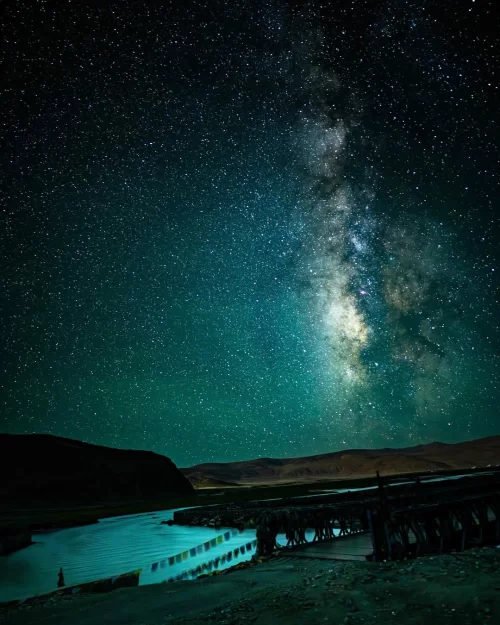
Hanle is one of the most remote and fascinating destinations in eastern Ladakh because of its world-famous observatory, ancient monastery, and exceptional dark sky conditions. Located deep inside the Changthang region near sensitive border areas, Hanle sits amidst vast barren valleys and high-altitude mountain landscapes with almost no light pollution.
The Indian Astronomical Observatory in Hanle is one of the highest observatories in the world and attracts travelers interested in astrophotography, stargazing, and remote Himalayan exploration. Alongside the observatory, Hanle Monastery adds spiritual and cultural significance to the isolated mountain village atmosphere.
Travelers staying in Hanle should prepare for freezing temperatures, low oxygen levels, and limited infrastructure because the village remains extremely isolated from mainstream tourist circuits.
The routes connecting Hanle, Nyoma, and Umling La are among the most extreme and adventurous road journeys in the Himalayas because they pass through isolated high-altitude plains, military-controlled regions, and some of the highest motorable roads in the world.
Umling La is internationally famous for its extreme altitude and rugged mountain roads, while Nyoma acts as an important transit settlement within eastern Ladakh’s strategic border region. The journey itself becomes the main attraction because of the harsh landscapes, silence, and remote Himalayan atmosphere.
| Route or Attraction | Main Highlight | Travel Experience |
|---|---|---|
| Umling La Pass | One of the world’s highest motorable roads | Extreme high-altitude road adventure |
| Nyoma Region | Important eastern Ladakh transit settlement | Remote military-sensitive landscape |
| Remote Mountain Highways | Long isolated driving sections | Adventure road trip atmosphere |
| Changthang Plateau Terrain | Wide barren Himalayan plains | Unique cold desert geography |
| Extreme Altitude Conditions | Very low oxygen levels | Physically demanding travel experience |
| Military Checkpoints and Convoys | Strategic border-region movement | Restricted and monitored travel environment |
| Panoramic Mountain Views | Open Himalayan plateau scenery | Excellent photography opportunities |
Travelers attempting these routes should prioritize acclimatization and carry emergency supplies because road support, medical access, and communication infrastructure remain extremely limited.
The Loma region and surrounding Changthang plains showcase some of the most isolated and visually dramatic landscapes in eastern Ladakh. Wide barren valleys, high-altitude grasslands, military checkpoints, and distant snow-covered peaks create a raw Himalayan wilderness atmosphere rarely found elsewhere in India.
Loma Bridge acts as an important checkpoint and route diversion area for travelers heading towards Hanle and other remote Changthang circuits. The region is deeply connected to border-zone geography and strategic military presence while still preserving the traditional nomadic lifestyle of the Changpa communities.
Travelers exploring the Changthang plains and border landscapes should maintain flexible schedules because weather, military regulations, and road conditions can quickly affect movement across eastern Ladakh.
The Kargil region is one of the most historically and geographically important areas in western Ladakh because it combines military history, mountain highways, cultural diversity, and rugged Himalayan landscapes along the Srinagar–Leh route. Kargil town acts as the main urban settlement and transit hub for travelers exploring western Ladakh and Zanskar Valley.
The Drass War Memorial is among the most significant attractions in the region and honors the soldiers who fought during the Kargil conflict. Surrounded by strategic mountain peaks and valleys, the memorial carries strong emotional and national importance while also serving as an important historical site for travelers.
Travelers visiting Drass and Kargil should spend time understanding the region’s historical background because western Ladakh offers a much deeper military and cultural atmosphere than many regular sightseeing circuits.
Lamayuru is one of the most visually unique destinations in Ladakh because of its famous Moonland terrain, ancient monastery, and rugged mountain surroundings along the Leh–Kargil highway. The region is known for unusual eroded landscapes that resemble a lunar surface, making it one of western Ladakh’s most recognizable attractions.
The route towards Lamayuru passes through Fotu La, the highest mountain pass on the Srinagar–Leh highway, and offers spectacular valley views, monastery landscapes, and dramatic cold desert terrain across western Ladakh.
| Attraction or Route | Main Highlight | Travel Experience |
|---|---|---|
| Lamayuru Moonland | Lunar-style mountain formations | One of Ladakh’s most unusual landscapes |
| Lamayuru Monastery | Historic Buddhist monastery complex | Spiritual and cultural exploration |
| Fotu La Pass | Highest point on Srinagar–Leh highway | Scenic mountain driving experience |
| Western Ladakh Highway | Barren Himalayan landscapes | Adventure road trip atmosphere |
| Mountain Viewpoints | Wide valley panoramas | Excellent photography opportunities |
| Buddhist Cultural Heritage | Ancient monastic traditions | Insight into Ladakhi spiritual life |
| Cold Desert Terrain | Rock formations and mountain valleys | Distinct western Himalayan geography |
Travelers crossing Fotu La and exploring Lamayuru should carry warm clothing because weather conditions and mountain winds can become cold even during the summer travel season.
Suru Valley and Rangdum form one of the most scenic and less explored mountain circuits in western Ladakh because the route combines glacier valleys, green landscapes, rivers, monasteries, and isolated Himalayan terrain leading towards Zanskar Valley. Unlike central Ladakh’s barren terrain, Suru Valley appears greener because of glacier-fed rivers and agricultural settlements.
The route towards Rangdum passes through dramatic mountain scenery surrounded by snow-covered peaks, open valleys, remote villages, and rugged high-altitude terrain. This circuit is especially popular among travelers continuing towards Padum and deeper Zanskar exploration.
Travelers exploring Suru Valley and Rangdum should keep flexible schedules because landslides, weather changes, and rough mountain roads frequently affect travel timing across western Ladakh routes.
The Padum region forms the cultural and administrative heart of Zanskar Valley and serves as the main base for exploring monasteries, remote villages, and rugged Himalayan landscapes across one of Ladakh’s least commercialized regions. Surrounded by barren mountains and glacier-fed rivers, Padum offers a slower and more traditional mountain travel experience.
Karsha and Stongdey monasteries are among the most important Buddhist centers in Zanskar Valley and showcase ancient Himalayan spiritual traditions, monastery architecture, and panoramic mountain viewpoints overlooking remote valleys.
Travelers exploring Padum and nearby monasteries should maintain relaxed schedules because long mountain driving hours and remote terrain naturally slow travel across Zanskar Valley.
Phugtal Monastery is one of the most extraordinary spiritual destinations in the Himalayas because it is built into a cliffside cave structure deep inside a remote Zanskar valley. The journey towards the monastery passes through isolated villages, narrow river valleys, and dramatic mountain landscapes that highlight the raw beauty of Zanskar.
The surrounding Zanskari villages preserve centuries-old Himalayan traditions shaped by geographical isolation, harsh winters, and strong Buddhist cultural influence. Exploring these regions offers travelers a rare glimpse into authentic mountain life far from mainstream tourism.
| Attraction or Experience | Main Highlight | Travel Experience |
|---|---|---|
| Phugtal Monastery | Cliffside cave monastery architecture | One of Ladakh’s most unique monasteries |
| Remote Trekking Routes | High-altitude valley exploration | Adventure and wilderness atmosphere |
| Traditional Zanskari Villages | Ancient Himalayan settlement culture | Authentic local interaction opportunities |
| River Valley Landscapes | Narrow mountain canyon scenery | Scenic trekking and photography conditions |
| Buddhist Spiritual Environment | Monastic isolation and meditation culture | Peaceful Himalayan atmosphere |
| Village Homestay Experiences | Traditional mountain hospitality | Slow cultural exploration |
| Minimal Commercial Tourism | Raw and untouched travel environment | Remote Himalayan experience |
Travelers attempting Phugtal routes should prepare carefully with proper trekking gear, medicines, and warm clothing because infrastructure support remains very limited in remote Zanskar villages.
The regions around Shinku La and Drang Drung Glacier showcase some of the most rugged and visually dramatic landscapes in the Indian Himalayas. Massive glaciers, remote mountain passes, rough roads, and isolated valleys create an extreme adventure environment across western Ladakh and Zanskar Valley.
Drang Drung Glacier, visible near Pensi La Pass, is one of Ladakh’s largest glaciers and remains one of the most spectacular natural attractions on the Kargil–Padum route. Shinku La provides an adventurous mountain connection between Zanskar and Himachal Pradesh through high-altitude wilderness terrain.
Travelers exploring Shinku La and glacier routes should maintain flexible schedules because snowfall, landslides, weather changes, and rough mountain roads frequently affect travel conditions across Zanskar Valley.
The monasteries around Leh such as Hemis, Thiksey, and Shey represent the spiritual and cultural foundation of Ladakh and provide travelers with a deeper understanding of Himalayan Buddhism, monastery traditions, and mountain life. These monasteries are known for their dramatic hilltop locations, ancient prayer halls, giant Buddha statues, and panoramic valley landscapes.
Each monastery offers a different atmosphere, from the large monastery complexes of Hemis and Thiksey to the quieter royal heritage surroundings of Shey. Visiting these spiritual places allows travelers to experience Ladakh beyond scenic road trips and connect with the region’s centuries-old Buddhist identity.
Travelers visiting major monasteries should maintain quiet and respectful behavior because these remain active spiritual institutions central to local Himalayan life.
The monasteries of Diskit, Lamayuru, and Alchi showcase the geographical and cultural diversity of Ladakh’s Buddhist heritage across Nubra Valley and western Ladakh. These monasteries are not only spiritual centers but also important historical landmarks preserving ancient Himalayan art, architecture, and monastic traditions.
Lamayuru is famous for its Moonland landscapes and ancient monastery complex, while Alchi is renowned for centuries-old Buddhist murals and Indo-Tibetan artistic influence. Diskit Monastery remains the main spiritual center of Nubra Valley overlooking dramatic cold desert landscapes.
| Monastery | Main Highlight | Travel Experience |
|---|---|---|
| Diskit Monastery | Largest monastery in Nubra Valley | Spiritual and scenic valley exploration |
| Lamayuru Monastery | Ancient monastery beside Moonland landscapes | Historic western Ladakh cultural experience |
| Alchi Monastery | Ancient Buddhist murals and artwork | Important Himalayan heritage exploration |
| Historic Buddhist Architecture | Traditional monastery structures | Insight into Ladakh’s spiritual history |
| Mountain Valley Locations | Monasteries overlooking scenic landscapes | Photography and peaceful exploration |
| Buddhist Cultural Preservation | Ancient rituals and monastic traditions | Authentic Himalayan spiritual atmosphere |
| Remote Himalayan Setting | Cold desert mountain surroundings | Slow cultural and road trip experience |
Travelers exploring these monastery circuits should spend enough time observing the architecture and murals because many details preserve centuries of Himalayan Buddhist history and artistic tradition.
Buddhist festivals and monastery rituals form one of the most vibrant cultural experiences in Ladakh because they showcase masked dances, traditional music, prayer ceremonies, and spiritual practices that remain deeply connected to Himalayan village life. These festivals are usually organized according to the Tibetan Buddhist calendar and attract monks, villagers, and travelers from different regions.
Prayer wheels, butter lamps, chanting ceremonies, and monastery rituals continue to shape daily spiritual life across Ladakh. Travelers attending these events should understand that monasteries function as active religious centers and not only tourist attractions.
Travelers attending monastery festivals should move slowly and respectfully because these ceremonies carry deep religious significance for local communities throughout Ladakh.
The high mountain passes of Ladakh are among the biggest highlights of any Himalayan road trip because they connect remote valleys, lakes, monasteries, and border regions through some of the most dramatic landscapes in India. Khardung La, Chang La, and Tanglang La are among the most famous passes crossed during Ladakh travel circuits.
Each pass offers a different experience ranging from glacier landscapes and snow-covered roads to barren mountain valleys and extreme high-altitude driving conditions. Crossing these passes is considered a major achievement for road trip travelers, bikers, and adventure enthusiasts exploring Ladakh.
Travelers crossing these passes should avoid rushing because rapid altitude gain and cold weather can cause fatigue, dizziness, and breathing discomfort during the journey.
The routes crossing Zojila and Baralacha La form two of the most spectacular Himalayan highway journeys in India because they connect Ladakh with Kashmir and Himachal Pradesh through glaciers, narrow mountain roads, river valleys, and high-altitude desert landscapes.
Zojila Pass acts as the gateway between Kashmir and Ladakh on the Srinagar–Leh highway, while Baralacha La lies along the Manali–Leh route connecting Himachal Pradesh with Ladakh’s cold desert terrain. These roads are famous for constantly changing landscapes and challenging driving conditions.
| Mountain Pass or Route | Main Highlight | Travel Experience |
|---|---|---|
| Zojila Pass | Kashmir to Ladakh mountain gateway | Narrow roads and dramatic mountain terrain |
| Baralacha La Pass | High-altitude Manali–Leh crossing | Snow-covered Himalayan landscapes |
| Srinagar–Leh Highway | Historic western Ladakh access route | Mountain valleys, glaciers, and rivers |
| Leh–Manali Highway | Extreme Himalayan road trip route | Adventure travel through isolated terrain |
| Snow and Glacier Sections | Seasonal mountain scenery | Changing weather and accessibility conditions |
| Remote Highway Settlements | Minimal roadside infrastructure | Long isolated driving sections |
| Photography Opportunities | High mountain panoramas and valleys | One of India’s most scenic highways |
Travelers using these highway routes should always check road and weather updates because snowfall, landslides, and road repair operations frequently affect mountain pass accessibility.
Ladakh’s road journeys are famous not only for mountain passes but also for dramatic river crossings, sharp hairpin bends, cliffside roads, and endless panoramic landscapes stretching across cold deserts, glaciers, and remote Himalayan valleys. Many roads pass through isolated terrain where the journey itself becomes the main attraction.
Travelers driving through Ladakh experience constantly changing scenery ranging from glacier-fed streams and rocky valleys to open mountain plains and winding highways surrounded by barren peaks. These routes are especially popular among bikers and long-distance road trip enthusiasts.
Travelers driving through Ladakh’s mountain highways should prioritize safety and realistic schedules because altitude, weather, and road conditions can rapidly affect travel timing across remote Himalayan regions.
First-time travelers visiting Ladakh should focus on regions that provide a balanced combination of acclimatization, scenic landscapes, monasteries, mountain passes, and manageable road journeys without attempting extremely remote or physically demanding circuits. The classic Ladakh route around Leh, Nubra Valley, Pangong Lake, and Sham Valley offers the most comfortable introduction to the region.
These destinations combine cold desert scenery, Buddhist culture, high-altitude lakes, monasteries, and adventure highways while still maintaining comparatively better infrastructure and road accessibility than remote regions such as Hanle or Zanskar.
Travelers visiting Ladakh for the first time should avoid rushing between multiple remote regions because altitude fatigue and long mountain driving hours can reduce overall travel comfort significantly.
Choosing between Ladakh’s popular circuits and remote Himalayan regions depends mainly on trip duration, acclimatization ability, adventure preference, and road travel experience. Popular routes such as Nubra Valley and Pangong Lake provide easier logistics and more developed tourism support, while remote regions like Hanle, Zanskar, Tso Moriri, and Umling La offer deeper wilderness exploration and isolation.
Remote regions usually involve rougher roads, longer travel durations, limited infrastructure, and greater physical demands because of extreme altitude and isolation. Travelers should plan according to realistic pacing rather than attempting maximum destination coverage.
| Travel Style | Main Advantage | Ground Reality |
|---|---|---|
| Popular Ladakh Circuit | Easier accessibility and accommodation | Ideal for first-time travelers |
| Nubra and Pangong Route | Classic Ladakh landscapes and road trips | Balanced travel experience |
| Hanle and Umling La | Extreme remote Himalayan exploration | Requires strong acclimatization |
| Tso Moriri and Changthang | Peaceful high-altitude wilderness | Limited infrastructure support |
| Zanskar Valley | Traditional culture and rugged landscapes | Long mountain travel durations |
| Western Ladakh Circuit | Military history and monastery landscapes | Less crowded road trip atmosphere |
| Border and Remote Regions | Adventure and isolation experience | Higher logistical and physical demands |
Travelers should choose routes based on comfort and acclimatization rather than trying to cover every destination because Ladakh is best experienced slowly through gradual Himalayan exploration.
A complete Ladakh exploration route generally combines Leh, Sham Valley, Nubra Valley, Pangong Lake, Tso Moriri, Hanle, and western Ladakh circuits together through a carefully planned multi-day itinerary. This route allows travelers to experience monasteries, high-altitude lakes, cold deserts, glaciers, remote villages, mountain passes, and Changthang landscapes across different parts of Ladakh.
Travelers with additional time can extend the circuit further into Zanskar Valley, Umling La, Turtuk, Kargil, and Suru Valley for deeper exploration of Ladakh’s geographical and cultural diversity. Proper acclimatization and flexible travel timing remain essential throughout the journey.
A complete Ladakh journey is best experienced through slow and flexible travel because the region’s true beauty lies in its changing landscapes, remote roads, mountain culture, and peaceful high-altitude atmosphere rather than rushed sightseeing.

Get customized Ladakh tour planning designed around altitude comfort, acclimatization time, weather windows, and real Himalayan road conditions. Whether you are visiting for high mountain passes, monasteries, lakes, or remote valley experiences, our exper
⚡ Quick Response | 💰 Free consultation | 🕒 24×7 expert support
