Quick Facts About Vembanad Lake
| Entry Fee |
Free |
| Timings |
06:00 - 18:00 |
| Altitude (m) |
0 |
| Ideal Visit Duration (hrs) |
4 |
| Best Time of Day |
Evening |
| Crowd Level |
Moderate |
| Distance from Alappuzha (km) |
4 |
| Walking Difficulty |
Easy |
| Parking Available |
No |
| Last Mile Access |
Road |
| Suitable for Kids |
Yes |
| Suitable for Seniors |
Yes |
| Wheelchair Friendly |
No |
Why Visit Vembanad Lake
Why Visit
Vembanad Lake is the largest lake in Kerala and one of the most important natural and cultural landscapes in the state. Visitors come to experience the heart of Kerala’s backwater system—an intricate network of lakes, canals, and lagoons that support traditional livelihoods, houseboat tourism, and a distinctive way of life shaped by water.
Atmosphere
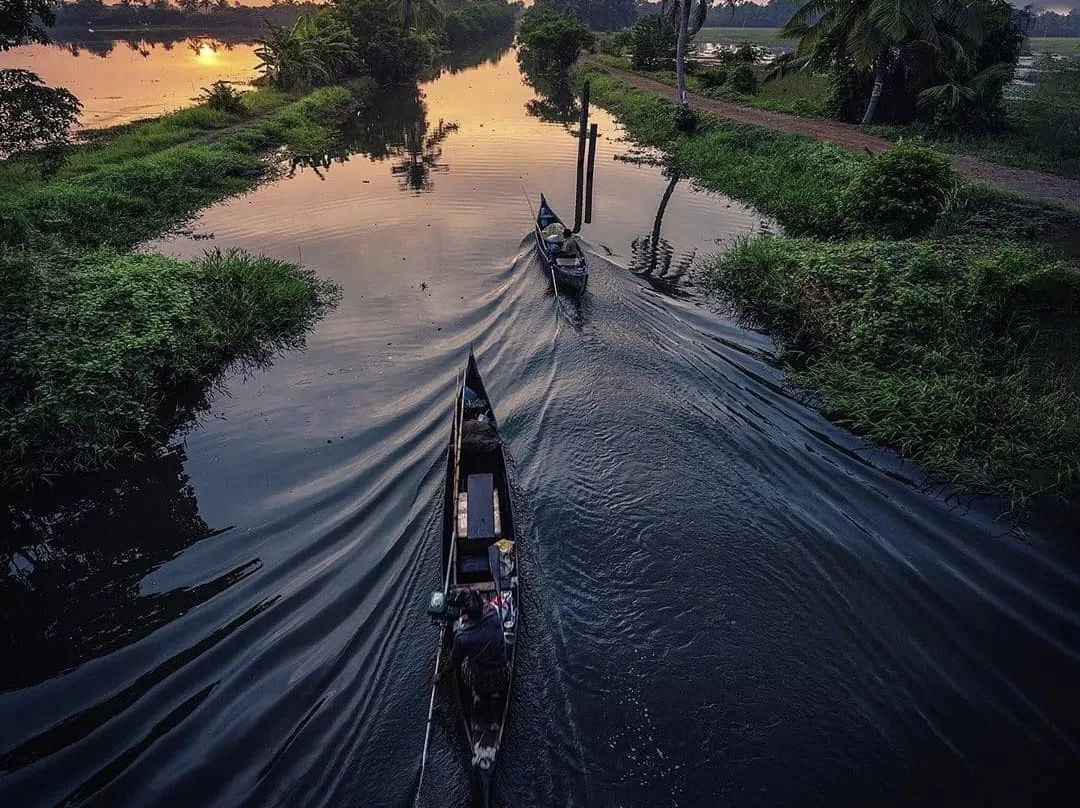
The atmosphere is calm, expansive, and rhythmically slow, defined by wide stretches of water, swaying coconut palms, and the steady movement of boats. Early mornings feel especially serene, with soft light and minimal activity, while evenings bring gentle breezes and reflective sunsets. The environment encourages relaxation and quiet observation.
What Makes it Special
What makes Vembanad Lake special is its scale and ecological importance—it spans multiple districts and supports diverse ecosystems, including wetlands and bird habitats. The lake is closely associated with the Nehru Trophy Snake Boat Race held during the Onam season, highlighting its cultural significance. As part of Kerala’s Ramsar-listed wetlands, it represents a vital balance between tourism, tradition, and environmental conservation.
History of Vembanad Lake
Vembanad Lake is located along the coastal plains of central Kerala, spanning multiple districts including Alappuzha, Kottayam, Ernakulam, and Thrissur. It is the longest lake in India and has historically functioned as a vital natural water system supporting settlement, agriculture, and inland navigation across the region.
The lake and its interconnected canals formed the backbone of Kerala’s traditional transport network, enabling the movement of goods such as rice, spices, timber, and coir between inland villages and coastal ports. These waterways were extensively used by local rulers and later by European traders during the colonial period, integrating Vembanad into global maritime trade routes through Kochi.
Over time, the lake became central to the cultural and economic life of the surrounding regions, particularly through paddy cultivation systems like the Kuttanad below-sea-level farming practices. Today, Vembanad Lake stands as a historically layered landscape shaped by natural hydrology, human adaptation, and centuries of continuous use, representing one of Kerala’s most significant inland water bodies.
Best Time to Visit – Vembanad Lake
The best time to visit Vembanad Lake, Kerala’s largest lake, is from October to March, when the weather is pleasant, humidity is lower, and water conditions are ideal for backwater cruises and houseboat stays. This season offers clear skies, comfortable temperatures, and a calm environment to experience village life, bird activity, and scenic waterways across Alleppey, Kumarakom, and nearby regions.
- October–November: Post-monsoon freshness with lush surroundings and clean waterways—excellent for sightseeing and photography.
- December–February: Coolest and peak season—best for houseboat cruises, canoeing, and birdwatching.
- March: Still suitable, though afternoons begin to warm—morning and evening cruises are recommended.
- April–May (Summer): Hot and humid; short cruises during early mornings or late afternoons are more comfortable.
- June–September (Monsoon): Heavy rainfall and rising water levels; fewer tourists and a greener landscape, but boating schedules may vary.
Best time of day: 7:00 AM to 10:30 AM for calm waters and village activity, or 4:30 PM to 6:30 PM for sunset views reflecting over the lake.
- Backwater experience tip: Winter months provide the smoothest cruising conditions and clearer views.
- Photography tip: Early morning mist and evening sunsets offer the most atmospheric shots.
- Festival insight: During the Nehru Trophy Boat Race season (usually August), parts of the lake become lively and crowded.
How to Reach Vembanad Lake
Vembanad Lake is the longest lake in India, spread across Alappuzha, Kottayam, and Ernakulam districts of Kerala. The lake is accessed from multiple towns such as Alleppey, Kumarakom, and Kochi, depending on the section of the lake you plan to visit.
- By Air (Nearest airports): The nearest major airport is Cochin International Airport, around 75–85 km from Alappuzha and about 30–35 km from Kochi-side access points. From the airport, taxis and pre-booked cabs connect to Alleppey, Kumarakom, or Kochi.
- By Train (Nearest railway stations): Key railheads include Alappuzha Railway Station, Kottayam Railway Station, and Ernakulam Junction. From these stations, local transport provides easy access to lake jetties and waterfront areas.
- By Road: Vembanad Lake is accessible by road from Kochi, Alappuzha, and Kottayam. KSRTC and private buses operate frequently to Alleppey, Kumarakom, and nearby towns. From bus stands, autos and taxis connect to lake access points.
- Taxi / Private Cab: Hiring a taxi is the most flexible option, especially if visiting multiple lake viewpoints or backwater villages. Drivers are familiar with popular access points and houseboat jetties.
- By Water (Backwater access): Vembanad Lake is best experienced by boat. Houseboats, shikaras, and government ferries operate from Alleppey, Kumarakom, and Kochi, providing direct access to different sections of the lake.
- Self-drive: Self-driving is convenient via NH and state highways. Parking is available near major jetties, resorts, and public lakefront areas.
- Travel tips (EEAT): Choose your entry point based on planned activities such as houseboats or bird watching. Early morning and sunset are ideal for lake views. Follow local boating safety rules and instructions issued at jetties.
What to Expect When You Visit Vembanad Lake
Vembanad Lake is the largest lake in Kerala and a defining feature of the state’s backwater landscape, stretching across multiple districts including Alappuzha, Kottayam, and Ernakulam. The experience here is slow-paced and scenic, centered on water, village life, and natural rhythms rather than conventional sightseeing.
- Vast backwater landscape: expect wide expanses of calm water interlaced with canals, islands, and palm-lined shores, creating a distinctly tranquil setting.
- Houseboat and boat cruise focus: the lake is best experienced from the water, with houseboats and day cruises offering close views of backwater life.
- Living village scenery: you’ll observe everyday activities such as fishing, coir making, farming, and ferry crossings along the banks.
- Changing character by location: the experience varies depending on access point—Alappuzha feels tourism-oriented, while other stretches are quieter and more local.
- Birdlife and natural observation: the lake and surrounding wetlands attract resident and migratory birds, especially during cooler months.
- Slow, unhurried pace: this is a destination for relaxation—movement is gentle, and activities unfold gradually.
- Weather-influenced experience: monsoon rains add lushness but can limit outdoor comfort; dry months offer calmer cruising conditions.
- Minimal shoreline sightseeing: most engagement happens on boats rather than through walking trails or viewpoints.
- Cultural and ecological significance: the lake supports livelihoods and ecosystems, making responsible tourism essential.
- Best enjoyed with time flexibility: rushing the visit reduces its appeal—longer, relaxed stays are more rewarding.
Tip for a smoother visit: choose a reputable boat operator, plan for a relaxed schedule, and visit during early morning or late afternoon for cooler weather and softer light over the water.
Important Visitor Information – Vembanad Lake
- Crowd & Weather Notes: Vembanad Lake experiences steady tourist activity throughout the year, with higher crowds during peak season (October to March), weekends, and during houseboat tourism peaks around Alappuzha and Kumarakom. The region has a humid backwater climate; monsoon months (June to September) bring heavy rainfall and strong winds, while winters are pleasant.
- Peak / Quiet Hours: Peak hours are late morning to afternoon when houseboat check-ins and day cruises operate. Early morning and late evening are quieter and ideal for scenic views, birdwatching, and photography.
- Dress Code: No formal dress code applies. Wear light, breathable clothing suitable for humid weather. If boarding boats, non-slip footwear and sun protection are recommended.
- Safety Notes: Follow safety instructions provided by boat operators and wear life jackets when advised. Avoid leaning over boat edges and be cautious near jetties and slippery embankments. Supervise children closely and avoid swimming in open lake areas.
Photography and Viewpoint – Vembanad Lake
Vembanad Lake, the longest lake in India, stretches across multiple districts of Kerala including Alappuzha, Kottayam, and Ernakulam. Forming the heart of Kerala’s backwaters, the lake is known for its vast open waters, interconnected canals, coconut-lined shores, and slow-moving houseboats. Photography here focuses on expansive waterscapes, reflections, rural life, and the rhythm of backwater travel.
- Best light for photography: Early morning offers calm waters, soft light, and misty reflections, while late afternoon to sunset provides warm tones and layered skies.
- Classic backwater viewpoints: Shoot from houseboats, shikaras, or lakeside embankments to capture wide frames of water channels, palms, and villages.
- Reflection-focused compositions: Still water conditions allow mirror-like reflections of coconut trees, boats, and sky—lower shooting angles enhance symmetry.
- Wide landscape storytelling: Use wide lenses to emphasize the lake’s scale, open horizons, and the seamless blend of water and land.
- Life-on-the-lake scenes: Photograph fishermen, traditional boats, paddy fields, and lakeside homes from a respectful distance to convey everyday backwater life.
- Wide vs. telephoto use: Wide lenses suit expansive lake views, while telephoto lenses isolate boats, birds, and distant shoreline activity.
- Mobile photography tips: Use gridlines to keep horizons straight, expose for mid-tones on water, and stabilize shots from moving boats.
- Seasonal visual variation: Monsoon months enhance greenery and cloud drama, while drier months offer clearer skies and calmer reflections.
- Crowd & timing awareness: Early hours provide quieter conditions, especially near popular houseboat routes and boarding points.
- Responsible photography etiquette: Avoid intrusive close-ups of homes or people, respect private spaces, and follow local boating and safety guidelines.
Near By Attraction
 Church
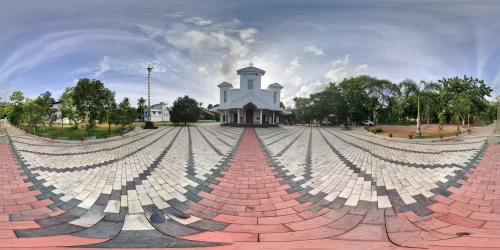
St. James Church Paloothara
St. James Church is a Christian church located in Paloothara, Kerala, serving the local parish community.
 Temple
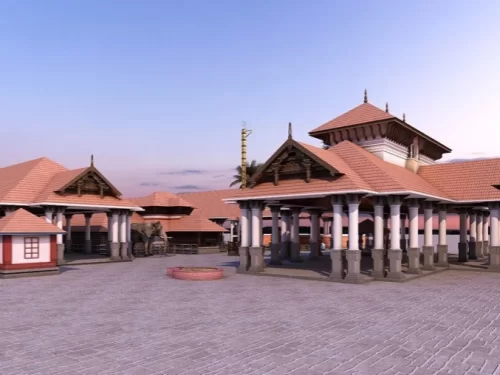
Chakkulathukavu Sree Bhagavathi Temple
Chakkulathukavu Sree Bhagavathi Temple is a prominent Hindu temple in Alleppey, dedicated to Goddess Bhagavathi, known for its annual festivals.
 Temple
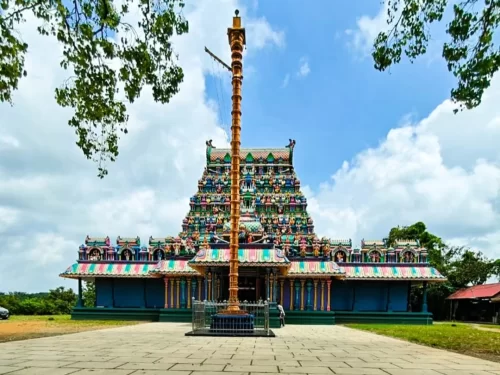
Sree Subramanya Swami Temple
Sree Subramanya Swami Temple in Perunna is a revered Hindu temple dedicated to Lord Murugan, known for its spiritual significance and annual festivals.