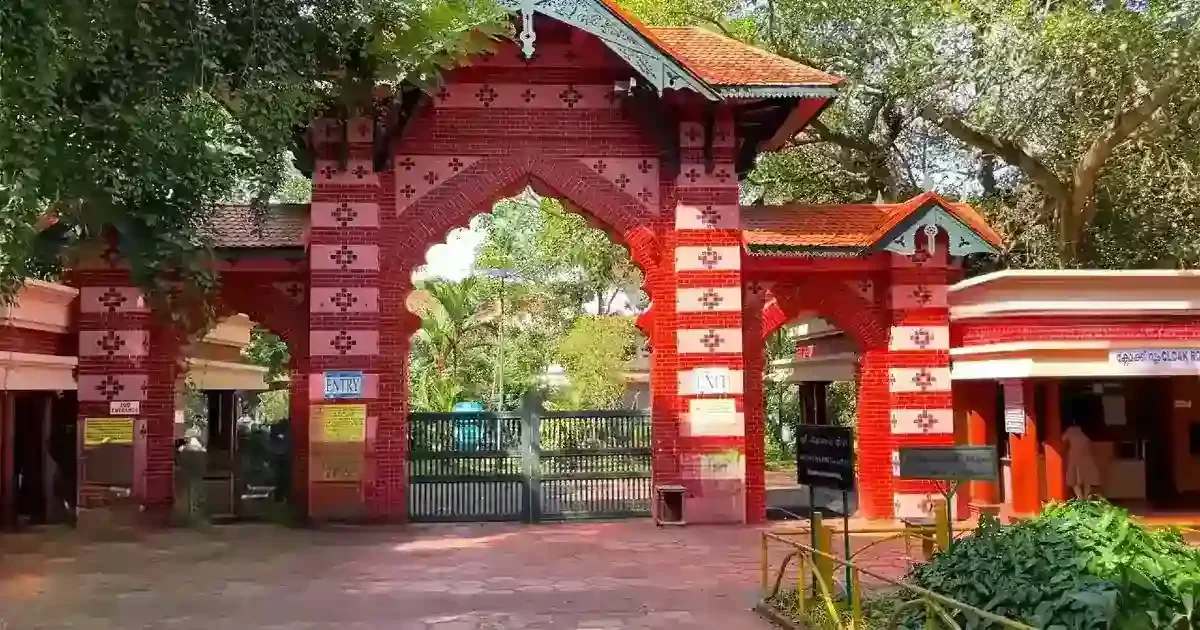
Thiruvananthapuram Zoo, Thiruvananthapuram, Kerala, India

Thiruvananthapuram Zoo , Thiruvananthapuram
Visitors come to observe a wide range of animal species including mammals, reptiles, and birds within a landscaped park setting. The zoo is part of a larger museum complex that also includes the Napier Museum and other cultural institutions.

Quick Facts About Thiruvananthapuram Zoo

Thiruvananthapuram Zoo, Kerala Quick Facts

Entry Fee Paid entry; separate ticket rates for adults, children, and camera usage (as per zoo authority rules)
Timings 9:00 AM–5:15 PM; closed on Mondays and Wednesday forenoon
Altitude (m) Approximately 10–25 m above sea level
Ideal Visit Duration 2–4 hours
Best Time of Day Morning hours for better animal activity and cooler weather
Crowd Level High on weekends, holidays, and school vacation periods; moderate on weekdays
Distance from City Centre (km) Approximately 3 km from Thiruvananthapuram city centre
Walking Difficulty Easy to moderate; long walking paths inside the zoo
Parking Available Yes, paid parking available near the entrance
Last Mile Access Direct road access with a short walk from parking to ticket counter
Suitable for Kids Yes
Suitable for Seniors Yes; battery-operated vehicle service available subject to availability
Wheelchair Friendly Partially accessible; some pathways are suitable, but not all animal enclosures are easily accessible

Why Visit Thiruvananthapuram Zoo, Kerala

Visitors come to Thiruvananthapuram Zoo to observe a wide range of animals, birds, and reptiles within one of India’s oldest zoological parks. It is a key family attraction in the city, often combined with visits to the adjoining museum and art gallery.

The on-ground atmosphere is spacious and green, with shaded walkways, landscaped enclosures, and clearly marked viewing areas for different species. Visitors typically spend time walking through designated zones at a relaxed pace while exploring the park’s biodiversity.

What makes Thiruvananthapuram Zoo distinct is its integration within a larger cultural complex that includes museums and gardens in the city center. Its long-established layout, varied animal collection, and urban green setting make it one of Kerala’s most accessible wildlife education spaces.

History of Thiruvananthapuram Zoo, Kerala

Thiruvananthapuram Zoo was established in 1857 by Maharaja Uthram Thirunal of the Kingdom of Travancore, making it one of the oldest zoological parks in India. It was developed as part of the royal initiative to create a space for recreation, education, and scientific study.

The zoo is located within the larger Museum complex in Thiruvananthapuram and was later expanded to include landscaped enclosures designed in the naturalistic style. Over time, it became home to a wide variety of native and exotic animal species, along with a botanical garden and related institutions.

Today, Thiruvananthapuram Zoo functions as a modern zoological park and conservation center while retaining its historical significance as one of the earliest scientific zoos in Asia.

Best Time to Visit Thiruvananthapuram Zoo, Kerala

Thiruvananthapuram Zoo is best visited during the cooler months when walking across the large zoo campus, observing active animal enclosures, and exploring the adjoining museum complex can be done comfortably.
  • Ideal Months: November to February is the most suitable period for visiting, offering comfortable conditions for extended outdoor exploration within the zoo.
  • Weather Conditions: These months generally bring pleasant temperatures with lower humidity, making it easier to walk through shaded pathways and view animal habitats without heat discomfort.
  • Periods to Avoid: April to June can be very hot in Thiruvananthapuram, reducing comfort during long walks inside the zoo. Heavy monsoon months may also cause occasional disruptions in outdoor viewing areas.

How to Reach Thiruvananthapuram Zoo, Kerala

  • By Air: Thiruvananthapuram International Airport is the nearest airport, located about 7 km from the zoo. The airport has regular domestic and international flight connectivity. Taxis, app-based cabs, and auto-rickshaws provide quick access to the zoo.
  • By Train: Thiruvananthapuram Central Railway Station is the nearest major railway station, around 2 km away. It is well connected to major cities across India. Visitors can reach the zoo within 10 minutes by taxi, auto-rickshaw, or city bus.
  • By Road: Thiruvananthapuram Zoo is located inside the Kanakakunnu–Museum area in the heart of the city. It is easily accessible via NH 66 and major city roads. KSRTC buses, private buses, taxis, and auto-rickshaws operate frequently from all parts of Thiruvananthapuram. Parking is available nearby, but congestion is common during weekends, holidays, and peak tourist hours.

What to Expect When You Visit Thiruvananthapuram Zoo, Kerala

  • Thiruvananthapuram Zoo is located within the central museum complex of the city, set inside a large landscaped park with shaded walking routes, ponds, and adjoining cultural institutions.
  • The zoo features a variety of animal enclosures including mammals, birds, and reptiles, arranged across spacious grounds designed for walking exploration rather than vehicle-based viewing.
  • Facilities include ticket counters, drinking water points, restrooms, seating areas, battery-operated vehicle services (in some sections), and basic refreshment stalls within the broader complex.
  • Visitors should expect significant walking between enclosures on paved and sometimes uneven paths. The layout covers a large area, making comfortable footwear and time planning important.
  • The zoo is popular with families, school groups, and domestic tourists, leading to higher visitor density on weekends, holidays, and vacation periods. Weekdays are generally less crowded.
  • Animal visibility may vary depending on weather, feeding times, and enclosure design. Some animals may remain less active or out of sight during parts of the day.
  • During hot or rainy weather, outdoor exploration can become less comfortable, and certain sections may have temporary restrictions or maintenance closures.

Important Visitor Information for Thiruvananthapuram Zoo, Kerala

  • The zoo experiences its highest footfall on weekends, public holidays, and school vacation periods, while weekday mornings are generally quieter and more comfortable for exploring.
  • Early hours after opening provide better chances to see active animal behavior with shorter queues, whereas afternoons tend to be busier with family groups and tourist buses.
  • Thiruvananthapuram’s tropical climate remains warm and humid year-round, with monsoon months (June–September) bringing frequent rain that can make walking paths wet and slippery.
  • There is no strict dress code, but light, breathable clothing and comfortable walking shoes are recommended due to the large area covered on foot.
  • Visitors must follow all enclosure safety rules, maintain distance from animals, and avoid feeding or provoking wildlife at any point inside the zoo.
  • Care should be taken near water bodies, shaded walkways, and crowded exhibit zones, especially when visiting with children during peak hours.

Photography and Viewpoints at Thiruvananthapuram Zoo, Kerala

  • The main zoo pathways provide the most consistent viewpoints for photographing animal enclosures, landscaped gardens, and heritage-era architecture within the zoological complex.
  • Designated viewing enclosures for species such as lions, tigers, elephants, and deer offer controlled angles through safety glass and fencing, with the clearest sightlines at marked observation points.
  • The central lake and shaded tree-lined avenues within the zoo grounds create strong compositional frames, especially for capturing reflections and the park-like setting of the institution.
  • Morning hours are best for photography due to improved animal activity and softer light filtering through the dense canopy, while midday heat often reduces visibility and animal movement.
  • Photography rules prohibit flash near sensitive animals and restrict entry beyond barriers; drone usage and commercial filming require prior permission from zoo authorities.
  • Weekends, school holidays, and tourist seasons bring heavy footfall, especially near popular enclosures, affecting clear viewing and timing for unobstructed shots.
  • The zoo’s extensive walking circuit offers multiple rest points and elevated observation platforms, but some enclosures are designed with limited angles to ensure animal safety.

Near By Attraction

Hawa Beach in Kovalam, scenic Arabian Sea coastline with golden sands and panoramic ocean views. Beach

Hawah Beach

Hawah Beach is a coastal beach located in Kovalam near Thiruvananthapuram, Kerala, along the Arabian Sea.
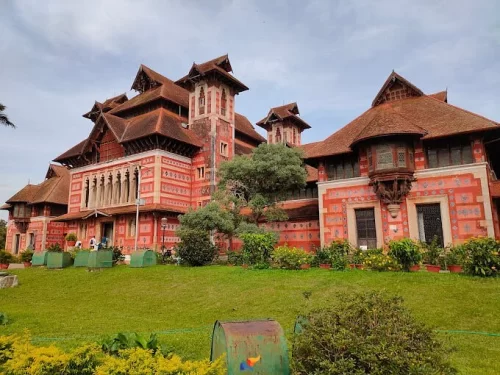
Sri Chitra Art Gallery Art Gallery

Sri Chitra Art Gallery

Sree Chitra Art Gallery is an art museum in Thiruvananthapuram that houses paintings and artworks from Indian and international artists.

Kanakakkunnu Palace Palace

Kanakakkunnu Palace

Kanakakkunnu Palace is a historic palace in Thiruvananthapuram built by the Travancore royal family.

Frequently Asked Questions About Thiruvananthapuram Zoo

Thiruvananthapuram Zoo is one of the oldest zoological parks in India and is a popular family attraction. Visitors can explore mammals, birds, reptiles, landscaped gardens, and nearby attractions such as Napier Museum and Sree Chitra Art Gallery.
November to February offers the most comfortable weather for walking through the large zoo campus. Morning hours are recommended because animals are generally more active and temperatures are cooler.
The zoo generally operates from 9:00 AM to 5:15 PM. It remains closed on Mondays and Wednesday forenoon, so visitors should plan accordingly.
Entry is paid with separate ticket rates for adults, children, and camera usage according to zoo authority rules.
Most travelers spend between two and four hours exploring the zoo, viewing animal enclosures, and walking around the landscaped campus.
The zoo is about 2 km from Thiruvananthapuram Central Railway Station and around 7 km from the airport. It is easily accessible by taxi, auto rickshaw, bus, and private vehicle.
Yes, paid parking is available near the entrance, although weekends and holidays can be crowded.
Yes. The zoo is a popular family attraction with many animal exhibits and walking paths suitable for children.
Yes. Battery operated vehicle service may be available, making the visit easier for senior citizens.
The zoo is partially wheelchair accessible. Some pathways are suitable, although not every enclosure is easily accessible.
Photography is generally allowed, but flash near animals, drones, and commercial filming require permission and visitors must follow zoo rules.
Visitors can observe a variety of mammals, reptiles, birds, and other wildlife in spacious landscaped enclosures.
Many visitors combine the zoo with Sree Chitra Art Gallery, Napier Museum, Kanakakkunnu Palace, and Hawah Beach during the same trip.
Facilities include ticket counters, restrooms, drinking water, seating areas, battery operated vehicles in some sections, and basic refreshment stalls.

Loved this place ? Let’s Plan Your Kerala Trip

Get customized Kerala tour planning designed around monsoon seasons, backwater cruising routes, hill travel timing, and comfortable coastal stays. Whether you are visiting for houseboat experiences, beach relaxation, wildlife reserves, cultural heritage,

⚡ Quick Response | 💰 Free consultation | 🕒 24×7 expert support

×

Plan Your Trip