Quick Facts About Peringalkuthu Dam
| Entry Fee |
Free |
| Timings |
09:00 - 17:00 |
| Altitude (m) |
300 |
| Ideal Visit Duration (hrs) |
0.75 |
| Best Time of Day |
Morning |
| Crowd Level |
Moderate |
| Distance from Thrissur (km) |
45 |
| Walking Difficulty |
Easy |
| Parking Available |
Yes |
| Last Mile Access |
Road |
| Suitable for Kids |
Yes |
| Suitable for Seniors |
Yes |
| Wheelchair Friendly |
No |
Why Visit Peringalkuthu Dam Thrissur
Why Visit
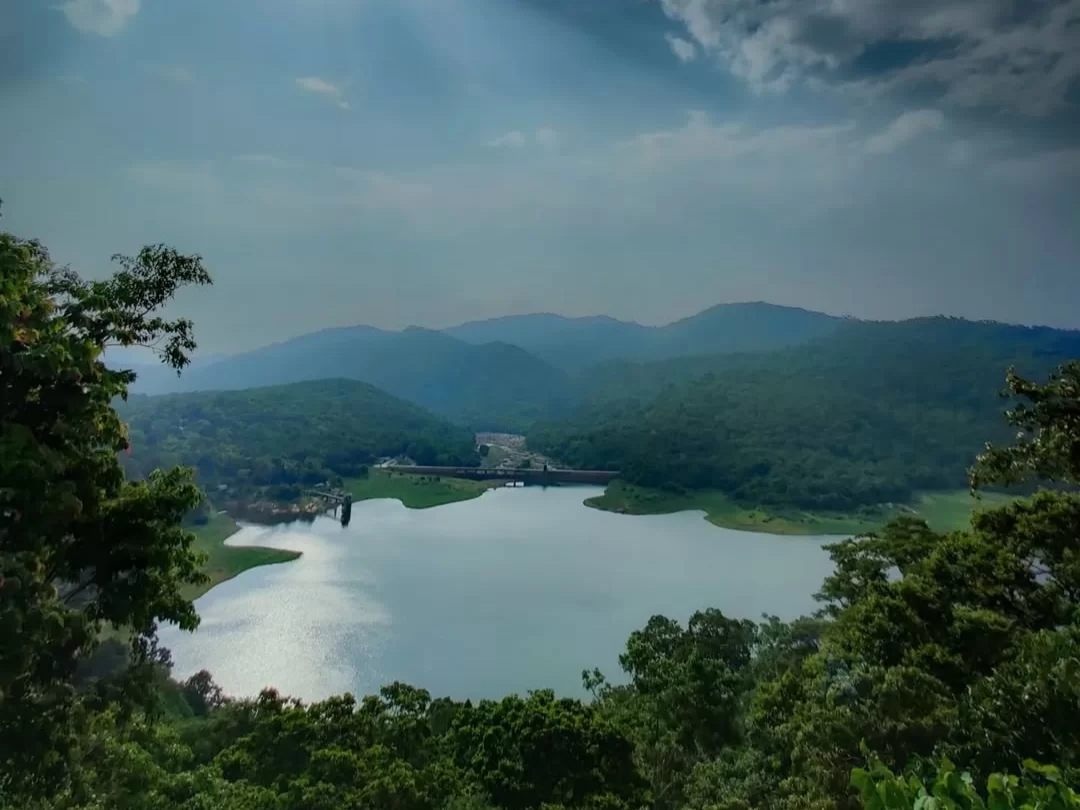
Peringalkuthu Dam is a scenic and engineering-focused attraction in Thrissur district, appealing to visitors interested in landscapes shaped by rivers, forests, and hydel infrastructure. Set along the Chalakudy River, the dam offers expansive views of water reservoirs and surrounding hills, making it a rewarding stop for travellers exploring the forested regions of central Kerala.
Atmosphere
The atmosphere is open, breezy, and quietly impressive, defined by wide water stretches, surrounding greenery, and the steady flow of the river. The area feels calm and uncluttered, especially outside peak hours, allowing visitors to enjoy the scale of the dam and the natural setting without rush. Early mornings and late afternoons provide softer light and a more relaxed experience.
What Makes it Special
What makes Peringalkuthu Dam special is its integration into Kerala’s hydroelectric network while remaining closely connected to the forested Western Ghats landscape. Located near other major water projects and waterfalls in the Chalakudy basin, the dam highlights how power generation and natural scenery coexist in this region. Its location within a less-crowded zone adds to its appeal as a peaceful and visually engaging destination.
History of Peringalkuthu Dam Thrissur
Peringalkuthu Dam is located on the Chalakudy River in Thrissur district, Kerala, within the Western Ghats region. The dam was constructed in the mid-20th century as part of Kerala’s early hydroelectric development initiatives, aimed at harnessing the river’s flow for power generation to support the state’s growing energy needs.
The project was undertaken in a forested and hilly landscape that had long been shaped by natural river systems and monsoon-driven hydrology. The creation of the dam and its reservoir marked a significant phase in the transformation of the Chalakudy River basin, introducing controlled water storage and regulated release into a previously free-flowing stretch of the river.
Over time, Peringalkuthu Dam became an important component of Kerala’s hydroelectric infrastructure while also influencing settlement patterns and access routes in the surrounding highland areas. Today, it stands as a historical marker of post-independence development in central Kerala, reflecting the balance between energy generation and the management of ecologically sensitive Western Ghats landscapes.
Best Time to Visit – Peringalkuthu Dam Thrissur
The best time to visit Peringalkuthu Dam in Thrissur district, Kerala, is from October to March, when the weather is pleasant and access roads through the forested Chalakudy River basin are comfortable for travel. During these months, temperatures are moderate, visibility is clear, and the surrounding Western Ghats landscape looks scenic and calm.
- October–November: Post-monsoon season with fresh greenery and good water levels—ideal for scenic views.
- December–February: Coolest and most comfortable period—best for relaxed sightseeing and photography.
- March: Still suitable, though daytime temperatures begin to rise—morning visits are recommended.
- April–May (Summer): Hot and humid; early morning visits are more comfortable.
- June–September (Monsoon): Heavy rainfall with very high water levels; access may be restricted and viewing is mainly from designated points.
Best time of day: 8:00 AM to 11:00 AM is ideal for visiting Peringalkuthu Dam, offering cooler temperatures, clearer views, and a quieter atmosphere before midday heat builds up.
- Nature tip: Winter months provide the best balance between comfortable weather and scenic surroundings.
- Photography tip: Morning light highlights the reservoir, dam structure, and surrounding forested hills.
- Safety note: Stay within permitted viewpoints and follow instructions from local authorities, especially during high-water periods.
How to Reach Peringalkuthu Dam Thrissur
Peringalkuthu Dam is located in Thrissur district, Kerala, on the Chalakudy River, close to the Athirappilly–Vazhachal forest region. Surrounded by dense greenery, the dam is accessed through forest roads regulated by the Kerala State Electricity Board and Forest Department.
- By Air (Nearest airport): The nearest airport is Cochin International Airport, approximately 55–60 km away. From the airport, hire a taxi or app-based cab to Chalakudy and continue toward Athirappilly–Vazhachal to reach Peringalkuthu.
- By Train (Nearest railway station): Chalakudy Railway Station is the closest major railhead, around 35 km from the dam. From Chalakudy, travel by taxi or bus toward Athirappilly and onward to Peringalkuthu.
- By Road (Primary access): Peringalkuthu Dam is accessed via the Chalakudy–Athirappilly–Vazhachal route. KSRTC and private buses operate up to Athirappilly/Vazhachal; beyond this, taxis or authorized vehicles are required.
- Taxi / Private Cab: Hiring a taxi from Chalakudy, Thrissur, or Kochi is the most convenient option. Drivers familiar with the forest route can take you directly to the dam area, subject to access permissions.
- Self-drive: Self-driving is allowed only up to permitted points. The route passes through forest roads with check-posts, sharp bends, and wildlife movement zones—drive slowly and follow posted instructions.
- Forest check-post access: Entry toward Peringalkuthu is regulated. Visitors may be required to register at forest check-posts, and access can be time-restricted depending on weather and wildlife conditions.
- Travel tips (EEAT): Visit during daylight hours for safety. Avoid late evening travel through forest stretches, do not step into restricted zones near the dam, and follow all instructions issued by forest and dam authorities.
What to Expect When You Visit Peringalkuthu Dam Thrissur
Peringalkuthu Dam is a scenic hydroelectric dam located in the forested hills of Thrissur district, Kerala, along the Chalakudy River. The visit offers a calm, nature-oriented experience focused on expansive reservoir views, surrounding Western Ghats greenery, and quiet observation rather than recreational activities or prolonged exploration.
- Large reservoir and hill views: expect wide vistas of still water framed by forested slopes, especially striking during post-monsoon months.
- Forest-rich surroundings: the dam lies close to dense forest areas, giving the visit a remote and tranquil feel.
- Regulated access and safety norms: entry and movement are controlled, with designated viewing areas and restrictions near the dam structure.
- Seasonal visual variation: water levels and scenery change with the monsoon cycle, influencing the overall landscape experience.
- Quiet and low-crowd atmosphere: compared to major tourist spots, the area is generally peaceful and uncrowded.
- Minimal visitor facilities: amenities are basic, so carrying water and essentials is advisable.
- Photography-friendly viewpoints: reflections on the reservoir and surrounding hills make it suitable for landscape photography.
- Weather-dependent comfort: mist, humidity, and occasional rain are common—light rain protection can be useful.
- Not an activity-based stop: swimming, boating, or adventure activities are not part of the experience.
- Often paired with nearby waterfalls: the dam visit is commonly combined with Athirappilly and Vazhachal waterfalls on the same route.
Tip for a smoother visit: plan the stop during daylight hours, follow all safety instructions, and treat Peringalkuthu Dam as a scenic and reflective pause rather than a long sightseeing destination.
Important Visitor Information – Peringalkuthu Dam, Thrissur
- Crowd & Weather Notes: Peringalkuthu Dam generally sees light to moderate crowds, with increased visitors during weekends and peak tourist season (October to March). The area lies in the Western Ghats region, experiencing humid weather; monsoon months (June to September) bring heavy rainfall, mist, and strong winds, while winters are pleasant.
- Peak / Quiet Hours: Peak hours are late morning to afternoon when visitors arrive from nearby towns. Early morning on weekdays is quieter and offers a more peaceful experience with cooler temperatures.
- Dress Code: No formal dress code applies. Wear comfortable clothing suitable for outdoor conditions and sturdy footwear, as paths around the dam and viewpoints can be uneven.
- Safety Notes: Follow local authority guidelines and avoid restricted zones around the dam structure. Be cautious near water edges and during monsoon when water levels and currents can rise. Supervise children closely and watch for slippery surfaces after rain.
Photography and Viewpoint – Peringalkuthu Dam Thrissur
Peringalkuthu Dam, located on the Chalakudy River in Thrissur district, Kerala, is a scenic hydroelectric dam set amid forested hills of the Western Ghats. Surrounded by reservoirs, rolling terrain, and dense greenery, the area offers calm, expansive viewpoints ideal for landscape and nature photography. Visual storytelling here highlights water–land contrasts, elevated vistas, and the serene character of a regulated river system.
- Best light for photography: Early morning provides soft light, misty conditions, and smooth water surfaces, while late afternoon adds warm tones and depth to hills and shoreline.
- Reservoir viewpoint compositions: Photograph from designated viewpoints to frame the reservoir curving through forested slopes for wide, balanced landscapes.
- Dam-structure perspectives: Capture portions of the dam wall, spillway, and surrounding terrain to document scale and engineering within a natural setting.
- Wide vs. telephoto strategy: Wide lenses work best for expansive water-and-hill scenes, while telephoto lenses isolate shoreline patterns, trees, and distant ridgelines.
- Foreground framing ideas: Use rocks, guardrails, vegetation, or pathways as foreground elements to add depth to wide compositions.
- Seasonal atmosphere photography: Post-monsoon months enhance greenery and water levels, while drier periods offer clearer skies and calmer reflections.
- Mobile photography tips: Keep horizons level using gridlines, expose for mid-tones on water, and stabilize shots in breezy conditions.
- Crowd & timing awareness: The area is generally quiet—weekday mornings provide the cleanest frames and most peaceful ambience.
- Safety considerations: Stay within permitted viewpoints, avoid dam edges and steep slopes, and follow local authority instructions.
- Responsible photography etiquette: Respect restricted zones, avoid disturbing vegetation, and maintain the site’s clean, natural environment.