Quick Facts About Parasurama Swami Temple
Parasurama Swami Temple, Thiruvallam, Kerala Quick Facts
| Entry Fee | No entry fee; charges apply for specific poojas and rituals |
| Timings | Generally 5:00 AM–12:00 PM and 5:00 PM–8:00 PM; timings may vary on festival days |
| Altitude (m) | Approximately 8 m above sea level |
| Ideal Visit Duration | 45 minutes–1.5 hours |
| Best Time of Day | Early morning for temple rituals and a peaceful atmosphere |
| Crowd Level | Low to moderate; higher during Amavasya, Karkidakam, and temple festivals |
| Distance from City Centre (km) | Approximately 6 km from Thiruvananthapuram city centre |
| Walking Difficulty | Easy |
| Parking Available | Yes, limited parking available near the temple |
| Last Mile Access | Direct road access to the temple entrance |
| Suitable for Kids | Yes |
| Suitable for Seniors | Yes |
| Wheelchair Friendly | Partially accessible; some areas may have steps and uneven surfaces |
Why Visit Parasurama Swami Temple, Thiruvallam, Kerala
Visitors come to Parasurama Swami Temple in Thiruvallam to worship Lord Parasurama, a rare deity in Hindu temple tradition. The temple is also well known for ancestral rites (bali and tarpanam), drawing devotees who perform these rituals on the banks of the nearby Karamana River.
The on-ground atmosphere is peaceful and devotional, with priests conducting daily worship alongside families participating in traditional rituals. The riverside setting and relatively quiet surroundings create a reflective environment compared to Kerala's larger pilgrimage centers.
What makes Parasurama Swami Temple distinct is its dedication to Lord Parasurama, an uncommon feature among Indian temples, combined with its longstanding association with ancestral ceremonies. Its blend of spiritual significance, riverside location, and traditional Kerala temple architecture offers a meaningful experience for pilgrims and cultural travelers.
History of Parasurama Swami Temple, Thiruvallam, Kerala
Parasurama Swami Temple in Thiruvallam is one of the few temples in India dedicated to Lord Parasurama, the sixth incarnation of Lord Vishnu. The temple has long been associated with Kerala's religious traditions and is an important pilgrimage site near Thiruvananthapuram.
According to Hindu tradition, Lord Parasurama is believed to have reclaimed the land of Kerala from the sea and established temples across the region. The temple's significance is closely linked to this legend, making it a revered place of worship for devotees.
The temple is also known for its ancestral rites (Bali Tarpanam), with many devotees visiting to perform rituals for their departed ancestors on the banks of the Karamana River. This longstanding religious practice continues to define the temple's cultural and spiritual importance.
Best Time to Visit Parasurama Swami Temple, Thiruvallam, Kerala
Parasurama Swami Temple in Thiruvallam is open throughout the year, but the cooler and relatively drier months provide the most comfortable conditions for darshan, rituals, and visiting the nearby banks of the Karamana River.
- Ideal Months: November to February is the most suitable period for visiting the temple and exploring nearby attractions in Thiruvananthapuram.
- Weather Conditions: These months generally offer warm yet comfortable weather with lower humidity, making temple visits and outdoor movement more pleasant.
- Periods to Avoid: June to September can bring heavy monsoon rainfall, which may affect travel and outdoor activities around the temple. Visitors during important ritual days should expect higher pilgrim footfall and longer waiting times.
How to Reach Parasurama Swami Temple, Thiruvallam
- By Air: Thiruvananthapuram International Airport is the nearest airport, located about 8 km from Parasurama Swami Temple. The airport has regular domestic and international flights, and taxis, app-based cabs, and auto-rickshaws provide convenient access to the temple.
- By Train: Thiruvananthapuram Central Railway Station is the nearest major railway station, approximately 7 km away. It is well connected to major cities across India. Taxis, auto-rickshaws, and local buses are readily available for the onward journey to Thiruvallam.
- By Road: The temple is located in Thiruvallam along the Kovalam–Thiruvananthapuram road (NH 66), making it easily accessible by car, taxi, and Kerala State Road Transport Corporation (KSRTC) buses. Local buses frequently stop near the temple entrance. Roads remain accessible throughout the year, though traffic can be heavier during weekends, holidays, and special temple rituals.
What to Expect When You Visit Parasurama Swami Temple, Thiruvallam, Kerala
- Parasurama Swami Temple is situated in Thiruvallam on the outskirts of Thiruvananthapuram, near the banks of the Karamana River, offering a peaceful setting away from the city's busiest areas.
- The temple is an active Hindu place of worship dedicated to Lord Parasurama and is also known for ancestral rites (bali and shraddham), so visitors should expect religious ceremonies to be a regular part of the temple environment.
- Basic amenities such as footwear storage, drinking water, and small shops selling flowers and ???? items are available near the entrance. Dining and other visitor services are primarily found in the surrounding locality.
- The temple is easily accessible by road from central Thiruvananthapuram, with private vehicles, taxis, and local buses serving the area. Visitors should be prepared for short walks within the temple grounds.
- Crowds are generally moderate on regular days but increase during Amavasya, Mahalaya Paksha, and other occasions associated with ancestral rituals. Devotees visiting for ceremonies may spend longer at the temple than sightseeing visitors.
- Photography restrictions may apply within the temple premises, and visitors are expected to follow the prescribed dress code, remove footwear before entering, and observe temple customs during worship.
- The experience is centered on spirituality rather than tourism, with limited interpretive signage and modest infrastructure, making it suitable for visitors seeking a traditional Kerala temple atmosphere.
Important Visitor Information for Parasurama Swami Temple, Thiruvallam, Kerala
- The temple receives its highest number of devotees during Karkidaka Vavu and other ancestral ritual days, while regular weekday mornings are generally quieter for darshan.
- Early morning and evening hours provide a more peaceful atmosphere, whereas ritual periods for bali and pitru tarpanam can see increased pilgrim activity.
- Modest traditional attire is expected within the temple premises. Visitors should dress respectfully and follow any dress regulations applicable on the day of their visit.
- Footwear must be removed before entering the temple complex, and visitors should maintain silence and respect ongoing religious ceremonies, especially during ancestral rites.
- The temple is located near the confluence of the Karamana River and Parvathy Puthanar canal. Visitors performing rituals near the water should exercise caution on wet steps and slippery surfaces.
- During Karkidaka Vavu and other significant ritual occasions, queues may be considerably longer, so arriving early helps avoid extended waiting times.
Photography and Viewpoints at Parasurama Swami Temple, Thiruvallam, Kerala
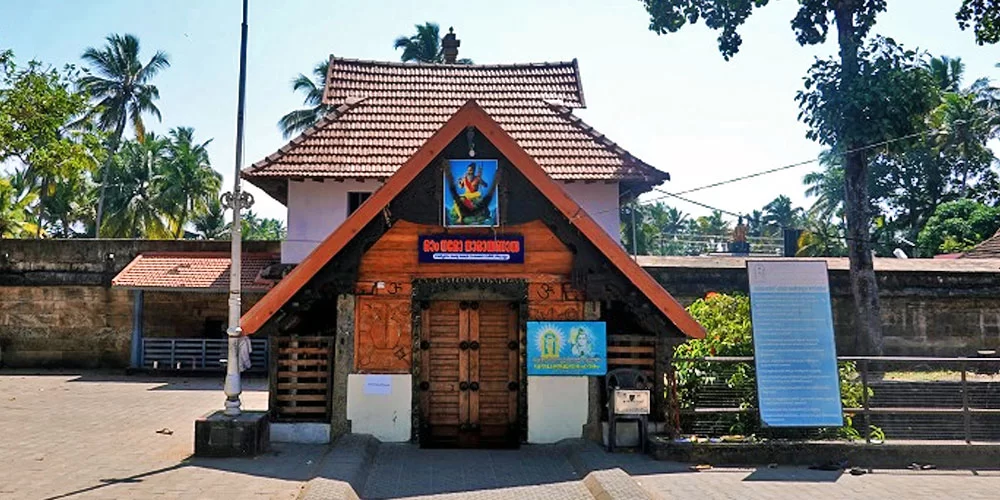
- The temple entrance and outer courtyard offer the best perspectives of the traditional Kerala-style architecture, including the sloping tiled roofs, wooden structures, and temple gateway.
- Views from the banks of the nearby Karamana River provide a peaceful setting to photograph the temple surroundings, especially where the river and lush greenery frame the complex.
- Morning light creates soft illumination across the temple buildings and riverside landscape, while late afternoon brings warmer tones to the wooden and laterite structures without harsh contrasts.
- Photography is generally permitted in the outer premises, but photography inside the sanctum and certain worship areas is typically restricted. Visitors should follow temple regulations and instructions from the staff.
- The temple becomes noticeably busier during Karkidaka Vavu Bali and other important ritual days, when pilgrims gathering for ancestral rites can limit access to the courtyard and riverfront viewpoints.
- Stone pathways around the temple and the riverbank remain accessible throughout the day, although extra caution is needed during the monsoon when surfaces may become slippery.
- The riverside setting offers natural backdrops throughout the year, but unobstructed compositions are easiest outside peak ritual hours when fewer devotees are present near the ghats.