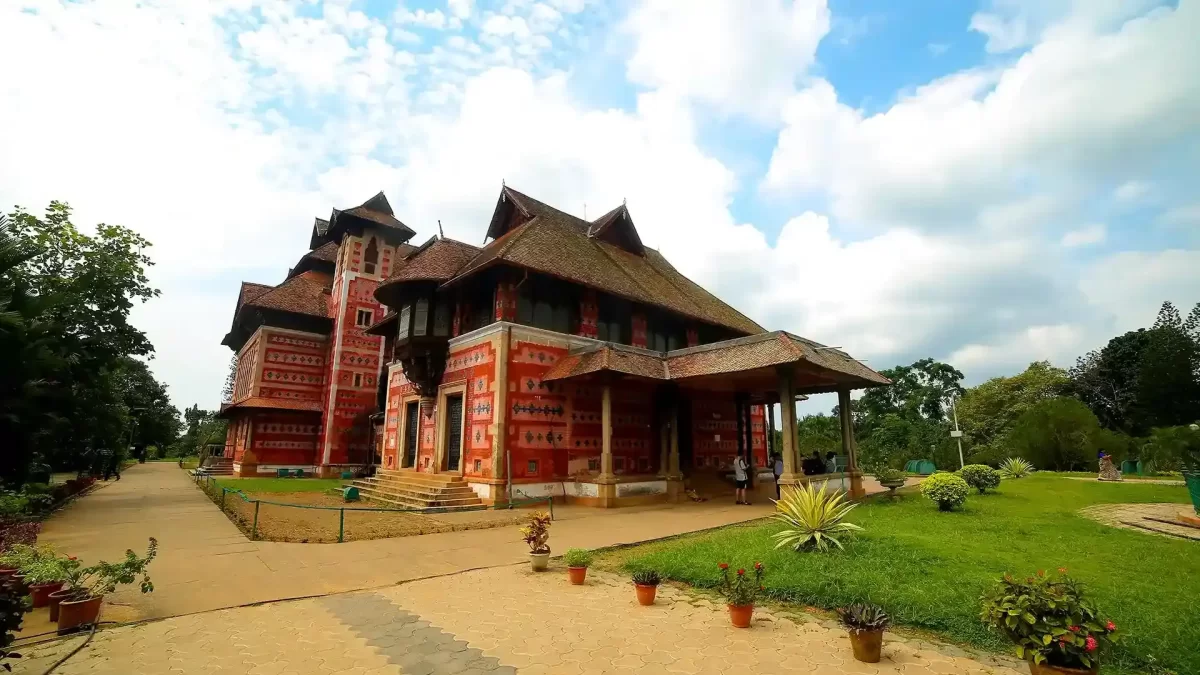
Napier Museum, Thiruvananthapuram, Kerala, India

Napier Museum , Thiruvananthapuram
Visitors come to explore exhibits featuring bronze idols, temple carvings, traditional ornaments, ancient coins, and historical artifacts from Kerala and South India. The museum is also recognized for its 19th-century Indo-Saracenic architecture and landscaped grounds.

Quick Facts About Napier Museum

Napier Museum, Thiruvananthapuram, Kerala Quick Facts

Entry Fee Paid entry; separate tickets are applicable for Indian and foreign visitors. Additional charges apply for cameras where applicable.
Timings 10:00 AM–5:00 PM; closed on Mondays, Wednesday forenoon, and public holidays as notified
Altitude (m) Approximately 24 m above sea level
Ideal Visit Duration 2–3 hours
Best Time of Day Morning, soon after opening
Crowd Level Moderate; higher on weekends, school holidays, and peak tourist season
Distance from City Centre (km) Approximately 3 km from Thiruvananthapuram city centre
Walking Difficulty Easy
Parking Available Yes, limited parking is available within the museum complex
Last Mile Access Direct road access with a short walk from the parking area or nearby bus stop
Suitable for Kids Yes
Suitable for Seniors Yes
Wheelchair Friendly Partially; the museum campus is accessible, but some heritage building sections may have limited accessibility

Why Visit Napier Museum, Thiruvananthapuram, Kerala

Visitors come to Napier Museum in Thiruvananthapuram to explore Kerala's history through its collections of bronze idols, temple carvings, traditional ornaments, ivory artifacts, and cultural exhibits. It is a popular stop for those interested in the region's art, archaeology, and heritage.

The on-ground atmosphere is calm and educational, with well-organized galleries housed inside a distinctive Indo-Saracenic building surrounded by landscaped gardens. Visitors can move through the exhibits at a comfortable pace while appreciating both the architecture and the museum collections.

What makes Napier Museum distinct is the combination of its historic architecture and its extensive display of Kerala's artistic and cultural heritage. Its central location within the museum complex, alongside other cultural institutions, makes it a rewarding destination for travelers seeking a deeper understanding of the state's traditions.

History of Napier Museum, Thiruvananthapuram, Kerala

Napier Museum in Thiruvananthapuram was established in 1855 as the principal museum of the former Kingdom of Travancore. The present museum building, completed in 1880, was designed by British architect Robert Fellowes Chisholm and named after Lord Francis Napier, the Governor of Madras.

The museum is renowned for its distinctive Indo-Saracenic architecture, which blends Kerala, Mughal, Chinese, and Gothic design elements. Its galleries house collections of bronze idols, temple chariots, ancient ornaments, ivory carvings, stone sculptures, and historical artifacts representing Kerala's artistic and cultural heritage.

Over the years, Napier Museum has become one of Kerala's most important museums, preserving the region's history while offering visitors insight into the art, archaeology, and traditions of southern India.

Best Time to Visit Napier Museum, Thiruvananthapuram, Kerala

Napier Museum can be visited year-round as its galleries are indoors, but the cooler and relatively drier months provide the most comfortable conditions for exploring the museum grounds, nearby zoo, and other attractions within the cultural complex.
  • Ideal Months: November to February is the best time to visit, offering pleasant weather for combining the museum with nearby sightseeing.
  • Weather Conditions: These months generally feature warm, comfortable days with comparatively lower humidity, making it easier to enjoy both the museum interiors and the surrounding landscaped campus.
  • Periods to Avoid: June to September often experiences heavy monsoon rainfall, which may affect outdoor exploration of the museum grounds, although the indoor exhibits remain accessible throughout the year.

How to Reach Napier Museum, Thiruvananthapuram

  • By Air: Thiruvananthapuram International Airport is the nearest airport, located about 6–8 km from Napier Museum. The airport is well connected to major domestic and international destinations. Taxis, app-based cabs, and auto-rickshaws provide convenient access to the museum.
  • By Train: Thiruvananthapuram Central Railway Station is the nearest major railway station, approximately 2–3 km away. It offers excellent rail connectivity with major Indian cities. Visitors can reach the museum within 10–15 minutes by taxi, auto-rickshaw, or city bus.
  • By Road: Napier Museum is situated on LMS Vellayambalam Road in central Thiruvananthapuram, near the Thiruvananthapuram Zoo and Kanakakunnu Palace. It is easily accessible by KSRTC buses, private buses, taxis, and auto-rickshaws from all parts of the city. Parking is available within the museum complex but may be limited during weekends, holidays, and peak tourist seasons.

What to Expect When You Visit Napier Museum, Thiruvananthapuram, Kerala

  • Napier Museum is set within a well-maintained heritage campus featuring landscaped gardens, mature trees, and historic buildings, providing a quieter environment despite its central location in Thiruvananthapuram.
  • The museum houses collections of bronze idols, temple chariots, stone sculptures, ivory carvings, traditional ornaments, and historical artifacts that showcase Kerala's art, culture, and history through organized galleries.
  • Visitor facilities include ticket counters, restrooms, seating areas, drinking water, and parking. Additional amenities such as food outlets and shops are available in the surrounding city area rather than inside the museum.
  • The museum is easily accessible by road, with taxis, buses, and auto-rickshaws connecting it to different parts of Thiruvananthapuram. Visitors should expect to walk through multiple galleries and the spacious museum grounds.
  • Crowds are generally moderate, with higher visitor numbers during weekends, public holidays, and school vacations. School groups and educational tours are common during the academic year.
  • Photography policies may vary between indoor galleries and outdoor spaces. Visitors should follow museum guidelines regarding photography, handling of exhibits, and restricted areas.
  • The visit involves several hours of walking and reading exhibit information. Some galleries may occasionally be closed for maintenance or conservation work, so not every section is always accessible.

Important Visitor Information for Napier Museum, Thiruvananthapuram, Kerala

  • The museum is busiest on weekends, public holidays, and during the peak tourist season from October to February, while weekday mornings generally offer a quieter experience.
  • Visiting soon after opening hours allows more time to explore the galleries before larger tour groups arrive, whereas afternoons tend to see increased visitor numbers.
  • There is no formal dress code, but comfortable and modest clothing is recommended for walking through the museum galleries and surrounding landscaped grounds.
  • Photography policies may vary between galleries, so visitors should follow museum signage and staff instructions regarding photography and restricted exhibition areas.
  • Visitors should avoid touching exhibits and maintain a respectful distance from displayed artifacts to help preserve the museum's historic collections.
  • The museum grounds and pathways may become slippery during the monsoon season, so extra care is advised when walking through the outdoor gardens.

Important Visitor Information for Napier Museum, Thiruvananthapuram, Kerala

  • The museum is busiest on weekends, public holidays, and during the peak tourist season from October to February, while weekday mornings generally offer a quieter experience.
  • Visiting soon after opening hours allows more time to explore the galleries before larger tour groups arrive, whereas afternoons tend to see increased visitor numbers.
  • There is no formal dress code, but comfortable and modest clothing is recommended for walking through the museum galleries and surrounding landscaped grounds.
  • Photography policies may vary between galleries, so visitors should follow museum signage and staff instructions regarding photography and restricted exhibition areas.
  • Visitors should avoid touching exhibits and maintain a respectful distance from displayed artifacts to help preserve the museum's historic collections.
  • The museum grounds and pathways may become slippery during the monsoon season, so extra care is advised when walking through the outdoor gardens.

Near By Attraction

Hawa Beach in Kovalam, scenic Arabian Sea coastline with golden sands and panoramic ocean views. Beach

Hawah Beach

Hawah Beach is a coastal beach located in Kovalam near Thiruvananthapuram, Kerala, along the Arabian Sea.
Sri Chitra Art Gallery Art Gallery

Sri Chitra Art Gallery

Sree Chitra Art Gallery is an art museum in Thiruvananthapuram that houses paintings and artworks from Indian and international artists.

Thiruvananthapuram Zoo National Park

Thiruvananthapuram Zoo

Thiruvananthapuram Zoo is one of the oldest zoological parks in India, located in the capital city of Kerala.

Frequently Asked Questions About Napier Museum

Napier Museum is famous for its Indo Saracenic architecture bronze idols temple carvings traditional ornaments ancient coins and historical collections representing the art culture and heritage of Kerala and South India.
Napier Museum is located in Thiruvananthapuram Kerala near the zoo and Sri Chitra Art Gallery.
The museum usually opens from 1000 AM to 500 PM and remains closed on Mondays and notified holidays.
Entry tickets are required and separate charges apply for Indian and foreign visitors with additional camera fees where applicable.
Most visitors spend around two to three hours exploring the galleries and museum campus.
November to February offers pleasant weather for visiting the museum and nearby attractions.
Yes the museum is suitable for children interested in history culture and heritage.
Yes the museum is suitable for seniors though some heritage sections may have limited accessibility.
Yes limited parking is available within the museum complex.
Photography rules vary between galleries so visitors should follow museum guidelines.
The museum is easily accessible by taxi auto rickshaw bus and is close to Thiruvananthapuram railway station and airport.
Comfortable and modest clothing is recommended especially for walking around the museum campus.
Nearby attractions include Thiruvananthapuram Zoo Sree Chitra Art Gallery and Sree Padmanabhaswamy Temple.
The museum is partially wheelchair accessible although some heritage sections have limited access.
Visitors can explore bronze idols stone sculptures ivory carvings temple artifacts ancient ornaments and historical collections.

Loved this place ? Let’s Plan Your Kerala Trip

Get customized Kerala tour planning designed around monsoon seasons, backwater cruising routes, hill travel timing, and comfortable coastal stays. Whether you are visiting for houseboat experiences, beach relaxation, wildlife reserves, cultural heritage,

⚑ Quick Response | πŸ’° Free consultation | πŸ•’ 24Γ—7 expert support

×

Plan Your Trip