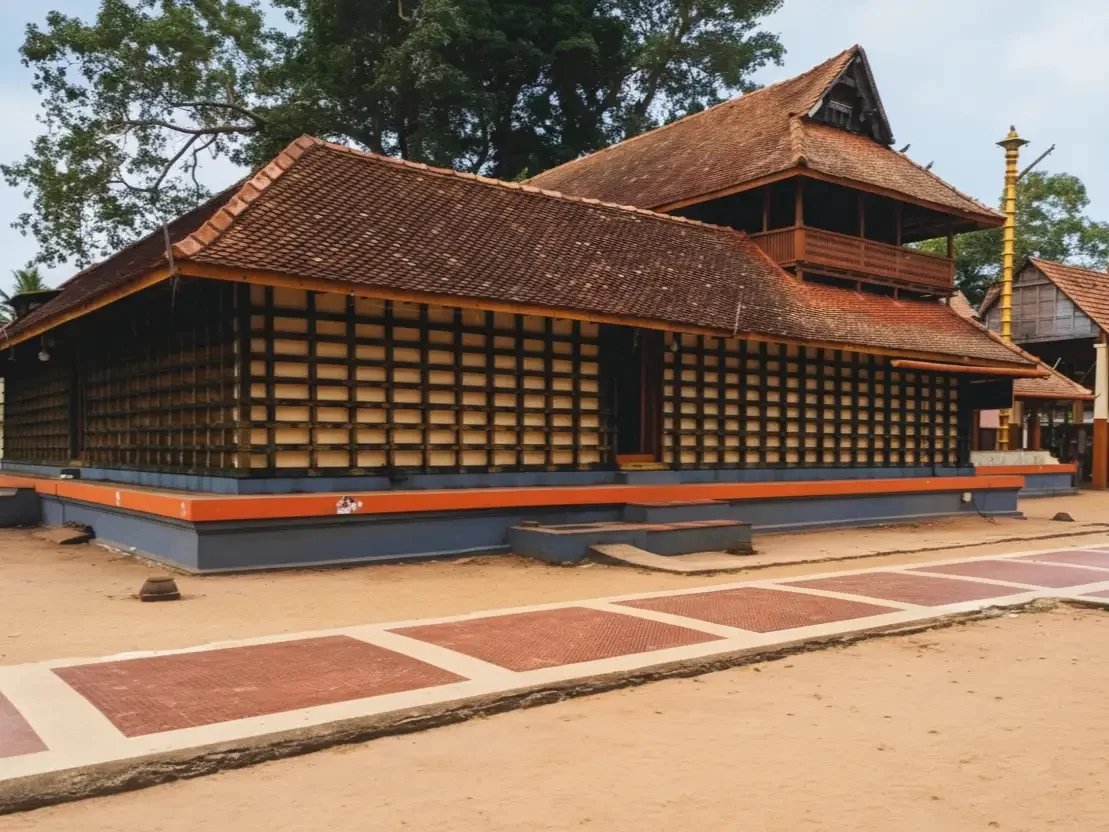
Quick Facts About Mullakkal Rajarajeswari Temple
| Entry Fee |
Free |
| Timings |
04:00 - 11:00 |
| Altitude (m) |
5 |
| Ideal Visit Duration (hrs) |
1 |
| Best Time of Day |
Morning |
| Crowd Level |
Moderate |
| Distance from Alappuzha (km) |
0 |
| Walking Difficulty |
Easy |
| Parking Available |
No |
| Last Mile Access |
Road |
| Suitable for Kids |
Yes |
| Suitable for Seniors |
Yes |
| Wheelchair Friendly |
No |
Why Visit Mullakkal Rajarajeswari Temple Alappuzha
Why Visit
Mullakkal Rajarajeswari Temple is one of the most important spiritual landmarks in Alappuzha, deeply connected to the town’s cultural and religious life. Dedicated to Goddess Rajarajeswari (a revered form of Durga), the temple attracts devotees seeking blessings for prosperity, protection, and well-being, while also offering visitors a meaningful glimpse into Kerala’s living temple traditions.
Atmosphere
The atmosphere is devotional, orderly, and rooted in local daily life. Located close to the heart of Alappuzha, the temple remains calm within its premises despite the surrounding urban activity. The sound of temple bells, traditional lamps, and prayer chants creates a serene environment, especially during morning and evening worship hours.
What Makes it Special
What makes Mullakkal Rajarajeswari Temple special is its strong association with Alappuzha’s major festivals, particularly the Mullakkal Chirappu celebrations linked with the region’s cultural calendar. The temple follows traditional Kerala temple architecture and rituals, serving as a focal point for community worship. Its central location and active religious role make it not just a place of prayer, but a living symbol of the town’s spiritual identity.
History of Mullakkal Rajarajeswari Temple Alappuzha
Mullakkal Rajarajeswari Temple is located in Alappuzha town, Alappuzha district, Kerala, and is one of the most prominent temple institutions in the region. The temple is dedicated to Goddess Rajarajeswari, a revered form of Devi associated with protection and prosperity, and has long functioned as a central place of worship for the town and surrounding areas.
The exact date of the temple’s original establishment is not clearly documented. Data not officially verified. However, historical references and local records indicate that the shrine existed well before Alappuzha developed into a major port town under the Travancore kingdom, suggesting its role as a pre-urban religious center around which later settlement expanded.
Over time, the temple grew in prominence alongside the rise of Alappuzha as a commercial and administrative hub. It came under the administration of the Travancore Devaswom Board, ensuring structured management and continuity of ritual practices. Today, Mullakkal Rajarajeswari Temple remains deeply integrated into the historical and social fabric of Alappuzha, with its annual festivals and daily worship reflecting centuries of uninterrupted devotional tradition.
Best Time to Visit – Mullakkal Rajarajeswari Temple Alappuzha
The best time to visit Mullakkal Rajarajeswari Temple in Alappuzha, Kerala, is from October to March, when the weather is pleasant and suitable for temple visits and darshan. During these months, humidity is relatively lower, making it comfortable to participate in rituals, festivals, and explore the temple surroundings located in the heart of Alappuzha town.
- October–November: Post-monsoon period with comfortable temperatures—ideal for regular darshan and temple visits.
- December–February: Coolest months—best for peaceful worship and attending early morning or evening rituals.
- March: Still suitable, though daytime humidity starts increasing—morning visits are recommended.
- April–May (Summer): Hot and humid; early morning and evening darshan are more comfortable.
- June–September (Monsoon): Heavy rainfall; temple visits are possible, but travel within the town may be affected.
Best time of day: 5:30 AM to 9:00 AM and 5:00 PM to 7:30 PM are ideal for darshan, aligning with traditional pooja timings and offering a calmer spiritual atmosphere.
- Spiritual tip: Morning darshan provides a quieter environment for prayer and ritual participation.
- Festival insight: Navaratri and major temple festivals attract large crowds—plan visits accordingly.
- Dress code note: Modest attire is recommended as per Kerala temple custom.
How to Reach Mullakkal Rajarajeswari Temple Alappuzha
Mullakkal Rajarajeswari Temple is located in the heart of Alappuzha (Alleppey) town, Alappuzha district, Kerala, near the main market area. Due to its central location, the temple is easily accessible by road, rail, and local transport.
- By Air (Nearest airport): The nearest major airport is Cochin International Airport (COK), approximately 85–90 km away. From the airport, hire a taxi or pre-booked cab to Alappuzha town. From the town center, the temple is easily reachable by local transport.
- By Train (Nearest railway station): Alappuzha Railway Station is the closest railhead with good connectivity to major cities in Kerala and South India. From the station, the temple is a short auto-rickshaw or taxi ride away.
- By Road: Alappuzha is well connected by road to Kochi, Kottayam, and nearby towns. KSRTC and private buses operate regularly to Alappuzha Bus Stand, which is located close to the temple area.
- Taxi / Auto-rickshaw: Auto-rickshaws and taxis are readily available throughout Alappuzha. Ask for drop-off at Mullakkal Temple or the Mullakkal market area for direct access.
- Self-drive: Self-driving within Alappuzha town is straightforward. Limited parking is available near the temple, especially during non-festival hours. During major temple festivals, parking restrictions may apply.
- Walking access: If staying in central Alappuzha or near the market area, the temple is comfortably reachable on foot.
- Travel advisory (EEAT): Dress modestly as this is an active place of worship. Entry and darshan timings may vary during festivals such as Mullakkal Chirappu. Visitors should confirm timings locally before planning their visit.
What to Expect When You Visit Mullakkal Rajarajeswari Temple Alappuzha
Mullakkal Rajarajeswari Temple is a prominent Hindu temple in the heart of Alappuzha, dedicated to Goddess Rajarajeswari (a form of Durga). The visit is devotional and community-centered, offering a glimpse into Kerala’s living temple traditions rather than a monument-style or tourist-oriented experience.
- Active place of daily worship: expect a steady flow of devotees throughout the day, with the atmosphere shaped by prayers, offerings, and temple rituals.
- Simple yet traditional temple architecture: the structure reflects Kerala temple design with sloping tiled roofs and an open, functional layout rather than elaborate ornamentation.
- Strong spiritual focus: the visit centers on darshan and personal prayer rather than guided explanations or displays.
- Temple decorum and dress expectations: modest clothing is expected; footwear must be removed before entering designated sacred areas.
- Festival-linked vibrancy: during major festivals, especially Navaratri and local temple celebrations, the temple becomes significantly more crowded and lively.
- Short but meaningful visit: most visitors spend limited time inside, focusing on darshan rather than extended exploration.
- Urban temple setting: located within Alappuzha town, the surroundings are busy, contrasting with the calm interior of the temple.
- Photography restrictions: photography is generally restricted within the temple premises—observe signage and staff guidance.
- Local cultural integration: the temple plays an important role in the religious life of the local community rather than catering primarily to tourists.
- Easily combined with town visits: the temple visit fits naturally into an Alappuzha itinerary alongside markets, canals, and nearby attractions.
Tip for a smoother visit: visit during morning or evening hours for a more serene atmosphere, dress modestly, and be mindful that this is a functioning religious space with strong local significance.
Important Visitor Information – Mullakkal Rajarajeswari Temple, Alappuzha
- Crowd & Weather Notes: The temple experiences regular local footfall, with heavier crowds during festivals such as Navratri and major temple days. Alappuzha’s coastal climate is humid; summers are warm, monsoon months (June to September) bring heavy rain, and winters are relatively comfortable.
- Peak / Quiet Hours: Peak hours are typically during morning and evening pooja times. For a quieter darshan, visit mid-morning or early afternoon on weekdays, avoiding festival days.
- Dress Code: Modest, traditional attire is strongly recommended. Shoulders and knees should be covered. Men may be required to follow customary temple practices as per local norms; footwear must be removed before entry.
- Safety Notes: Follow temple rules and staff instructions, especially during crowded festival periods. Watch your step on smooth or wet floors during monsoon. Keep personal belongings secure and maintain decorum as this is an active place of worship.
Photography and Viewpoint – Mullakkal Rajarajeswari Temple Alappuzha
Mullakkal Rajarajeswari Temple, located in the heart of Alappuzha (Alleppey) town in Alappuzha district, Kerala, is a prominent Hindu temple dedicated to Goddess Rajarajeswari (Durga). Known for its Kerala-style temple architecture, open courtyard, and vibrant festival atmosphere, photography here focuses on documenting traditional design elements, devotional ambience, and cultural practices, while strictly respecting temple customs and restrictions.
- Photography permissions: Photography inside the inner sanctum is generally prohibited—confirm current rules at the entrance and follow temple authorities’ instructions.
- Best light for exterior shots: Early morning and late afternoon provide softer light for capturing the temple façade, courtyard, and surrounding structures.
- Architectural composition ideas: Frame the sloping tiled roofs, wooden elements, and lamp-lined courtyard to highlight classic Kerala temple design.
- Festival & cultural context shots: During major festivals such as Mullakkal Chirappu (annual festival), wide frames of decorations and crowds add cultural depth (festival-specific photography rules:
- Devotional storytelling frames: Capture devotees from a respectful distance—avoid close-ups during active worship or rituals.
- Wide vs. detail photography: Wide lenses suit courtyard and façade views, while detail shots focus on lamps, carvings, bells, and ornamental features where permitted.
- Mobile photography tips: Use gridlines for straight verticals, expose for shaded temple walls, and avoid flash to maintain sanctity.
- Crowd & timing awareness: Visit during non-peak hours to avoid congestion and to maintain calm, unobtrusive photography.
- Dress code & etiquette: Modest attire is expected; photography should never obstruct devotees or ritual pathways.
- Responsible religious-site photography: Respect signage, do not photograph priests or rituals without consent, and prioritize devotion over documentation.
Near By Attraction
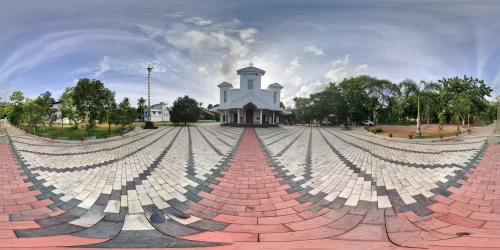 Church
St. James Church Paloothara
St. James Church is a Christian church located in Paloothara, Kerala, serving the local parish community.
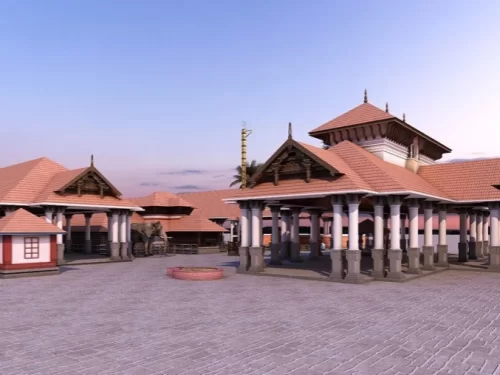 Temple
Chakkulathukavu Sree Bhagavathi Temple
Chakkulathukavu Sree Bhagavathi Temple is a prominent Hindu temple in Alleppey, dedicated to Goddess Bhagavathi, known for its annual festivals.
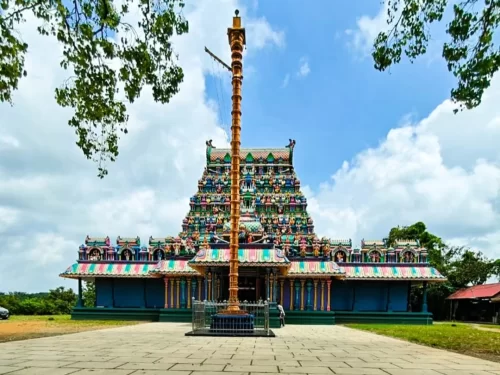 Temple
Sree Subramanya Swami Temple
Sree Subramanya Swami Temple in Perunna is a revered Hindu temple dedicated to Lord Murugan, known for its spiritual significance and annual festivals.