Quick Facts About Mannarasala Sree Nagaraja Temple
| Entry Fee |
Free |
| Timings |
05:00 - 12:00 |
| Altitude (m) |
20 |
| Ideal Visit Duration (hrs) |
1 |
| Best Time of Day |
Morning |
| Crowd Level |
Moderate |
| Distance from Alappuzha (km) |
32 |
| Walking Difficulty |
Easy |
| Parking Available |
Yes |
| Last Mile Access |
Road |
| Suitable for Kids |
Yes |
| Suitable for Seniors |
Yes |
| Wheelchair Friendly |
No |
Why Visit Mannarasala Sree Nagaraja Temple
Why Visit
Mannarasala Sree Nagaraja Temple, located near Haripad in Alappuzha, is one of the most important and ancient temples dedicated to the serpent god, Nagaraja. Visitors come to seek blessings, particularly for healing and fertility, and to experience the unique rituals associated with snake worship in Kerala. The temple is also known for its serene forested surroundings and sacred atmosphere.
Atmosphere
The atmosphere is tranquil, deeply spiritual, and naturally enriching, surrounded by a lush, green forest environment. The temple’s location within a forested area adds to its sense of isolation and reverence, making it ideal for quiet reflection. Visitors often feel a connection to the ancient traditions of serpent worship, enhanced by the temple's peaceful surroundings and the soft sound of nature.
What Makes it Special
What makes Mannarasala Sree Nagaraja Temple special is its association with ancient rituals dedicated to Nagaraja, the snake god, and its role as an important pilgrimage site for devotees seeking blessings for fertility, family well-being, and prosperity. The temple is famous for its 30,000+ images of snakes, which are intricately placed throughout the temple grounds, making it a unique and significant religious site in Kerala.
History of Mannarasala Sree Nagaraja Temple
Mannarasala Sree Nagaraja Temple is located in Haripad, Alappuzha district, Kerala, and is one of the most important temples dedicated to Nagaraja (serpent god) in the region. The temple is believed to have been established over a thousand years ago and is a significant site for those seeking blessings related to serpent worship and ancestral rites.
The temple is set in a lush, forested area, and is renowned for its unique and peaceful ambiance. The deity, Nagaraja, is worshipped here with rituals and ceremonies that reflect the ancient traditions of snake worship, which have been an integral part of Kerala’s cultural and religious practices. The temple complex is lined with numerous images of snakes, which are central to the temple's iconography.
Mannarasala Temple is particularly famous for the annual Mannarasala Ayilyam festival, during which the temple sees a large number of devotees, especially those seeking relief from the effects of serpent-related doshas (flaws) in their horoscopes. The temple is an important center for devotees seeking spiritual guidance and a connection to their ancestral roots, reflecting the long-standing cultural practices of Kerala’s serpent worship tradition.
Best Time to Visit – Mannarasala Sree Nagaraja Temple
The best time to visit Mannarasala Sree Nagaraja Temple in Haripad, Alappuzha, Kerala, is from October to March, when the weather is cooler and more comfortable for temple visits and rituals. This period offers a pleasant climate, lower humidity, and clearer skies, making it ideal for exploring the temple’s sacred grounds, observing the serpent deity worship, and experiencing the spiritual atmosphere.
- October–November: Post-monsoon freshness with lush surroundings—ideal for temple visits and rituals in a tranquil environment.
- December–February: Coolest months—best for early morning and evening darshan, with peaceful surroundings.
- March: Still suitable, though daytime temperatures begin to rise—morning visits are recommended for a more serene experience.
- April–May (Summer): Hot and humid; early morning and late evening visits are more comfortable for both visitors and temple rituals.
- June–September (Monsoon): Heavy rainfall; while the temple remains open, movement around the grounds may be affected by waterlogging.
Best time of day: 5:30 AM to 9:00 AM and 4:00 PM to 7:00 PM are ideal for darshan, aligning with major pooja timings and offering a calm, spiritual experience.
- Spiritual tip: Early morning darshan allows you to witness the temple in its quietest and most peaceful state.
- Festival insight: The temple celebrates the annual Mannarasala Ayilyam festival in the Malayalam month of Medam (April–May), which draws large crowds—plan your visit accordingly.
- Dress code note: Modest attire is recommended as per the temple customs.
How to Reach Mannarasala Sree Nagaraja Temple
Mannarasala Sree Nagaraja Temple is located in Harippad, Alappuzha district, Kerala. The temple is dedicated to the serpent god, Nagaraja, and is one of the most important pilgrimage sites for followers of the serpent cult in Kerala.
- By Air (Nearest airport): The nearest airport is Cochin International Airport, approximately 80 km away. From the airport, hire a taxi or app-based cab to Harippad, which takes around 1.5 to 2 hours depending on traffic.
- By Train (Nearest railway station): Harippad Railway Station is the closest railhead, located about 2 km from the temple. From the station, take a taxi or auto-rickshaw to reach the temple.
- By Road: Harippad is well connected by road to Alappuzha, Kottayam, and nearby towns. KSRTC and private buses operate regularly to Harippad Bus Stand, which is a short distance from the temple. From the bus stand, local transport can take you to the temple.
- Taxi / Auto-rickshaw: Taxis and auto-rickshaws are easily available from Alappuzha and nearby areas. Ask for drop-off at Mannarasala Sree Nagaraja Temple or the nearby Harippad junction.
- Self-drive: Self-driving is possible via state highways. Parking is available near the temple, although it may be crowded during festivals and peak visiting hours.
- Walking access: Visitors staying in Harippad or nearby areas can easily walk to the temple from local hotels or bus stops.
- Travel tips (EEAT): Early morning visits are ideal for a peaceful experience. The temple is significant for its rituals related to the serpent gods, so dress modestly and respect the customs and traditions followed by devotees.
What to Expect When You Visit Mannarasala Sree Nagaraja Temple
Mannarasala Sree Nagaraja Temple, located near Harippad in Alappuzha district, Kerala, is one of the most significant serpent worship temples in the region. Dedicated to Lord Nagaraja, the temple is deeply tied to local traditions, spiritual beliefs, and the worship of snakes, making it an important pilgrimage site for devotees seeking blessings for fertility, health, and prosperity.
- Unique serpent worship: the temple is known for its dedicated serpent worship, with numerous snake idols and carvings surrounding the temple complex, adding a distinct cultural and religious experience.
- Spiritual atmosphere: the temple is active with daily rituals, especially during the festival of Nagaraja, attracting many devotees who seek blessings for various life challenges.
- Peaceful temple grounds: set amidst a serene, forested area, the temple offers a calm and quiet environment ideal for reflection and prayer.
- Famous for its rituals and offerings: expect to witness devotees performing traditional rituals, including offerings of milk and flowers, which are believed to bring prosperity and relief from various troubles.
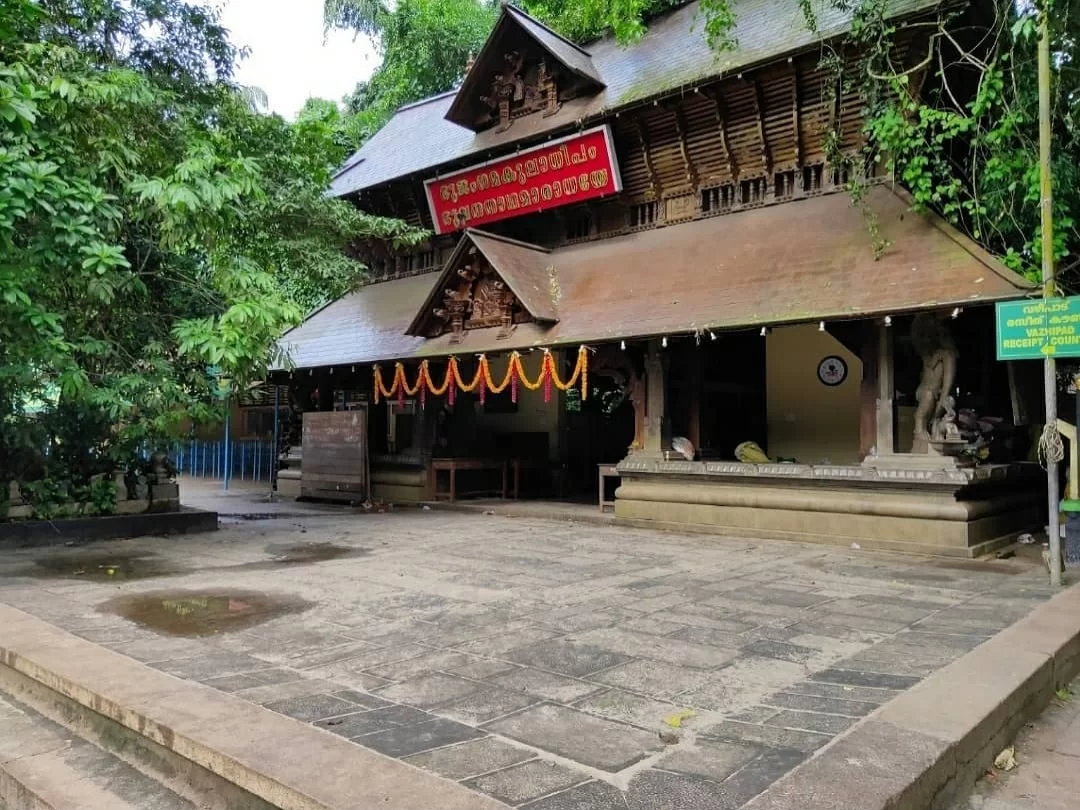
- Intricate temple architecture: the temple is built in the traditional Kerala style, with wooden carvings, a large open courtyard, and serpent motifs decorating the structure.
- Pivotal pilgrimage site: the temple attracts pilgrims from across the country, particularly those looking for blessings related to family, health, and fertility.
- Quiet, spiritual ambiance: despite being a popular site, the temple offers a peaceful setting for meditation and devotion, especially during early morning or evening hours.
- Modest dress code: as with most Hindu temples, visitors are expected to dress conservatively and remove footwear before entering the temple premises.
- Cultural significance: the temple is an important part of Kerala’s snake worship traditions and offers a deep insight into the local folklore and religious practices.
- Accessibility from nearby areas: Mannarasala is well-connected and can be easily included in your travel itinerary when exploring the Alappuzha region.
Tip for a smoother visit: visit during off-peak hours for a quieter experience, wear respectful attire, and take the time to understand the significance of the rituals and offerings made by the devotees.
Important Visitor Information – Mannarasala Sree Nagaraja Temple
- Crowd & Weather Notes: Mannarasala Sree Nagaraja Temple attracts a steady flow of devotees, especially during the annual Mannarasala Ayilyam festival and other auspicious days. The temple is located in a forested area with a tropical climate; summers are warm, monsoon months (June to September) bring heavy rainfall, and winters are relatively pleasant.
- Peak / Quiet Hours: Peak hours are early morning and evening during pooja and ritual times. For a quieter visit, late morning or early afternoon on weekdays is ideal, avoiding festival days.
- Dress Code: Modest, traditional attire is required. Shoulders and knees must be covered. Men typically wear a dhoti or lungi for temple entry. Footwear must be removed before entering the temple premises.
- Safety Notes: Follow temple rules and guidelines set by temple authorities, especially during crowded festival periods. Be cautious on smooth or wet floors during the monsoon season. Keep personal belongings secure and maintain silence and decorum inside the temple.
Photography and Viewpoint – Mannarasala Sree Nagaraja Temple
Mannarasala Sree Nagaraja Temple, located in Haripad, Alappuzha district, Kerala, is a famous temple dedicated to Nagaraja, the serpent god, and is one of the most significant serpent worship centers in Kerala. The temple, surrounded by dense forests and sacred groves, is known for its traditional Kerala-style architecture, serpentine carvings, and the sacred rituals performed here. Photography at this temple focuses on capturing the serene environment, architectural beauty, and sacred atmosphere while respecting the sanctity of the temple space.
- Photography permissions: Photography inside the sanctum or during rituals may be restricted—confirm with temple authorities and adhere to temple guidelines.
- Best light for exterior photography: Early morning and late afternoon provide soft, even light for capturing the temple’s façade and surroundings.
- Temple architectural compositions: Frame the temple’s traditional Kerala-style wooden structures, tiled roofs, and serpentine carvings, highlighting the intricate detailing.
- Sacred grove and natural surroundings: Capture the lush, green forest area surrounding the temple, which adds a spiritual and natural element to your photographs.
- Devotional atmosphere shots: Photograph devotees offering prayers or the ritual activities from a respectful distance to document the spiritual practices and temple life.
- Wide vs. detail photography: Wide lenses suit exterior views of the temple and its surroundings, while detail shots focus on serpentine statues, carvings, and sacred offerings.
- Mobile photography tips: Use gridlines to keep verticals straight, expose for shaded temple walls, and avoid flash to preserve the sanctity of the space.
- Crowd & timing awareness: Visit during off-peak hours or weekdays to capture the temple in its peaceful atmosphere, without crowd interference.
- Dress code & etiquette: Modest attire is required; photography should not interfere with rituals or disturb devotees in prayer.
- Responsible religious-site photography: Follow all temple rules, avoid photographing priests or rituals without permission, and prioritize reverence and respect for the space.
Near By Attraction
 Church
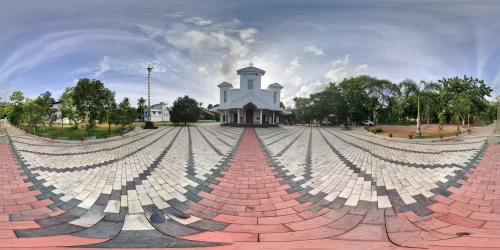
St. James Church Paloothara
St. James Church is a Christian church located in Paloothara, Kerala, serving the local parish community.
 Temple
Chakkulathukavu Sree Bhagavathi Temple
Chakkulathukavu Sree Bhagavathi Temple is a prominent Hindu temple in Alleppey, dedicated to Goddess Bhagavathi, known for its annual festivals.
 Temple
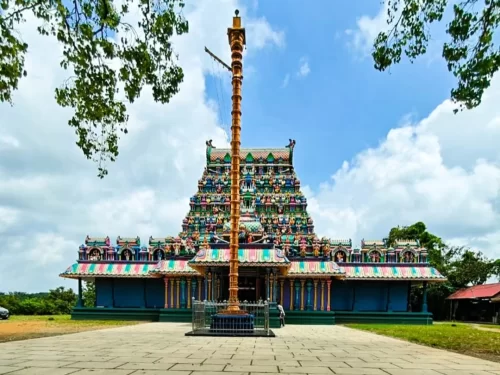
Sree Subramanya Swami Temple
Sree Subramanya Swami Temple in Perunna is a revered Hindu temple dedicated to Lord Murugan, known for its spiritual significance and annual festivals.