Quick Facts About Kovalam Beach
Kovalam Beach, Kerala Quick Facts
| Entry Fee | No entry fee |
| Timings | Open 24 hours; early morning and evening are the best times to visit |
| Altitude (m) | Sea level (approximately 0 m) |
| Ideal Visit Duration | 2–4 hours |
| Best Time of Day | Early morning for peaceful walks or late afternoon for sunset views |
| Crowd Level | High during weekends, holidays, and the peak tourist season (October–March) |
| Distance from City Centre (km) | Approximately 16 km from Thiruvananthapuram city centre |
| Walking Difficulty | Easy |
| Parking Available | Yes, paid parking is available near the beach |
| Last Mile Access | Accessible by road followed by a short walk to the beachfront |
| Suitable for Kids | Yes, with adult supervision near the water |
| Suitable for Seniors | Yes |
| Wheelchair Friendly | Partially; promenade areas are accessible, but sandy beach sections are not wheelchair-friendly |
Why Visit Kovalam Beach, Kerala
Visitors come to Kovalam Beach to relax along its crescent-shaped shoreline, enjoy swimming in designated areas, and experience one of Kerala's best-known coastal destinations. The beach is also popular for sunbathing, surfing, catamaran rides, and fresh seafood served at nearby cafés and restaurants.
The on-ground atmosphere is lively yet laid-back, with a mix of local visitors, domestic tourists, and international travelers throughout the day. The beachfront is lined with shops, eateries, and resorts, while the evenings are especially popular for sunset walks and seaside dining.
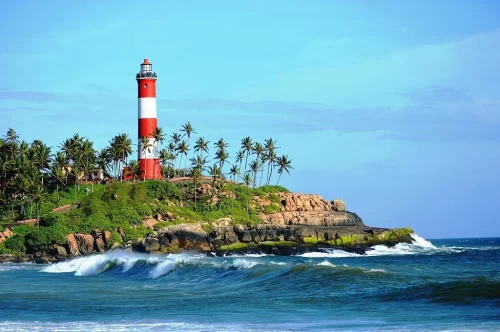
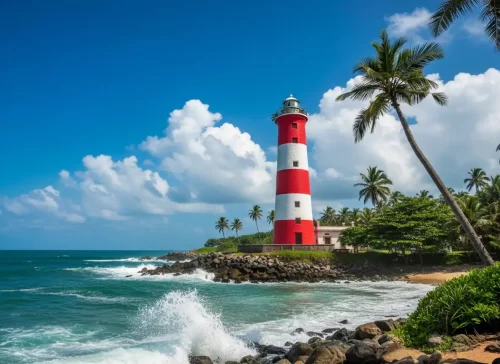
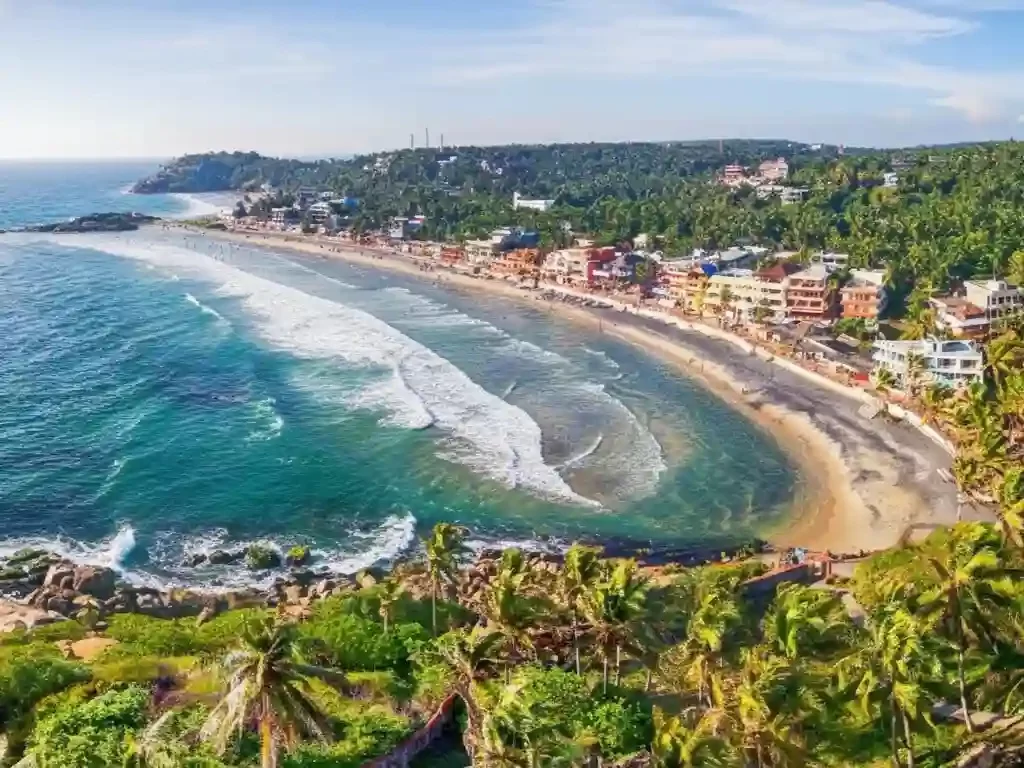
What makes Kovalam Beach distinct is its three connected beaches—Lighthouse Beach, Hawa Beach, and Samudra Beach—each offering a different coastal experience within walking distance. Combined with its iconic lighthouse, established tourism infrastructure, and Arabian Sea setting, it remains one of Kerala's most recognizable beach destinations.
History of Kovalam Beach, Kerala
Kovalam Beach is a coastal destination on the Arabian Sea that was traditionally home to fishing communities for centuries. Its sheltered crescent-shaped shoreline has long supported local maritime livelihoods and village life.
The beach gained international recognition during the late 1960s and 1970s, when it emerged as one of India's earliest beach tourism destinations. Its scenic coastline attracted travelers from around the world, contributing to the development of Kerala's tourism industry.
Today, Kovalam Beach is one of Kerala's most iconic seaside destinations, combining its traditional coastal heritage with modern tourism infrastructure while remaining an important part of the state's beach tourism landscape.
Best Time to Visit Kovalam Beach, Kerala
Kovalam Beach is best enjoyed during the cooler and relatively drier months, when calm weather, clearer skies, and pleasant sea breezes create ideal conditions for beach activities, sightseeing, and sunset views.
- Ideal Months: November to February is the best time to visit for beach walks, swimming in designated safe areas, and water sports, subject to local sea conditions.
- Weather Conditions: These months generally offer warm, comfortable temperatures with lower humidity and clearer skies, making outdoor activities and coastal exploration more enjoyable.
- Periods to Avoid: June to September experiences heavy monsoon rainfall and rough seas, which may restrict swimming, water sports, and other beach activities. Always follow local safety advisories regarding sea conditions.
How to Reach Kovalam Beach, Kerala
- By Air: Thiruvananthapuram International Airport is the nearest airport, located about 15 km from Kovalam Beach. The airport offers regular domestic and international flights. Taxis, app-based cabs, and auto-rickshaws provide convenient access to the beach in about 25–30 minutes.
- By Train: Thiruvananthapuram Central Railway Station is the nearest major railway station, approximately 16 km away. It is well connected to major cities across India. Visitors can hire taxis, auto-rickshaws, or use KSRTC buses to reach Kovalam.
- By Road: Kovalam Beach is easily accessible via NH 66 and the Thiruvananthapuram–Kovalam coastal road. Regular KSRTC buses, private buses, taxis, and auto-rickshaws operate throughout the day from Thiruvananthapuram and nearby towns. Parking is available near the beach, though traffic and parking congestion are common during weekends, holidays, and the peak tourist season.
What to Expect When You Visit Kovalam Beach, Kerala
- Kovalam Beach is a well-known coastal destination on the Arabian Sea, featuring three adjoining beaches with sandy shores, rocky headlands, palm-lined surroundings, and a lively beachfront atmosphere.
- The beachfront is lined with hotels, restaurants, cafés, souvenir shops, and wellness centers, making it one of Kerala's most developed beach destinations with a wide range of visitor amenities.
- Facilities include public restrooms, changing rooms, parking areas, beachside seating, and lifeguard presence in designated swimming zones. Water sports may be available depending on weather and sea conditions.
- Access is convenient by road from Thiruvananthapuram, with taxis, buses, and auto-rickshaws regularly serving the area. Visitors can easily walk between Lighthouse Beach, Hawa Beach, and Samudra Beach along connecting paths.
- The beach attracts a mix of domestic tourists, international visitors, and local residents throughout the year. Evenings, weekends, and the winter tourist season are typically the busiest periods.
- Sea conditions can change quickly, especially during the monsoon, when strong waves and currents may restrict swimming or water-based activities. Visitors should follow lifeguard instructions and posted safety advisories.
- The atmosphere is vibrant and active, with opportunities for beach walks, sunset viewing, dining, and relaxation. Visitors should expect higher noise levels and commercial activity near the main beachfront compared to quieter sections.
Important Visitor Information for Kovalam Beach, Kerala
- Kovalam Beach is busiest from October to February, with weekends, public holidays, and sunset hours drawing the largest crowds, while weekday mornings are comparatively peaceful.
- Early morning is ideal for a quieter beach experience, whereas late afternoons and evenings become lively with tourists, beach activities, and local visitors.
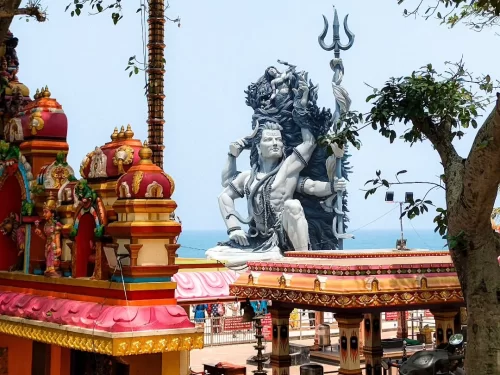
- There is no dress code for the beach, though modest beachwear is recommended when moving through public areas, local markets, and nearby places of worship.
- The Arabian Sea can experience strong currents and high waves, particularly during the southwest monsoon (June–September). Visitors should swim only in designated safe zones under lifeguard supervision.
- Rocky sections between the beach coves can become slippery due to sea spray and algae, so extra caution is needed while walking or taking photographs.
- Pay attention to lifeguard flags and local safety advisories, as sea conditions can change quickly during rough weather and high tide.
Photography and Viewpoints at Kovalam Beach, Kerala
- The rocky headland near Kovalam Lighthouse offers the best panoramic viewpoint, capturing Lighthouse Beach, Hawa Beach, and the Arabian Sea in a single wide-angle composition.
- The shoreline provides excellent perspectives of swaying coconut palms, fishing boats, and the crescent-shaped beach, particularly along the southern end near the lighthouse.
- Sunrise brings soft light over the beachfront and calm morning activity, while sunset creates warm hues across the sea, making the western-facing coastline especially photogenic.
- Photography is permitted throughout the public beach, but visitors should respect the privacy of beachgoers and avoid photographing individuals without their consent.
- The beach is busiest during evenings, weekends, and the peak tourist season from November to February, when the promenade and waterfront become crowded.
- The elevated promenade and beachfront walkways provide multiple accessible viewpoints, allowing clear views of the coastline without walking onto the sand during high tide.
- During the southwest monsoon, rough seas and strong waves may restrict access to certain rocky viewpoints, while clear post-monsoon weather offers the best coastal visibility.