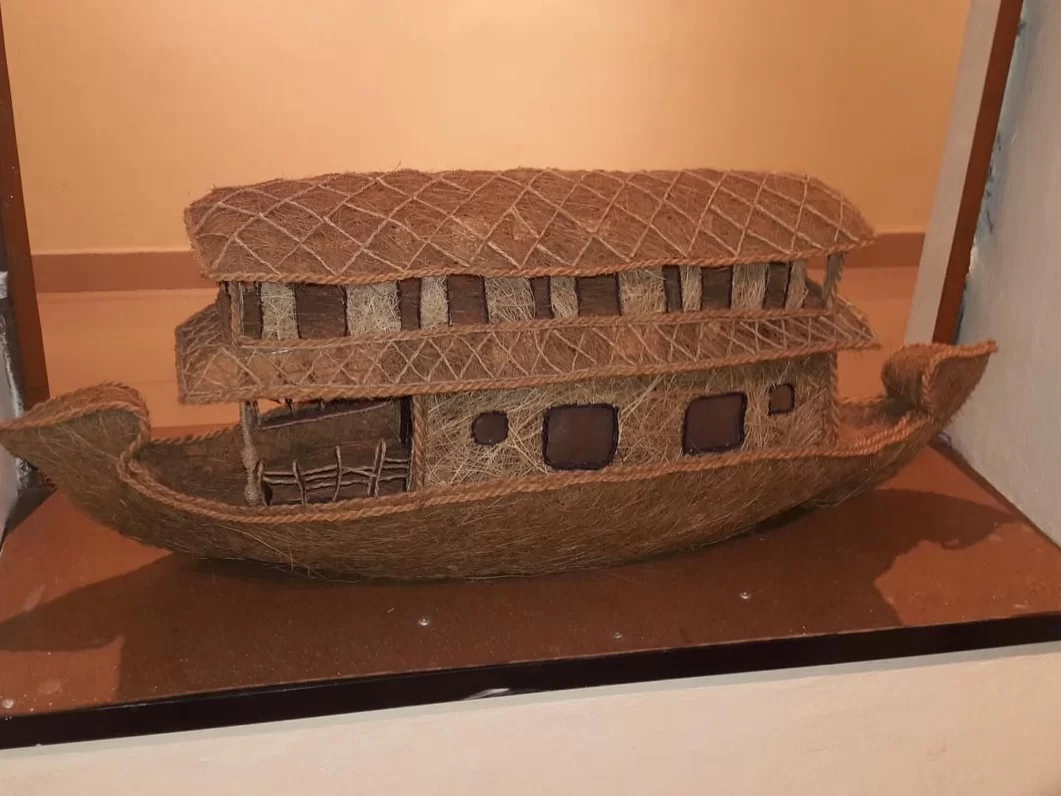
Quick Facts About International Coir Museum
| Entry Fee |
20 |
| Timings |
09:00 - 17:00 |
| Altitude (m) |
5 |
| Ideal Visit Duration (hrs) |
1 |
| Best Time of Day |
Morning |
| Crowd Level |
Moderate |
| Distance from Alappuzha (km) |
10 |
| Walking Difficulty |
Easy |
| Parking Available |
Yes |
| Last Mile Access |
Road |
| Suitable for Kids |
Yes |
| Suitable for Seniors |
Yes |
| Wheelchair Friendly |
Yes |
Why Visit International Coir Museum Alleppey
Why Visit
The International Coir Museum in Alleppey is a unique cultural institution dedicated to showcasing the history, production, and significance of coir, a fiber derived from coconut husks that has been integral to Kerala’s traditional economy. Visitors come to learn about the coir industry’s evolution, see coir-based products in various stages of production, and understand its role in local craftsmanship and global trade.
Atmosphere
The atmosphere is educational, informative, and hands-on, with interactive displays and live demonstrations of coir weaving and processing techniques. The museum feels like a blend of industry and tradition, where visitors can observe skilled artisans at work and gain insight into the significance of coir in Kerala’s culture and economy. The environment is welcoming and ideal for those interested in craftsmanship and heritage.
What Makes it Special
What makes the International Coir Museum special is its comprehensive approach to preserving and promoting Kerala’s coir industry. The museum provides an in-depth look at how coir products—from ropes to mats—are made, and highlights the traditional methods used by local artisans. It’s an essential stop for those interested in learning about Kerala’s rural industries and sustainable practices.
History of International Coir Museum Alleppey
The International Coir Museum is located in Alappuzha (Alleppey) district, Kerala, and is dedicated to preserving the heritage and history of the coir industry, which has been a vital part of the region’s economy for centuries. Coir, a natural fiber extracted from the husk of coconuts, has been used for various products ranging from ropes and mats to furniture and handicrafts.
The museum was established to showcase the rich tradition of coir production in Kerala, particularly in Alappuzha, which is often regarded as the coir capital of the world. The industry dates back to the early 19th century when the indigenous methods of coir processing were developed. Over time, the craft became a significant source of livelihood for many families, especially along Kerala’s coastal areas.
Today, the International Coir Museum stands as an educational and cultural institution, displaying a vast collection of coir-based products and tools used in the production process. It offers visitors a deeper understanding of the craft’s evolution, its impact on the local economy, and the sustainability aspects of the coir industry. The museum highlights Kerala’s role in shaping the global coir trade and preserving this traditional art form.
Best Time to Visit – International Coir Museum Alleppey
The best time to visit the International Coir Museum in Alleppey is from October to March, when the weather is pleasant and ideal for exploring the museum’s exhibits and learning about the history and significance of coir production in Kerala. During this period, the cooler temperatures and lower humidity make it more comfortable to explore the museum and its surroundings.
- October–November: Post-monsoon freshness with clear skies—perfect for a visit to the museum and exploring nearby attractions.
- December–February: Coolest months—best for indoor exploration and participating in any museum workshops or events.
- March: Still suitable, though temperatures start to rise—morning visits are recommended for a quieter experience.
- April–May (Summer): Hot and humid; early morning or late afternoon visits are more comfortable.
- June–September (Monsoon): Heavy rainfall; museum visits are still possible, but travel conditions in the area may be affected by rain.
Best time of day: 9:00 AM to 11:30 AM is ideal for visiting the International Coir Museum, offering cooler temperatures and fewer crowds.
- Heritage tip: Morning visits allow for a quieter, more immersive experience to explore the coir-making process and historical displays.
- Photography tip: Soft lighting during the morning enhances the display of coir products and artifacts.
- Visitor note: The museum is closed on Mondays, so plan your visit accordingly.
How to Reach International Coir Museum Alleppey
The International Coir Museum is located in the heart of Alappuzha (Alleppey) town, in Alappuzha district, Kerala. The museum is dedicated to the traditional coir industry, showcasing the production, tools, and uses of coir, an important local product.
- By Air (Nearest airport): The nearest airport is Cochin International Airport, approximately 85 km away. From the airport, hire a taxi or app-based cab directly to Alappuzha. The journey takes around 1.5–2 hours depending on traffic.
- By Train (Nearest railway station): Alappuzha Railway Station is located about 4 km from the museum. From the station, take an auto-rickshaw or taxi to the International Coir Museum.
- By Road: Alappuzha is well connected by road to Kochi, Kottayam, and nearby towns. KSRTC and private buses operate frequently to Alappuzha Bus Stand, which is a short distance from the museum. From there, local transport like auto-rickshaws can take you directly to the museum.
- Taxi / Auto-rickshaw: Taxis and auto-rickshaws are readily available throughout Alappuzha. Ask for drop-off at International Coir Museum or the nearby Coir Board office.
- Self-drive: Self-driving is convenient via state highways. Parking facilities are available near the museum, though spaces may be limited during peak hours.
- Walking access: Visitors staying in or around Alappuzha town can easily walk to the International Coir Museum from nearby hotels, bus stands, and market areas.
- Travel tips (EEAT): The museum is open from 9:30 AM to 5:30 PM. Photography may be restricted in some sections, so check with the staff. Wear comfortable footwear for walking around the exhibits.
What to Expect When You Visit International Coir Museum Alleppey
The International Coir Museum in Alappuzha (Alleppey) is dedicated to showcasing the traditional art of coir production and its significant role in Kerala’s economy and heritage. The museum offers an educational and cultural experience, focusing on the various uses of coir, from mats to ropes, and the evolution of this industry over the years.
- Comprehensive coir exhibits: the museum displays a wide range of coir-based products, from traditional mats to modern innovations, showcasing the versatility of coir in different sectors.
- Historical context: learn about the history of coir production in Kerala, which dates back to ancient times, and its importance in the local economy and global trade.
- Interactive displays: visitors can see live demonstrations of coir weaving and other traditional processes, offering insight into the craftsmanship and techniques involved.
- Educational for all ages: the museum is suitable for visitors of all ages, with detailed explanations about coir and its many applications, making it an educational stop for families and students.
- Well-maintained exhibits: the museum is clean, organized, and thoughtfully designed, providing a calm environment for those interested in learning about Kerala’s artisanal industries.
- Cultural significance: the museum highlights the role of coir in Kerala’s culture and economy, showcasing how this local industry has influenced the region’s identity.
- Minimal crowds: the museum is relatively quiet compared to major tourist attractions, allowing for a peaceful and focused visit.
- Small but informative: while the museum is not large, it is packed with valuable information, offering a detailed view of the coir industry from a local perspective.
- Located near the heart of Alleppey: the museum is easy to access and can be visited in combination with other nearby attractions like the backwaters or beaches.
- Great for cultural and history enthusiasts: the museum provides a fascinating look into an integral aspect of Kerala’s heritage and traditional industries.
Tip for a smoother visit: visit during quieter hours for a more relaxed experience, and take time to explore the live demonstrations for a more hands-on understanding of coir craftsmanship.
Important Visitor Information – International Coir Museum, Alappuzha
- Crowd & Weather Notes: The International Coir Museum experiences moderate to low footfall, with more visitors during peak tourist season (October to March) and weekends. The region has a tropical climate; summers are warm, monsoon months (June to September) bring heavy rainfall, and winters are relatively pleasant for museum visits.
- Peak / Quiet Hours: Peak hours are typically late morning to early afternoon when most visitors arrive. For a quieter experience, visit early morning on weekdays.
- Dress Code: No formal dress code applies. Wear comfortable clothing and footwear suitable for walking around the museum exhibits. Light, breathable clothing is recommended for the humid climate.
- Safety Notes: Be cautious around exhibits, especially the coir processing machinery. Follow museum rules and guidelines for photography. Keep personal belongings secure in crowded areas and respect the peaceful atmosphere of the museum.
Photography and Viewpoint – International Coir Museum Alappuzha
The International Coir Museum, located in Alappuzha (Alleppey) district, Kerala, is dedicated to showcasing the coir industry, which has been integral to the region’s economy and culture. The museum exhibits coir-based products, machinery, and the traditional craftsmanship that goes into making these products, offering a unique insight into Kerala’s rich industrial heritage. Photography here focuses on capturing the intricacies of the coir-making process, machinery, and coir products, as well as the museum’s overall educational environment.
- Photography permissions: Photography may be allowed inside the museum—confirm with staff regarding any specific restrictions on photographing exhibits.
- Best light for interior photography: Use natural light filtering through windows or exhibit lighting to capture the textures and craftsmanship of coir products and machinery.
- Coir product detail shots: Focus on the intricate weaving, braiding, and the final coir products such as mats, ropes, and decorative items, highlighting craftsmanship.
- Machinery & industrial photography: Capture historical coir-making machinery and the traditional processes displayed at the museum to document Kerala's coir industry history.
- Wide vs. detail photography: Use wide lenses to capture exhibits and room layouts, while detail shots focus on product textures, tools, and traditional machinery components.
- Mobile photography tips: Use gridlines for balanced compositions, tap to expose for mid-tones in shaded areas, and avoid flash when photographing delicate items.
- Crowd & timing awareness: Visit during weekdays or quieter hours to avoid crowds and capture clear, unobstructed shots of exhibits.
- Respectful etiquette: Avoid touching exhibits, be mindful of the space, and follow museum rules to maintain the preservation of the artifacts.
- Contextual photography: Capture the surroundings and educational boards to place the coir products within the broader context of the region's cultural and industrial significance.
- Responsible museum photography: Use photography to document and share knowledge about Kerala’s coir industry, while respecting the exhibits and the learning environment.
Near By Attraction
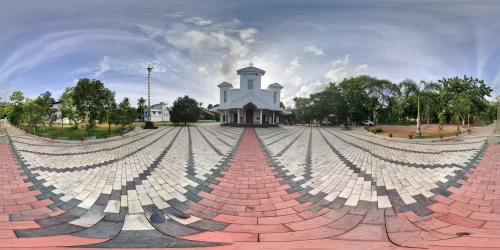 Church
St. James Church Paloothara
St. James Church is a Christian church located in Paloothara, Kerala, serving the local parish community.
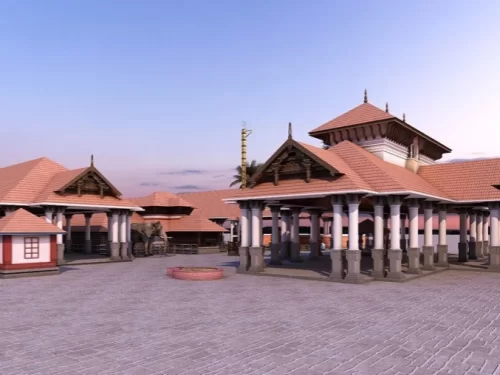 Temple
Chakkulathukavu Sree Bhagavathi Temple
Chakkulathukavu Sree Bhagavathi Temple is a prominent Hindu temple in Alleppey, dedicated to Goddess Bhagavathi, known for its annual festivals.
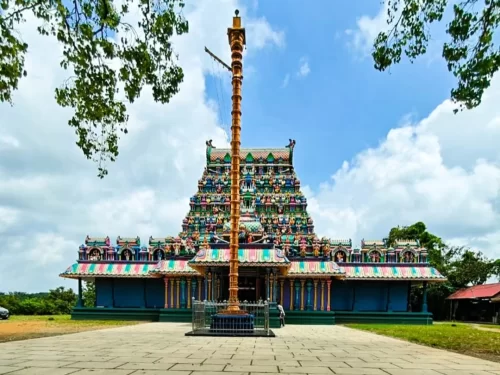 Temple
Sree Subramanya Swami Temple
Sree Subramanya Swami Temple in Perunna is a revered Hindu temple dedicated to Lord Murugan, known for its spiritual significance and annual festivals.