Quick Facts About Banasura Sagar Dam
Banasura Sagar Dam, Wayanad, Kerala Quick Facts
| Entry Fee | Paid entry; separate charges may apply for boating and adventure activities |
| Timings | 9:00 AM–5:00 PM |
| Altitude (m) | Approximately 775 m above sea level |
| Ideal Visit Duration | 2–3 hours |
| Best Time of Day | Morning or late afternoon for pleasant weather and scenic views |
| Crowd Level | Moderate to high during weekends, holidays, and peak tourist season |
| Distance from City Centre (km) | Approximately 21 km from Kalpetta town centre |
| Walking Difficulty | Easy to moderate; includes walking on paved paths and gentle slopes |
| Parking Available | Yes, paid parking available near the entrance |
| Last Mile Access | Direct road access to the dam followed by a short walk to the viewpoint and boating area |
| Suitable for Kids | Yes |
| Suitable for Seniors | Yes, though some uphill walking may be required |
| Wheelchair Friendly | Partially; main pathways are accessible, but some viewpoints and activity areas have uneven terrain |
Why Visit Banasura Sagar Dam, Wayanad, Kerala
Visitors come to Banasura Sagar Dam to experience India's largest earthen dam, enjoy expansive reservoir views, and explore one of Wayanad's most popular outdoor attractions. The area is well known for boating, nature walks, and photography against the backdrop of the Banasura Hills.
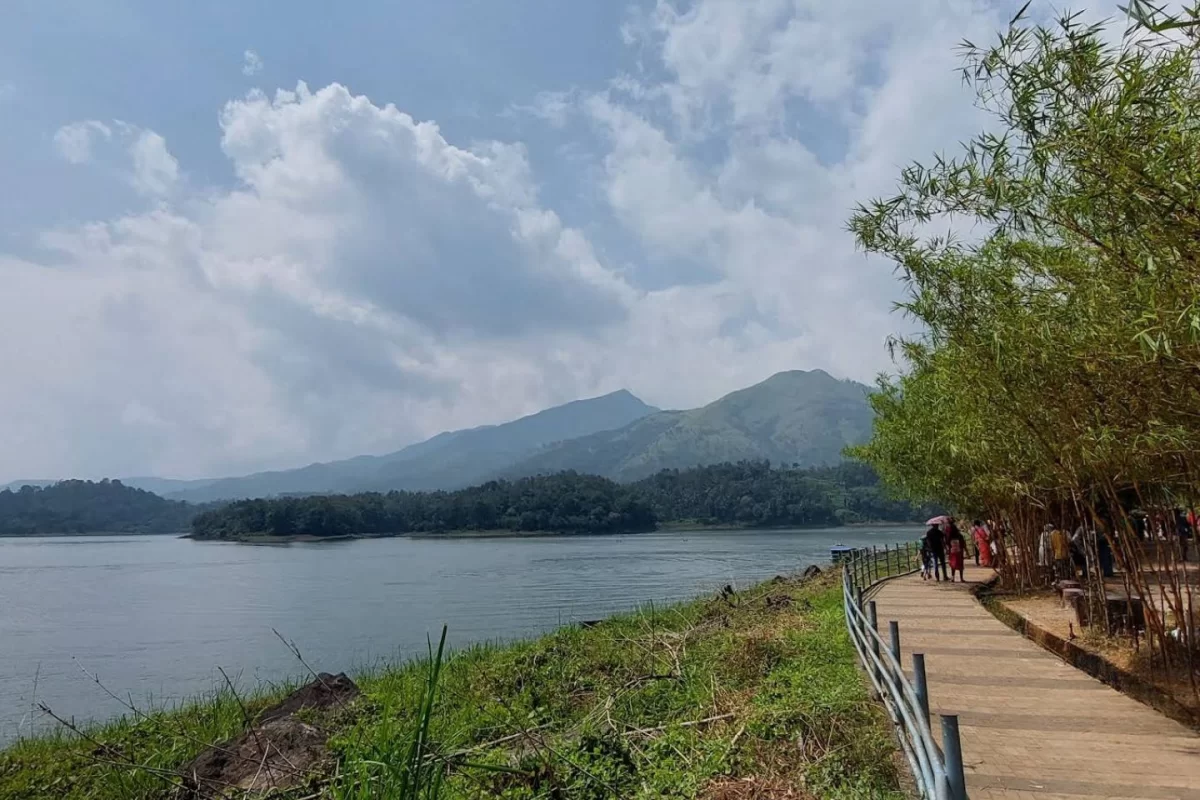
The on-ground atmosphere is scenic and relaxed, with landscaped gardens, open viewpoints, and a large reservoir surrounded by forested hills. Visitors typically spend time walking along the dam, taking boat rides, or enjoying the changing mountain views throughout the day.
What makes Banasura Sagar Dam distinct is its combination of large-scale engineering and the natural beauty of the Western Ghats. The reservoir's small islands, formed when valleys were submerged, create a unique landscape that sets it apart from other dams in Kerala.
History of Banasura Sagar Dam, Wayanad, Kerala
Banasura Sagar Dam was constructed across the Karamanathodu River, a tributary of the Kabini River, as part of the Banasurasagar Project. Commissioned in 1979, the dam was developed primarily to support irrigation, drinking water supply, and hydroelectric power generation in northern Kerala.
The dam is recognized as India's largest earthen dam and one of the largest of its kind in Asia. It was named after Banasura, the legendary thousand-armed king from Hindu mythology, who is traditionally associated with the surrounding Banasura Hills.
Today, Banasura Sagar Dam is an important water resource project as well as a popular tourist attraction, known for its reservoir, scenic hill surroundings, and its role in the development of Wayanad's infrastructure.
Best Time to Visit Banasura Sagar Dam, Wayanad, Kerala
Banasura Sagar Dam is best visited after the monsoon, when the reservoir is full, the surrounding hills are lush green, and the pleasant weather makes boating and sightseeing more enjoyable.
- Ideal Months: October to February is the most suitable period for visiting, offering comfortable weather and scenic views of the reservoir and surrounding landscape.
- Weather Conditions: Post-monsoon months provide cool temperatures, clear skies, abundant greenery, and high water levels that enhance the beauty of the dam and boating experience.
- Periods to Avoid: June to September experiences heavy monsoon rainfall, which may restrict boating activities, reduce visibility, and make outdoor exploration less comfortable.
How to Reach Banasura Sagar Dam, Wayanad
- By Air: Kannur International Airport is the nearest airport, located about 90 km from Banasura Sagar Dam. Calicut International Airport is another convenient option, approximately 110 km away. Taxis and rental cabs are readily available from both airports.
- By Train: Kozhikode (Calicut) Railway Station is the nearest major railhead, around 75 km from the dam. Visitors can also use Vadakara Railway Station, depending on their travel route. Taxis and KSRTC buses operate from these stations to Wayanad.
- By Road: Banasura Sagar Dam is located about 22 km from Kalpetta and is easily accessible via the Kalpetta–Padinjarathara road. Regular KSRTC buses and private buses operate up to Padinjarathara, while taxis and private vehicles provide the most convenient access to the dam. The final approach is on well-maintained roads, although traffic may increase during weekends, holidays, and the monsoon tourist season.
What to Expect When You Visit Banasura Sagar Dam, Wayanad, Kerala
- Banasura Sagar Dam is set amidst the hills of Wayanad, surrounded by the Banasura Hill ranges, reservoir waters, and lush greenery, offering a scenic environment throughout much of the year.
- The dam complex features landscaped gardens, open viewpoints, and walking areas overlooking the reservoir. Water levels and the appearance of the surrounding islands vary with the season, especially after the monsoon.
- Visitor facilities include ticket counters, parking, restrooms, and small food stalls near the entrance. Limited recreational activities such as boating may be available depending on reservoir conditions and operational schedules.
- The site is easily accessible by road from Kalpetta and other parts of Wayanad. Visitors should expect short walks on paved pathways and gentle slopes while exploring the viewpoints and dam surroundings.
- The dam attracts families, nature enthusiasts, photographers, and day-trippers, with higher visitor numbers on weekends, public holidays, and during the peak tourist season.
- Some recreational activities or access to certain areas may be suspended during heavy rainfall, maintenance work, or periods of high water levels. Visitors should follow instructions issued by the site authorities.
- The experience is centered on scenic views and outdoor recreation rather than guided interpretation, so visitors should expect to spend most of their time walking, relaxing, and enjoying the surrounding landscape.
Important Visitor Information for Banasura Sagar Dam, Wayanad, Kerala
- The dam receives its highest visitor numbers during weekends, public holidays, and the October to February tourist season, while weekday mornings are generally quieter.
- Early morning and late afternoon offer pleasant weather and clearer views of the reservoir and surrounding hills, whereas midday can be warm, especially outside the monsoon season.
- Heavy rainfall during the southwest monsoon (June–September) can lead to slippery pathways, restricted access to certain areas, and temporary suspension of boating depending on reservoir conditions.
- There is no formal dress code, but comfortable clothing and sturdy, non-slip footwear are recommended for walking around the viewpoints and dam premises.
- Visitors should stay within designated viewing areas and avoid crossing safety barriers or approaching the reservoir edge, particularly when water levels are high.
- Boating and other recreational activities are subject to weather and water conditions, so visitors should follow instructions issued by site authorities and wear provided safety gear where required.
Photography and Viewpoints at Banasura Sagar Dam, Wayanad, Kerala
- The dam crest provides sweeping panoramic views of the reservoir, rolling hills, and the Banasura mountain range, making it the most popular photography location.
- Designated viewpoints around the reservoir offer wide-angle compositions featuring the calm waters, scattered islands, and lush Western Ghats landscape.
- Early morning brings soft light, gentle mist, and clear reflections across the reservoir, while late afternoon offers warm golden tones ideal for landscape photography.
- During the monsoon and post-monsoon seasons, the reservoir reaches its fullest level, creating dramatic scenery with vibrant greenery surrounding the dam.
- Photography is generally permitted throughout the public areas, but visitors should avoid restricted zones and follow all safety barriers near the dam infrastructure.
- Weekends, holidays, and peak tourist seasons attract larger crowds, so weekday mornings provide quieter conditions for unobstructed photographs.
- Boating on the reservoir offers unique perspectives of the dam, nearby islands, and forested hills that cannot be captured from the shoreline alone.