Quick Facts About Tipu Sultan's Summer Palace
| Entry Fee | 15 / 200 |
| Timings | 08:30 - 17:30 |
| Altitude (m) | 920 |
| Ideal Visit Duration (hrs) | 0.75 |
| Best Time of Day | Morning |
| Crowd Level | Moderate |
| Distance from City Centre (km) | 5 |
| Walking Difficulty | Easy |
| Parking Available | Yes |
| Last Mile Access | Walk |
| Suitable for Kids | Yes |
| Suitable for Seniors | Yes |
| Wheelchair Friendly | No |
Why Visit Tipu Sultan’s Summer Palace, Bengaluru
Visitors come to Tipu Sultan’s Summer Palace to view its preserved wooden structure, painted ceilings, and museum displays that present information about Tipu Sultan’s life and administration. It is typically included as a short cultural stop within central Bengaluru sightseeing routes.
The on-ground atmosphere is quiet and structured, with controlled entry, designated walking paths, and indoor gallery spaces. The surroundings are densely urban, and the palace complex feels contained and functional rather than open or landscaped.
What makes this place distinct for travelers is its teakwood construction and compact layout, which offers a focused, indoor heritage experience different from Bengaluru’s parks, temples, and modern attractions.
History of Tipu Sultan’s Summer Palace, Bengaluru
Tipu Sultan’s Summer Palace was constructed in the late 18th century as a seasonal residence for Tipu Sultan and his family. The structure was built primarily using teakwood, with lime mortar, brick, and plaster, forming a two-storeyed palace within a fortified complex area.
The palace functioned as a private royal residence rather than a ceremonial court or administrative center. Its design focused on ventilation, shaded interiors, and enclosed courtyards suitable for summer use in the Bengaluru region.
After the fall of the Kingdom of Mysore, the building was repurposed under British administration and later converted into a public heritage site and museum. Today, it stands as a preserved historical structure representing Tipu Sultan’s domestic architecture rather than military or political power centers.
Best Time to Visit Tipu Sultan’s Summer Palace, Bengaluru
Tipu Sultan’s Summer Palace is an indoor heritage site, but the overall visiting comfort depends on Bengaluru’s seasonal weather and city conditions, making cooler and drier months more suitable for combining the visit with nearby attractions.
- Ideal Months: October to February
- Best Season Conditions: Pleasant temperatures, lower humidity, and comfortable conditions for walking through the palace interiors and surrounding areas without heat stress.
- Periods to Avoid: March to May due to higher temperatures and indoor heat buildup; June to September can bring heavy rainfall and humidity, affecting access, movement, and overall travel comfort in the surrounding city area.
How to Reach Tipu Sultan’s Summer Palace, Bengaluru
- Nearest Airport: Kempegowda International Airport (BLR) is approximately 36 km from Tipu Sultan’s Summer Palace. The airport is well connected with domestic and international flights. From the airport, travelers can use airport taxis, app-based cabs, or airport bus services to reach the city, with total travel time typically ranging from 60 to 90 minutes depending on traffic.
- Nearest Railway Station: KSR Bengaluru City Railway Station (Majestic) is about 5 km from the palace and is a major rail hub with direct connections to major cities across India. Auto-rickshaws, taxis, metro, and city buses are easily available outside the station, with an average travel time of 15–25 minutes.
- Road Access & Last-Mile Connectivity: The palace is located in the old city area near KR Market and Chamrajpet, accessible via city arterial roads. Visitors can reach the site by taxi, auto-rickshaw, BMTC buses, or private vehicles. The nearest metro stations are KR Market and National College, followed by a short auto-rickshaw or taxi ride. Vehicles can reach close to the entrance, but parking is limited and mostly street-side. Dense traffic, narrow roads, and congestion in the surrounding market areas can slow last-mile access, especially during peak hours.
What to Expect When You Visit Tipu Sultan’s Summer Palace, Bengaluru
- Environment and Surroundings: The palace is located in a dense old-city area of Bengaluru, surrounded by busy roads, markets, and residential neighborhoods. Inside the complex, the environment is calm and enclosed, with a compact courtyard layout and wooden interiors that contrast with the noisy urban surroundings outside.
- Facilities and Amenities: Facilities are limited to basic visitor services such as ticket counters, signage, and museum-style display areas. There are no cafés, food outlets, or souvenir shops within the palace complex. Restroom facilities are minimal and may not be well-maintained at all times.
- Accessibility and Movement: Visitor movement is on foot through narrow corridors, wooden staircases, and two-level interior galleries. The structure includes steps and uneven surfaces, making access difficult for wheelchair users and visitors with mobility challenges. Internal spaces are compact, with limited ventilation in some sections.
- Typical Visitor Behavior and Conditions: Visitors usually move through the palace in a short, self-guided circuit, viewing exhibits and interior spaces quietly. Crowds are moderate, with school groups and local visitors common. The site is managed as a controlled-entry heritage building, and visits are generally brief and structured.
Important Visitor Information for Tipu Sultan’s Summer Palace, Bengaluru
- Crowd and Weather Notes: The palace experiences moderate daily footfall, with higher visitor numbers on weekends, public holidays, and during school excursions. Being largely enclosed, indoor areas can feel warm and humid during hot months, especially in late mornings and afternoons.
- Peak and Quiet Visiting Hours: Peak visiting hours are typically between 11:00 am and 3:00 pm. Quieter conditions are usually found shortly after opening in the morning and during the last hour before closing.
- Dress Code: There is no formal dress code, but visitors are expected to wear modest, appropriate clothing as the site functions as a protected heritage monument and public museum space.
- Safety Notes and Practical Cautions: Wooden staircases and interior floors can be narrow and slippery during the monsoon season. Personal belongings should be kept secure due to crowd movement and the busy surrounding locality. Photography rules may vary inside exhibition areas and should be followed as per on-site instructions.
Photography and Viewpoints at Tipu Sultan’s Summer Palace, Bengaluru
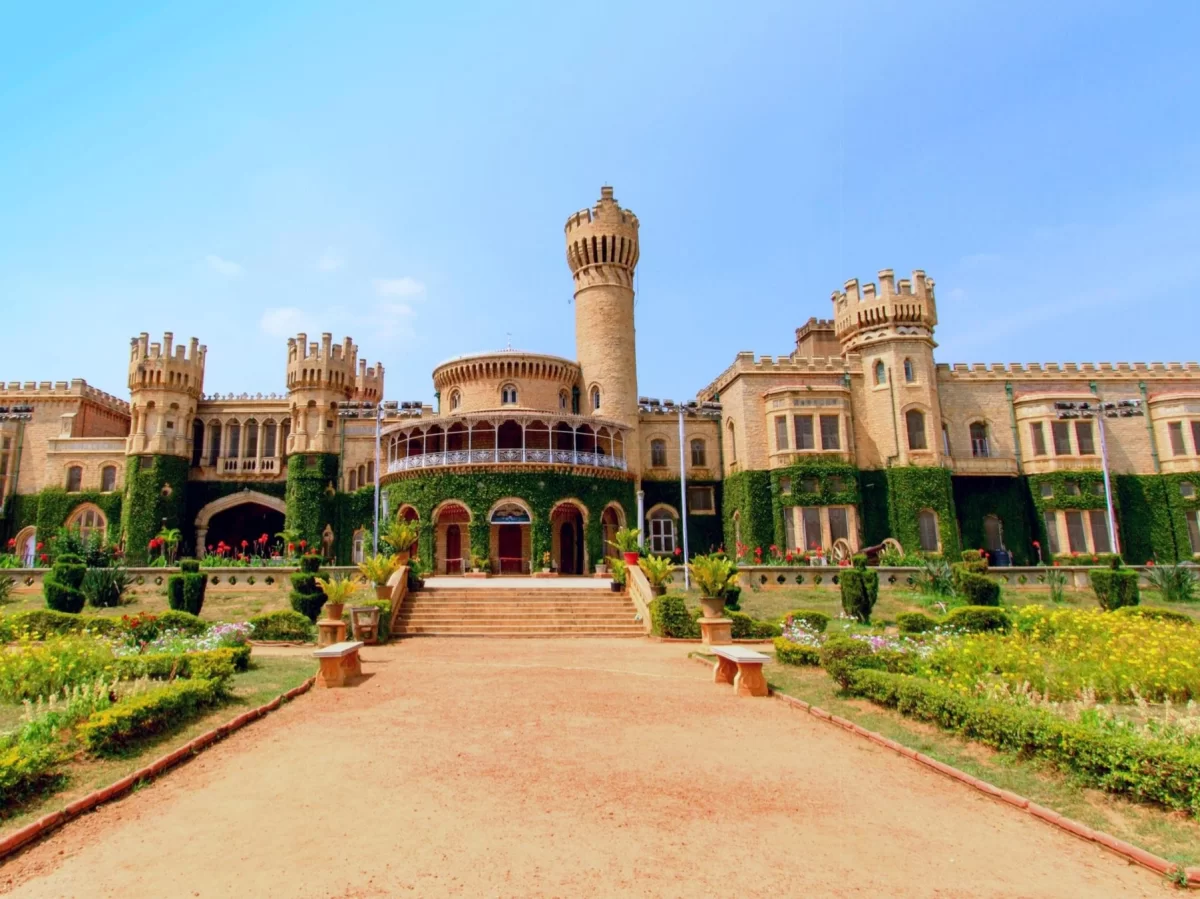
- Best Viewpoints: The front façade facing the courtyard provides the clearest full-structure framing, while interior corridors and balcony railings offer detailed views of teakwood pillars, painted ceilings, and traditional arches.
- Lighting Conditions: Natural daylight enters primarily through open corridors and windows; morning light offers softer illumination for exterior shots, while interiors rely on ambient light and artificial lighting, which can create low-light conditions in galleries.
- Photography Rules: Photography is generally allowed in outdoor areas and common spaces, but restrictions may apply inside museum galleries and exhibition rooms as per ASI regulations and on-site signage.
- Crowd and Access Factors: Narrow corridors and steady visitor movement can limit stable framing during peak hours, especially between late morning and early afternoon, making early-day visits more suitable for clear shots.