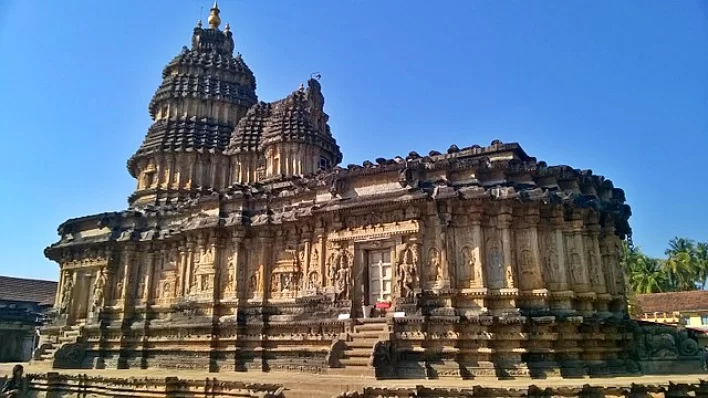
Sri Vidyashankara Temple, Sringeri, Karnataka, India

Sri Vidyashankara Temple , Udupi
Visitors come to admire its distinctive blend of Hoysala, Vijayanagara, and Dravidian architectural styles, intricate stone carvings, and astronomical features incorporated into the temple design. The temple is one of Sringeri’s most significant heritage monuments and an important pilgrimage destination for devotees and students of Hindu philosophy.

Quick Facts About Sri Vidyashankara Temple

Sri Vidyashankara Temple Quick Facts

Entry Fee No entry fee
Timings Generally open from 7:00 AM–1:00 PM and 5:00 PM–8:30 PM daily.
Altitude (m) Approximately 670 m above sea level
Ideal Visit Duration 1–2 hours
Best Time of Day Morning for architecture viewing and pleasant weather.
Crowd Level Moderate; higher during weekends, festivals, and special events at Sringeri Sharada Peetham.
Distance from City Centre (km) Approximately 1 km from Sringeri town centre.
Walking Difficulty Easy
Parking Available Yes, parking facilities are available near the Sringeri temple complex.
Last Mile Access Direct road access followed by a short walk within the Sringeri Sharada Peetham complex.
Suitable for Kids Yes
Suitable for Seniors Yes
Wheelchair Friendly Partially; major temple areas are accessible, though some sections may have steps.

Why Visit Sri Vidyashankara Temple Sringeri

Visitors come to Sri Vidyashankara Temple to admire its remarkable stone architecture and experience one of the most significant spiritual landmarks associated with the Sringeri Sharada Peetham.

The atmosphere is serene and devotional, with pilgrims, scholars, and visitors gathering to offer prayers and appreciate the temple’s tranquil riverside setting.

What makes Sri Vidyashankara Temple distinct is its unique blend of Hoysala and Dravidian architectural styles, intricately carved zodiac pillars aligned with the sun’s movement, and its deep connection to the Advaita Vedanta tradition established at Sringeri.

History of Sri Vidyashankara Temple

Sri Vidyashankara Temple, located in Sringeri, Karnataka, is one of the most significant monuments of the Sringeri Sharada Peetham. The temple was built in the 14th century by the Vijayanagara rulers in memory of Jagadguru Sri Vidyashankara, a revered spiritual leader of the Sringeri monastery who played an important role in preserving Hindu learning during a period of political upheaval.

The temple is renowned for its remarkable blend of Hoysala, Chalukya, Vijayanagara, and Dravidian architectural styles. Its intricately carved pillars, sculptures, and unique astronomical design, featuring twelve zodiac pillars aligned with the sun's movement, make it one of Karnataka's finest examples of medieval temple architecture.

Today, Sri Vidyashankara Temple remains an important pilgrimage and heritage site, reflecting the spiritual legacy of the Sringeri Sharada Peetham and the architectural achievements of the Vijayanagara Empire.

Best Time to Visit Sri Vidyashankara Temple

Sri Vidyashankara Temple is best visited from October to March when Sringeri experiences pleasant weather, making it comfortable to explore the temple's remarkable architecture, spiritual heritage, and scenic riverside surroundings.
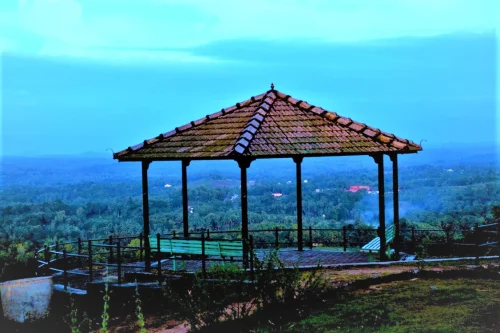
  • Ideal months: October to March is the most favorable period to visit Sri Vidyashankara Temple, offering comfortable temperatures and ideal conditions for pilgrimage and heritage exploration.
  • Weather conditions during the best season: Cool mornings, pleasant afternoons, lower humidity, and clear weather provide excellent conditions for admiring the temple's intricate Hoysala-Dravidian architecture, zodiac pillars, and the tranquil setting along the Tunga River.
  • Periods to avoid: June to September brings heavy monsoon rainfall to the Western Ghats, which can affect travel and outdoor exploration around the temple complex. April and May are warmer, though generally less intense than in the plains. Major religious festivals and special occasions may result in higher visitor numbers and longer waiting times.

How to Reach Sri Vidyashankara Temple

  • Nearest Airport: Mangalore International Airport, located approximately 115 km from Sri Vidyashankara Temple, is the nearest airport. Visitors can continue the journey by road to Sringeri.
  • Nearest Railway Station: Udupi Railway Station, about 85 km away, is the nearest railway station. Shivamogga Railway Station is another commonly used railhead for travelers visiting Sringeri.
  • Road Access and Last-Mile Connectivity: Sri Vidyashankara Temple is situated within the Sringeri Sharada Peetham complex in Sringeri, Chikkamagaluru district. The temple is well connected by road from Mangaluru, Udupi, Chikkamagaluru, Shivamogga, and Bengaluru. Visitors can reach the temple by private vehicle, taxi, state-run bus, or local transport. The final approach is fully motorable, with parking facilities available nearby, followed by a short walk through the temple premises. The temple remains accessible throughout the year, though visitor numbers increase during major religious festivals and special events at the Sringeri Math.

What to Expect When You Visit Sri Vidyashankara Temple

  • Environment and Surroundings: Sri Vidyashankara Temple in Sringeri is situated on the banks of the Tunga River and is renowned for its blend of Hoysala and Dravidian architecture. Visitors can expect a serene spiritual atmosphere, intricately carved stone structures, and a peaceful riverside setting surrounded by greenery.
  • Facilities and Amenities: Basic visitor facilities such as shoe storage areas, drinking water points, prasadam facilities, rest areas, and parking are available within the Sringeri temple complex. Additional accommodation, restaurants, and pilgrim services can be found nearby.
  • Accessibility and Movement: The temple is easily accessible by road and can be explored comfortably on foot through courtyards, pillared halls, and surrounding pathways. Some sections feature stone floors and steps typical of historic temple complexes.
  • Visitor Conditions: Visitors come for darshan, architectural appreciation, and spiritual visits associated with the Sringeri Sharada Peetham. Crowd levels are generally moderate but increase during Navaratri, major Hindu festivals, weekends, and important events connected with the Sringeri Math.

Important Visitor Information for Sri Vidyashankara Temple

  • Sri Vidyashankara Temple receives higher devotee footfall during Mahashivratri, major Hindu festivals, weekends, and special religious celebrations associated with the Sringeri Sharada Peetham.
  • Early morning hours generally offer a peaceful atmosphere for darshan and appreciating the temple’s remarkable architecture before larger crowds arrive.
  • The temple remains accessible throughout the year, though monsoon rains are common in Sringeri and may make pathways around the temple complex slippery.
  • Modest attire is recommended within the temple premises, and footwear must be removed before entering the shrine area.
  • Visitors should maintain silence and decorum during prayers, respect temple customs and rituals, and exercise caution on stone floors and steps during wet weather.

Photography and Viewpoints at Sri Vidyashankara Temple

  • The best photographs are captured from the temple courtyard and entrance axis, where the magnificent fusion of Hoysala and Vijayanagara architecture, towering stone structure, and intricate carvings can be framed together.
  • Early morning provides soft natural light and fewer visitors, making it ideal for photographing the temple exterior, sculpted walls, and ornate architectural details.
  • The temple's twelve zodiac pillars, intricately carved ceilings, stone sculptures, and decorative mandapas are best photographed during daylight hours when craftsmanship and textures are clearly visible.
  • The open temple grounds offer multiple angles for capturing the monument's unique blend of architectural styles against the backdrop of the Western Ghats.
  • The surrounding Sharavathi River valley and Sringeri landscape provide attractive opportunities for wider compositions that place the temple within its natural setting.
  • Photography is generally permitted in the exterior areas of the temple complex, but photography inside the sanctum sanctorum and during religious rituals may be restricted. Visitors should follow instructions issued by temple authorities.
  • Festivals, weekends, and special religious occasions can increase visitor numbers, while weekday mornings usually provide quieter conditions and unobstructed photography opportunities.

Near By Attraction

Malpe Beach Beach

Malpe Beach

Malpe Beach is a popular coastal beach located in Udupi district, Karnataka, along the Arabian Sea.

 Temple

Sri Vadabhandeshwara Temple

Sri Vadabhandeshwara Temple is an ancient Hindu temple dedicated to Lord Shiva, located in the Malpe area of Udupi district, Karnataka, near the Arabian Sea coast.

Maravanthe Beach Beach

Maravanthe Beach

Maravanthe Beach is a coastal beach located near Kundapura in Udupi district, Karnataka, where the Arabian Sea runs parallel to the Suparnika River and National Highway 66.

Frequently Asked Questions About Sri Vidyashankara Temple

Loved this place ? Let’s Plan Your Karnataka Trip

Get customized Karnataka tour planning designed around regional diversity, seasonal weather shifts, road travel distances, and realistic pacing. Whether you are visiting for heritage monuments, temple architecture, hill retreats, wildlife reserves, beach

⚡ Quick Response | 💰 Free consultation | 🕒 24×7 expert support

×

Plan Your Trip