Quick Facts About Shri Sharada Peeta Karnataka
Quick Facts About Shri Sharada Peetha, Sringeri
| Entry Fee | Free |
|---|---|
| Timings | Generally open daily from 6:00 AM to 2:00 PM and 4:00 PM to 9:00 PM. Timings may vary during festivals and special religious events. |
| Altitude (m) | Approximately 670 m above sea level. |
| Ideal Visit Duration | 1–2 hours |
| Best Time of Day | Early morning or evening during temple aarti. |
| Crowd Level | Usually moderate; significantly higher during Navaratri, Guru Purnima, and major Hindu festivals. |
| Distance from City Centre (km) | Located in the heart of Sringeri (approximately 0.5 km from the town centre). |
| Walking Difficulty | Easy; paved pathways with minimal walking within the temple complex. |
| Parking Available | Yes, public parking is available near the temple complex. |
| Last Mile Access | Accessible by car, taxi, bus, or auto-rickshaw, followed by a short walk to the temple entrance. |
| Suitable for Kids | Yes |
| Suitable for Seniors | Yes |
| Wheelchair Friendly | Partially; much of the temple complex is accessible, though some areas may have steps requiring assistance. |
Why Visit Shri Sharada Peeta, Karnataka
Shri Sharada Peeta is a revered spiritual destination where devotees come to seek the blessings of Goddess Sharada, the Hindu deity of wisdom and learning. The temple attracts pilgrims, students, and visitors looking for a peaceful place of worship in Karnataka.
The atmosphere is serene and contemplative, with regular prayers, Vedic chanting, and devotees participating in traditional rituals. The temple's tranquil surroundings encourage visitors to spend time in quiet reflection alongside their darshan.
What makes Shri Sharada Peeta distinct is its strong association with the Advaita tradition and its role as a respected centre of learning and spirituality. Visitors can experience both the devotional practices and the scholarly heritage that have long been associated with this sacred institution.
History of Shri Sharada Peeta, Karnataka
Shri Sharada Peeta, commonly known as Sringeri Sharada Peetham, was established by Adi Shankaracharya in the 8th century CE on the banks of the Tunga River in present-day Karnataka. It is one of the four principal monastic institutions (Amnaya Peethas) founded by Adi Shankaracharya to preserve and propagate Advaita Vedanta across India.
Dedicated to Goddess Sharada, the Hindu deity of wisdom and learning, the peetham has remained an important center of Vedic scholarship, philosophy, and spiritual education for over a millennium. Successive Jagadgurus have continued its religious traditions, making Shri Sharada Peeta one of the most revered pilgrimage and learning centers in Hinduism.
Best Time to Visit Shri Sharada Peeta, Karnataka
The best time to visit Shri Sharada Peeta is from October to February, when the weather is cool and pleasant for exploring the temple complex and the surrounding area. The post-monsoon months offer comfortable conditions for pilgrims and visitors alike.
- Ideal months: October to February for pleasant weather and peaceful temple visits.
- Best-season weather: Cool mornings, mild daytime temperatures, and lower humidity make it comfortable to spend time outdoors.
- Periods to avoid: June to September if you prefer dry weather, as frequent monsoon rainfall can affect travel and outdoor sightseeing. Major festival days may also bring larger crowds and longer waiting times.
How to Reach Shri Sharada Peeta Karnataka
- Nearest Airport: Mangaluru International Airport is the nearest airport, located about 110 km from Shri Sharada Peeta in Sringeri. Taxis and KSRTC buses are available from the airport to Sringeri.
- Nearest Railway Station: Udupi Railway Station is the nearest major railway station, approximately 80 km away. Shivamogga Railway Station, about 105 km away, is another convenient option. Taxis and buses connect both stations to Sringeri.
- Road Access: Shri Sharada Peeta is located in Sringeri and is well connected by state highways. Regular KSRTC and private buses operate from Bengaluru, Mangaluru, Udupi, Chikkamagaluru, and Shivamogga. The roads are well maintained, though ghat sections may experience fog and heavy rain during the monsoon.
- Last Mile Connectivity: The temple complex is easily accessible by taxi, auto rickshaw, or on foot from the Sringeri Bus Stand. Parking is available nearby, but the area can be busy during festivals and weekends.
What to Expect When You Visit Shri Sharada Peeta, Mangaluru
- Temple Environment: Shri Sharada Peeta is a peaceful Hindu temple dedicated to Goddess Sharada, offering a devotional atmosphere with traditional architecture, well-maintained premises, and spaces for prayer and meditation.
- Facilities: Basic amenities such as footwear stands, drinking water, and restrooms are generally available within or near the temple premises. Shops and eateries can be found in the surrounding areas of Mangaluru.
- Accessibility: The temple is accessible by road from different parts of Mangaluru. Visitors may need to walk a short distance from the parking area, and footwear must be removed before entering the shrine.
- Visitor Experience: Most visitors spend time offering prayers, attending daily rituals, and exploring the temple grounds. The temple is usually quieter on weekdays but attracts larger crowds during festivals, special pujas, and auspicious occasions.
- Atmosphere: The surroundings are calm and conducive to worship, with devotees maintaining a respectful environment. Visitors are expected to dress modestly, follow temple customs, and observe any photography restrictions.
- Practical Considerations: Early morning and evening visits are generally more comfortable due to cooler temperatures and ongoing rituals. During major religious events, expect increased visitor numbers and longer waiting times for darshan.
Important Visitor Information for Shri Sharada Peeta, Karnataka
- Crowd & Weather: Shri Sharada Peeta in Sringeri receives the highest number of devotees during Navaratri, Sharadamba Festival, weekends, and major Hindu festivals. The monsoon season (June to September) brings heavy rainfall, making the temple surroundings wet and slippery.
- Peak & Quiet Hours: Morning and evening darshan sessions are the busiest. Weekday afternoons generally offer shorter queues and a more peaceful atmosphere for worship and exploring the temple complex.
- Dress Code: Visitors should wear modest, respectful clothing suitable for a traditional Hindu temple. Footwear must be removed before entering the temple premises.
- Safety & Practical Notes: Follow temple customs and staff instructions, maintain silence inside the sanctum, and be cautious on wet stone flooring during the monsoon. Photography may be restricted in certain parts of the temple complex.
Photography and Viewpoints at Shri Sharada Peeta, Karnataka
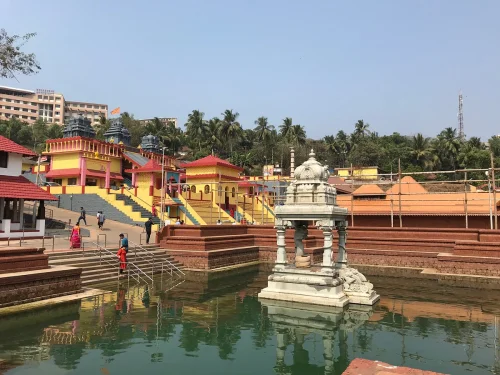
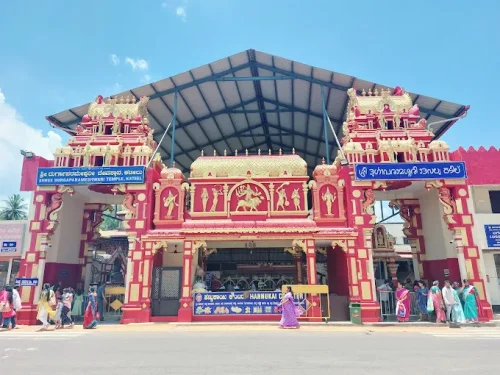
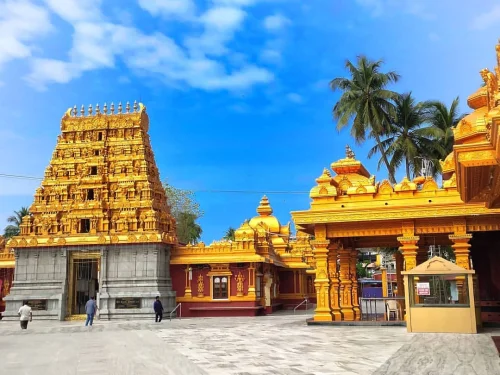
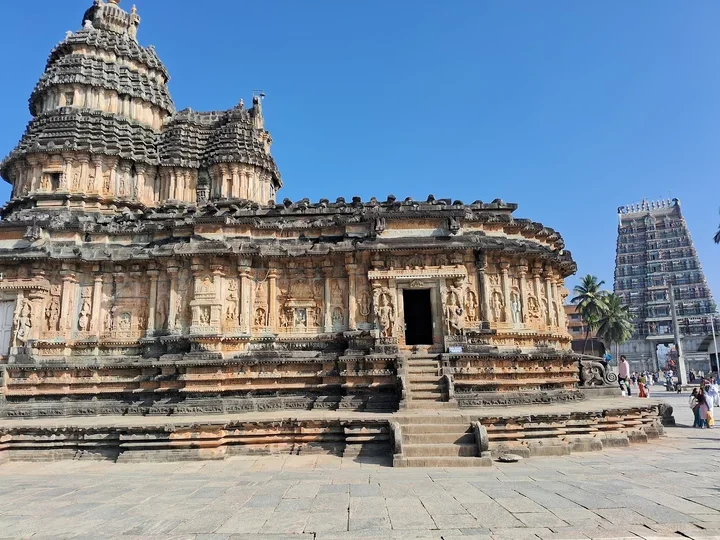
- The temple complex entrance, traditional architecture, and surrounding courtyards provide the best viewpoints for photography, capturing the spiritual atmosphere and heritage design of Shri Sharada Peeta.
- Early morning offers soft natural light and a peaceful setting for exterior photographs, while late afternoon provides warmer tones on the temple structures. Festival periods may include additional decorations and lighting that create unique photo opportunities.
- Photography rules vary within the premises. Visitors should follow temple instructions, as photography may be restricted near the sanctum and during religious ceremonies. Photographing monks, priests, or devotees should be done respectfully and with permission.
- The temple complex can become busy during religious events, festivals, and special gatherings. Visiting during weekday mornings usually provides quieter surroundings, easier movement, and better opportunities to photograph the architecture without crowds.