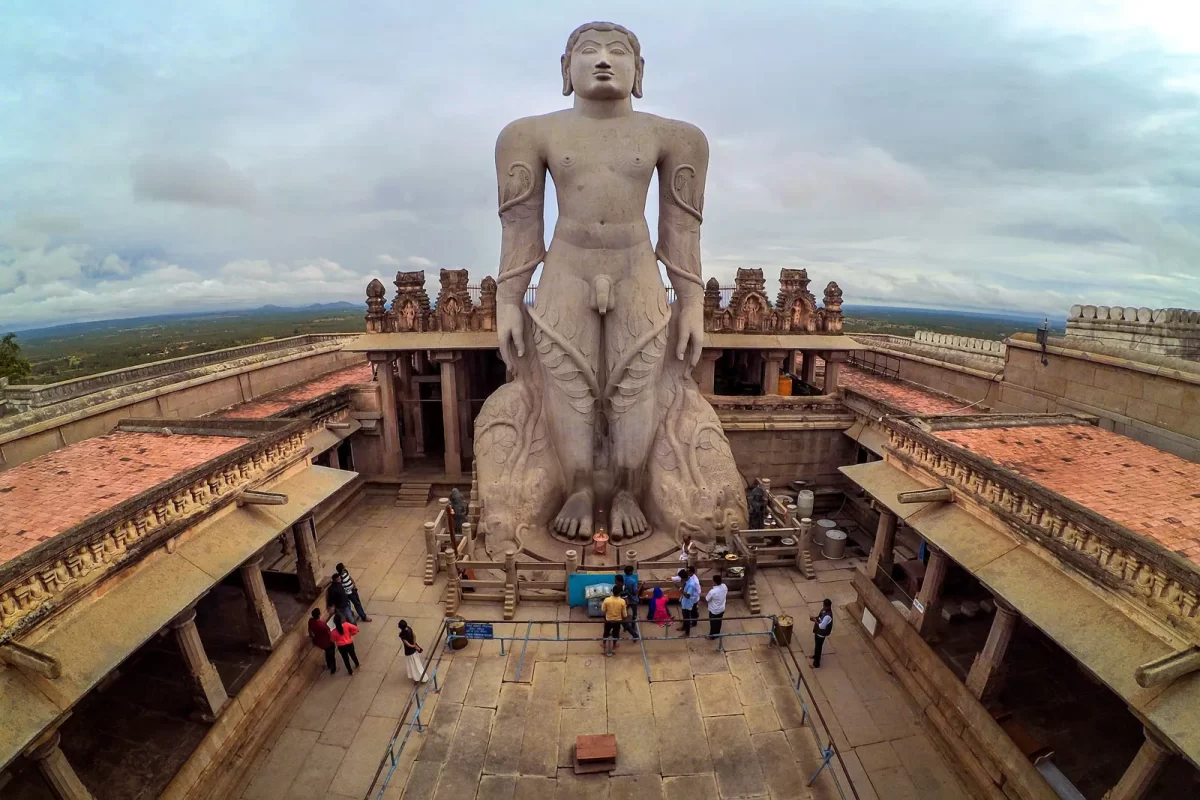
Shri Bhagwan Bahubali Monolithic Statue, Dharmasthala, Karnataka, India

Shri Bhagwan Bahubali Monolithic Statue , Hassan
Visitors come to view one of the tallest monolithic statues of Bahubali in India, appreciate its craftsmanship, and learn about its significance in Jain philosophy and traditions. Standing on a hill overlooking Dharmasthala, the statue is an important cultural and spiritual landmark that attracts pilgrims and visitors interested in religious heritage.

Quick Facts About Shri Bhagwan Bahubali Monolithic Statue

Shri Bhagwan Bahubali Monolithic Statue Quick Facts

Entry Fee No entry fee
Timings Generally accessible from 6:30 AM to 6:30 PM daily.
Altitude (m) Approximately 120 m above sea level
Ideal Visit Duration 45 minutes–1.5 hours
Best Time of Day Morning or late afternoon for comfortable weather and clear photography conditions.
Crowd Level Moderate; higher during weekends, holidays, and major Jain religious events.
Distance from City Centre (km) Approximately 1 km from Sri Kshetra Dharmasthala Temple.
Walking Difficulty Moderate; visitors need to climb a series of steps to reach the hilltop statue.
Parking Available Yes, parking facilities are available near the base of Bahubali Hill.
Last Mile Access Direct road access followed by a staircase climb to the hilltop monument.
Suitable for Kids Yes, with supervision on stairways.
Suitable for Seniors Yes, though climbing the steps may require caution.
Wheelchair Friendly No; access to the statue requires climbing stairs.

Why Visit Shri Bhagwan Bahubali Monolithic Statue Dharmasthala

Visitors come to Shri Bhagwan Bahubali Monolithic Statue to admire one of the tallest monolithic statues of Lord Bahubali and experience an important symbol of Jain spiritual heritage.

The atmosphere is peaceful and contemplative, with visitors ascending the hilltop site to enjoy the serene surroundings, panoramic views, and spiritual ambiance.

What makes Shri Bhagwan Bahubali Monolithic Statue distinct is its impressive single-stone construction, towering presence overlooking Dharmasthala, and its representation of Lord Bahubali’s ideals of renunciation, self-discipline, and inner peace.

History of Shri Bhagwan Bahubali Monolithic Statue

The Shri Bhagwan Bahubali Monolithic Statue at Dharmasthala, Karnataka, is one of the tallest monolithic statues of Lord Bahubali in India. The statue was commissioned by Dr. D. Veerendra Heggade and was consecrated in 1973 as a symbol of peace, renunciation, and spiritual enlightenment in the Jain tradition.

Carved from a single block of granite, the statue stands approximately 39 feet (12 meters) tall and depicts Bahubali, the revered Jain saint who attained spiritual liberation through meditation, self-discipline, and detachment from worldly desires. The monument reflects the enduring influence of Jain philosophy in the region.

Today, the Shri Bhagwan Bahubali Monolithic Statue is one of Dharmasthala's most prominent landmarks, attracting pilgrims and visitors who come to admire its craftsmanship and learn about the spiritual teachings and cultural heritage associated with Lord Bahubali.

Best Time to Visit Shri Bhagwan Bahubali Monolithic Statue

Shri Bhagwan Bahubali Monolithic Statue at Dharmasthala is best visited from October to March when the weather is pleasant and comfortable for climbing the hill, exploring the statue complex, and enjoying panoramic views of the surrounding landscape.
  • Ideal months: October to March is the most favorable period to visit Shri Bhagwan Bahubali Monolithic Statue, offering comfortable temperatures and excellent conditions for sightseeing and spiritual visits.
  • Weather conditions during the best season: Cool mornings, pleasant afternoons, lower humidity, and clear skies provide ideal conditions for exploring the 39-foot monolithic statue, walking around the hilltop complex, and enjoying scenic views of Dharmasthala and the Western Ghats foothills.
  • Periods to avoid: June to September brings heavy monsoon rainfall, which can make pathways slippery and affect outdoor exploration. April and May are generally warmer during the afternoon, making the hill climb less comfortable. Major Jain and temple festivals may result in increased visitor numbers and crowd levels.

How to Reach Shri Bhagwan Bahubali Monolithic Statue

  • Nearest Airport: Mangalore International Airport, located approximately 105 km from Shri Bhagwan Bahubali Monolithic Statue, is the nearest airport. Visitors can continue the journey by road to Dharmasthala.
  • Nearest Railway Station: Mangalore Junction Railway Station, about 75 km away, is the nearest major railway station and offers excellent connectivity to destinations across India.
  • Road Access and Last-Mile Connectivity: Shri Bhagwan Bahubali Monolithic Statue is situated atop Ratnagiri Hill in Dharmasthala, Karnataka. Visitors can reach the base of the hill by private vehicle, taxi, local bus, or state-run bus services from Mangaluru, Udupi, Hassan, and nearby towns. The final approach involves climbing a series of well-maintained steps leading to the hilltop statue and viewpoints. Parking facilities are available near the base, and the site remains accessible throughout the year, though the climb may require moderate physical effort.

What to Expect When You Visit Shri Bhagwan Bahubali Monolithic Statue

  • Environment and Surroundings: Shri Bhagwan Bahubali Monolithic Statue at Dharmasthala is a towering granite statue of Lord Bahubali situated on a hill overlooking the surrounding landscape. Visitors can expect a peaceful spiritual atmosphere, landscaped surroundings, panoramic views, and an important Jain pilgrimage site.
  • Facilities and Amenities: Basic visitor facilities such as parking areas, drinking water points, seating spaces, and rest areas are available near the site. Additional accommodation, restaurants, and pilgrim services can be accessed in nearby Dharmasthala.
  • Accessibility and Movement: Reaching the statue involves travelling by road followed by a climb via steps or designated pathways leading to the hilltop. Visitors should expect moderate walking and stair climbing while exploring the monument and surrounding viewpoints.
  • Visitor Conditions: Most visitors come for spiritual visits, sightseeing, photography, and panoramic views of the surrounding hills. The site is generally less crowded than the main Dharmasthala temple complex, although visitor numbers increase during Jain festivals, public holidays, and peak pilgrimage seasons.

Important Visitor Information for Shri Bhagwan Bahubali Monolithic Statue

  • Shri Bhagwan Bahubali Monolithic Statue receives the highest visitor numbers during weekends, public holidays, Jain festivals, and the peak tourism season from October to February.
  • Early morning hours generally offer a quieter experience and cooler temperatures for climbing the steps and exploring the monument before larger crowds arrive.
  • Summer afternoons can be hot, while monsoon rains may make stone pathways and stairways slippery, requiring extra caution.
  • Modest attire is recommended as the site is an important Jain pilgrimage destination. Comfortable clothing and suitable footwear for climbing steps are advised.
  • Visitors should exercise caution on stairways and elevated viewpoints, carry drinking water during warmer months, respect religious customs, and avoid littering within the sacred premises.

Photography and Viewpoints at Shri Bhagwan Bahubali Monolithic Statue

  • The best photographs are captured from the base of the statue and surrounding viewing platforms, where the towering monolithic figure of Bhagwan Bahubali can be framed against the hills and sky.
  • Early morning provides soft natural light and fewer visitors, making it ideal for photographing the statue's intricate details, proportions, and serene expression.
  • The elevated sections around the monument offer panoramic views of the Dharmasthala region, surrounding forests, and rolling Western Ghats landscape.
  • Wide-angle photography from the lower viewing areas effectively showcases the scale of one of India's tallest monolithic statues alongside its landscaped surroundings.
  • The statue's carvings, pedestal, and surrounding religious structures are best photographed during daylight hours when details and textures are clearly visible.
  • Photography is generally permitted throughout the public viewing areas, but visitors should remain respectful during religious activities and follow any site-specific guidelines issued by authorities.
  • Weekends, holidays, pilgrimage seasons, and major Jain or local religious events can attract larger crowds, while weekday mornings usually provide quieter conditions and unobstructed photography opportunities.

Near By Attraction

Frequently Asked Questions About Shri Bhagwan Bahubali Monolithic Statue

Loved this place ? Let’s Plan Your Karnataka Trip

Get customized Karnataka tour planning designed around regional diversity, seasonal weather shifts, road travel distances, and realistic pacing. Whether you are visiting for heritage monuments, temple architecture, hill retreats, wildlife reserves, beach

⚡ Quick Response | 💰 Free consultation | 🕒 24×7 expert support

×

Plan Your Trip