Lalbagh Botanical Garden, Bengaluru, Karnataka, India

Lalbagh Botanical Garden , Bengaluru
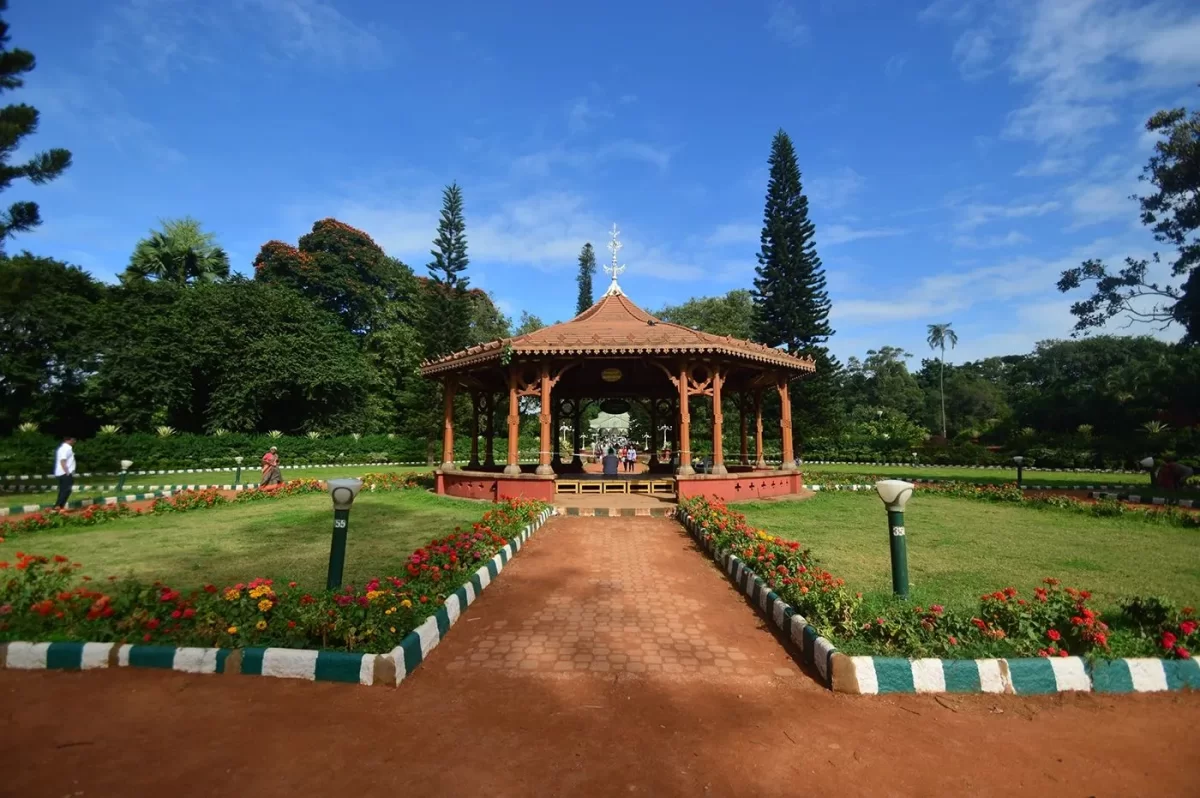
Visitors come to explore its extensive collection of native and exotic plant species, century-old trees, themed gardens, and the iconic glasshouse inspired by London\'s Crystal Palace. The garden is one of Bengaluru’s most important green spaces and serves as a major center for botanical conservation, education, and recreation.

Quick Facts About Lalbagh Botanical Garden

Lalbagh Botanical Garden Quick Facts

Entry Fee 50 for adults and 20 for children (6–12 years); free entry during designated morning and evening walking hours. Fees may change during special flower shows.
Timings Generally open daily from 6:00 AM to 7:00 PM.
Altitude (m) Approximately 920 m above sea level
Ideal Visit Duration 2–4 hours
Best Time of Day Early morning for pleasant weather or during flower show seasons for the best experience.
Crowd Level Moderate to high; extremely crowded during Republic Day and Independence Day flower shows.
Distance from City Centre (km) Approximately 4 km from Vidhana Soudha and Bengaluru city centre.
Walking Difficulty Easy; well-maintained walking paths throughout the garden.
Parking Available Yes, parking facilities are available near the East Gate and other designated entrances.
Last Mile Access Direct access by road and Namma Metro (Lalbagh Metro Station), followed by a short walk to the garden entrances.
Suitable for Kids Yes
Suitable for Seniors Yes
Wheelchair Friendly Yes; major pathways and visitor areas are accessible.

Why Visit Lalbagh Botanical Garden Bengaluru

Visitors come to Lalbagh Botanical Garden to explore one of India’s most renowned botanical gardens, known for its diverse plant collections, landscaped grounds, and horticultural heritage.

The atmosphere is peaceful and refreshing, with tree-lined pathways, expansive lawns, lakes, and themed gardens providing a welcome escape within the city.

What makes Lalbagh Botanical Garden distinct is its extensive collection of rare and exotic plant species, the iconic Glass House inspired by London’s Crystal Palace, and its role as a leading center for botanical research and conservation in southern India.

History of Lalbagh Botanical Garden

Lalbagh Botanical Garden in Bengaluru traces its origins to the 18th century when Hyder Ali initiated the development of a royal garden inspired by the botanical gardens of the Mughal era. The project was later expanded by his son, Tipu Sultan, who introduced numerous exotic plant species from different parts of the world and transformed the garden into an important horticultural center.

During the British period, Lalbagh underwent further development and became a major botanical research and plant conservation institution. Several iconic features, including the Glass House built in 1889 and inspired by London's Crystal Palace, were added during this era, enhancing the garden's scientific and architectural significance.

Today, Lalbagh Botanical Garden is one of India's most renowned botanical gardens, preserving a rich collection of rare and exotic plants while serving as a landmark of Bengaluru's horticultural heritage and environmental history.

Best Time to Visit Lalbagh Botanical Garden

Lalbagh Botanical Garden is best visited from October to February when Bengaluru enjoys pleasant weather, making it comfortable to explore the expansive gardens, historic glasshouse, lakes, and diverse plant collections.

  • Ideal months: October to February is the most favorable period to visit Lalbagh Botanical Garden, offering comfortable temperatures and excellent conditions for nature walks and sightseeing.
  • Weather conditions during the best season: Cool mornings, pleasant afternoons, blooming seasonal flowers, and lower humidity provide ideal conditions for exploring the garden's landscapes, photographing rare plant species, and enjoying outdoor recreation.
  • Periods to avoid: March to May can be warmer during the afternoon, making extended outdoor exploration less comfortable. The monsoon season from June to September brings periodic rainfall that may affect walks through the garden, although the greenery is at its most vibrant during this period. Flower Shows held around Republic Day and Independence Day attract significantly larger crowds.

How to Reach Lalbagh Botanical Garden

  • Nearest Airport: Kempegowda International Airport Bengaluru, located approximately 38 km from Lalbagh Botanical Garden, is the nearest airport. Taxis, app-based cabs, airport buses, and metro connectivity provide convenient access to the garden.
  • Nearest Railway Station: KSR Bengaluru City Railway Station, about 6 km away, is the nearest major railway station and offers extensive connectivity to destinations across India.
  • Road Access and Last-Mile Connectivity: Lalbagh Botanical Garden is situated in south Bengaluru and is easily accessible by private vehicle, taxi, auto-rickshaw, BMTC bus, and Namma Metro. Lalbagh Metro Station on the Green Line is located adjacent to the garden, providing convenient public transport access. The final approach is fully motorable, with multiple entry gates and parking facilities available nearby. Traffic congestion may be experienced during weekends, flower shows, and public holidays.

What to Expect When You Visit Lalbagh Botanical Garden

  • Environment and Surroundings: Lalbagh Botanical Garden is a large urban botanical garden in Bengaluru featuring extensive lawns, heritage trees, themed plant collections, a lake, and the iconic Glass House. Visitors can expect a green and well-maintained environment that contrasts with the surrounding cityscape.
  • Facilities and Amenities: The garden offers facilities such as ticket counters, restrooms, drinking water points, seating areas, walking tracks, parking, and food kiosks in designated sections. Additional restaurants and city services are available nearby.
  • Accessibility and Movement: Lalbagh is easily accessible by road and metro. The garden covers a large area, and visitors should expect moderate walking on paved pathways and garden trails to explore different sections and attractions.
  • Visitor Conditions: Visitors commonly come for morning walks, plant viewing, photography, birdwatching, and relaxation. The garden experiences higher footfall during weekends, public holidays, and the renowned flower shows held around Republic Day and Independence Day, when visitor numbers increase significantly.

Important Visitor Information for Lalbagh Botanical Garden

  • Lalbagh Botanical Garden experiences its highest visitor numbers during weekends, public holidays, flower shows, and the pleasant months from October to February.
  • Early morning hours generally offer a quieter atmosphere and are particularly popular with walkers, joggers, photographers, and nature enthusiasts.
  • Bengaluru's moderate climate makes the garden enjoyable throughout the year, though monsoon showers may occasionally make pathways wet and slippery.
  • No specific dress code applies, though comfortable clothing, walking footwear, and sun protection are recommended for exploring the extensive garden grounds.
  • Visitors should remain on designated pathways, avoid damaging plant collections, follow garden regulations, and exercise caution near water bodies and wet surfaces during rainy weather.

Photography and Viewpoints at Lalbagh Botanical Garden

  • The Glass House is the garden's most iconic photography subject, offering striking compositions of Victorian-era architecture, landscaped flower beds, and seasonal floral displays.
  • Early morning provides the best lighting conditions, fewer visitors, and excellent opportunities to photograph the garden's lakes, ancient trees, and diverse plant collections.
  • The Lalbagh Rock viewpoint offers panoramic views of Bengaluru's skyline and surrounding greenery, making it one of the most rewarding locations for landscape photography within the garden.
  • The lake, lotus ponds, bonsai garden, topiary sections, and century-old trees provide varied subjects for nature, botanical, and wildlife photography throughout the year.
  • Flower Shows held during Republic Day and Independence Day periods transform the Glass House into a major photography attraction featuring elaborate floral installations.
  • Photography is generally permitted throughout the public areas of the garden, but commercial shoots, professional equipment setups, and drone operations may require prior permission from the authorities.
  • Weekday mornings usually provide the quietest conditions for photography, while weekends, holidays, and flower show periods can attract large crowds to the most popular viewpoints and garden sections.

Near By Attraction

 Temple

Shri Gavi Gangadhareshwara Swamy Temple

Shri Gavi Gangadhareshwara Swamy Temple is an ancient rock-cut Hindu temple dedicated to Lord Shiva, located in Gavipuram, Bengaluru, Karnataka.

 Temple

Omkareshwara Temple

Omkareshwara Temple is a Hindu temple dedicated to Lord Shiva, located in Bengaluru, Karnataka, and known for its distinctive blend of Gothic and Islamic architectural influences.

 Garden

Sri Chamarajendra Park

Sri Chamarajendra Park, popularly known as Cubbon Park, is a large public park in Bengaluru.

Frequently Asked Questions About Lalbagh Botanical Garden

Loved this place ? Let’s Plan Your Karnataka Trip

Get customized Karnataka tour planning designed around regional diversity, seasonal weather shifts, road travel distances, and realistic pacing. Whether you are visiting for heritage monuments, temple architecture, hill retreats, wildlife reserves, beach

⚡ Quick Response | 💰 Free consultation | 🕒 24×7 expert support

×

Plan Your Trip