Kudupu Ananthapadmanabha Temple, Mangaluru, Karnataka, India

Kudupu Ananthapadmanabha Temple , Mangaluru
Visitors come to worship the presiding deity, participate in traditional temple rituals, and experience one of the important Vaishnav pilgrimage sites in the Dakshina Kannada region. The temple is particularly known for its annual Nagaradhane (serpent worship) traditions and its long-standing religious significance in coastal Karnataka.

Quick Facts About Kudupu Ananthapadmanabha Temple

Kudupu Ananthapadmanabha Temple Quick Facts

Entry Fee No entry fee
Timings 6:30 AM–1:00 PM and 4:45 PM–8:00 PM daily.
Altitude (m) Approximately 70 m above sea level
Ideal Visit Duration 1–2 hours
Best Time of Day Morning for peaceful darshan and participation in temple rituals.
Crowd Level Moderate; significantly higher during Nagara Panchami, Subrahmanya Shashti, and annual temple festivals.
Distance from City Centre (km) Approximately 10 km from Mangaluru city centre.
Walking Difficulty Easy
Parking Available Yes, parking facilities are available near the temple premises.
Last Mile Access Direct road access via Kudupu, Vamanjoor, followed by a short walk to the temple entrance.
Suitable for Kids Yes
Suitable for Seniors Yes
Wheelchair Friendly Partially; major temple areas are accessible, though some traditional sections may have steps.

Why Visit Kudupu Ananthapadmanabha Temple Mangaluru

Visitors come to Kudupu Ananthapadmanabha Temple to worship Lord Ananthapadmanabha and experience one of the respected spiritual landmarks in the Mangaluru region.

The atmosphere is peaceful and devotional, with daily rituals, traditional ceremonies, and devotees visiting the temple for prayers and religious observances throughout the year.

What makes Kudupu Ananthapadmanabha Temple distinct is its long-standing religious heritage, serene surroundings, and its association with traditional coastal Karnataka temple practices dedicated to Lord Vishnu in his Ananthapadmanabha form.

History of Kudupu Ananthapadmanabha Temple

Kudupu Ananthapadmanabha Temple, located near Mangaluru in Karnataka, is a revered Hindu shrine dedicated to Lord Ananthapadmanabha, a reclining form of Lord Vishnu. The temple has a long religious history and is considered one of the important Vaishnavite pilgrimage centers in the Tulu Nadu region.

According to local tradition, the temple's origins are linked to the sage Jaimini, a disciple of Maharishi Vyasa, who is believed to have installed the deity at this sacred site. Over the centuries, the temple developed into a prominent center of worship and became closely associated with the spiritual traditions of coastal Karnataka.

The temple is particularly known for its annual Nagaradhane (serpent worship) rituals and festivals, which attract large numbers of devotees. Today, Kudupu Ananthapadmanabha Temple remains an important religious landmark, preserving centuries-old traditions of worship and cultural heritage.

Best Time to Visit Kudupu Ananthapadmanabha Temple

Kudupu Ananthapadmanabha Temple is best visited from October to March when Mangaluru experiences pleasant weather, making it comfortable for darshan, spiritual activities, and exploring the temple's serene surroundings.
  • Ideal months: October to March is the most favorable period to visit Kudupu Ananthapadmanabha Temple, offering comfortable temperatures and enjoyable conditions for pilgrimage and sightseeing.
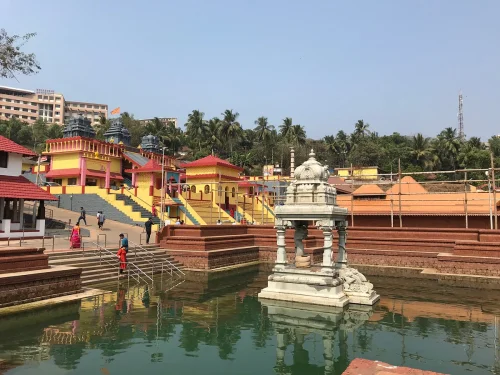
  • Weather conditions during the best season: Pleasant mornings, moderate daytime temperatures, lower humidity, and clear weather provide ideal conditions for attending temple rituals, exploring the sacred pond, and experiencing the peaceful atmosphere of the temple complex.
  • Periods to avoid: June to September brings heavy monsoon rainfall to coastal Karnataka, which can affect travel and outdoor exploration. April and May are generally hot and humid, making daytime visits less comfortable. Annual temple festivals, Nagara Panchami celebrations, and major religious occasions attract significantly larger crowds and longer waiting times for darshan.

How to Reach Kudupu Ananthapadmanabha Temple

  • Nearest Airport: Mangalore International Airport, located approximately 12 km from Kudupu Ananthapadmanabha Temple, is the nearest airport. Taxis, app-based cabs, and local transport are readily available for the onward journey.
  • Nearest Railway Station: Mangaluru Junction Railway Station, about 8 km away, is the nearest railway station. Mangaluru Central Railway Station, approximately 10 km away, is another convenient railhead with extensive connectivity.
  • Road Access and Last-Mile Connectivity: Kudupu Ananthapadmanabha Temple is situated in Kudupu on the outskirts of Mangaluru and is well connected by road from the city center, airport, and nearby towns. Visitors can reach the temple by private vehicle, taxi, auto-rickshaw, city bus, or local transport. The final approach is fully motorable, with parking facilities available near the temple complex. The temple remains accessible throughout the year, though visitor numbers increase during temple festivals, Nagara Panchami, and other major religious occasions.

What to Expect When You Visit Kudupu Ananthapadmanabha Temple

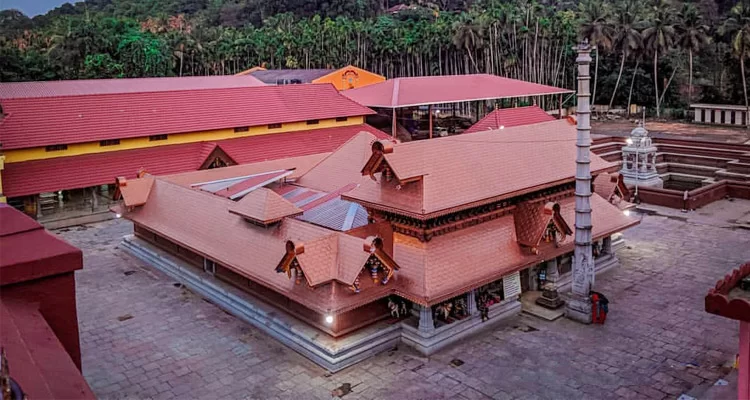
  • Environment and Surroundings: Kudupu Ananthapadmanabha Temple is a revered Hindu temple near Mangaluru dedicated to Lord Ananthapadmanabha. Visitors can expect a peaceful spiritual atmosphere, traditional temple architecture, sacred ponds, and a setting surrounded by greenery and local village landscapes.
  • Facilities and Amenities: Basic visitor facilities such as shoe storage areas, drinking water points, prasadam counters, rest areas, and shops selling religious offerings are available near the temple. Additional restaurants, accommodation options, and city services can be found in Mangaluru.
  • Accessibility and Movement: The temple is easily accessible by road and can be explored comfortably on foot through courtyards, prayer halls, and designated worship areas. Movement within the temple complex is generally straightforward and suitable for most visitors.
  • Visitor Conditions: Devotees visit throughout the year for darshan, special pujas, and religious ceremonies. Crowd levels increase during annual temple festivals, Ekadashi observances, weekends, and major Hindu celebrations. Visitors are expected to follow temple customs, dress modestly, and maintain respectful conduct within the sacred premises.

Important Visitor Information for Kudupu Ananthapadmanabha Temple

  • Kudupu Ananthapadmanabha Temple experiences higher devotee footfall during Nagaradhane celebrations, major Hindu festivals, weekends, and special temple events.
  • Early morning hours generally offer a peaceful atmosphere for darshan and worship, while evenings and festival periods tend to attract larger crowds.
  • The temple remains accessible throughout the year, though monsoon rains may occasionally affect movement around the temple premises and nearby roads.
  • Modest attire is recommended within the temple premises, and footwear must be removed before entering the shrine area.
  • Visitors should follow temple customs, maintain decorum during prayers and rituals, respect queue arrangements during peak periods, and observe any photography restrictions within the temple complex.

Photography and Viewpoints at Kudupu Ananthapadmanabha Temple

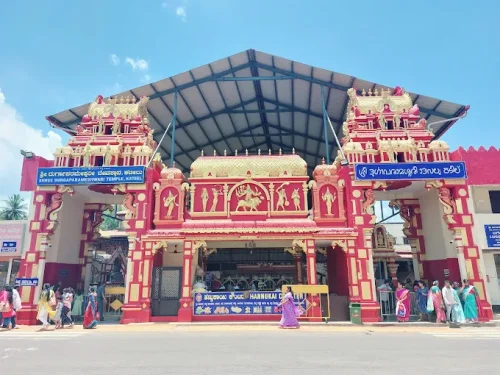
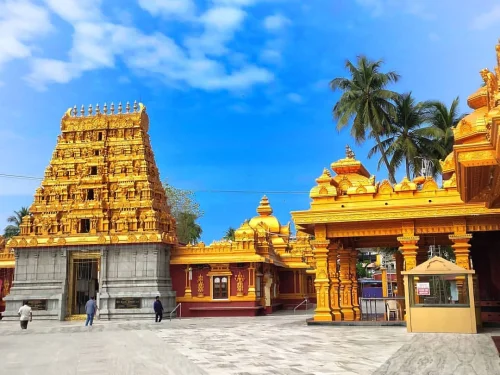
  • The best photographs are captured from the temple entrance and courtyard, where the traditional coastal Karnataka architecture, temple pond, and serene surroundings can be framed together.
  • Early morning provides soft natural light and a peaceful atmosphere, making it ideal for photographing the temple exterior and architectural details before devotee activity increases.
  • The temple's carved wooden elements, decorative pillars, shrines, and traditional tiled-roof structures are best photographed during daylight hours when craftsmanship and textures are clearly visible.
  • The sacred pond and landscaped temple grounds offer attractive opportunities for reflection photography and wider compositions of the temple complex.
  • Photography is generally permitted in the exterior areas of the temple complex, but photography inside the sanctum sanctorum and during religious rituals may be restricted. Visitors should follow instructions issued by temple authorities.
  • Nagara Panchami, annual temple festivals, weekends, and major religious occasions attract larger crowds, which can affect access to preferred photography locations within the premises.
  • Tripods, commercial photography equipment, videography setups, and drone operations may require prior permission and may be restricted within the temple complex.

Near By Attraction

Sri Kshetra Dharmasthala Manjunatha Swamy Temple Temple

Sri Kshetra Dharmasthala Manjunatha Swamy Temple

Sri Kshetra Dharmasthala Manjunatha Swamy Temple is a renowned Hindu pilgrimage temple dedicated to Lord Manjunatha (Shiva), located in Dharmasthala, Dakshina Kannada district, Karnataka.

Kateel Durga Parameshwari Temple Temple

Kateel Durga Parameshwari Temple

Kateel Durga Parameshwari Temple is a prominent Hindu temple dedicated to Goddess Durga Parameshwari, located on an islet in the Nandini River at Kateel in Dakshina Kannada district, Karnataka.

Mangaladevi Temple Temple

Mangaladevi Temple

Mangaladevi Temple is a historic Hindu temple dedicated to Goddess Mangaladevi, located in Mangaluru, Karnataka, and is widely regarded as the origin of the city's name.

Frequently Asked Questions About Kudupu Ananthapadmanabha Temple

Loved this place ? Let’s Plan Your Karnataka Trip

Get customized Karnataka tour planning designed around regional diversity, seasonal weather shifts, road travel distances, and realistic pacing. Whether you are visiting for heritage monuments, temple architecture, hill retreats, wildlife reserves, beach

⚡ Quick Response | 💰 Free consultation | 🕒 24×7 expert support

×

Plan Your Trip