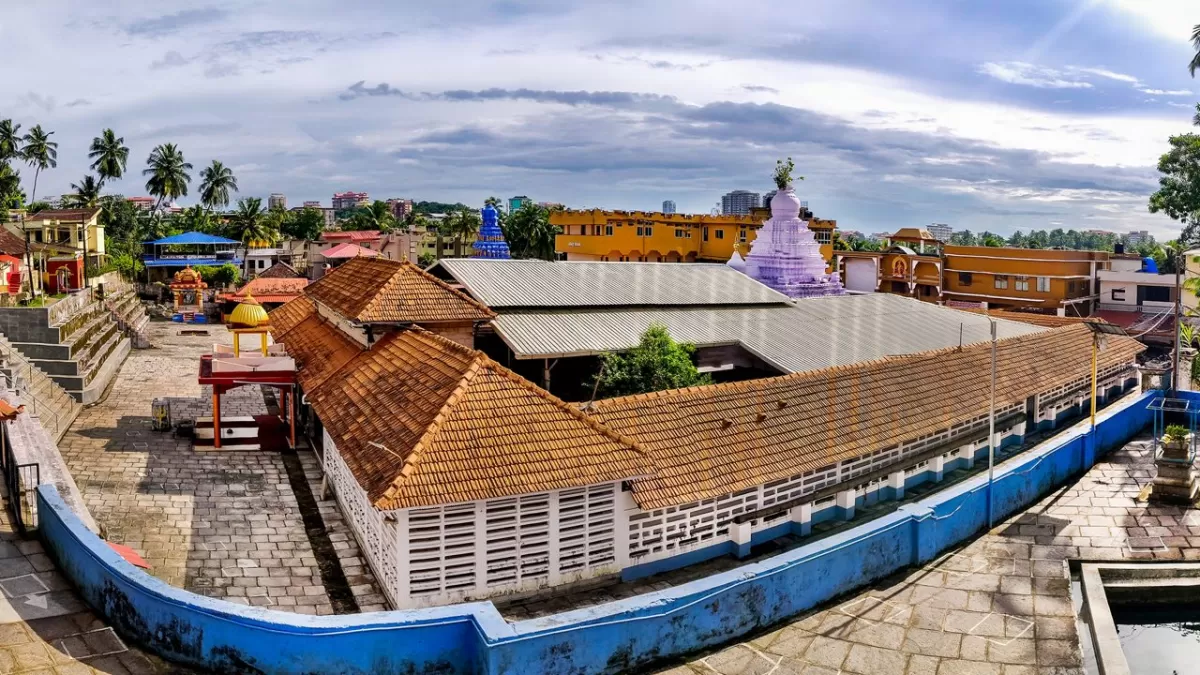
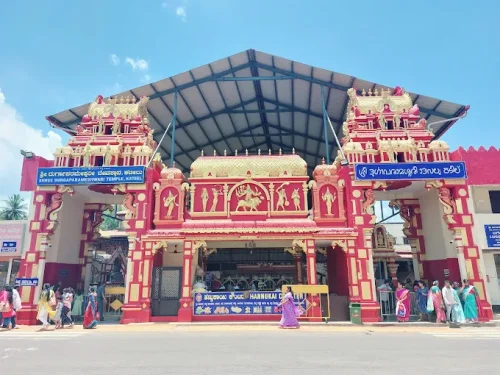
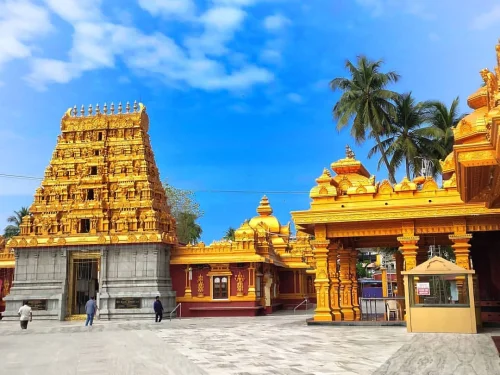
Kadri Manjunatha Temple, Mangaluru, Karnataka, India

Kadri Manjunatha Temple , Mangaluru
Visitors come to worship the presiding deity, view the historic bronze idols, and explore a temple complex that reflects both Shaivite and Buddhist influences. The temple is known for its traditional architecture, sacred ponds, and long religious history, making it an important pilgrimage and heritage destination in coastal Karnataka.

Quick Facts About Kadri Manjunatha Temple

Kadri Manjunatha Temple Quick Facts

Entry Fee No entry fee
Timings Generally open from 5:30 AM–1:00 PM and 4:00 PM–8:00 PM daily.
Altitude (m) Approximately 70 m above sea level
Ideal Visit Duration 1–2 hours
Best Time of Day Early morning for peaceful darshan and to explore the temple ponds and surroundings.
Crowd Level Moderate to high; especially during Maha Shivaratri, annual Jathra Mahotsava, Mondays, and weekends.
Distance from City Centre (km) Approximately 4 km from Mangaluru city centre.
Walking Difficulty Easy
Parking Available Yes, free parking facilities are available near the temple complex.
Last Mile Access Direct road access via Kadri Hills Road followed by a short walk to the temple entrance.
Suitable for Kids Yes
Suitable for Seniors Yes
Wheelchair Friendly Partially; major temple areas are accessible, though some sections and pond areas may have steps.

Why Visit Kadri Manjunatha Temple Mangaluru

Visitors come to Kadri Manjunatha Temple to worship Lord Manjunatha (Shiva) and explore one of the oldest and most important temples in the Mangaluru region.

The atmosphere is peaceful and devotional, with devotees participating in daily rituals, offering prayers, and visiting the temple’s sacred ponds and surrounding shrines.

What makes Kadri Manjunatha Temple distinct is its blend of Hindu and Buddhist influences, historic bronze idols, natural spring-fed holy tanks, and its significance as a major spiritual and cultural landmark of coastal Karnataka.

History of Kadri Manjunatha Temple

Kadri Manjunatha Temple, located in Mangaluru, Karnataka, is one of the oldest and most significant temples in the region. Dedicated to Lord Manjunatha, a form of Lord Shiva, the temple has a history that dates back to at least the 10th–11th centuries and reflects the religious and cultural evolution of coastal Karnataka.

The site is notable for its historical association with both Buddhism and Hinduism. Archaeological evidence and inscriptions indicate that Kadri was once an important Buddhist center before evolving into a major Shaivite pilgrimage site. The temple is renowned for its bronze idols, including one of the oldest known bronze statues in South India.

Over the centuries, Kadri Manjunatha Temple received patronage from various dynasties and became a prominent center of worship in the Tulu Nadu region. Today, it remains an important religious and heritage landmark, attracting devotees and visitors interested in its unique blend of history, architecture, and spiritual traditions.

Best Time to Visit Kadri Manjunatha Temple

Kadri Manjunatha Temple is best visited from October to March when Mangaluru experiences pleasant weather, making it comfortable for darshan, spiritual activities, and exploring one of Karnataka's oldest and most important temple complexes.
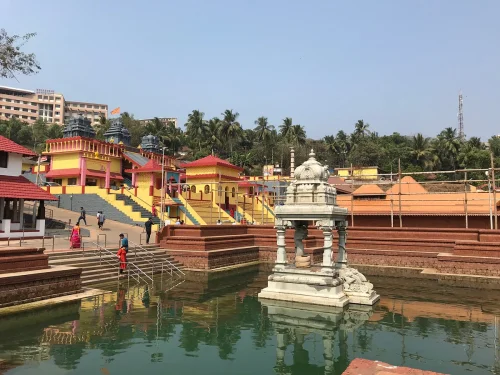
  • Ideal months: October to March is the most favorable period to visit Kadri Manjunatha Temple, offering comfortable temperatures and enjoyable conditions for pilgrimage and sightseeing.
  • Weather conditions during the best season: Pleasant mornings, moderate daytime temperatures, lower humidity, and clear weather provide ideal conditions for exploring the temple's historic architecture, sacred ponds, and hilltop surroundings.
  • Periods to avoid: June to September brings heavy monsoon rainfall to Mangaluru, which can affect outdoor exploration and local travel. April and May are generally hot and humid, making daytime visits less comfortable. Major temple festivals and annual religious celebrations attract significantly larger crowds and longer waiting times for darshan.

How to Reach Kadri Manjunatha Temple

  • Nearest Airport: Mangalore International Airport, located approximately 15 km from Kadri Manjunatha Temple, is the nearest airport. Taxis, app-based cabs, and local transport are readily available for the short onward journey.
  • Nearest Railway Station: Mangaluru Junction Railway Station, about 4 km away, is the nearest railway station. Mangaluru Central Railway Station, approximately 6 km away, is another convenient railhead with extensive connectivity.
  • Road Access and Last-Mile Connectivity: Kadri Manjunatha Temple is situated in the Kadri area of Mangaluru and is easily accessible by private vehicle, taxi, auto-rickshaw, city bus, or local transport. The final approach is fully motorable, with parking facilities available near the temple complex. Visitors can reach the temple entrance with minimal walking. Traffic congestion may occur during weekends, festivals, and major religious celebrations.

What to Expect When You Visit Kadri Manjunatha Temple

  • Environment and Surroundings: Kadri Manjunatha Temple is one of the oldest temples in Mangaluru, situated at the base of the Kadri Hills. Visitors can expect a peaceful religious setting featuring traditional temple architecture, sacred ponds, stone sculptures, and a blend of Hindu and Buddhist historical influences.
  • Facilities and Amenities: Basic visitor facilities such as shoe storage areas, drinking water points, prasadam counters, rest spaces, and shops selling religious offerings are available near the temple. Additional restaurants, accommodation options, and city services can be found in Mangaluru.
  • Accessibility and Movement: The temple is easily accessible by road and can be explored comfortably on foot through courtyards, prayer halls, sacred tanks, and surrounding pathways. Some areas may involve steps and uneven stone surfaces typical of historic temple complexes.
  • Visitor Conditions: Devotees visit throughout the year for darshan, rituals, and religious ceremonies. Crowd levels increase during Makara Sankranti, annual temple festivals, Mondays, and other major Hindu observances. Visitors are expected to dress modestly, follow temple customs, and maintain respectful conduct within the sacred premises.

Important Visitor Information for Kadri Manjunatha Temple

  • Kadri Manjunatha Temple experiences high devotee footfall during Mahashivratri, Mondays, weekends, and major Hindu festivals, often resulting in longer darshan queues.
  • Early morning hours generally offer a peaceful atmosphere for worship and darshan, while evenings and festival periods tend to attract larger crowds.
  • The temple remains accessible throughout the year, though monsoon rains may occasionally affect movement around the temple complex and surrounding pathways.
  • Modest attire is recommended within the temple premises, and footwear must be removed before entering the shrine area.
  • Visitors should respect temple customs, maintain orderly queues during darshan, exercise caution near the sacred water tanks and stone steps, and follow any photography restrictions within the complex.

Photography and Viewpoints at Kadri Manjunatha Temple

  • The best photographs are captured from the temple forecourt and entrance plaza, where the historic temple complex, traditional South Indian architecture, and surrounding Kadri Hills can be framed together.
  • Early morning provides soft natural light and a peaceful atmosphere, making it ideal for photographing the temple exterior, sacred ponds, and architectural details before devotee activity increases.
  • The temple's bronze statues, ornate pillars, carved gateways, and distinctive blend of Hindu and Buddhist influences are best photographed during daylight hours when details are clearly visible.
  • The sacred natural springs (Gomukha) and temple tanks within the complex offer attractive photography opportunities, particularly when framed with the surrounding stone structures.
  • The elevated areas around Kadri Hills provide wider perspectives of the temple complex and its lush surroundings, especially during clear weather conditions.
  • Photography is generally permitted in the exterior sections of the temple complex, but photography inside the sanctum sanctorum, museum areas, and during religious rituals may be restricted. Visitors should follow instructions issued by temple authorities.
  • Makara Sankranti celebrations, annual temple festivals, weekends, and major religious occasions attract larger crowds, while weekday mornings usually provide quieter conditions and unobstructed photography opportunities.

Near By Attraction

Sri Kshetra Dharmasthala Manjunatha Swamy Temple Temple

Sri Kshetra Dharmasthala Manjunatha Swamy Temple

Sri Kshetra Dharmasthala Manjunatha Swamy Temple is a renowned Hindu pilgrimage temple dedicated to Lord Manjunatha (Shiva), located in Dharmasthala, Dakshina Kannada district, Karnataka.

Kudupu Ananthapadmanabha Temple Temple

Kudupu Ananthapadmanabha Temple

Kudupu Ananthapadmanabha Temple is a historic Hindu temple dedicated to Lord Ananthapadmanabha (a reclining form of Lord Vishnu), located in Kudupu near Mangaluru, Karnataka.

Kateel Durga Parameshwari Temple Temple

Kateel Durga Parameshwari Temple

Kateel Durga Parameshwari Temple is a prominent Hindu temple dedicated to Goddess Durga Parameshwari, located on an islet in the Nandini River at Kateel in Dakshina Kannada district, Karnataka.

Frequently Asked Questions About Kadri Manjunatha Temple

Loved this place ? Let’s Plan Your Karnataka Trip

Get customized Karnataka tour planning designed around regional diversity, seasonal weather shifts, road travel distances, and realistic pacing. Whether you are visiting for heritage monuments, temple architecture, hill retreats, wildlife reserves, beach

⚡ Quick Response | 💰 Free consultation | 🕒 24×7 expert support

×

Plan Your Trip