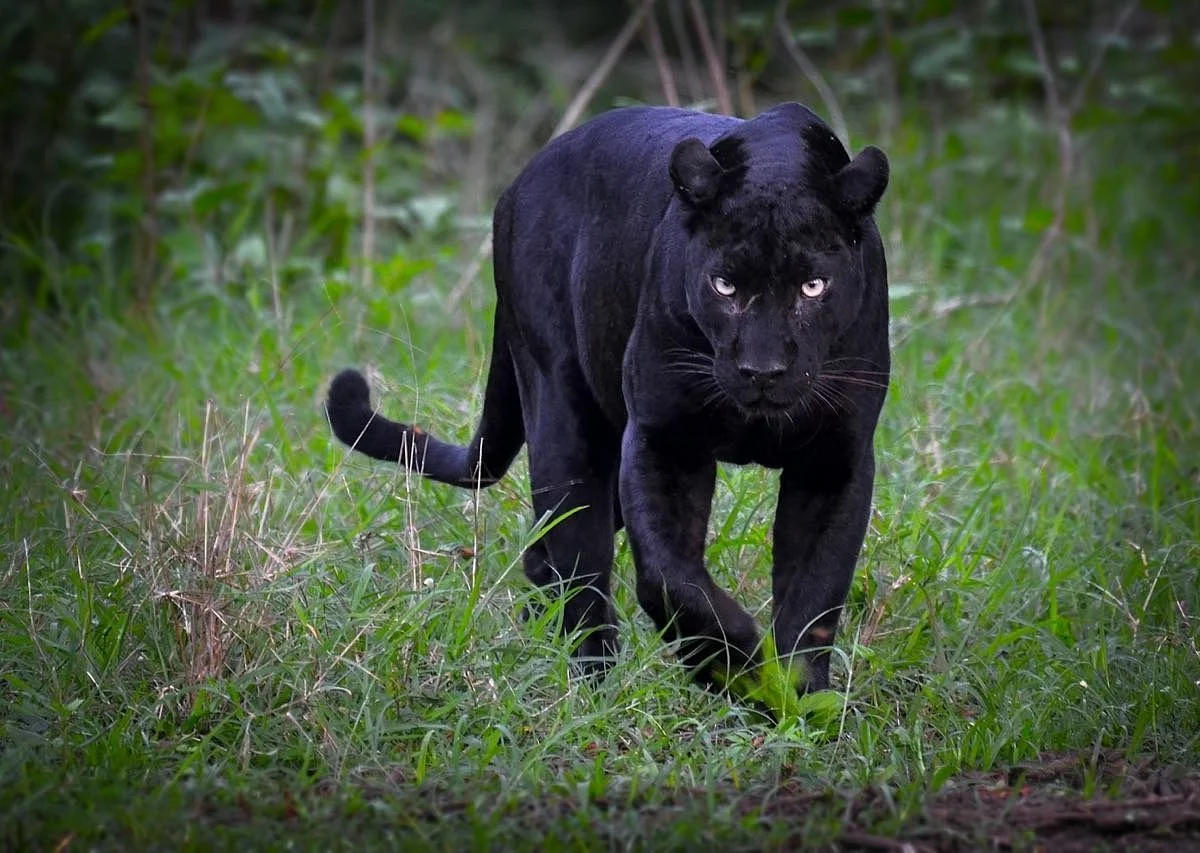
Kabini National Park, Nagarahole, Karnataka, India

Kabini National Park , Kabini
The park forms part of the Nilgiri Biosphere Reserve and is a popular destination for wildlife safaris, especially for sightings of elephants, tigers, deer, and various bird species. Visitors come for jeep safaris, nature experiences, and exploration of the Western Ghats ecosystem.

Quick Facts About Kabini National Park

Kabini National Park, Karnataka Quick Facts

Entry Fee Entry fee varies based on safari type, vehicle category, and forest department regulations.
Timings Safari timings vary by season; morning and afternoon safari slots are generally available as per forest department schedules.
Altitude (m) Approximately 700 m
Ideal Visit Duration 1–2 days for safari experiences and exploring the surrounding forest region.
Best Time of Day Early morning safari for better wildlife sightings and cooler weather conditions.
Crowd Level Moderate; higher during weekends, holidays, and peak wildlife tourism months.
Distance from City Centre (km) Approximately 80 km from Mysuru city centre; distances vary depending on the entry zone.
Walking Difficulty Easy; most visitors explore through jeep safaris and boat safaris rather than long walks.
Parking Available Yes, parking is available near safari booking and entry points.
Last Mile Access Accessible by road to safari zones and resorts; forest entry is permitted only through authorized safari routes.
Suitable for Kids Yes, but children should follow safari safety guidelines and remain supervised.
Suitable for Seniors Yes; jeep and boat safaris are suitable, though rough forest roads may be uncomfortable for some visitors.
Wheelchair Friendly Partially; safari areas have limited accessibility, and assistance may be required for boarding vehicles or boats.

Why Visit Kabini National Park, Karnataka

Visitors come to Kabini National Park to experience wildlife sightings, forest landscapes, and the rich biodiversity of the Nagarhole region. The park is especially known for its opportunities to spot elephants, deer, gaur, and other native species, along with occasional sightings of tigers and leopards.

The atmosphere is peaceful and natural, with dense forests, the Kabini River, grasslands, and open areas creating a diverse wildlife habitat. Safari experiences by jeep and boat allow visitors to explore different parts of the landscape while observing animals in their natural surroundings.

What makes Kabini National Park distinct is the combination of wildlife-rich forests, riverine scenery, and its location within the larger Nilgiri Biosphere landscape. The region offers a balanced experience of nature, photography, and wildlife observation away from urban surroundings.

History of Kabini National Park, Karnataka

Kabini National Park is part of the larger Nagarhole National Park landscape in Karnataka and lies along the Kabini River. The region was historically a private hunting ground of the rulers of the Mysore Kingdom, where royal hunting expeditions were conducted before wildlife conservation measures were introduced.

After India gained independence, the area gradually shifted from a hunting reserve to a protected wildlife habitat. Nagarhole was declared a wildlife sanctuary in 1955 and later upgraded to a national park in 1988. The Kabini region became an important part of conservation efforts for species such as the Bengal tiger, Asian elephant, and other forest wildlife.

Today, Kabini is recognized as one of Karnataka's important wildlife destinations and forms part of the Nilgiri Biosphere Reserve. Visitors come to experience its forests, river ecosystem, and wildlife safaris while exploring a landscape shaped by both natural heritage and conservation history.

Best Time to Visit Kabini National Park, Karnataka

The best time to visit Kabini National Park is from October to May, with the dry months from March to May offering some of the best opportunities for wildlife sightings. The park remains accessible for safaris during the year, but seasonal changes affect animal activity, vegetation, and safari conditions.

  • Ideal months: October to May, with March to May being particularly suitable for spotting wildlife near water sources, while October to February offers pleasant weather and greener surroundings.
  • Best season conditions: Dry and warmer conditions during late summer increase chances of animal sightings, while the post-monsoon period provides comfortable safari experiences with refreshed forest landscapes.
  • Periods to avoid: June to September due to monsoon rainfall, which can affect safari operations, road conditions, and visibility. Some zones or activities may have seasonal restrictions depending on forest department regulations.

How to Reach Kabini National Park, Karnataka

  • Nearest Airport: The nearest major airport is Kempegowda International Airport, Bengaluru, approximately 220 km from Kabini National Park. Mysuru Airport, around 90 km away, is a closer option but has limited flight connectivity. Taxis and private vehicles are available from both airports.
  • Nearest Railway Station: Mysuru Junction Railway Station, about 80 km away, is the nearest major railhead. It is well connected with Bengaluru, Chennai, and other cities. From Mysuru, visitors can hire taxis or use buses to reach the Kabini region.
  • By Road: Kabini National Park is located near the Kabini Reservoir in the Mysuru district and is accessible by road from Mysuru, Bengaluru, and nearby towns. The route from Mysuru via H.D. Kote is the most commonly used approach. Private vehicles, taxis, and safari resort transfers are available. The last-mile roads near the forest area may have limited lighting and wildlife movement restrictions, so visitors should avoid late-night travel and follow forest department guidelines.

What to Expect When You Visit Kabini National Park, Karnataka

  • Kabini National Park is a forest and wildlife destination located along the Kabini River in the Mysuru and Kodagu region of Karnataka. The area is known for its forest landscapes, river views, and diverse wildlife including elephants, deer, gaur, and occasionally tigers.
  • Visitors experience the park mainly through authorized jeep safaris, boat rides, and nature activities operated through designated zones. Wildlife sightings depend on animal movement, season, and forest conditions, and cannot be guaranteed.
  • The safari routes pass through natural forest terrain with uneven tracks. Visitors should expect bumpy rides, dust during dry periods, and limited movement once inside safari vehicles.
  • Facilities are available mainly through resorts, forest department areas, and nearby villages. Basic amenities such as food, accommodation, parking, and transport services are available, but options are limited compared with city destinations.
  • Early morning and evening safaris are the most common timings because wildlife is generally more active during cooler hours. Visitors should follow safari schedules and arrive before reporting time.
  • The park has strict wildlife protection rules. Visitors must remain inside vehicles during safaris, avoid making loud noises, do not feed animals, and follow instructions from guides and forest staff.
  • Photography is popular, especially for wildlife and landscapes. Carrying a camera with a suitable zoom lens is helpful, but visitors should avoid using flash near animals or disturbing wildlife activity.
  • The region experiences warm weather for much of the year, while monsoon conditions can affect safari operations and road accessibility. Carrying drinking water, comfortable clothing, insect protection, and weather-appropriate gear is recommended.

Important Visitor Information for Kabini National Park, Karnataka

  • Crowd and weather: Kabini National Park attracts the highest number of visitors during the dry season from October to May, when wildlife sightings are generally better due to animals gathering near water sources. The monsoon season from June to September brings heavy rainfall, and safari operations may be affected depending on weather and forest conditions.
  • Peak and quiet visiting hours: Morning and evening safari slots are the busiest and most preferred timings for wildlife viewing. Early morning safaris are usually quieter and offer cooler conditions, while weekend and holiday safari slots often have higher demand.
  • Dress code: There is no formal dress code, but visitors should wear comfortable, neutral-coloured clothing suitable for forest areas. Light layers, a hat, and closed footwear are recommended, especially for early morning safaris.
  • Safety and practical cautions: Visitors must follow forest department and safari operator guidelines, remain inside safari vehicles or designated areas, and avoid making loud noises or feeding animals. Carrying identification documents is required for safari bookings, and personal movement inside restricted forest zones is not allowed.

Photography and Viewpoints at Kabini National Park, Karnataka

  • The safari routes through the forest and the Kabini backwaters are the main photography locations, offering opportunities to capture wildlife, river landscapes, and forest scenery.
  • Early morning and late afternoon safaris provide the best lighting conditions for wildlife photography, with softer light and higher animal activity compared to midday hours.
  • The Kabini River and reservoir viewpoints are ideal for landscape photographs, especially during sunrise and sunset when reflections on the water create clearer scenic compositions.
  • Photography is allowed during jeep and boat safaris, but visitors must follow park rules, remain inside safari vehicles or boats, and avoid using flash photography near animals.
  • Wildlife sightings depend on season, weather, and animal movement. Safari zones can become busy during peak tourist periods, so early bookings and less crowded safari timings may provide better photography opportunities.

Near By Attraction

Frequently Asked Questions About Kabini National Park

Kabini National Park is famous for its rich wildlife, scenic forest landscapes, elephant sightings, Royal Bengal Tigers, leopards, and exciting jungle safari experiences. It is one of the most popular wildlife destinations for nature lovers and photographers.
Kabini National Park is special for its diverse wildlife, beautiful backwaters, dense forests, and excellent chances of spotting elephants and other animals. The park offers thrilling jeep safaris, boat safaris, and peaceful nature experiences.
Kabini National Park is mainly divided into different safari zones including the Nagarhole Zone, Kabini Backwater Zone, and surrounding forest safari areas. Safari zones and routes are managed by forest authorities based on availability and conservation rules.
The Kabini Safari Zone is considered one of the best areas for wildlife sightings due to its rich animal population and scenic forest landscape. It offers good chances of spotting elephants, deer, gaur, and occasionally tigers and leopards.
The Kabini Safari Zone and forest areas around the backwaters are considered good for tiger sightings. However, wildlife sightings depend on natural conditions, animal movement, and luck during the safari.
Kabini National Park generally offers morning and evening safari sessions. Timings may change according to season, weather conditions, and forest department regulations, so visitors should confirm before planning their safari.
The best time to visit Kabini National Park is from October to May when wildlife sightings are better and the weather is comfortable. Summer months are also good for spotting animals near water sources.
Visitors can enjoy jeep safari and boat safari experiences in Kabini National Park. Jeep safaris are popular for exploring forest areas, while boat safaris provide opportunities to observe wildlife near the backwaters.
The entry fee for Kabini National Park depends on safari type, vehicle category, and current forest department charges. Visitors should check updated safari booking rates before planning their visit.
Parking facilities are available near safari booking points and entry areas of Kabini National Park. Visitors can park their private vehicles at designated locations before joining the safari.
Visitors can reach Kabini National Park by private car, local cab, or tourist vehicle. The destination is well connected by road from nearby cities and is convenient for wildlife tour packages.
The nearest airport to Kabini National Park is Mysore Airport, located around 90 km away. Visitors can hire a private car, local cab, or tourist vehicle for further travel.
The nearest railway station to Kabini National Park is Mysuru Junction Railway Station, located around 80 km away. Visitors can continue by private car, local cab, or tourist vehicle.
Kabini National Park is suitable for families and senior citizens. Visitors can enjoy comfortable safari experiences, nature views, and wildlife sightings while following forest safety guidelines.
Photography is allowed during safaris in Kabini National Park. Visitors should avoid using flash near animals, follow guide instructions, and maintain silence to avoid disturbing wildlife.
Visitors should stay inside safari vehicles, avoid feeding animals, follow guide instructions, maintain silence, and carry essentials like water and sun protection during safari experiences.
Nearby attractions from Kabini National Park include Kabini Dam, wildlife viewpoints, forest areas, and other natural sightseeing places that visitors can explore during their trip.
No separate permit is required for regular visitors, but safari entry tickets and forest department permissions are required to enter safari areas of Kabini National Park.

Loved this place ? Let’s Plan Your Karnataka Trip

Get customized Karnataka tour planning designed around regional diversity, seasonal weather shifts, road travel distances, and realistic pacing. Whether you are visiting for heritage monuments, temple architecture, hill retreats, wildlife reserves, beach

⚑ Quick Response | πŸ’° Free consultation | πŸ•’ 24Γ—7 expert support

×

Plan Your Trip