Bengaluru Fort, Bengaluru, Karnataka, India

Bengaluru Fort , Bengaluru
Visitors come to explore the surviving fort walls, ornate gateways, and historical remains that reflect the city\'s early history and the military architecture of the Mysore Kingdom. The fort is one of Bengaluru’s oldest heritage monuments and provides insight into the evolution of the city from a regional settlement to a major urban center.

Quick Facts About Bengaluru Fort

Bengaluru Fort Quick Facts

Entry Fee 15 for Indian visitors, 200 for foreign visitors, and free for children below 15 years (subject to ASI revisions).
Timings Generally open daily from 8:30 AM to 5:30 PM.
Altitude (m) Approximately 920 m above sea level
Ideal Visit Duration 1–2 hours
Best Time of Day Morning for comfortable exploration and photography.
Crowd Level Moderate; busiest during weekends, holidays, and the winter tourist season.
Distance from City Centre (km) Approximately 3 km from Majestic and Bengaluru city centre.
Walking Difficulty Easy; mostly flat pathways around the remaining fort structures.
Parking Available Limited parking is available near the fort entrance and surrounding roads.
Last Mile Access Direct road access via K.R. Market area followed by a short walk to the fort entrance.
Suitable for Kids Yes
Suitable for Seniors Yes
Wheelchair Friendly Partially; major accessible areas are flat, though some historic sections may have uneven surfaces.

Why Visit Bengaluru Fort

Visitors come to Bengaluru Fort to explore a historic landmark that reflects the city's early military and administrative history under Hyder Ali and Tipu Sultan.

The atmosphere is heritage-focused and relatively tranquil, with stone ramparts, gateways, and preserved sections of the fort offering a glimpse into Bengaluru’s past amid the modern cityscape.

What makes Bengaluru Fort distinct is its association with the Mysore rulers, its surviving granite fortifications, and its significance as one of the few remaining structures connected to Bengaluru’s pre-colonial history.

History of Bengaluru Fort

Bengaluru Fort traces its origins to 1537 when Kempe Gowda I, the founder of Bengaluru, constructed a mud fort to establish and protect his new settlement. The fort became the nucleus around which the city of Bengaluru gradually developed, marking the beginning of its urban history.

In the 18th century, Hyder Ali initiated the reconstruction of the fort in stone, a project later completed by his son, Tipu Sultan. The fortified structure played an important role in the military and political affairs of the Kingdom of Mysore and witnessed several conflicts, including battles involving the British East India Company.

Although much of the original fort has not survived, the remaining sections, including the impressive Delhi Gate, continue to reflect the architectural and historical legacy of the Mysore rulers. Today, Bengaluru Fort stands as one of the city's most significant heritage monuments, offering insight into the early history of Karnataka's capital.

Best Time to Visit Bengaluru Fort

Bengaluru Fort is best visited from October to February when Bengaluru enjoys pleasant weather, making it comfortable to explore the historic fort remains, architectural features, and nearby heritage attractions.
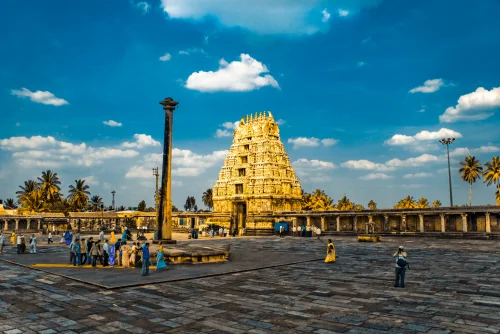
  • Ideal months: October to February is the most favorable period to visit Bengaluru Fort, offering comfortable temperatures and excellent conditions for heritage sightseeing.
  • Weather conditions during the best season: Cool mornings, pleasant afternoons, and relatively low humidity provide ideal conditions for exploring the fort's historic gateway, stone walls, and surrounding cultural landmarks.
  • Periods to avoid: March to May can be warmer during the afternoon, making outdoor exploration less comfortable. Bengaluru's monsoon seasons, typically from June to September and occasional post-monsoon showers in October, may affect sightseeing plans and photography around the open-air sections of the fort.

How to Reach Bengaluru Fort

  • Nearest Airport: Kempegowda International Airport Bengaluru, located approximately 35 km from Bengaluru Fort, is the nearest airport. Taxis, app-based cabs, airport buses, and metro connections provide convenient access to the city center.
  • Nearest Railway Station: KSR Bengaluru City Railway Station, about 3 km away, is the nearest major railway station and offers extensive connectivity to destinations across India.
  • Road Access and Last-Mile Connectivity: Bengaluru Fort is situated in the heart of Bengaluru near KR Market and is easily accessible by private vehicle, taxi, auto-rickshaw, BMTC bus, and Namma Metro. The final approach is fully motorable, followed by a short walk to the fort entrance. Traffic congestion is common in the surrounding market area, particularly during peak business hours, so visitors should allow extra travel time.

What to Expect When You Visit Bengaluru Fort

  • Environment and Surroundings: Bengaluru Fort is a historic fortification in the heart of Bengaluru, originally expanded by Tipu Sultan. Visitors can expect a compact heritage site featuring stone walls, fortified gateways, and remnants of the original fort complex amidst the surrounding urban landscape.
  • Facilities and Amenities: Basic visitor facilities such as ticket counters, information boards, seating areas, and parking options are available nearby. Restaurants, cafés, public transport, and other city amenities are easily accessible in the surrounding area.
  • Accessibility and Movement: The fort is easily accessible by road and metro and can be explored comfortably on foot. Movement within the site is generally straightforward, with paved paths and short walking distances between key features.
  • Visitor Conditions: Most visitors spend time exploring the historic gateway, fort walls, and learning about the site's connection to the history of Bengaluru and the Mysore Kingdom. Crowd levels are usually moderate, making it a relatively quick heritage visit compared to larger fort complexes in India.

Important Visitor Information for Bengaluru Fort

  • Bengaluru Fort receives the highest visitor numbers during weekends, public holidays, school vacations, and the pleasant tourism season from October to February.
  • Morning hours generally offer a quieter experience for exploring the fort's historic structures and gateways before larger visitor groups arrive.
  • Bengaluru's weather remains relatively pleasant throughout the year, though occasional monsoon showers may make pathways and stone surfaces slippery.
  • No specific dress code applies, though comfortable clothing and walking footwear are recommended for exploring the fort complex.
  • Visitors should avoid climbing on historic walls and structures, follow monument regulations, and exercise caution on uneven stone surfaces, especially during rainy weather.

Photography and Viewpoints at Bengaluru Fort

  • The best photographs are captured from the fort's historic stone gateways, bastions, and inner courtyards, where visitors can frame the surviving sections of the fort's granite architecture and military design.
  • Early morning and late afternoon provide the most favorable lighting conditions, highlighting the texture of the stone walls, arched entrances, and historic defensive structures.
  • The iconic Delhi Gate is one of the fort's most photogenic features, offering excellent opportunities for architectural photography and close-up shots of the fort's craftsmanship.
  • The elevated bastion areas provide attractive viewpoints of the fort complex and the surrounding urban landscape of central Bengaluru.
  • The fort's stone carvings, gateways, watchtowers, and remnants of the original fortifications are best photographed during daylight hours when details are clearly visible.
  • Photography is generally permitted throughout the monument complex, though visitors should follow any regulations issued by heritage authorities regarding protected historical structures.
  • Weekday mornings usually provide quieter conditions for photography, while weekends, holidays, and school visits may result in increased visitor activity around the fort.

Near By Attraction

Shri Gavi Gangadhareshwara Swamy Temple Temple

Shri Gavi Gangadhareshwara Swamy Temple

Shri Gavi Gangadhareshwara Swamy Temple is an ancient rock-cut Hindu temple dedicated to Lord Shiva, located in Gavipuram, Bengaluru, Karnataka.

Omkareshwara Temple Temple

Omkareshwara Temple

Omkareshwara Temple is a Hindu temple dedicated to Lord Shiva, located in Bengaluru, Karnataka, and known for its distinctive blend of Gothic and Islamic architectural influences.

Sri Chamarajendra Park Garden

Sri Chamarajendra Park

Sri Chamarajendra Park, popularly known as Cubbon Park, is a large public park in Bengaluru.

Frequently Asked Questions About Bengaluru Fort

Loved this place ? Let’s Plan Your Karnataka Trip

Get customized Karnataka tour planning designed around regional diversity, seasonal weather shifts, road travel distances, and realistic pacing. Whether you are visiting for heritage monuments, temple architecture, hill retreats, wildlife reserves, beach

⚡ Quick Response | 💰 Free consultation | 🕒 24×7 expert support

×

Plan Your Trip