Quick Facts About Baba Budan giri
Quick Facts About Baba Budangiri, Chikkamagaluru
| Entry Fee | Free |
|---|---|
| Timings | Open throughout the day; daylight hours are recommended for sightseeing. The shrine generally remains accessible from early morning until evening. |
| Altitude (m) | Approximately 1,895 m above sea level. |
| Ideal Visit Duration | 2–3 hours |
| Best Time of Day | Early morning for clear mountain views or late afternoon before sunset. |
| Crowd Level | Moderate on weekdays; high during weekends, public holidays, and the post-monsoon season. |
| Distance from City Centre (km) | Approximately 33 km from Chikkamagaluru city centre. |
| Walking Difficulty | Easy to moderate; short walks on paved paths and steps are required near the shrine and viewpoints. |
| Parking Available | Yes, parking is available near the main shrine and viewpoint areas. |
| Last Mile Access | Accessible by car, taxi, or motorcycle via a ghat road, followed by a short walk to the shrine and viewpoints. |
| Suitable for Kids | Yes, with adult supervision near viewpoints and steep edges. |
| Suitable for Seniors | Yes, though some walking on steps and sloping paths is required. |
| Wheelchair Friendly | Partially; parking areas are accessible, but the shrine and viewpoints involve steps and uneven terrain. |
Why Visit Baba Budangiri, Chikkamagaluru
Baba Budangiri is visited for its combination of religious significance, mountain scenery, and trekking opportunities. Travelers come to explore the revered shrine of Baba Budan while enjoying the high-altitude landscapes of the Western Ghats.
The atmosphere is cool and refreshing, with winding hill roads, rolling grasslands, rocky peaks, and panoramic viewpoints. Pilgrims, trekkers, and nature enthusiasts share the area, especially during the post-monsoon and winter months when visibility is at its best.
What makes Baba Budangiri distinct is its blend of spiritual heritage and natural beauty. The hill range is closely associated with the introduction of coffee cultivation to India and serves as a gateway to nearby attractions such as Manikyadhara Falls, Mullayanagiri, and Jhari Waterfalls.
History of Baba Budangiri, Chikkamagaluru
Baba Budangiri is a historic mountain range in Chikkamagaluru named after the revered Sufi saint Hazrat Dada Hayat Mir Qalandar, popularly known as Baba Budan. According to longstanding tradition, Baba Budan brought seven coffee beans from Yemen to India in the 17th century and planted them on these hills, marking the beginning of coffee cultivation in the country.
The hills are home to the sacred Baba Budan Giri Dargah, a pilgrimage site visited by both Muslims and Hindus for centuries. This shared place of worship reflects the region's long-standing tradition of communal harmony, while the surrounding hills remain an important landmark in the cultural and agricultural history of Karnataka.
Best Time to Visit Baba Budangiri, Chikkamagaluru
The best time to visit Baba Budangiri is from September to February, when the hills are lush after the monsoon and the weather is cool for sightseeing, trekking, and enjoying panoramic views. This season offers the most comfortable conditions for exploring the region.
- Ideal months: September to February for pleasant weather, green landscapes, and clear mountain views.
- Best-season weather: Cool temperatures, fresh mountain air, and post-monsoon greenery create excellent conditions for outdoor activities.
- Periods to avoid: Heavy monsoon months from June to August if continuous rainfall is expected, as roads and trekking trails can become slippery and fog may reduce visibility.
How to Reach Baba Budangiri Chikkamagaluru
- Nearest Airport: Mangaluru International Airport is the nearest airport, located about 175 km from Baba Budangiri. Taxis and buses are available to Chikkamagaluru, from where visitors can continue by road.
- Nearest Railway Station: Chikkamagaluru Railway Station is approximately 35 km away, while Kadur Junction, about 75 km away, offers better rail connectivity to major cities. Taxis can be hired from both stations.
- Road Access: Baba Budangiri is well connected by road from Chikkamagaluru via SH 57 and the scenic Baba Budangiri Road. Private vehicles, taxis, and KSRTC buses operate up to the hill region, though the route includes steep ghat sections and sharp bends.
- Last Mile Connectivity: Visitors can reach the shrine and viewpoints directly by road. During the monsoon, fog, rain, and slippery conditions may affect visibility and driving, so extra caution is advised.
What to Expect When You Visit Baba Budangiri, Chikkamagaluru
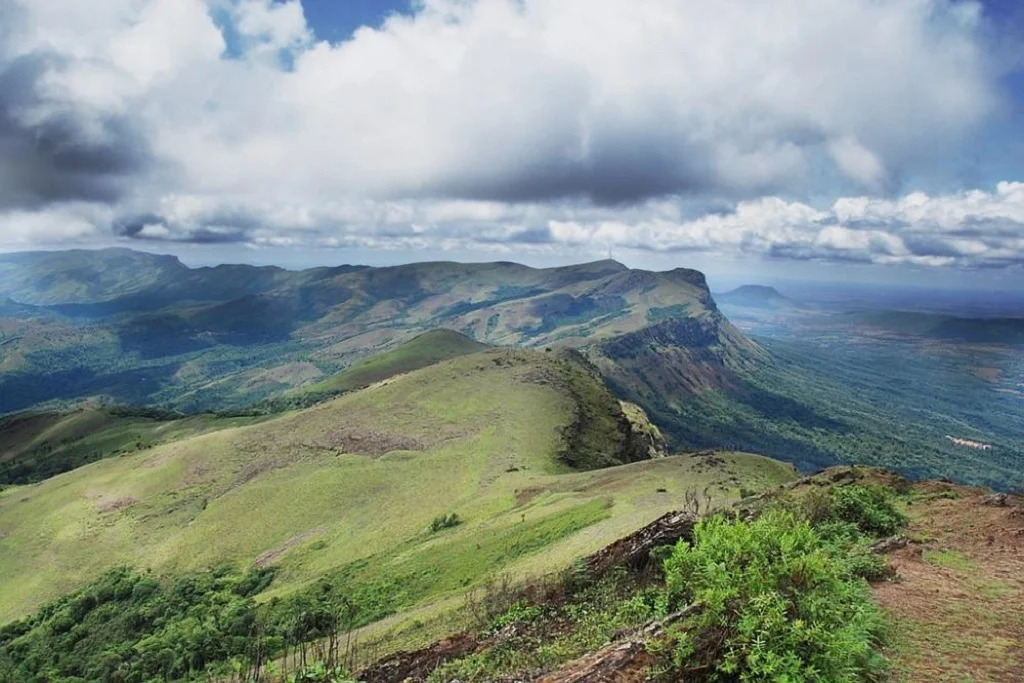
- Mountain Environment: Baba Budangiri is a high-altitude hill range in the Western Ghats known for its cool climate, grass-covered slopes, rocky cliffs, and panoramic valley views. Weather can change quickly, with mist common during the monsoon and winter months.
- Facilities: Basic facilities such as parking, small tea stalls, and local food vendors are available near the main viewpoint and shrine area. Restrooms and other visitor amenities are limited.
- Accessibility: The destination is reached by a winding hill road from Chikkamagaluru. Most visitors can access the main viewpoints by road, while nearby attractions and viewpoints may require short walks over uneven or stepped terrain.
- Visitor Experience: Visitors typically explore the shrine of Baba Budan, enjoy the surrounding viewpoints, and take photographs of the mountain landscape. Weekends, holidays, and the post-monsoon season usually see higher visitor numbers.
- Atmosphere: The area has both religious and scenic significance, attracting pilgrims as well as nature lovers. Visitors are expected to respect the sacred surroundings, maintain cleanliness, and follow local guidelines.
- Practical Considerations: Carry a light jacket as temperatures can be cool, especially in the morning and evening. During the monsoon, roads, steps, and walking trails may become slippery, so sturdy footwear is recommended.
Important Visitor Information for Baba Budangiri, Chikkamagaluru
- Crowd & Weather: Baba Budangiri attracts the largest crowds during weekends, public holidays, and the post-monsoon season from October to February. Dense fog, strong winds, and occasional heavy rain are common during the monsoon and winter mornings.
- Peak & Quiet Hours: Visitor numbers are highest from late morning to mid-afternoon. Arriving early on weekdays offers a quieter experience and clearer views before fog develops.
- Dress Code: Visitors to the revered shrine are expected to wear modest clothing as a mark of respect for the site's religious significance.
- Safety & Practical Notes: Mountain roads leading to Baba Budangiri have steep curves and can become slippery during the monsoon. Stay within designated viewpoints, avoid venturing near cliff edges, and check weather conditions before travelling, as visibility can change rapidly.
Photography and Viewpoints at Baba Budangiri, Chikkamagaluru
- The hilltop viewpoints near the Baba Budangiri shrine offer sweeping views of the surrounding Western Ghats, while nearby vantage points along the ghat road capture rolling hills, valleys, and dramatic mountain ridges.
- Early morning provides the clearest mountain views before clouds develop, while sunrise and late afternoon create soft lighting across the landscape. During the monsoon, mist frequently covers the hills, producing atmospheric but less expansive views.
- Photography is generally permitted in the outdoor areas around Baba Budangiri. Visitors should maintain decorum near the shrine, respect worshippers, and comply with any temporary restrictions during religious gatherings or festivals.
- Weekends, holidays, and the post-monsoon tourist season attract significant crowds, especially around the shrine and main viewpoints. Arriving early in the day offers easier parking, fewer people, and better opportunities for unobstructed landscape photography.