Quick Facts About Anantheshwara Temple
Anantheshwara Temple Quick Facts
| Entry Fee | No entry fee |
| Timings | Generally open from 6:00 AM–12:30 PM and 6:30 PM–8:00 PM daily. |
| Altitude (m) | Approximately 20 m above sea level |
| Ideal Visit Duration | 45 minutes–1 hour |
| Best Time of Day | Early morning for peaceful darshan and temple rituals. |
| Crowd Level | Moderate; higher during festivals, Mondays, and major religious occasions. |
| Distance from City Centre (km) | Approximately 1 km from Udupi city centre. |
| Walking Difficulty | Easy |
| Parking Available | Limited parking available near the temple complex. |
| Last Mile Access | Direct road access through Car Street, followed by a short walk to the temple entrance. |
| Suitable for Kids | Yes |
| Suitable for Seniors | Yes |
| Wheelchair Friendly | Partially; some areas are accessible, though traditional temple sections may have steps. |
Why Visit Anantheshwara Temple Kasaragod
Visitors come to Anantheshwara Temple to experience one of the region’s important Hindu shrines, known for its traditional temple architecture and enduring religious significance.
The atmosphere is peaceful and devotional, with daily worship, temple rituals, and a serene setting that attracts devotees and visitors seeking a spiritual experience.
What makes Anantheshwara Temple distinct is its historical association with the worship traditions of coastal Karnataka and northern Kerala, its traditional architectural style, and its continued role as an active center of faith and community life.
History of Anantheshwara Temple
Anantheshwara Temple, located in Udupi, Karnataka, is one of the region's oldest and most revered Hindu temples. Dedicated to Lord Anantheshwara, a form of Lord Shiva associated with Lord Vishnu, the temple predates the famous Udupi Sri Krishna Temple and occupies an important place in the religious history of coastal Karnataka.
According to local tradition, the temple is linked to the sage Parashurama and is regarded as one of the ancient sacred sites established in the region. Over the centuries, it became a significant center of worship and played a key role in the spiritual landscape that later influenced the development of Udupi as a major pilgrimage destination.
Today, Anantheshwara Temple remains an active place of worship and an important heritage landmark, preserving centuries of religious tradition and architectural history while continuing to attract devotees and visitors interested in the cultural legacy of Udupi.
Best Time to Visit Anantheshwara Temple
Anantheshwara Temple is best visited from October to March when the weather is pleasant and comfortable for temple visits, spiritual activities, and exploring the surrounding heritage attractions without the discomfort of heavy rain or summer heat.
- Ideal months: October to March is the most favorable period to visit Anantheshwara Temple, offering comfortable temperatures and ideal conditions for darshan and sightseeing.
- Weather conditions during the best season: Cool mornings, pleasant afternoons, and lower humidity provide a comfortable environment for exploring the temple complex, attending rituals, and appreciating its historic architecture and cultural significance.
- Periods to avoid: June to September can bring heavy monsoon rainfall, which may affect outdoor exploration and local travel. April and May are generally warmer, making daytime visits less comfortable, especially during the afternoon.
How to Reach Anantheshwara Temple
- Nearest Airport: Mangalore International Airport, located approximately 60 km from Anantheshwara Temple, is the nearest airport. Taxis and private vehicles are readily available for the onward journey to Udupi.
- Nearest Railway Station: Udupi Railway Station, about 4 km away, is the nearest railway station and offers regular connectivity along the Konkan Railway route.
- Road Access and Last-Mile Connectivity: Anantheshwara Temple is situated in the heart of Udupi, adjacent to the famous Sri Krishna Temple complex. Visitors can reach the temple by private vehicle, taxi, auto-rickshaw, local bus, or on foot from nearby areas. The final approach is fully motorable, followed by a short walk through the temple precincts. Parking facilities are available in designated areas nearby, though visitor traffic may be higher during religious festivals and special temple events.
What to Expect When You Visit Anantheshwara Temple
- Environment and Surroundings: Anantheshwara Temple is an ancient Hindu temple known for its traditional South Indian architecture, stone carvings, and long-standing religious significance. Visitors can expect a peaceful devotional atmosphere with historic temple structures and active worship practices.
- Facilities and Amenities: Basic visitor facilities such as shoe storage areas, drinking water points, and shops selling flowers and religious offerings are generally available near the temple. Additional restaurants and visitor services can be found in the surrounding town area.
- Accessibility and Movement: The temple is accessible by road and can be explored comfortably on foot through courtyards, prayer halls, and temple pathways. Visitors may encounter steps and stone surfaces typical of historic temple complexes.
- Visitor Conditions: Devotees visit throughout the year for worship, darshan, and religious ceremonies. Crowd levels are usually moderate but can increase significantly during temple festivals, special pujas, and major Hindu observances. Visitors are expected to follow temple customs, dress appropriately, and maintain respectful conduct within the premises.
Important Visitor Information for Anantheshwara Temple
- Anantheshwara Temple receives higher devotee footfall during major Hindu festivals, Ekadashi observances, weekends, and special temple celebrations when religious activities are at their peak.
- Early morning hours generally offer a peaceful atmosphere for darshan and worship, while evenings and festival periods tend to attract larger crowds.
- The temple remains accessible throughout the year, though monsoon rains may occasionally affect movement around the temple premises and surrounding pathways.
- Modest attire is recommended within the temple premises, and footwear must be removed before entering the shrine area.
- Visitors should follow temple customs, maintain silence and decorum during prayers, and respect any photography restrictions and ritual practices observed within the complex.
Photography and Viewpoints at Anantheshwara Temple
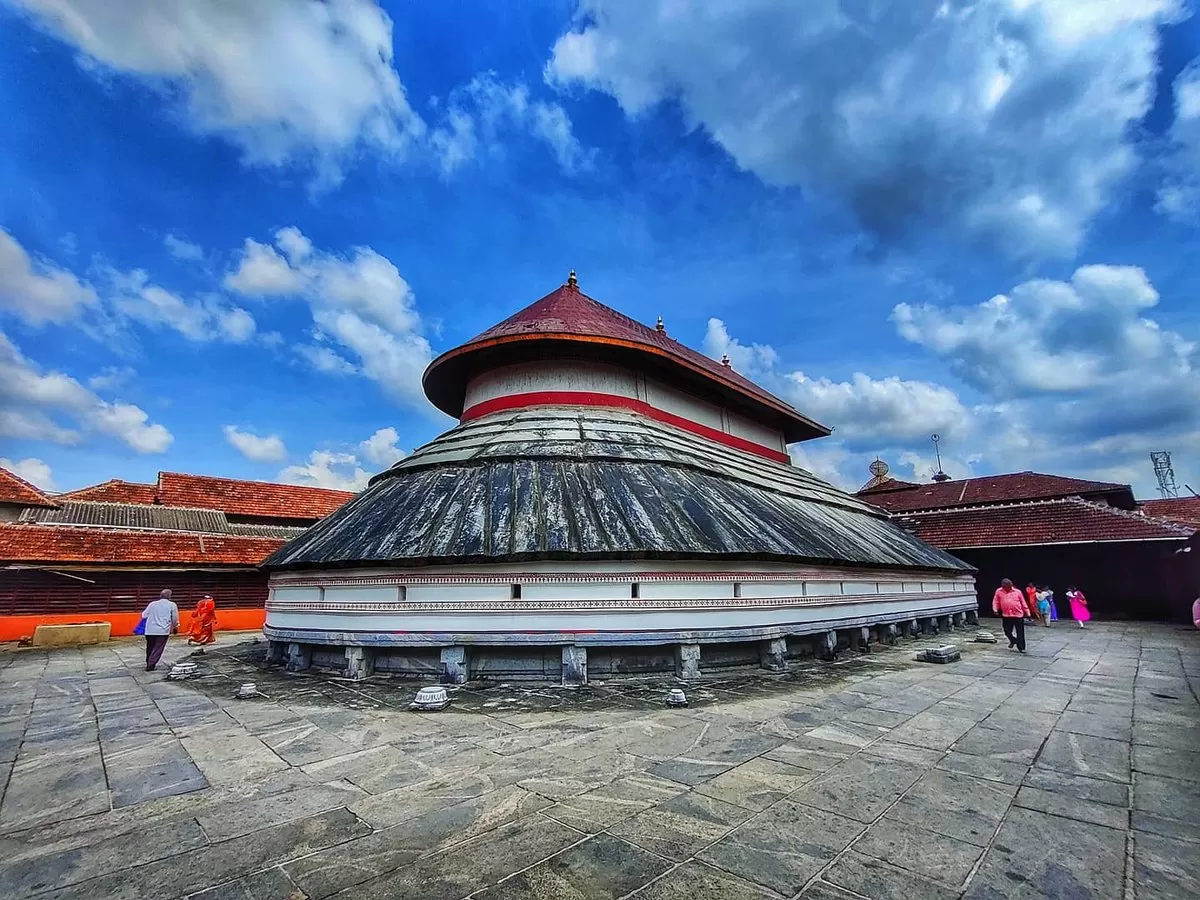
- The best photographs are captured from the temple courtyard and entrance areas, where the traditional Kerala-style architecture, sloping tiled roofs, and historic stone structures can be framed together.
- Early morning provides soft natural light and a peaceful atmosphere, making it ideal for photographing the temple exterior before devotee activity increases.
- The temple's carved wooden elements, stone pillars, sacred pond, and intricate architectural details are best photographed during daylight hours when craftsmanship and textures are clearly visible.
- The surrounding temple precinct offers attractive viewpoints for capturing the shrine within its serene natural setting and traditional cultural landscape.
- Photography is generally permitted in the exterior areas of the temple complex, but photography inside the sanctum sanctorum and during religious rituals may be restricted. Visitors should follow instructions issued by temple authorities.
- Major temple festivals, special pujas, weekends, and religious celebrations attract larger crowds, which can affect access to preferred photography locations within the premises.
- Tripods, commercial photography equipment, videography setups, and drone operations may require prior permission and may be restricted within the temple complex.