+91 9910402252
admin@chalbanjare.com


| Entry Fee | No entry fee |
| Timings | Generally open from 6:00 AM to 8:00 PM daily. |
| Altitude (m) | Varies by location (commonly 500–2,000 m in Himalayan Naag temples) |
| Ideal Visit Duration | 30–90 minutes |
| Best Time of Day | Morning or evening for peaceful darshan and local rituals |
| Crowd Level | Low to moderate; higher during Nag Panchami and local festivals |
| Distance from City Centre (km) | Varies by temple location (often 5–30 km from nearby towns) |
| Walking Difficulty | Easy; usually temple-based visits with short walking paths |
| Parking Available | Yes, usually available near temple premises |
| Last Mile Access | Direct road access in most locations followed by a short walk to temple |
| Suitable for Kids | Yes |
| Suitable for Seniors | Yes |
| Wheelchair Friendly | Partially; depends on local terrain and temple infrastructure |
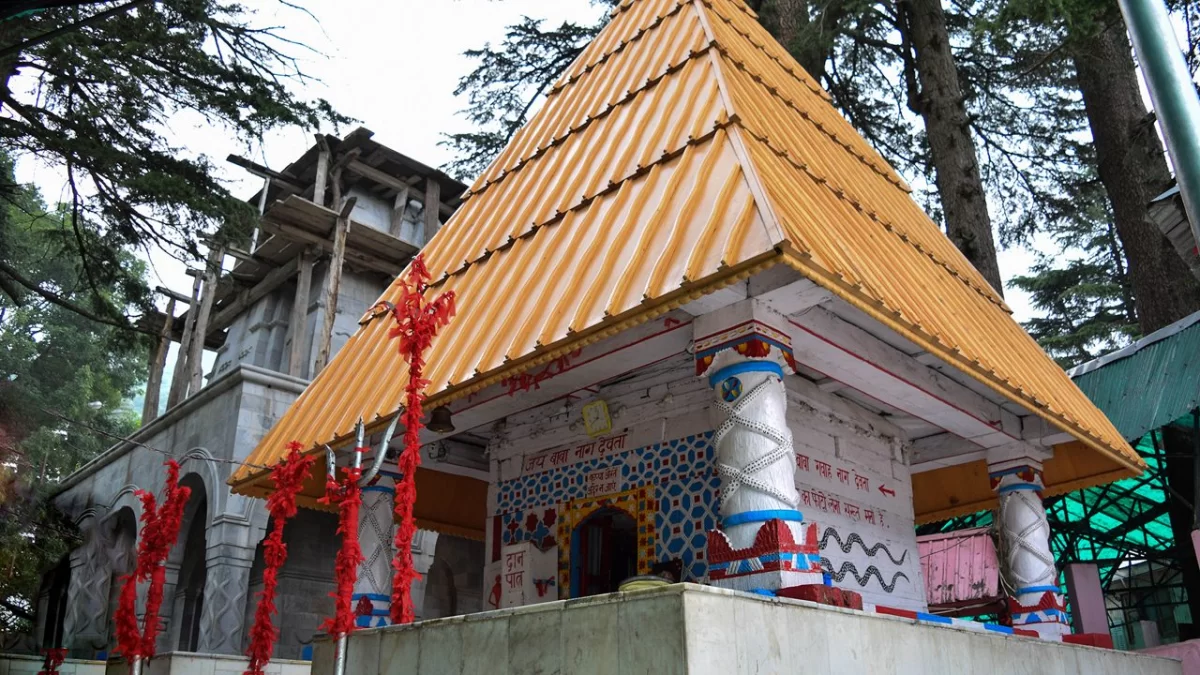
Visitors come to Naag Temple to worship the serpent deity and experience a traditional shrine that holds cultural and religious significance in the region.
The atmosphere is peaceful and devotional, with devotees offering prayers, participating in rituals, and visiting the temple throughout the year, especially during local festivals.
What makes Naag Temple distinct is its association with ancient serpent worship traditions, its local cultural importance, and its role as a community-centered place of faith surrounded by natural Himalayan surroundings.
Naag Temple is a traditional Hindu shrine dedicated to serpent deities (Naag Devta), widely worshipped across the Himalayan and North Indian regions. These temples are rooted in ancient folk traditions that predate many organized forms of Hindu worship and are closely associated with nature reverence.
In regions like Jammu and Kashmir and Himachal Pradesh, Naag Temples are often linked with local legends that consider serpents as protectors of water sources, forests, and villages. Rituals and fairs dedicated to Naag Devta have been observed for generations, reflecting the deep cultural connection between communities and nature.
Today, Naag Temples continue to be important spiritual sites, especially in rural and mountainous areas, where devotees gather during annual festivals to offer prayers for protection, prosperity, and harmony with nature.
Naag Temple is best visited from April to June and September to October when the weather in the higher Himalayan regions is pleasant, making it comfortable for darshan, trekking access, and enjoying the surrounding alpine scenery.
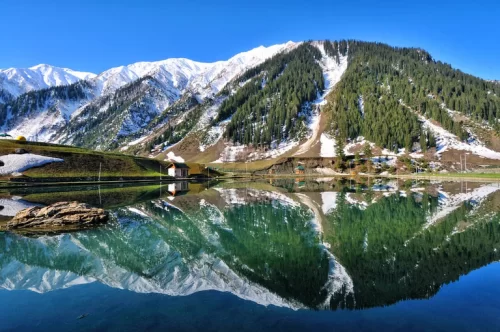 Meadow
Sanasar is a high-altitude meadow and tourist destination located in Ramban district, Jammu and Kashmir, known for its grasslands, pine forests, and surrounding mountain landscape.
Get customized Jammu and Kashmir tour planning designed around seasonal weather patterns, valley travel routes, snow conditions, and realistic hill road timing. Whether you are visiting for scenic landscapes, serene lakes, spiritual journeys, meadow stays
⚡ Quick Response | 💰 Free consultation | 🕒 24×7 expert support