Quick Facts About Shangchul Mahadev Temple
Quick Facts: Shangchul Mahadev Temple
| Entry Fee | Free |
| Timings | 06:00 AM to 08:00 PM |
| Altitude (m) | 2250 |
| Ideal Visit Duration | 1 to 2 hours |
| Best Time of Day | Morning |
| Crowd Level | Moderate during festivals, low otherwise |
| Distance from City Centre (km) | 45 |
| Walking Difficulty | Easy |
| Parking Available | Yes |
| Last Mile Access | Motorable road till temple entrance |
| Suitable for Kids | Yes |
| Suitable for Seniors | Yes |
| Wheelchair Friendly | No |
Why Visit Shangchul Mahadev Temple
Why Visit: Shangchul Mahadev Temple is a serene and spiritual destination that attracts pilgrims and nature lovers alike. Its peaceful surroundings and stunning views of the Kullu Valley make it an ideal spot for both spiritual reflection and relaxation. Whether you are seeking a divine experience or simply want to connect with nature, this temple offers a perfect blend of both.
Atmosphere: The atmosphere at Shangchul Mahadev Temple is calm and peaceful, making it perfect for moments of solitude and reflection. Surrounded by the lush greenery of the Himalayas and the gentle sounds of nature, the temple provides a tranquil environment that enhances the spiritual experience for its visitors. The fresh mountain air and the view of the Kullu Valley further elevate the sense of serenity.
What Makes it Special: Shangchul Mahadev Temple is not only a religious site but also a place of immense natural beauty. Its location atop a hill provides panoramic views of the valley, making it unique compared to other temples. The temple is believed to be ancient and holds cultural significance for the locals. Additionally, the relatively secluded nature of the temple allows visitors to experience a less commercialized, more authentic atmosphere, making it a truly special destination.
History
Shangchul Mahadev Temple is an ancient and revered temple dedicated to Lord Shiva. Located atop a hill with stunning views of the Kullu Valley, the temple is considered to be one of the significant spiritual sites in the region. The exact date of its construction is unclear, but it is believed to have been built centuries ago, with local legends attributing its establishment to ancient times.
The temple holds great importance for the local community and pilgrims. It is known for its serene and secluded atmosphere, offering visitors a peaceful environment for prayer and reflection. The temple is part of a cluster of similar Shiva temples in the region, but its picturesque location and spiritual significance make it stand out. It has become a popular destination not just for religious pilgrims, but also for tourists who wish to experience the natural beauty of the Kullu Valley while embracing the spiritual energy of the temple.
Best Time to Visit Shangchul Mahadev Temple
The best time to visit Shangchul Mahadev Temple largely depends on the kind of experience you're seeking. The temple offers different experiences throughout the year, and each season brings its own charm.
- Summer (March to June): This is the most popular time to visit the temple due to pleasant temperatures ranging from 15°C to 25°C. The weather is ideal for a comfortable walk up to the temple and enjoying the beautiful surrounding landscapes.
- Monsoon (July to September): While the temple remains open, it is recommended to avoid visiting during the heavy rains, as the terrain can become slippery and less accessible. However, the monsoon season brings lush greenery to the region, which is a beautiful sight for nature enthusiasts.
- Autumn (October to November): Autumn offers crisp weather with clear skies, making it an excellent time for trekking and outdoor activities. The views from the temple become even more stunning with the changing colors of the surrounding foliage.
- Winter (December to February): Winter brings a magical touch to Shangchul Mahadev Temple, with the possibility of snowfall and a serene, snow-covered landscape. For those who enjoy winter beauty and solitude, this is the perfect time to visit. However, the temperatures can dip below freezing, so visitors should be prepared for colder conditions.
How to Reach Shangchul Mahadev Temple
- By Air: The nearest airport to Shangchul Mahadev Temple is Bhuntar Airport (about 30 km away). From the airport, you can take a taxi or local transport to reach Kullu and then proceed by road to the temple.
- By Train: The nearest railway station is Joginder Nagar Railway Station, located about 120 km from the temple. From the station, you can hire a taxi or take a bus to Kullu, followed by a short drive to the temple.
- By Road: Shangchul Mahadev Temple is easily accessible by road. The temple is located about 12 km from the town of Kullu. From Kullu, you can hire a taxi or take a local bus that goes towards the temple. The last mile requires a short walk from the parking area to the temple.
What to Expect When You Visit Shangchul Mahadev Temple
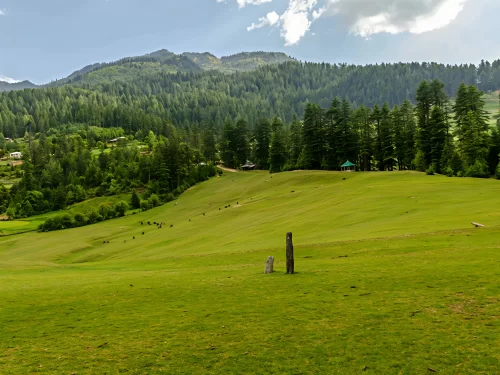
- Scenic Views: Expect breathtaking panoramic views of the Kullu Valley, with lush greenery, and snow-capped peaks during winter. The temple's location atop a hill provides stunning vistas that are perfect for photography and relaxation.
- Peaceful Atmosphere: Shangchul Mahadev Temple offers a serene and calm atmosphere, ideal for those looking for spiritual reflection and peace. The temple is surrounded by nature, and the sound of birds chirping and the wind rustling through the trees adds to the tranquility.
- Short Walk: The walk to the temple is easy and enjoyable, with a well-maintained path that takes you through the scenic hills. The short trek to the temple is not physically demanding, making it suitable for people of all ages.
- Spiritual Experience: Whether you’re visiting for religious reasons or simply to appreciate the natural beauty, expect a deeply spiritual experience. The temple is dedicated to Lord Shiva, and the peaceful environment enhances the overall sense of devotion and tranquility.
- Local Culture: While the temple itself is the main attraction, the nearby villages and local culture add to the overall experience. You might encounter local pilgrims and witness traditional rituals during your visit, which offers a unique glimpse into the region's customs.
- Photography Opportunities: With its picturesque setting, Shangchul Mahadev Temple offers excellent opportunities for photography. Capture the temple against the backdrop of the valley, the surrounding hills, and the beautiful Himalayan scenery.
Important Visitor Information
- Crowd & Weather Notes: Shangchul Mahadev Temple is generally peaceful, with moderate crowds on weekends and during religious festivals. The best time to visit is during the summer months (March to June) when the weather is pleasant. During monsoon (July to September), the terrain can be slippery, so caution is advised. Winter (December to February) offers a serene snowfall experience, but temperatures can drop below freezing.
- Peak / Quiet Hours: The temple is quieter in the early morning hours and late afternoons. The peak hours tend to be between 10 AM and 3 PM, especially during weekends and festive periods. Early visits offer a more tranquil experience.
- Dress Code: There is no strict dress code for visiting Shangchul Mahadev Temple. However, it is recommended to wear comfortable clothing and sturdy footwear, especially for the short trek to the temple. Modest attire is preferred as it is a religious site.
- Safety Notes: The terrain around the temple can be slippery, particularly during the rainy season, so it's advised to wear proper footwear. Ensure you carry sufficient water, as there are no shops near the temple. If visiting in winter, be prepared for cold weather, and be cautious on icy paths. The temple and surrounding area are generally safe, but always remain aware of your surroundings when walking on uneven surfaces.
Photography and Viewpoint
- Panoramic Views: Shangchul Mahadev Temple offers some of the most breathtaking panoramic views of the Kullu Valley and the surrounding Himalayan peaks. The temple’s elevated location provides a unique vantage point, making it a photographer's paradise. The combination of lush greenery, snow-capped mountains, and clear skies creates perfect conditions for capturing stunning landscape shots.
- Golden Hour Photography: The best time to capture the temple and its surroundings is during the golden hours of early morning or late afternoon. During these times, the sunlight creates a soft, warm glow that enhances the beauty of the temple and the landscape. The early morning mist adds an ethereal quality to the views, making it a magical experience for photographers.
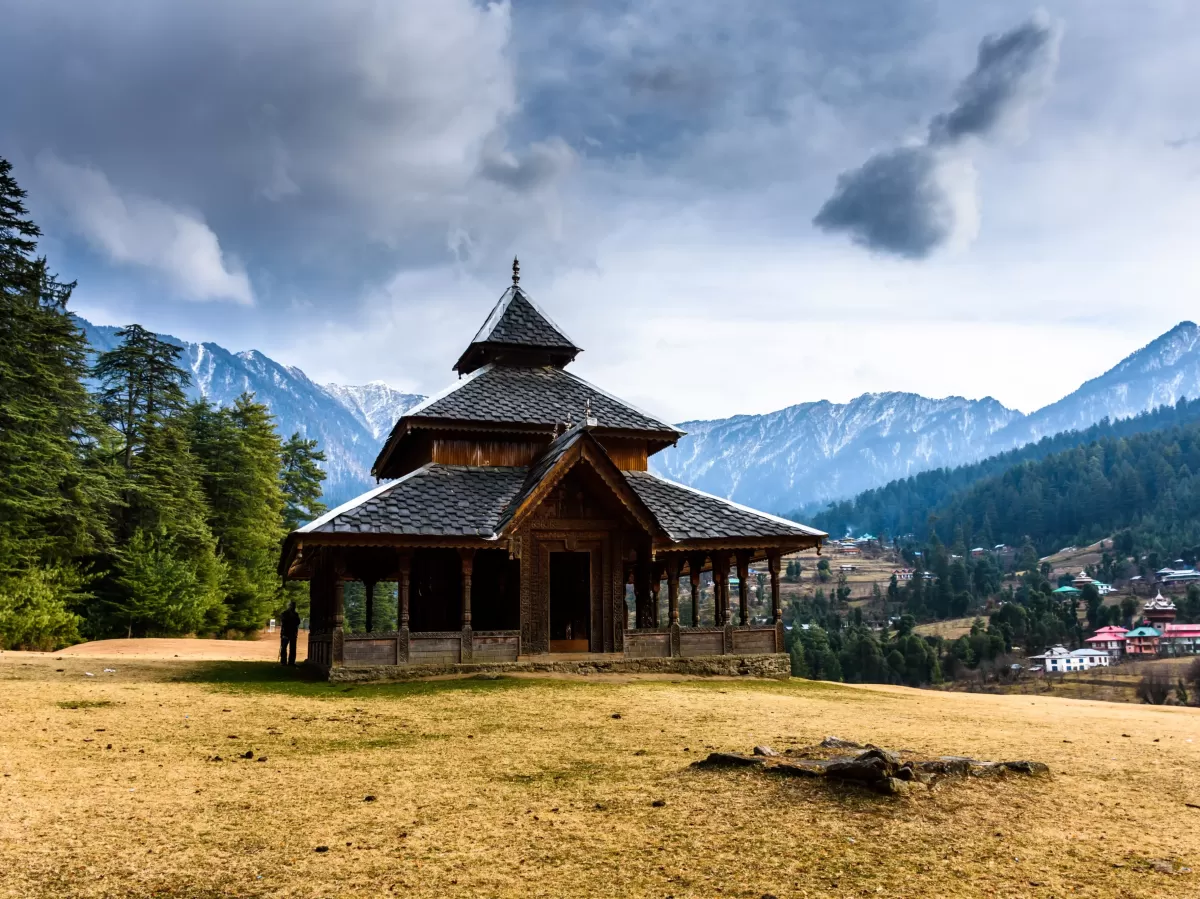
- Architectural Beauty: The temple itself is an excellent subject for photography. Its simple yet elegant wooden structure, surrounded by nature, stands in contrast to the grandeur of the Himalayan backdrop. The traditional architecture, with intricate carvings and ancient stonework, makes it a great subject for detailed shots.
- Wildlife and Flora Photography: In addition to the temple, the surrounding area is rich in biodiversity. Expect to capture a variety of local flora and fauna, especially if you’re into macro or nature photography. Birds, butterflies, and vibrant wildflowers can be found in the vicinity, adding layers to your photography experience.
- Local Life and Rituals: The nearby villages and occasional pilgrims visiting the temple offer a glimpse into the region’s cultural and spiritual life. Capturing these moments can add a unique, human element to your photography portfolio, showcasing the religious significance of the site along with the natural beauty.