Dhankar Monastery – Ancient Himalayan Monastery in Spiti Valley

Dhankar Monastery , Kaza
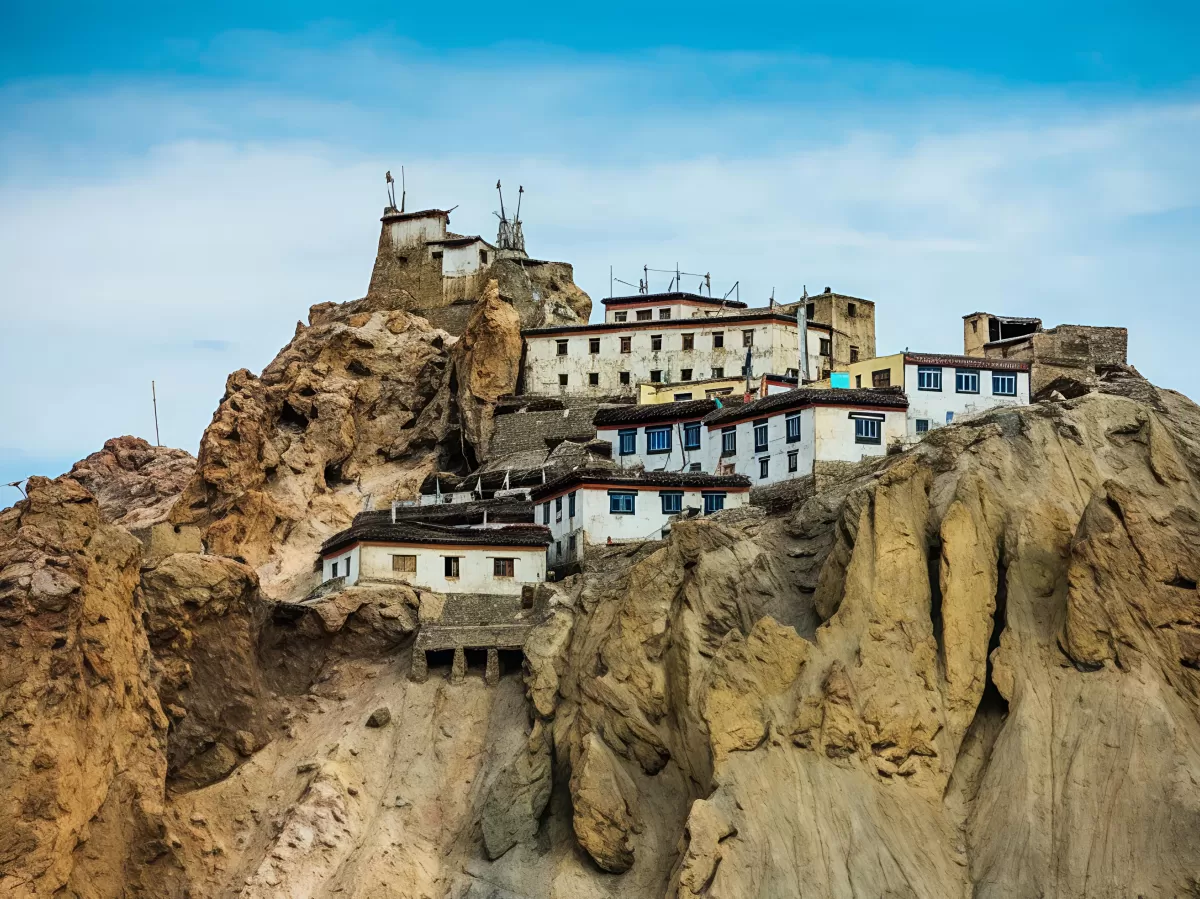
Dhankar Monastery, also known as Dhangkar Gompa, is an ancient Buddhist monastery in Himachal Pradesh’s Spiti Valley. Built at an altitude of over 3,800 meters, it overlooks the confluence of the Spiti and Pin rivers. The monastery features traditional Tibetan architecture, ancient murals, and a serene atmosphere that attracts both pilgrims and trekkers. Its strategic location historically served as a fortress and monastery, reflecting a rich cultural and spiritual legacy.

Quick Facts About Dhankar Monastery

Entry Fee Free
Timings 06:00 - 18:00
Altitude (m) 3894
Ideal Visit Duration (hrs) 2
Best Time of Day Morning
Crowd Level Moderate
Distance from Kaza (km) 32
Walking Difficulty Moderate
Parking Available Yes
Last Mile Access Walk
Suitable for Kids Yes
Suitable for Seniors No
Wheelchair Friendly No

Why Visit Dhankar Monastery, Spiti Valley

Visitors come to Dhankar Monastery for its cliffside setting above the Spiti and Pin River confluence, and to see a working Buddhist monastery with compact prayer rooms, murals, and traditional religious spaces.

The atmosphere is quiet and functional rather than curated, with monks and local visitors moving through the complex alongside travelers. Wind and strong sunlight are common, and the narrow paths and steep edges keep most people moving slowly and staying close to marked areas.

What makes Dhankar distinct is the combination of a dramatic ridge-top location with intimate interiors that feel unchanged by modern visitor facilities. It is also a practical base point for travelers planning the short hike toward Dhankar Lake and for viewing Spiti’s stark valley landscape from a high vantage.

History of Dhankar Monastery, Spiti Valley

Dhankar Monastery is one of the oldest surviving monastic sites in Spiti Valley and is traditionally described as being over a thousand years old. Its cliffside location reflects older Himalayan settlement patterns where defensible ridgelines were used for both religious and administrative centres.

The monastery is an important Tibetan Buddhist institution for the local communities of Spiti, with prayer halls that preserve historic wall paintings and religious images. Visitors today see a living place of worship alongside older structures that have required periodic repairs because the underlying cliff and buildings are vulnerable to erosion and cracking.

Best Time to Visit Dhankar Monastery, Spiti Valley, Himachal Pradesh

Dhankar Monastery is best visited during the open road season when high mountain passes to Spiti are accessible and weather conditions are stable for travel and sightseeing.
  • Ideal months: May to October, when road access via Manali or Shimla is generally open and travel disruptions are less frequent.
  • Weather during best season: Days are usually dry with clear skies and strong sunlight; temperatures remain cool due to high altitude, especially in the mornings and evenings.
  • Periods to avoid: Late autumn to early spring, particularly November to April, when heavy snowfall can block high passes and restrict road connectivity; winter temperatures drop significantly and access becomes unpredictable.

How to Reach Dhankar Monastery, Spiti Valley, Himachal Pradesh

  • Nearest airport: The closest major airport is Bhuntar Airport near Kullu, approximately 245 km from Dhankar; flight schedules are limited and road travel from the airport can take 8 to 10 hours depending on weather and road conditions.
  • Nearest railway station: The nearest broad gauge railhead is Chandigarh Railway Station, around 500 km away; from there, visitors continue by road via Shimla or Manali toward Kaza and Dhankar.
  • Primary road route: Dhankar is located about 32 km from Kaza on the Kaza–Tabo road; the final ascent to Dhankar Village involves a steep, narrow mountain road with sharp bends.
  • Seasonal access: Road connectivity through Manali is generally open from late spring to early autumn; winter snowfall can block high mountain passes, limiting access routes.
  • Last mile connectivity: Vehicles can reach Dhankar Village parking area, after which visitors walk uphill on stone steps to the monastery; there is no public transport directly to the monastery entrance.

What to Expect When You Visit Dhankar Monastery, Spiti Valley

  • Cliffside setting: The monastery is built on a narrow ridge above the Spiti and Pin River confluence; expect steep drop offs, compact pathways, and expansive valley views rather than open grounds.
  • Traditional interiors: Prayer halls are small, dimly lit, and contain old murals, statues, and low ceilings; lighting is limited and space inside can feel tight when multiple visitors enter at once.
  • Basic facilities: Amenities are minimal; do not expect cafes, large parking areas, or developed visitor centers within the monastery complex.
  • Access and movement: Reaching the monastery involves driving on a narrow mountain road and walking up uneven stone steps; mobility access is limited due to steep gradients and historic construction.
  • Visitor flow: Most visitors spend a short time exploring the courtyard and prayer rooms before heading to nearby viewpoints; organized tour groups may arrive mid day.
  • High altitude conditions: The air is thin and the climate is dry; movement on stairs can feel slower than usual, especially for those not acclimatized to Spiti’s elevation.

Important Visitor Information for Dhankar Monastery, Spiti Valley

  • Quiet and peak hours: The monastery is typically quiet in the early morning; late morning to mid afternoon tends to be busier when vehicles arrive from Kaza and nearby villages.
  • Weather impact: Strong sun and wind are common at this exposed cliff location; clouds and sudden drops in temperature can occur quickly, especially later in the day.
  • Footing and access: Pathways around the complex include uneven stone steps and narrow edges; avoid rushing on steep sections, particularly if the ground is wet or icy.
  • Cliffside safety: Viewpoints near the outer boundary have steep drop offs; stay away from unstable edges and do not cross barriers or warning areas.
  • Altitude considerations: Dhankar sits at high altitude in Spiti; if arriving from lower elevations the same day, plan a slow pace on stairs and allow extra time for rest.
  • Dress expectations: As an active religious site, wear clothing that covers shoulders and knees when entering prayer areas and keep voices low within the complex.
  • Photography etiquette: Interior halls may have restrictions; ask before taking photos inside and avoid using flash around murals and religious objects.

Photography and Viewpoints at Dhankar Monastery, Spiti Valley

  • Cliffside exterior view: The clearest wide shot of the monastery on its cliff comes from the road approach just outside Dhankar Village, where you can frame the structure against the valley without entering the complex.
  • Monastery courtyard and entrance: Inside the complex, the courtyard provides a stable angle for architectural details such as wooden balconies and tiered roofs; crowds are usually lower in the early morning before day visitors arrive.
  • Valley viewpoints: From the outer edges of the monastery complex, you get open views toward the Spiti River and surrounding ridgelines; haze is typically lower in the morning, giving sharper distant mountain contours.
  • Confluence perspective: For shots looking down toward the Spiti and Pin River confluence, use roadside pull-offs below the monastery rather than standing near cliff edges inside the complex.
  • Dhankar Lake trail views: If you hike toward Dhankar Lake, the initial section above the village offers elevated angles looking back at the monastery; this works best in late afternoon when the sun lights the facade more evenly.
  • Interior photography: Prayer halls and rooms can be dim and may contain murals; ask on site before photographing inside, and be prepared for restrictions on flash or photography in certain areas.
  • Weather and access factors: Wind is common along the ridge and can affect handheld shots; winter ice and summer monsoon showers can make paths slippery, limiting safe access to outer viewpoints.

Near By Attraction

Gue Monastery Kaza Spiti close-up winter, featuring vibrantly painted maroon temple golden roofs prayer flags snowy terrain distant mountains blue skies, perfect Himachal Pradesh tour packages. Monastery

Gue Monastery

Gue Monastery in Spiti Valley is a remote Buddhist site famed for housing India’s only naturally preserved monk mummy.

Pin Valley National Park near Kaza during clear skies, featuring villages green paddy fields river rocky mountains, perfect adventure experience Himachal tour package. National Park

Pin Valley National Park

Pin Valley National Park is a pristine Himalayan protected area in Spiti Valley, famous for rare wildlife and dramatic alpine landscapes.

Komic Village near Kaza during clear skies, featuring traditional houses paddy fields rocky valley snow peaks, perfect cultural experience Himachal tour package. Tourist Attraction

Komic Village

Komic Village is a remote high-altitude settlement in Spiti Valley known for its extreme elevation and serene Himalayan landscapes.

Frequently Asked Questions About Dhankar Monastery

The best time to visit Dhankar Monastery is between May and October when the roads in Spiti Valley in Himachal Pradesh remain open and weather conditions are stable. These months offer clear views of the Spiti and Pin river confluence.
Dhankar Monastery is located in Dhankar village in Spiti Valley in Himachal Pradesh. It is dramatically perched on a cliff overlooking the valley at a high altitude.
Dhankar Monastery can be reached by road from Kaza, which is approximately 30 to 35 kilometers away. Visitors usually travel by private vehicle or taxi along the Spiti Valley route.
A small entry fee is generally charged to visit Dhankar Monastery for maintenance purposes. Tickets can be purchased at the entrance area.
Dhankar Monastery is typically open during daylight hours from morning until early evening. Visiting during the day ensures better visibility and safer travel on mountain roads.
Around one to two hours is sufficient to explore Dhankar Monastery and its prayer halls. Visitors often spend extra time enjoying the panoramic valley views.
Dhankar Monastery is difficult to access during peak winter due to heavy snowfall in Spiti Valley. Travelers should check road conditions in Himachal Pradesh before planning a winter visit.
Photography is usually allowed in the outer areas of Dhankar Monastery, but restrictions may apply inside prayer rooms. Visitors should follow monastery guidelines and ask permission if required.
Dhankar Monastery involves climbing steps and walking on uneven paths, which may be challenging for elderly visitors. Taking it slow and resting frequently can help manage the ascent.
Visitors should carry warm clothing, drinking water, sun protection, and basic medicines while visiting Dhankar Monastery due to high altitude conditions. Proper acclimatization is recommended before traveling in Spiti Valley.

Loved this place ? Let’s Plan Your Himachal Pradesh Trip

Get customized Himachal Pradesh tour planning designed around season, road conditions, hill travel pacing, and comfort preferences. Whether you are visiting for snow experiences, mountain landscapes, temple towns, adventure activities, or relaxed valley s

⚡ Quick Response | 💰 Free consultation | 🕒 24×7 expert support

×

Plan Your Trip