What Makes Himachal Pradesh a Unique Travel Region
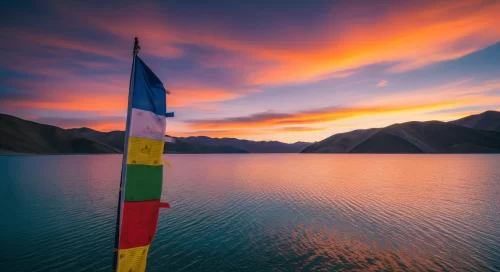
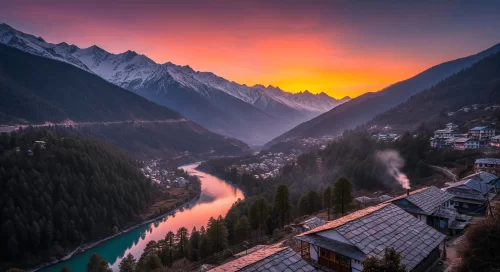
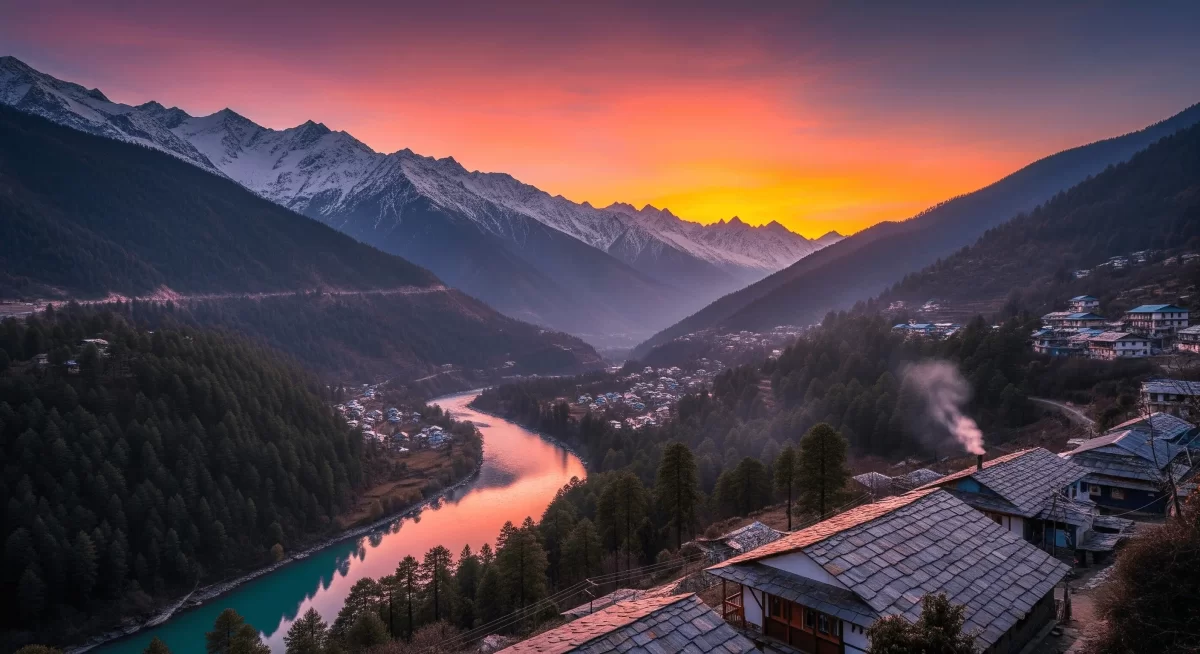
Himachal Pradesh is a diverse Himalayan state where river valleys, cedar forests, snow-covered peaks, and traditional mountain towns coexist within manageable travel distances. Unlike high-altitude cold deserts, much of Himachal blends green landscapes with accessible hill culture and year-round tourism infrastructure. Each valley has a distinct identity—some spiritual, some adventure-driven, others agricultural and slow-paced. Travel here ranges from scenic road trips and temple circuits to trekking and winter snow experiences. The region appeals to travelers seeking mountain scenery with relatively easier access and varied experiences across seasons.
- Geography: Forested Himalayan valleys, snow peaks, river basins, and mid-altitude hill towns.
- Culture: Pahadi traditions, temple architecture, village lifestyles, and Tibetan settlements in select regions.
- Travel vibe: Balanced mix of leisure, adventure, spirituality, and scenic road journeys.
- Distinct experience type: Valley-based exploration combining trekking, heritage temples, and mountain stays.
Popular Tourist Circuits Across Himachal Pradesh
Travel in Himachal Pradesh is shaped by parallel mountain valleys separated by high ridgelines, which means circuits are usually valley-based rather than cross-state in short durations. Distances appear short on maps but winding mountain roads increase travel time. Altitude varies significantly from low foothills to high passes above 4,000 meters, so gradual ascent is important in upper regions. Snowfall can close certain routes in winter, while monsoon may cause landslides in some belts. Practical planning focuses on exploring one valley cluster at a time over 4 to 7 days, rather than attempting multiple distant regions in a rushed schedule.
| Circuit Type |
Areas Covered (generic descriptions only, no place names) |
Ideal Duration (realistic and safety based) |
Travel Style |
| Lower Himalayan Hill Circuit |
Foothill towns, colonial-era hill settlements, pine forests, moderate viewpoints |
3–4 days |
Leisure road travel with short walks and relaxed sightseeing |
| Central Valley and River Circuit |
River valleys, apple-growing regions, traditional villages, mid-altitude mountain towns |
4–6 days |
Scenic driving with light nature walks and cultural exploration |
| High-Altitude Tribal Region Circuit |
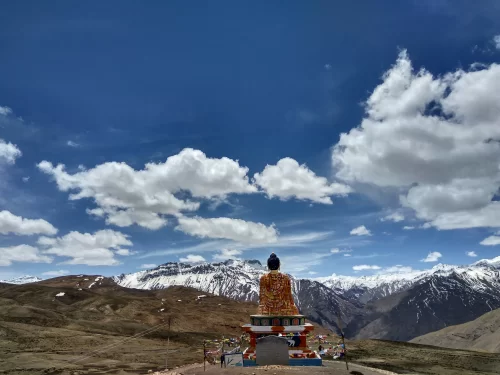
Cold desert landscapes, high mountain passes, remote settlements, monastery belts |
5–7 days (with gradual ascent) |
Road expedition with altitude management and weather flexibility |
| Adventure and Trekking Circuit |
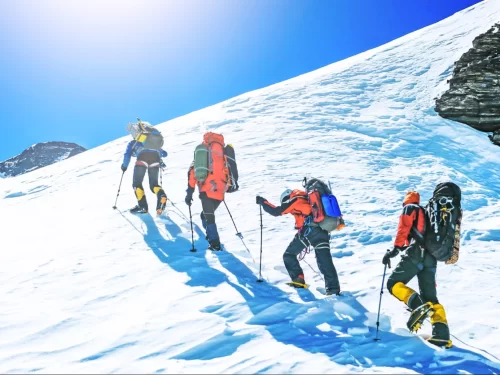
Alpine meadows, glacier viewpoints, forest trails, camping zones |
4–8 days depending on trail difficulty |
Combination of road access and guided trekking |
| Extended Cross-Valley Circuit |
Multiple valley systems, high passes, river basins, rural landscapes |
8–12 days |
Phased mountain journey with buffer days for weather or road delays |
Best Time to Travel to Himachal Pradesh
The best time to travel to Himachal Pradesh depends on whether you prefer mild mountain weather, vibrant green valleys, or snow-covered Himalayan scenery.
| Season |
Months |
Weather Conditions |
Travel Suitability |
| Spring |
March to May |
Pleasant temperatures, blooming landscapes, and clear mountain views |
Highly suitable for comfortable sightseeing, outdoor exploration, and enjoying balanced weather conditions |
| Summer |
June to September |
Cooler hill climate with fresh greenery and occasional rainfall |
Ideal for escaping heat from the plains and experiencing lush surroundings with moderate daytime temperatures |
| Autumn |
October to November |
Crisp air, stable weather, and excellent visibility of Himalayan ranges |
Well suited for scenic travel, photography, and peaceful mountain experiences |
| Winter |
December to February |
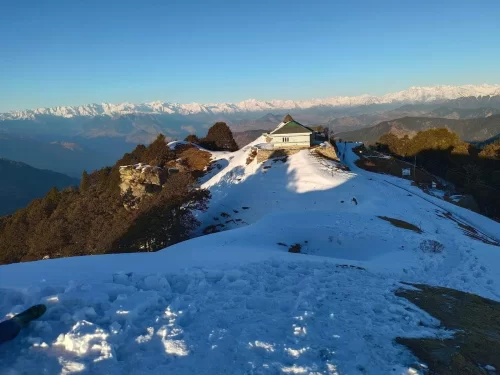
Cold weather with snowfall in higher altitudes and chilly evenings |
Best for travelers who enjoy snow experiences and quieter mountain environments |
How Travelers Usually Explore Himachal Pradesh
Travelers typically enter Himachal Pradesh via Chandigarh Airport, Delhi Airport, or Kalka railway station, depending on the region they plan to visit. Popular base towns include Shimla, Manali, Dharamshala, and Dalhousie, each serving as a hub for nearby valleys and hill circuits. Travel pacing varies by terrain, but mountain roads require realistic driving hours and planned overnight stops. Most itineraries are designed as regional circuits rather than covering the entire state in one trip.
- Road Travel: The primary way to explore; private cars, Volvo buses, and state-run buses connect major hill towns and valleys.
- Rail: Kalka is the main broad-gauge entry; the Kalka–Shimla toy train operates seasonally and at limited speed.
- Local Transport: Taxis and local buses operate within towns; self-drive cars are common but require confidence on mountain roads.
- Day Trips vs Circuits: Shimla and Manali support day excursions, while Spiti, Kinnaur, and Dalhousie regions require multi-day circuit travel.
Culture, Food & Everyday Life in Himachal Pradesh
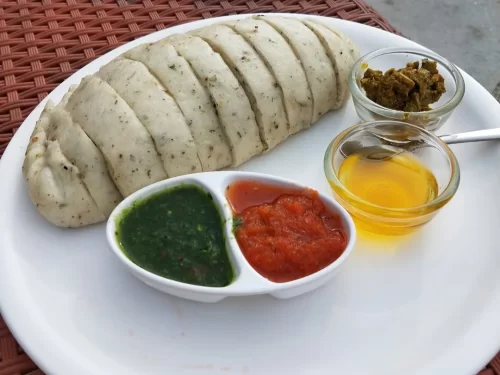
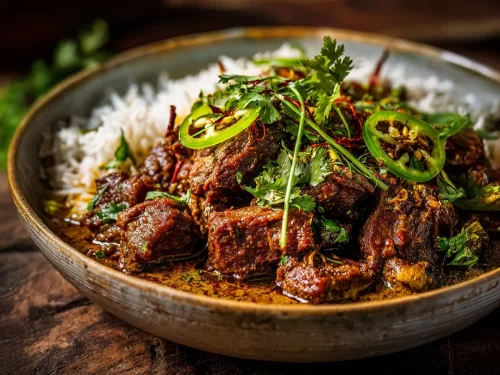
Daily life in Himachal Pradesh is guided by mountains, river valleys, and sharply changing seasons. Steep terrain encourages close-knit communities where cooperation remains essential, especially in agriculture and livestock-based livelihoods. The climate, ranging from temperate to alpine, shapes routines around sowing cycles, snowfall preparation, and seasonal mobility. Social behavior tends to be modest and grounded, with strong respect for local traditions and nature. Food habits are practical and regionally seasonal — grains, lentils, dairy, and slow-cooked meals provide warmth and sustained energy for physically active lifestyles. The overall pace feels steady rather than hurried; travelers often sense simplicity, fresh air-driven vitality, and a balanced rhythm between hard work and quiet mountain evenings.
- Season-driven mountain lifestyle
- Community-centered rural traditions
- Wholesome, climate-adapted nourishment
- Balanced pace shaped by terrain and weather





 Village
 Church
 Mountain