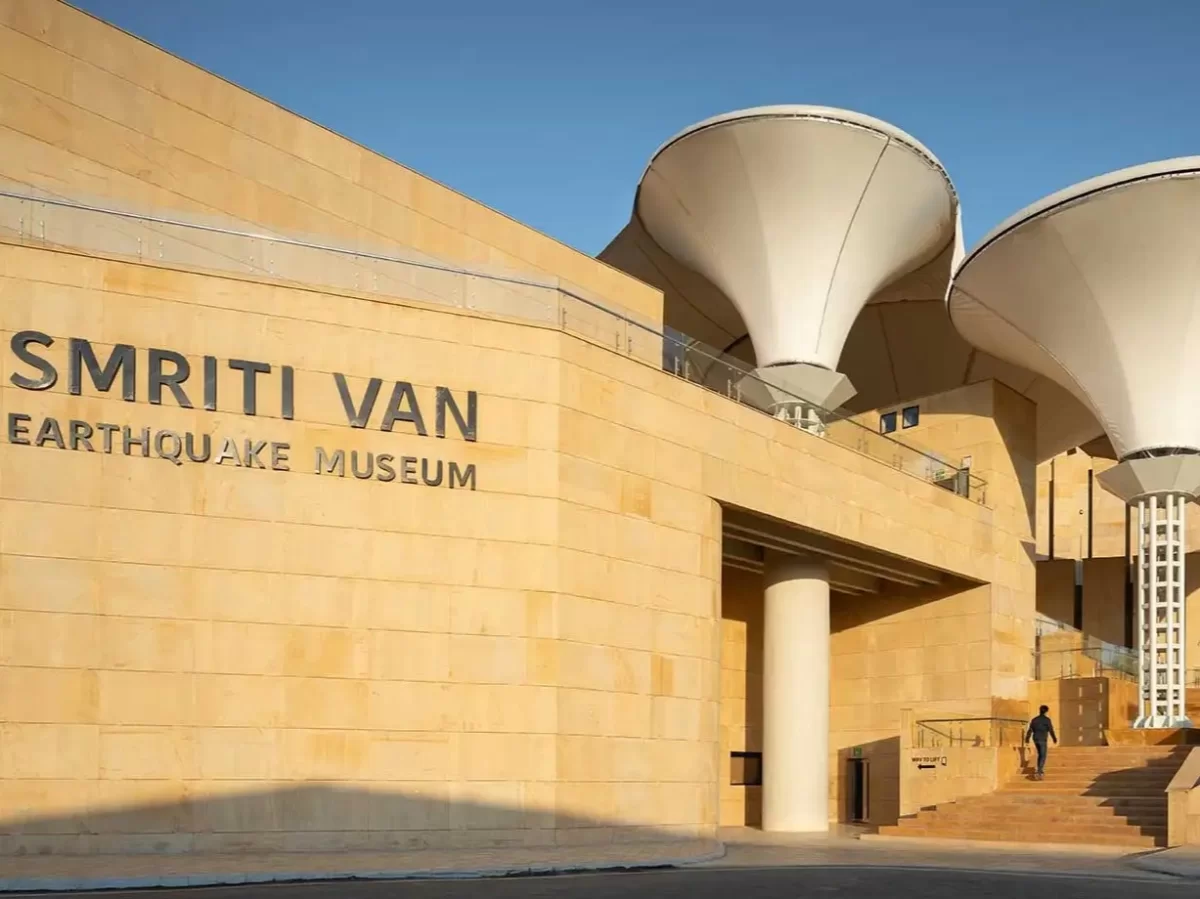
Smritivan Earthquake Memorial and Museum, Bhuj, Kutch, Gujarat, India

Smritivan Earthquake Memorial and Museum , Bhuj
Tourists visit the site to view the memorial park, exhibits documenting the earthquake’s impact, and educational displays about disaster preparedness. It is an important site for historical reflection and learning.

Quick Facts About Smritivan Earthquake Memorial and Museum

Quick Facts About Smritivan Earthquake Memorial and Museum, Bhuj

Entry Fee Paid (nominal ticket charges; confirm at entry)
Timings Open daily (typically 9:00 AM – 6:00 PM; closed on some public holidays)
Altitude (m) Approx. 85 m
Ideal Visit Duration 2 – 3 hours
Best Time of Day Morning or late afternoon
Crowd Level Moderate (busier on weekends and holidays)
Distance from City Centre (km) Approx. 5 – 7 km from Bhuj city centre
Walking Difficulty Easy (well-planned pathways within the memorial and museum area)
Parking Available Yes (ample parking near the entrance)
Last Mile Access Private vehicle, taxi, or auto-rickshaw access available
Suitable for Kids Yes (educational and reflective exhibits)
Suitable for Seniors Yes (easy walking paths, seating available)
Wheelchair Friendly Yes (accessible pathways and facilities)

Why Visit Smritivan Earthquake Memorial and Museum, Bhuj

Smritivan Earthquake Memorial and Museum in Bhuj is a significant site commemorating the victims of the 2001 Gujarat earthquake. Visitors come here to pay tribute, learn about the disaster and its impact, and understand the resilience and rebuilding efforts of the region. It is an educational and emotional destination for travelers interested in history, human stories, and regional heritage.

The atmosphere at Smritivan is solemn and reflective, with landscaped memorial gardens, informative exhibits, and a serene setting that encourages contemplation. Visitors can walk through the memorial trees, view the museum displays, and absorb the narratives of survival and community rebuilding. The site provides a peaceful environment for both learning and paying respects.

What makes Smritivan Earthquake Memorial and Museum special is its unique combination of memorial, museum, and green space, preserving the memory of the earthquake while educating visitors. The site offers travelers an opportunity to connect emotionally with the region’s history and resilience. For visitors, it is both a poignant and insightful stop in Bhuj.

History of Smritivan Earthquake Memorial and Museum, Bhuj

Smritivan Earthquake Memorial and Museum in Bhuj, Gujarat, was established to commemorate the victims of the devastating 2001 Gujarat earthquake. The memorial and museum were developed to preserve the memory of those affected and to educate visitors about the disaster and its impact on the region.

The site features a museum with exhibits on the earthquake’s geology, rescue and relief efforts, and the socio-cultural aftermath. The memorial also includes landscaped gardens with trees planted in memory of the lives lost, serving as a symbol of resilience and hope.

Today, Smritivan is a key educational and heritage landmark in Bhuj. Visitors come to pay homage, learn about disaster management, and reflect on the community’s recovery, making it an important cultural and historical site in Gujarat.

Best Time to Visit Smritivan Earthquake Memorial and Museum, Bhuj

Smritivan Earthquake Memorial and Museum in Bhuj is best visited during the cooler months when the weather is comfortable for exploring the memorial, museum exhibits, and landscaped grounds. Pleasant conditions enhance walking, photography, and the overall reflective experience of the site.
  • Ideal Months: October to February (best for visiting the memorial, museum, and gardens comfortably).
  • Weather During Best Season: Mild daytime temperatures with low humidity, ideal for walking through the grounds, exploring exhibits, and capturing photographs.
  • Periods to Avoid: April to June due to intense summer heat, which can make outdoor visits tiring, and July to September during monsoon when heavy rains may affect accessibility and comfort.

How to Reach Smritivan Earthquake Memorial and Museum, Bhuj

  • Nearest Airport: The nearest airport is Bhuj Airport, located around 5–6 km from Smritivan Earthquake Memorial and Museum. From the airport, tourists can hire a taxi or auto-rickshaw via local roads to reach the memorial.
  • Nearest Railway Station: The nearest railway station is Bhuj Railway Station, approximately 3–4 km from the museum. It is well-connected to major cities like Ahmedabad, Rajkot, and Vadodara.
  • Road Access & Last-Mile Connectivity: The memorial and museum are located within Bhuj city and are accessible via well-maintained city roads. Private vehicles, taxis, and auto-rickshaws provide convenient last-mile connectivity. Short walking from nearby parking areas is required to reach the entrance.
  • Travel Conditions to Note: The area can get crowded during weekends, holidays, and school visits. Early morning visits are recommended for a peaceful experience and better sightseeing. Roads are generally in good condition, and mobile connectivity is stable within Bhuj city.

What to Expect When You Visit Smritivan Earthquake Memorial and Museum, Bhuj

  • Memorial and museum environment: Expect a solemn outdoor memorial combined with an indoor museum, dedicated to the victims of the 2001 Bhuj earthquake, featuring statues, plaques, and landscaped gardens.
  • Peaceful and reflective atmosphere: The site provides a calm environment for remembrance, learning, and contemplation, with minimal noise and distractions.
  • Walking and exploration: Visitors walk along paved pathways, through memorial gardens, and inside the museum galleries. Comfortable footwear is recommended for covering the entire complex.
  • Educational exhibits: The museum includes photographs, artifacts, and multimedia displays documenting the earthquake’s impact, rescue efforts, and community rebuilding initiatives.
  • Facilities and amenities: The site provides basic amenities including benches, shaded resting areas, restrooms, and drinking water points. Cafeterias or large food facilities are generally outside the premises.
  • Photography opportunities: The memorial gardens, sculptures, and museum displays provide good photography options. Visitors should be respectful and avoid capturing grieving individuals in the memorial area.
  • Accessibility considerations: Most areas are accessible on foot, though some memorial pathways or steps may pose minor challenges for seniors or wheelchair users.
  • Visitor behavior: Quiet and respectful conduct is expected throughout the memorial and museum. Visitors usually spend time reading plaques, observing displays, and reflecting on the tragedy and recovery efforts.
  • Crowd conditions: Weekdays are generally quieter, while weekends, holidays, and special remembrance days may see increased visitors.
  • Visit duration: Most visitors spend 1 to 2 hours exploring the memorial gardens, museum galleries, and landscaped areas, depending on interest in educational content and reflection.

Important Visitor Information for Smritivan Earthquake Memorial and Museum, Bhuj

  • Crowd & Weather Notes: Smritivan Earthquake Memorial and Museum in Bhuj is a significant heritage and educational site, attracting tourists, students, and history enthusiasts. Winter months (October to February) are the most comfortable for visiting. Summers can be hot and dry, while monsoon rains may affect outdoor memorial gardens and walkways.
  • Peak Visiting Hours: The site is busiest during late morning to early afternoon (10:00 AM to 1:00 PM) and late afternoon (4:00 PM to 6:00 PM), particularly on weekends, public holidays, and during school or group visits.
  • Quiet Visiting Hours: Early mornings (9:00 AM to 10:30 AM) and weekday afternoons are generally quieter, ideal for exploring exhibits, memorial gardens, and photography without heavy crowds.
  • Dress Code (If Applicable): There is no formal dress code. Comfortable casual clothing and walking shoes are recommended for navigating indoor exhibits and outdoor memorial areas.
  • Safety & Practical Cautions: Visitors should follow designated pathways and avoid touching delicate exhibits or memorial structures. Supervise children closely. Photography is allowed in most areas but confirm restrictions in specific galleries. Carry water and sun protection during summer visits and exercise caution on wet surfaces during monsoon.

Photography and Viewpoints at Smritivan Earthquake Memorial and Museum, Bhuj

  • Best viewpoint for wide memorial shots: The main entrance and central plaza provide a panoramic view of the Smritivan Memorial, capturing the landscaped gardens, symbolic trees, and museum structure in a wide-angle frame.
  • Most photogenic spot: Elevated pathways and central walkways allow photographers to frame the memorial’s commemorative pillars, tree plantations, and museum façade, creating depth and perspective.
  • Best time of day for natural lighting: Early morning (7 AM to 9 AM) provides soft, diffused light, minimizing shadows and enhancing the textures of memorial structures and landscaped areas.
  • Golden hour advantage: Late afternoon (4 PM to 6 PM) casts warm light on the memorial, trees, and museum, producing dramatic shadows and visually appealing photographs.
  • Midday lighting conditions: Between 11 AM and 3 PM, strong overhead sunlight can flatten textures, create harsh contrasts, and produce glare on reflective surfaces, making morning or late afternoon preferable.
  • Best photography subjects: Memorial pillars, landscaped gardens, symbolic tree plantations, museum exterior, and commemorative plaques are ideal for both wide-angle and detailed close-up shots.
  • Interior photography restrictions: Photography inside museum galleries may be restricted, and flash is usually prohibited to protect exhibits. Visitors should follow signage and staff instructions.
  • Crowd factors affecting photography: Weekends, public holidays, and special memorial events may increase visitor numbers, limiting unobstructed shots along pathways and near exhibits.
  • Best crowd-free photography window: Weekday mornings provide the calmest environment for photographing the memorial, gardens, and museum areas without visitors in the frame.
  • Drone and professional shoot rules: Drone photography and commercial filming require prior permission from Smritivan authorities to ensure safety, heritage preservation, and minimal disturbance to visitors.

Near By Attraction

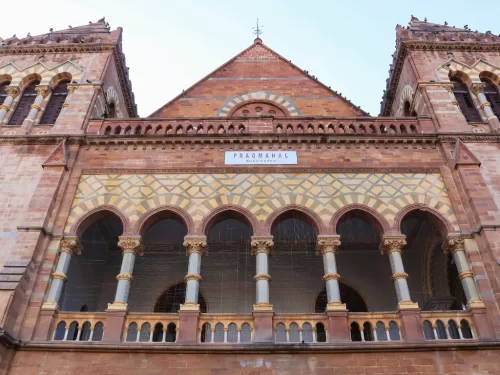
Prag Mahal main facade in Bhuj, Kutch during clear day, featuring Italian Gothic architecture with red sandstone arches, Corinthian columns, intricate jali work and PRAG MAHAL signboard, perfect heritage landmark with Gujarat tour packages.​ Palace

Prag Mahal

Prag Mahal is a 19th-century palace located in Bhuj, Kutch, Gujarat, built in Italian Gothic style.
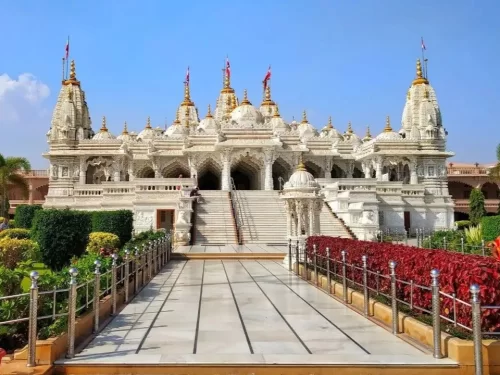
Shree Swaminarayan Temple Bhuj, grand Hindu temple in Kutch Gujarat, white marble architecture and spiritual landmark. Temple

Shree Swaminarayan Temple

Shree Swaminarayan Temple is a Hindu temple located in Bhuj, Kutch, dedicated to Lord Swaminarayan.
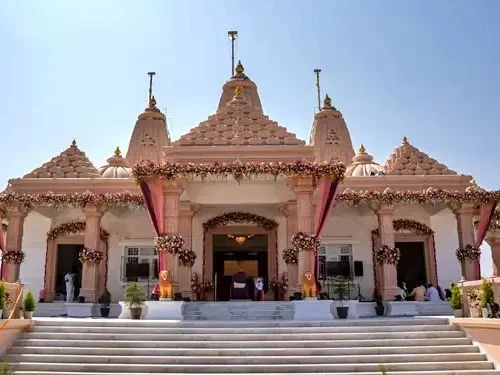
Trimandir, spiritual temple complex in Adalaj Gujarat, unique Jain-Hindu worship center and religious landmark. Temple

Trimandir Temple

Trimandir Temple is a non-sectarian spiritual temple located in Bhuj, Kutch, Gujarat.

Frequently Asked Questions About Smritivan Earthquake Memorial and Museum

Smritivan Earthquake Memorial and Museum is located on Bhujiyo Hill in Bhuj city in the Kutch district of Gujarat. It overlooks the city and is accessible by road.
Smritivan Earthquake Memorial and Museum was built to commemorate the victims of the 2001 Gujarat earthquake. It serves as a memorial site and an educational space focused on disaster awareness and resilience.
Smritivan Earthquake Memorial and Museum is generally open from morning to evening. Timings may vary on public holidays or special occasions.
An entry fee is charged to visit Smritivan Earthquake Memorial and Museum. Ticket prices may vary for adults, children, and special categories.
A visit to Smritivan Earthquake Memorial and Museum typically takes around 2 to 3 hours. This includes exploring indoor galleries and the outdoor memorial areas.
Visitors at Smritivan Earthquake Memorial and Museum can explore interactive galleries, earthquake science exhibits, and landscaped memorial spaces. The complex combines museum displays with panoramic viewpoints.
Smritivan Earthquake Memorial and Museum can be reached by taxi or private vehicle from Bhuj city center. Bhuj is connected by road, rail, and has a domestic airport.
Photography at Smritivan Earthquake Memorial and Museum is usually permitted in open areas. Restrictions may apply inside certain exhibit sections.
The best time to visit Smritivan Earthquake Memorial and Museum is between October and February when the weather in Bhuj is more comfortable. Summers can be hot, especially during midday.
Basic visitor facilities such as parking, restrooms, and ticket counters are available at Smritivan Earthquake Memorial and Museum. Additional amenities can be found in Bhuj city.

Loved this place ? Let’s Plan Your Gujarat Trip

Get customized Gujarat tour planning designed around seasonal climate conditions, long-distance road travel flow, festival timing, and realistic pacing across regions. Whether you are visiting for heritage sites, desert experiences, coastal retreats, wild

⚡ Quick Response | 💰 Free consultation | 🕒 24×7 expert support

×

Plan Your Trip