Quick Facts About Shri Ramakrishna Ashrama
Quick Facts About Shri Ramakrishna Ashrama, Rajkot
| Entry Fee | Free |
|---|---|
| Timings | Open daily (morning and evening hours; exact timings may vary based on prayers and ashram schedule) |
| Altitude (m) | Approx. 130 m |
| Ideal Visit Duration | 1 – 2 hours |
| Best Time of Day | Early morning or evening (during prayer/meditation time) |
| Crowd Level | Low to Moderate (higher on Sundays and religious occasions) |
| Distance from City Centre (km) | Approx. 1 – 3 km (from central Rajkot) |
| Walking Difficulty | Easy (well-maintained premises and short walking paths) |
| Parking Available | Limited parking available near the ashram |
| Last Mile Access | Easily accessible by auto-rickshaw, taxi, and private vehicle |
| Suitable for Kids | Yes (quiet and educational spiritual environment) |
| Suitable for Seniors | Yes (peaceful surroundings with minimal walking effort) |
| Wheelchair Friendly | Partially (main areas are accessible, but some sections may have steps) |
Why Visit Shri Ramakrishna Ashrama, Rajkot
Why Visit
Shri Ramakrishna Ashrama in Rajkot is a peaceful spiritual centre visited by devotees and travelers seeking a calm, devotional environment away from the city’s busy areas. Visitors come here for meditation, prayer, and to experience the teachings and values of the Ramakrishna Mission, which focuses on spirituality, service, and self-discipline. It is also a meaningful stop for those interested in quiet religious spaces rather than crowded temple sites.
Atmosphere
The atmosphere inside the ashram is calm, silent, and deeply meditative, with well-kept surroundings that encourage peaceful reflection. The environment feels disciplined and simple, with devotees and visitors maintaining a respectful tone throughout the premises. Compared to typical tourist attractions, the ashram offers a slow, serene experience where visitors can sit quietly and absorb the spiritual setting.
What Makes it Special
What makes Shri Ramakrishna Ashrama special is its tranquil spiritual vibe combined with the authentic ashram culture that represents the Ramakrishna Mission’s philosophy of devotion and social service. The simplicity of the place, along with its prayer halls and peaceful campus feel, makes it stand out as a quiet retreat within Rajkot. For travelers, it offers a rare opportunity to experience a genuine meditative space rather than a purely sightseeing-focused location.
History of Shri Ramakrishna Ashrama, Rajkot
Shri Ramakrishna Ashrama in Rajkot is a spiritual and service-oriented institution established under the inspiration of Sri Ramakrishna Paramahamsa and Swami Vivekananda. It was developed as part of the wider Ramakrishna Mission movement, which expanded across India to promote spiritual practice along with education and social welfare activities.
The ashrama became known in Rajkot for its role in spreading Vedanta philosophy, organizing devotional gatherings, and conducting charitable initiatives for the local community. Like other Ramakrishna institutions, it follows the ideals of harmony of religions, selfless service, and disciplined spiritual life, attracting devotees and seekers from across the city.
Over time, Shri Ramakrishna Ashrama Rajkot grew into an important cultural and religious center, recognized not only for worship but also for its contribution to social development and moral education. Today, it remains a respected spiritual landmark in Rajkot, reflecting the enduring legacy of the Ramakrishna-Vivekananda tradition in Gujarat.
Best Time to Visit Shri Ramakrishna Ashrama Rajkot
Shri Ramakrishna Ashrama Rajkot is best visited during the cooler months when the peaceful environment can be enjoyed without the discomfort of strong summer heat. Since the ashram visit is meant for calm prayer, meditation, and quiet time, pleasant weather makes the overall experience more relaxing and spiritually fulfilling.
- Ideal Months: October to March (best season for a calm and comfortable ashram visit).
- Weather During Best Season: Mild temperatures and cooler evenings, creating a peaceful atmosphere for meditation, spiritual activities, and spending time in the ashram premises.
- Periods to Avoid: April to June due to intense summer heat in Rajkot, which can make daytime visits less comfortable, especially for longer sitting or walking within the campus.
How to Reach Shri Ramakrishna Ashrama, Rajkot
- Nearest Airport: The nearest airport is Rajkot International Airport (Hirasar Airport), located around 30–35 km from Shri Ramakrishna Ashrama. From the airport, tourists can hire a taxi or use app-based cab services to reach the ashram in Rajkot city.
- Nearest Railway Station: The nearest railway station is Rajkot Junction Railway Station, located around 2–4 km from the ashram. It is well-connected with major cities like Ahmedabad, Mumbai, Vadodara, Surat, and Delhi through regular train services.
- Road Access & Last-Mile Connectivity: Shri Ramakrishna Ashrama is located within the main Rajkot city area and is easily reachable by private vehicle, taxi, auto-rickshaw, and local bus services. The surrounding roads are well-developed, and the last-mile access is smooth, making it convenient for tourists and pilgrims.
- Travel Conditions to Note: Being located in the city, traffic congestion is common during morning and evening peak hours. The ashram atmosphere is calm, but visitors should maintain silence and dress modestly. Parking is generally available nearby, though it may be limited during religious gatherings or special events.
What to Expect When You Visit Shri Ramakrishna Ashrama Rajkot
- Quiet and spiritual ashram environment: Expect a calm, peaceful atmosphere focused on meditation, prayer, and spiritual learning, with minimal noise and a disciplined setting compared to typical tourist places.
- Simple and clean surroundings: The ashram premises are generally neat and well-maintained, with basic architecture and open spaces designed for spiritual activities rather than sightseeing.
- Prayer hall and devotional activities: Visitors may find a prayer hall or temple space where regular worship, chanting, and spiritual gatherings take place, especially during morning and evening hours.
- Limited tourist-style facilities: Do not expect food courts, souvenir shops, or entertainment facilities. Amenities are usually limited to basic seating, drinking water, and washrooms depending on the ashram setup.
- Respectful behavior expected: Visitors are expected to maintain silence or speak softly. Loud talking, casual behavior, and unnecessary photography may be discouraged inside prayer or meditation areas.
- Restricted access to some areas: Certain parts of the ashram may be reserved for residents, monks, or students, so visitors may only be allowed in public prayer and visitor zones.
- Accessibility and movement: Movement inside the campus is usually easy with flat walking areas, but some sections may have steps or narrow corridors depending on building design.
- Educational and spiritual focus: Many visitors come for spiritual talks, reading, or guidance. If there is a library or study section, it is usually quiet and used mainly by devotees and students.
- Photography expectations: Photography is usually limited or not encouraged, especially inside prayer halls. Visitors should always confirm before taking pictures.
- Visit duration: Most visitors spend 20 minutes to 1 hour, unless attending a prayer session or spiritual discourse, which can extend the visit.
Important Visitor Information for Shri Ramakrishna Ashrama, Rajkot
- Crowd & Weather Notes: Shri Ramakrishna Ashrama in Rajkot is generally calm and peaceful compared to major temples, but it can get moderately busy during prayer timings, spiritual events, and special occasions linked to Ramakrishna Mission celebrations. Winter months (October to February) are the most comfortable for visiting, while summer afternoons in Rajkot can feel harsh if you plan to walk around the campus.
- Peak Visiting Hours: The ashrama sees higher visitor presence during morning and evening prayer periods, especially on Sundays and festival-related days when devotees and local followers gather for satsang and spiritual activities.
- Quiet Visiting Hours: The quietest time is typically mid-morning on weekdays and early afternoons, when the ashrama atmosphere remains undisturbed and ideal for meditation or peaceful exploration.
- Dress Code (If Applicable): Modest and respectful clothing is expected as it is a spiritual ashrama environment. Avoid revealing outfits, and maintain a simple dress style suitable for a prayer and meditation space.
- Safety & Practical Cautions: Visitors are expected to maintain silence and avoid loud conversations inside prayer halls and meditation areas. Mobile phone use should be kept minimal, and photography may be restricted in certain sections. If attending during crowded prayer gatherings, keep footwear properly placed and be mindful of elderly devotees moving through narrow entry areas.
Photography and Viewpoints at Shri Ramakrishna Ashrama, Rajkot
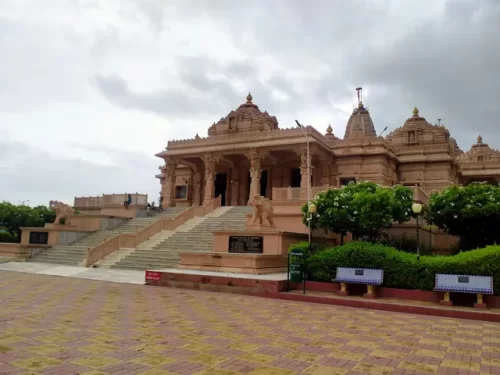
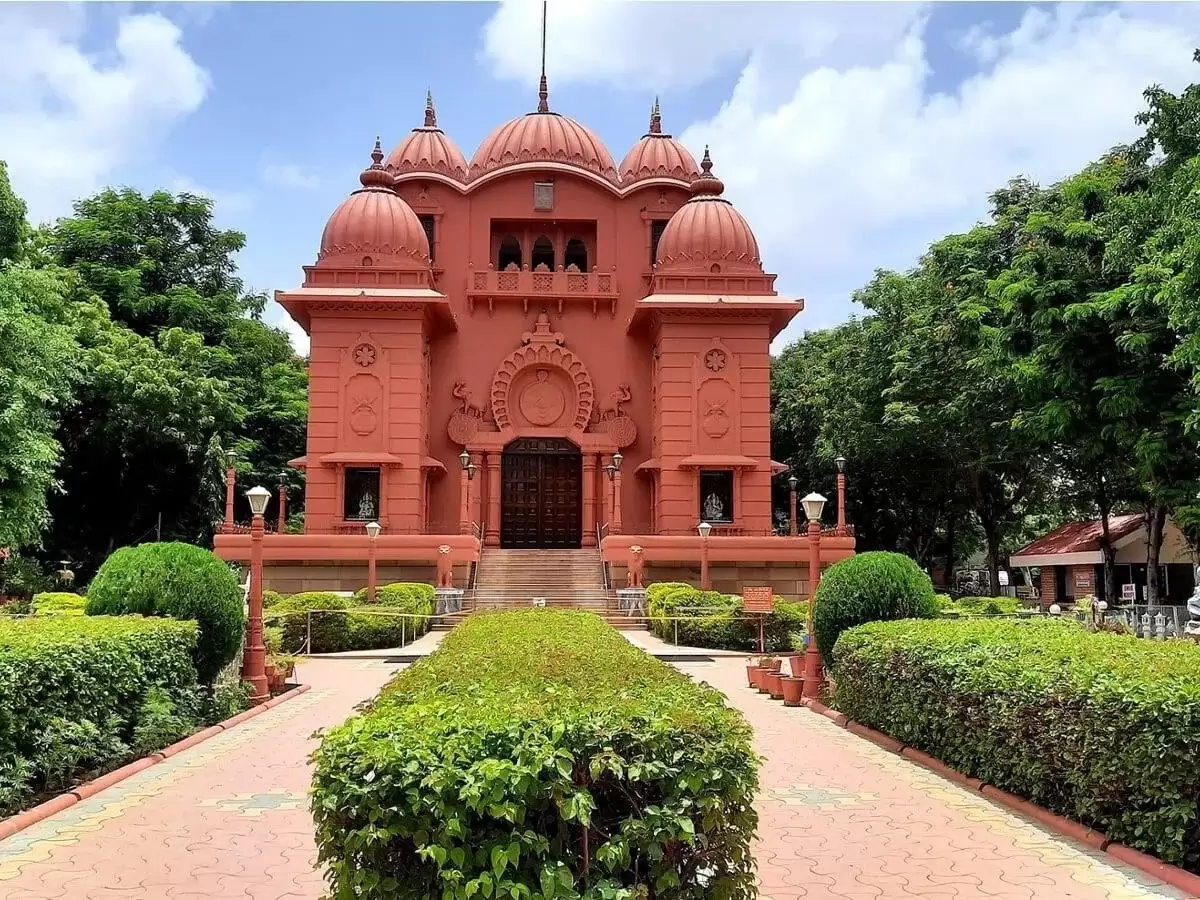
- Best viewpoint for the main ashram building: The most meaningful photographs are captured from the entrance pathway, where the full ashram structure and its peaceful surroundings can be framed in a clean, symmetrical shot.
- Most photogenic spot inside the campus: The prayer hall and courtyard areas (where accessible) offer the best compositions, especially with the calm architecture and spiritual atmosphere in the background.
- Best time of day for photography: Early morning (7 AM to 9 AM) is ideal for soft natural lighting and a quiet environment, allowing peaceful shots without visitor disturbance.
- Evening lighting advantage: Late afternoon (4:30 PM to 6 PM) provides warm light and a serene ambience, especially when the ashram surroundings look more golden and shadow patterns add depth.
- Interior photography considerations: Inside prayer halls and meditation areas, photography may be discouraged or restricted to maintain silence and spiritual discipline, especially during bhajans or prayer timings.
- Photography restrictions to note: Many ashrams do not allow photography during meditation sessions, religious gatherings, or inside sacred spaces. Always confirm with staff before using a camera or mobile.
- Best subjects for photography: The ashram’s calm corridors, simple temple-style elements, statues or portraits of Sri Ramakrishna, Swami Vivekananda, and landscaped corners are the best photo subjects.
- Crowd factors affecting photography: The ashram remains peaceful most days, but weekends, spiritual events, and festival gatherings can increase crowd presence, limiting quiet photography opportunities.
- Best crowd-free window: Weekday mornings are the best time for clean photos, especially for capturing the entrance, prayer hall surroundings, and campus pathways without people in the frame.
- Drone and professional shoot rules: Drone photography and commercial filming are generally not permitted within ashram premises without official permission due to privacy and religious sensitivity.