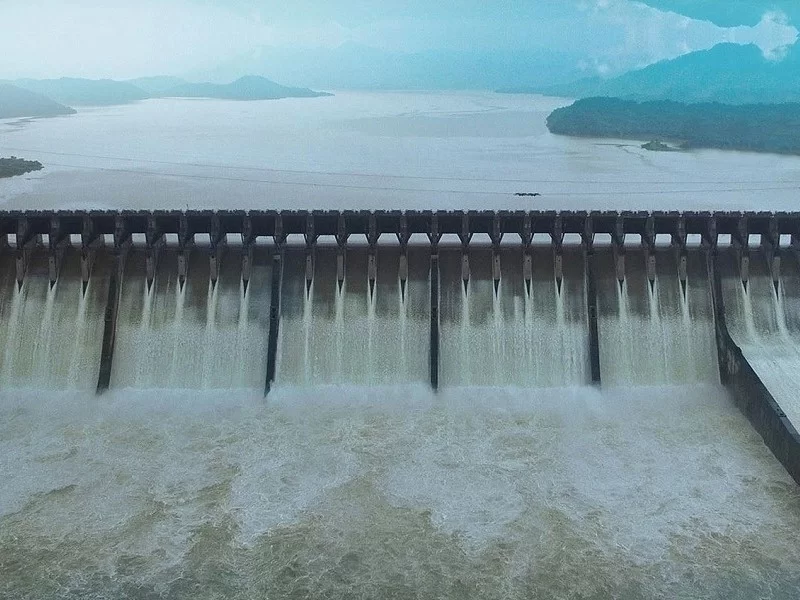
Sardar Sarovar Dam, Narmada District, Gujarat, India

Sardar Sarovar Dam , Kevadia
Tourists visit the dam to view its massive structure, the surrounding reservoir, and the scenic landscape of the Narmada valley. It is also notable for its engineering significance and the Narmada canal system supporting irrigation and water supply.

Quick Facts About Sardar Sarovar Dam

Quick Facts About Sardar Sarovar Dam

Entry Fee Free (some guided tours may have a nominal fee)
Timings Open daily (usually 9:00 AM – 6:00 PM; timings may vary for guided tours)
Altitude (m) Approx. 100 m
Ideal Visit Duration 1 – 2 hours (including viewing platforms and surroundings)
Best Time of Day Morning or late afternoon (for photography and cooler temperatures)
Crowd Level Moderate to High (busier during weekends and holidays)
Distance from City Centre (km) Approx. 3 – 5 km from the nearest town area
Walking Difficulty Easy (paved viewing areas and short walking distances)
Parking Available Yes (designated parking near viewing platforms)
Last Mile Access Private vehicle, taxi, and local transport options available
Suitable for Kids Yes (open spaces, educational experience)
Suitable for Seniors Yes (easy walking areas, seating available at viewpoints)
Wheelchair Friendly Partially (main viewing areas accessible; some pathways may have steps)

Why Visit Sardar Sarovar Dam, Gujarat

Sardar Sarovar Dam is one of Gujarat’s most significant engineering landmarks, attracting visitors interested in large-scale infrastructure and water management projects. Tourists come here to witness the massive dam structure, learn about its role in irrigation and hydroelectric power, and enjoy the surrounding scenic views along the Narmada River.

The atmosphere at Sardar Sarovar Dam is expansive and impressive, with wide viewing areas, landscaped gardens, and pedestrian pathways. Visitors can stroll along designated viewpoints, observe the water release gates, and enjoy the panoramic river views. During certain times, the dam site can be lively with families and groups visiting for educational or leisure purposes.

What makes Sardar Sarovar Dam special is its combination of scale, engineering achievement, and scenic surroundings. Beyond its functional importance, the dam offers striking photographic opportunities and a chance to understand Gujarat’s water management and renewable energy initiatives. For travelers, it stands out as both an educational and visually impressive destination.

History of Sardar Sarovar Dam, Gujarat

Sardar Sarovar Dam is a major multipurpose dam on the Narmada River in Gujarat, named after Sardar Vallabhbhai Patel, one of India’s prominent freedom fighters. The project was conceived in the 1960s as part of the Narmada Valley Development Plan to provide irrigation, drinking water, and hydroelectric power to the surrounding regions.

Construction of the dam began in the 1980s and became a symbol of large-scale river basin development in India. It also became associated with significant social and environmental debates, particularly concerning the displacement of local communities and ecological impact, which brought national and international attention to the project.

Today, Sardar Sarovar Dam stands as one of Gujarat’s most important infrastructure landmarks. It is both an engineering marvel and a functional resource, providing water and power to millions while serving as a popular tourist destination with viewpoints and scenic surroundings along the Narmada River.

Best Time to Visit Sardar Sarovar Dam

Sardar Sarovar Dam is best visited during the cooler months when the weather is comfortable for sightseeing, walking along the dam promenade, and enjoying the scenic views of the reservoir and surrounding landscapes. Winter and post-monsoon seasons also provide clearer skies, making photography and sightseeing more enjoyable.
  • Ideal Months: October to March (best season for visiting the dam and viewing the reservoir).
  • Weather During Best Season: Pleasant temperatures with low humidity, ideal for walking, enjoying viewpoints, and taking photographs of the dam and river surroundings.
  • Periods to Avoid: April to June due to high summer heat, which can make walking along the dam and outdoor sightseeing tiring.

How to Reach Sardar Sarovar Dam, Gujarat

  • Nearest Airport: The nearest airport is Vadodara Airport (Vadodara International Airport), located around 85–90 km from Sardar Sarovar Dam. From the airport, tourists can hire a taxi or take a private car via NH 47/SH 6 to reach the dam.
  • Nearest Railway Station: The nearest railway station is Kevadia Railway Station, located about 3–5 km from the dam complex. It is directly connected to major cities like Vadodara, Ahmedabad, and Mumbai, making it convenient for train travellers.
  • Road Access & Last-Mile Connectivity: Sardar Sarovar Dam is accessible via state highways and well-maintained district roads. From Kevadia town, taxis, auto-rickshaws, and shuttle buses within the dam complex provide smooth last-mile connectivity. Private vehicles are allowed up to designated parking areas near the visitor center.
  • Travel Conditions to Note: During peak tourist seasons and weekends, the dam complex can be crowded, and parking may take time. Roads are generally good, but during the monsoon season, minor delays can occur due to waterlogging in some low-lying areas. Early visits are recommended for a quieter experience and better photography opportunities.

What to Expect When You Visit Sardar Sarovar Dam

  • Massive engineering marvel: Expect a vast dam structure with impressive concrete walls, spillways, and adjoining water reservoir. The scale and engineering are striking, making it a visual highlight for visitors.
  • Viewing platforms and pathways: The dam provides designated observation areas and walkways where visitors can view the reservoir, gates, and surrounding landscape safely.
  • Crowd conditions: The dam is popular among tourists, especially on weekends and holidays. Expect moderate crowds near viewing points and entry areas.
  • Guided tours and information: Some areas may have informational boards explaining the dam’s construction, purpose, and impact. Guided tours may be available on request or at scheduled times.
  • Walking and accessibility: Exploring the dam involves walking along paved paths and observation decks. Most areas are accessible, but some sections may have steps or restricted zones.
  • Basic facilities: Facilities such as restrooms, seating areas, and parking are generally available. Food and drink options may be limited, so carrying water is advisable.
  • Photography expectations: The dam offers excellent photo opportunities of the structure, water reservoir, and surrounding landscape. Early morning or late afternoon provides the best lighting.
  • Safety considerations: Visitors must stay within designated areas and follow safety guidelines, especially near spillways or water-release points.
  • Weather impact: Summers can be hot and sunny, while monsoon season may cause strong water flows and occasional restricted access to certain areas.
  • Visit duration: Most visitors spend 1 to 2 hours, depending on time spent at viewing areas, taking photographs, and exploring nearby viewpoints.

Important Visitor Information for Sardar Sarovar Dam, Gujarat

  • Crowd & Weather Notes: Sardar Sarovar Dam is a major tourist and engineering landmark in Gujarat. It attracts large crowds during weekends, holidays, and peak tourist season (October to February). Summers can be extremely hot, and monsoon months may bring heavy rainfall, making outdoor viewing areas wet and slippery.
  • Peak Visiting Hours: The dam is busiest during late mornings to early afternoons (10:00 AM to 2:00 PM), and during special events or public holidays when large groups of tourists and school excursions visit the site.
  • Quiet Visiting Hours: Early mornings (7:00 AM to 9:00 AM) and late afternoons (3:30 PM to 5:30 PM) on weekdays are quieter, ideal for photography, leisurely walks along the viewing platforms, and enjoying the Narmada river views.
  • Dress Code (If Applicable): There is no formal dress code. Comfortable clothing and walking shoes are recommended, especially if exploring the surrounding viewpoints and gardens.
  • Safety & Practical Cautions: Visitors should stay within designated viewing areas and avoid venturing near restricted zones. Strong winds can occur on the dam crest, so hold onto children and belongings. Photography is allowed in most areas, but follow any security instructions. Carry water and sun protection during summer months, and be cautious on wet surfaces during the monsoon.

Photography and Viewpoints at Sardar Sarovar Dam, Gujarat

  • Best viewpoint for wide dam shots: The main viewpoint near the visitor’s plaza and observation deck provides panoramic views of the dam wall, reservoir, and surrounding Narmada River valley, ideal for wide-angle photography.
  • Most photogenic spot: The downstream side near the spillway offers dramatic perspectives, capturing the massive structure against flowing water and the scenic river landscape.
  • Best time of day for lighting: Early morning (7 AM to 9 AM) provides soft light and minimal shadows on the dam structure, making architectural and landscape details more prominent in photographs.
  • Golden hour advantage: Late afternoon (4 PM to 6 PM) creates warm tones on the concrete and surrounding terrain, enhancing contrast and depth for striking compositions.
  • Midday lighting conditions: Between 11 AM and 3 PM, direct sunlight can create harsh shadows on the dam wall and water glare, requiring careful framing or polarizing filters for optimal shots.
  • Best photography subjects: Capture the dam wall, gates, flowing spillway, reservoir reflections, and surrounding hills. Long-exposure shots of flowing water can enhance the dynamic feel of the dam.
  • Crowd factors affecting photography: Visitor areas can get busy during weekends and public holidays, limiting unobstructed shots near the observation deck or spillway points.
  • Best crowd-free photography window: Weekday mornings are ideal for clear, wide shots without visitors, both at the observation deck and along accessible dam-side viewpoints.
  • Drone and professional shoot rules: Drone photography and commercial filming require prior permission from dam authorities due to security and safety regulations.
  • Seasonal photography considerations: Post-monsoon months provide maximum reservoir water levels, making the dam and surroundings more visually impressive for landscape and architectural photography.

Near By Attraction

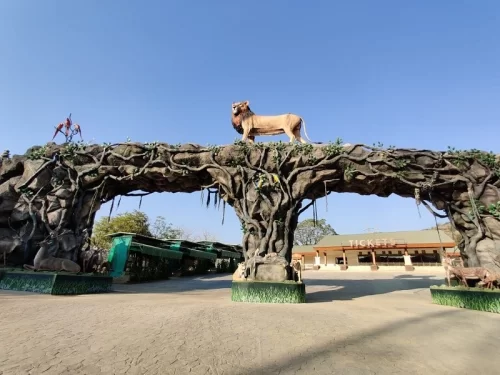
Sardar Patel Zoological Park Kevadia, Jungle Safari in Gujarat near Statue of Unity, wildlife tourism attraction in India. Zoo

Sardar Patel Zoological Park

Sardar Patel Zoological Park is a wildlife park located near the Statue of Unity in Kevadia, Gujarat.
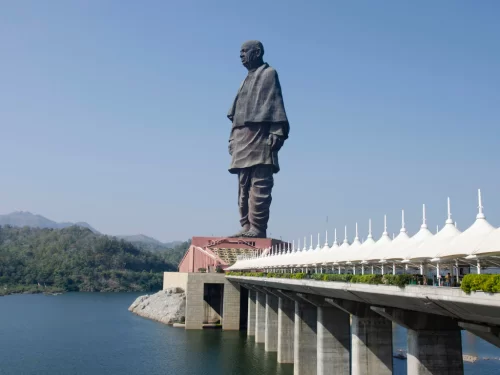
Statue of Unity in Gujarat during clear day, featuring 182m tall Sardar Patel bronze statue, connecting bridge with white canopies, Narmada River and surrounding hills, perfect cultural landmark with Gujarat tour packages. Monument

Statue of Unity

Statue of Unity is a monumental statue of Sardar Vallabhbhai Patel, located on the Narmada River in Kevadia, Gujarat.
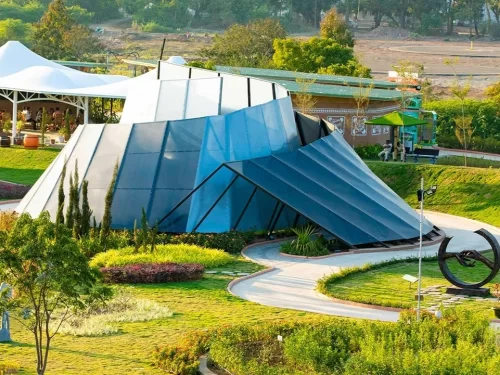
Arogya Van Kevadia, health themed garden near Statue of Unity Gujarat, wellness park and eco tourism attraction in India. Garden

Arogya Van

Arogya Van is a wellness-themed herbal garden located near the Statue of Unity in Kevadia, Gujarat.

Frequently Asked Questions About Sardar Sarovar Dam

Sardar Sarovar Dam is located on the Narmada River in the Narmada district of Gujarat near Ekta Nagar. It lies close to the Statue of Unity tourism area.
Sardar Sarovar Dam is known as one of the largest dams in India and a major multipurpose river project providing irrigation, drinking water, and hydroelectric power.
Sardar Sarovar Dam is generally open to visitors during designated daytime hours. Entry timings may vary depending on security regulations and maintenance schedules.
An entry fee may be charged to access specific viewing areas near Sardar Sarovar Dam. Charges vary depending on visitor category and access zone.
A visit to Sardar Sarovar Dam typically takes around 1 to 2 hours depending on time spent at viewing galleries and nearby attractions.
Sardar Sarovar Dam can be reached by road from Vadodara, Ahmedabad, and other cities in Gujarat. The nearest railway station is Ekta Nagar, and the closest major airport is in Vadodara.
Sardar Sarovar Dam is accessible for most of the year, but access to certain areas may be restricted during heavy monsoon discharge or official security measures.
The best time to visit Sardar Sarovar Dam is from October to March when the weather remains relatively comfortable. Post-monsoon months offer higher water levels and better views.
Visitors can access designated viewing points at Sardar Sarovar Dam depending on security clearance and ticket category. Access to operational sections is restricted.
Facilities near Sardar Sarovar Dam include parking areas, restrooms, and access to amenities within the Ekta Nagar tourism complex.

Loved this place ? Let’s Plan Your Gujarat Trip

Get customized Gujarat tour planning designed around seasonal climate conditions, long-distance road travel flow, festival timing, and realistic pacing across regions. Whether you are visiting for heritage sites, desert experiences, coastal retreats, wild

⚡ Quick Response | 💰 Free consultation | 🕒 24×7 expert support

×

Plan Your Trip