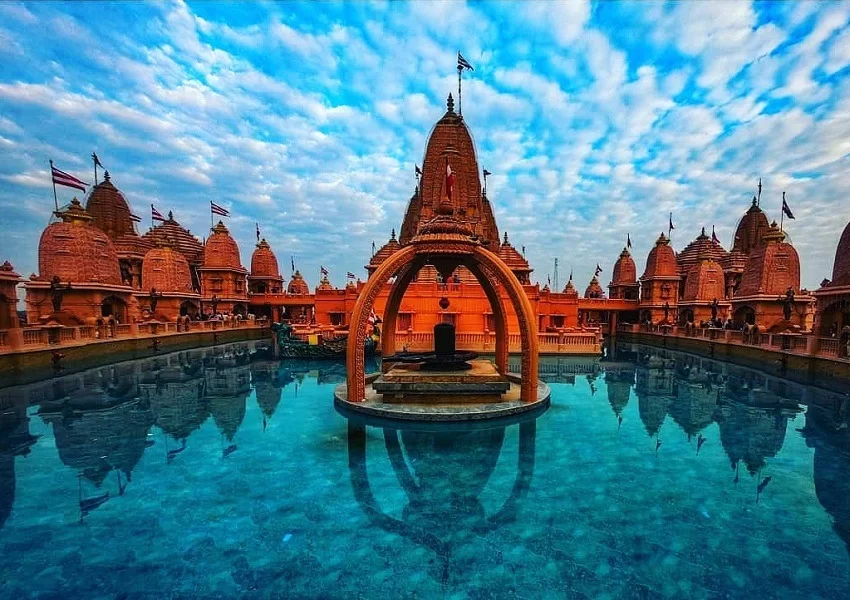
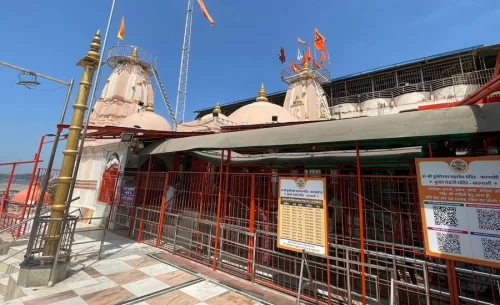
Neelkanth Dham Swaminarayan Temple, Poicha, Gujarat, India

Neelkantha Dham , Vadodara
Visitors come to admire its elaborate architecture, landscaped gardens, spiritual exhibits, and riverfront setting. The complex serves as an important pilgrimage destination and cultural center, attracting devotees and visitors interested in Swaminarayan traditions, religious architecture, and family-oriented sightseeing.

Quick Facts About Neelkantha Dham

Neelkanth Dham Quick Facts

Entry Fee Temple entry is free; separate charges apply for cultural exhibitions, boating, swimming pool, and other recreational attractions.
Timings Darshan generally available from 6:00 AM to 8:30 PM daily throughout the year.
Altitude (m) Approximately 45 m above sea level
Ideal Visit Duration 3–5 hours
Best Time of Day Late afternoon to evening for darshan, cultural attractions, illumination, and evening aarti.
Crowd Level Moderate to high; especially during weekends, school holidays, Swaminarayan festivals, and public holidays.
Distance from City Centre (km) Approximately 60 km from Vadodara and 39 km from the Statue of Unity.
Walking Difficulty Easy; the complex has wide pathways and landscaped areas suitable for leisurely exploration.
Parking Available Yes, ample paid parking facilities are available within the temple complex.
Last Mile Access Direct road access to the temple complex at Poicha, followed by short walks within the campus.
Suitable for Kids Yes; family-friendly attractions, exhibitions, boating, and recreational facilities are available.
Suitable for Seniors Yes; the complex offers good internal accessibility and resting areas.
Wheelchair Friendly Yes; major temple areas, pathways, and public facilities are generally wheelchair accessible.

Why Visit Neelkanth Dham Poicha

Visitors come to Neelkanth Dham to experience a large spiritual and cultural complex dedicated to Lord Swaminarayan, known for its grand architecture and riverside setting along the Narmada.

The atmosphere is serene and well-organized, with landscaped gardens, devotional spaces, illuminated sculptures, and pilgrims exploring the expansive temple grounds.

What makes Neelkanth Dham distinct is its monumental Swaminarayan-inspired architecture, detailed mythological exhibits, and scenic location near the Narmada River, offering a blend of spirituality, art, and cultural storytelling.

History of Neelkanth Dham

Neelkanth Dham, also known as Poicha Swaminarayan Temple, is a modern Hindu temple complex located on the banks of the Narmada River near Poicha in Gujarat. Developed by the Swaminarayan Gurukul organization, the complex was established to promote spiritual learning, devotional practices, and the teachings of the Swaminarayan tradition.

The temple is dedicated to Bhagwan Swaminarayan in his youthful form as Neelkanth Varni, commemorating the spiritual journey he undertook across India before founding the Swaminarayan Sampradaya. Its architecture incorporates traditional Hindu design elements alongside contemporary construction techniques.

Since its development in the 21st century, Neelkanth Dham has become one of Gujarat's prominent pilgrimage and cultural destinations. Today, it attracts devotees and visitors with its grand temple architecture, spiritual exhibits, and its location along the sacred Narmada River.

Best Time to Visit Neelkanth Dham

Neelkanth Dham is best visited from October to March when the weather in the Poicha region of Gujarat is pleasant, making it comfortable to explore the grand temple complex, gardens, and riverfront surroundings.
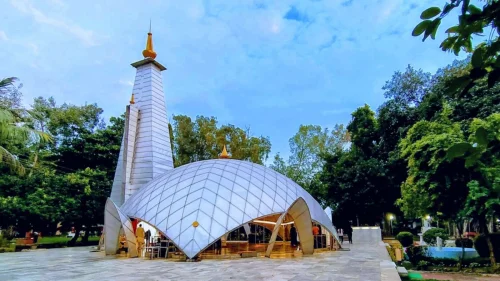
  • Ideal months: October to March is the most favorable period to visit Neelkanth Dham, offering comfortable temperatures and enjoyable conditions for pilgrimage, sightseeing, and photography.
  • Weather conditions during the best season: Cool mornings, pleasant afternoons, and lower humidity provide ideal conditions for exploring the temple's intricate architecture, landscaped grounds, thematic exhibits, and the scenic banks of the Narmada River.
  • Periods to avoid: April to June can be extremely hot across central Gujarat, making extended outdoor exploration less comfortable. The monsoon season from July to September brings periodic rainfall and humid conditions that may affect visits to open-air sections of the complex. Weekends, public holidays, and major religious festivals generally witness higher visitor numbers.

How to Reach Neelkanth Dham

  • Nearest Airport: Vadodara Airport, located approximately 70 km from Neelkanth Dham, is the nearest airport. Visitors can hire taxis or use private vehicles for the onward journey.
  • Nearest Railway Station: Miyagam Karjan Railway Station, about 20 km away, is the nearest railway station. Vadodara Junction, approximately 65 km away, is a major railhead with extensive connectivity across India.
  • Road Access and Last-Mile Connectivity: Neelkanth Dham is situated at Poicha on the banks of the Narmada River in Narmada district, Gujarat. The temple complex is well connected by road from Vadodara, Bharuch, Rajpipla, and Kevadia. Visitors can reach the site by private vehicle, taxi, or bus. The final approach is fully motorable, with ample parking available near the temple complex. Internal pathways within the large campus are well maintained and require moderate walking to explore the various attractions and shrines.

What to Expect When You Visit Neelkantha Dham

  • Environment and Surroundings: Neelkantha Dham, also known as Poicha Swaminarayan Temple, is a large spiritual and cultural complex situated on the banks of the Narmada River in Gujarat. Visitors can expect expansive temple grounds, landscaped gardens, ornate architecture, sculptures, and a well-maintained devotional environment.
  • Facilities and Amenities: The complex offers extensive visitor facilities including parking areas, food courts, drinking water points, restrooms, accommodation options, souvenir shops, seating areas, and organized visitor services. Most amenities required for a day visit are available within the premises.
  • Accessibility and Movement: The temple is easily accessible by road and is designed for comfortable pedestrian movement. Visitors should expect a moderate amount of walking while exploring the large complex, gardens, exhibition areas, and riverside sections.
  • Visitor Conditions: Visitors typically spend time attending darshan, exploring the temple architecture, viewing sculptures, and enjoying the riverside setting. The complex attracts families, pilgrims, and tourists throughout the year, with evenings, weekends, and major Swaminarayan festivals generally experiencing the highest visitor numbers.

Important Visitor Information for Neelkantha Dham

  • Neelkantha Dham experiences high visitor footfall during weekends, public holidays, Mahashivratri, Shravan month, and major Hindu festivals when devotees gather for darshan.
  • Early morning hours generally offer a more peaceful atmosphere for worship and exploration of the temple complex, while afternoons and festival periods tend to be busier.
  • The temple remains accessible throughout the year, though summer afternoons can be warm and monsoon rains may occasionally affect movement within outdoor sections of the complex.
  • Modest attire is recommended within the temple premises, and footwear must be removed before entering the shrine areas.
  • Visitors should follow temple customs, maintain decorum during prayers and rituals, and exercise caution on steps, pathways, and decorative water features, especially during wet weather.

Photography and Viewpoints at Neelkanth Dham

  • The best photographs are captured from the temple forecourt and landscaped gardens, where the grand Swaminarayan architecture, ornate gateways, sculptures, and colorful decorative elements can be framed together.
  • Early morning and late afternoon provide the most favorable lighting conditions, highlighting the intricate carvings, domes, pillars, and architectural details without harsh midday shadows.
  • The expansive temple grounds offer multiple angles for photographing the main shrine, beautifully maintained gardens, fountains, and religious sculptures.
  • The temple's richly decorated facades, artistic stonework, and spiritual-themed installations are best photographed during daylight hours when details and colors are clearly visible.
  • Photography is generally permitted in designated outdoor public areas, but restrictions may apply inside prayer halls, sanctified sections, and during religious ceremonies. Visitors should follow instructions issued by temple authorities.
  • Festivals, weekends, and major Swaminarayan religious events attract larger crowds, which can affect access to preferred photography locations within the complex.
  • Tripods, commercial photography, videography, and drone operations may require prior permission and may be restricted within the temple premises.

Near By Attraction

 Temple

Kuber Bhandari Temple

Kuber Bhandari Temple is a revered Hindu temple dedicated to Lord Kuber, the deity of wealth, located in Karnali village on the banks of the Narmada River in Gujarat.
 Temple

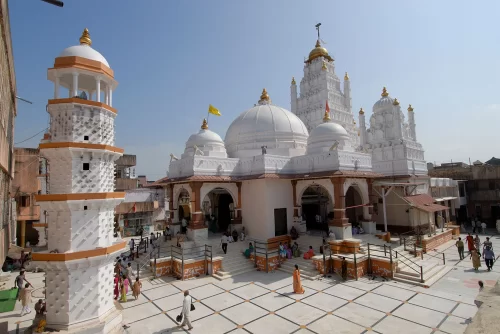
Shri Ranchhodraiji Maharaj Mandir , Dakor

Shri Ranchhodraiji Maharaj Mandir is a prominent Hindu temple dedicated to Lord Krishna in his Ranchhodraiji form, located in the pilgrimage town of Dakor, Gujarat.

Tapovan Temple Vadodara showcases vibrant Dravidian-style gopuram with intricate deity carvings under dramatic skies, spiritual heritage perfect for Gujarat tour packages. Temple

Tapovan Temple

Tapovan Temple is a Hindu temple in Vadodara known for its peaceful surroundings and regular worship activities.

Frequently Asked Questions About Neelkantha Dham

Loved this place ? Let’s Plan Your Gujarat Trip

Get customized Gujarat tour planning designed around seasonal climate conditions, long-distance road travel flow, festival timing, and realistic pacing across regions. Whether you are visiting for heritage sites, desert experiences, coastal retreats, wild

⚡ Quick Response | 💰 Free consultation | 🕒 24×7 expert support

×

Plan Your Trip