Mahatma Gandhi Museum, Rajkot, Gujarat, India

Mahatma Gandhi Museum Rajkot , Rajkot
Tourists visit the museum to see exhibits related to Gandhi’s childhood, personal belongings, photographs, and archival records that highlight his formative years. It is an important stop for visitors interested in India’s freedom movement and Rajkot’s role in Gandhi’s life.

Quick Facts About Mahatma Gandhi Museum Rajkot

Quick Facts About Mahatma Gandhi Museum, Rajkot

Entry Fee Free (donations may be accepted)
Timings Open daily (generally 9:00 AM – 6:00 PM; timings may vary on public holidays)
Altitude (m) Approx. 130 m
Ideal Visit Duration 30 minutes – 1 hour
Best Time of Day Late morning or afternoon
Crowd Level Low to Moderate (busier on weekends and school visits)
Distance from City Centre (km) Approx. 2–3 km (from central Rajkot)
Walking Difficulty Easy (short indoor walking and museum rooms)
Parking Available Limited parking available nearby
Last Mile Access Auto-rickshaw, taxi, city bus, and private vehicle access available
Suitable for Kids Yes (educational exhibits and a short, simple museum visit)
Suitable for Seniors Yes (minimal walking, seating may be limited inside)
Wheelchair Friendly Partially (entry is usually manageable, but full accessibility depends on building layout)

Why Visit Mahatma Gandhi Museum, Rajkot

Why Visit

Mahatma Gandhi Museum in Rajkot is an important place for travelers who want to understand Gandhi’s early life and his connection with the city. Visitors come here to see preserved photographs, personal belongings, documents, and displays that highlight his childhood years in Rajkot. It is a meaningful stop for history lovers, students, and tourists interested in India’s freedom movement.

Atmosphere

The atmosphere inside the museum is quiet and reflective, with a simple layout that encourages visitors to read and explore at their own pace. The surroundings feel peaceful and educational, making it suitable for families and solo travelers. Compared to crowded tourist spots, the museum offers a calm experience focused more on learning than leisure.

What Makes it Special

What makes Mahatma Gandhi Museum special is its direct association with Gandhi’s formative years, offering visitors a rare chance to connect with his personal journey beyond the well-known national history. The exhibits provide a grounded look at his lifestyle, values, and early influences in Rajkot. For travelers, it stands out as a culturally significant museum that adds depth to a city tour of Rajkot.

History of Mahatma Gandhi Museum, Rajkot

Mahatma Gandhi Museum in Rajkot is historically important because Rajkot was one of the key cities where Mohandas Karamchand Gandhi spent a significant part of his early life. The museum is closely linked to Gandhi’s childhood and formative years, when he lived in Rajkot while his father, Karamchand Gandhi, served in administrative roles in the princely state.

The museum was developed to preserve and showcase records, photographs, and personal references connected to Gandhi’s early life, highlighting the period before he became a national leader. Rajkot played a major role in shaping his early education, values, and exposure to social and political life, making it an essential location in Gandhi’s personal timeline.

Today, Mahatma Gandhi Museum stands as a heritage and educational site in Rajkot, offering visitors a deeper understanding of Gandhi’s background and his early connection to Gujarat. It remains a significant cultural landmark for those interested in India’s freedom movement history and Gandhi’s personal journey.

Best Time to Visit Mahatma Gandhi Museum Rajkot

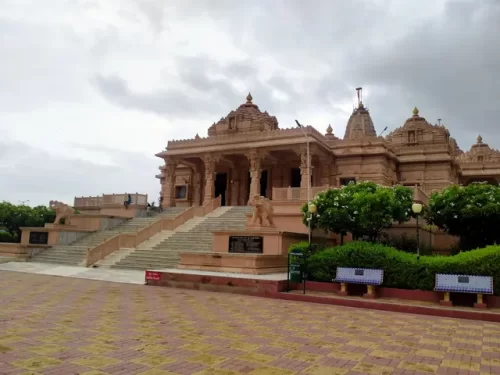
Mahatma Gandhi Museum in Rajkot can be visited throughout the year, but the best experience is during the cooler months when exploring the museum and the surrounding heritage areas feels comfortable and unhurried. Winter and post-monsoon seasons are ideal for combining the museum visit with nearby attractions like Jubilee Garden and other historic landmarks.
  • Ideal Months: October to February (best for sightseeing and heritage exploration in Rajkot).
  • Weather During Best Season: Pleasant daytime temperatures with cooler mornings and evenings, making it ideal for walking around the museum campus and visiting nearby cultural spots.
  • Periods to Avoid: April to June due to peak summer heat in Rajkot, which can make travel between heritage locations uncomfortable, especially during afternoon hours.

How to Reach Mahatma Gandhi Museum, Rajkot

  • Nearest Airport: The nearest airport is Rajkot International Airport (Hirasar Airport), located around 30–35 km from Mahatma Gandhi Museum. From the airport, tourists can hire a taxi or use app-based cab services to reach the museum in the city centre.
  • Nearest Railway Station: The nearest railway station is Rajkot Junction Railway Station, located around 3–5 km from the museum. The station is well-connected to Ahmedabad, Mumbai, Vadodara, Surat, and other major Indian cities.
  • Road Access & Last-Mile Connectivity: Mahatma Gandhi Museum is located in a central part of Rajkot and is easily accessible via local roads. Visitors can reach the museum comfortably by auto-rickshaw, taxi, app-based cab, or local city bus services. The last-mile connectivity is excellent as the museum is within the main urban area near important landmarks.
  • Travel Conditions to Note: Since the museum is located within the city, traffic congestion can be expected during office hours and weekends. Parking availability may be limited during peak tourist times, so using local transport is often more convenient.

What to Expect When You Visit Mahatma Gandhi Museum Rajkot

  • Simple and heritage-focused museum setting: Expect a modest museum environment that feels more like a preserved historical site than a modern, high-tech museum, with exhibits focused on Gandhiji’s early life and local connection to Rajkot.
  • Gandhi-related exhibits and displays: Visitors usually see photographs, writings, personal history panels, and period-style exhibits that explain Mahatma Gandhi’s time in Rajkot and the values he developed during his early years.
  • Quiet and educational atmosphere: The museum is generally calm, with visitors moving slowly and reading information boards. It is not a crowded tourist attraction except during school trips or national holidays.
  • Limited interactive elements: Do not expect modern interactive screens or multimedia galleries. The experience is mainly reading-based, with traditional displays and informational sections.
  • Indoor walking and short exploration: The museum visit involves walking through a few rooms and exhibit sections. The overall area is not very large, so it is comfortable for most visitors.
  • Accessibility and movement: The museum is usually easy to navigate, but older building layouts may include narrow passages or steps, which can be slightly inconvenient for wheelchair users.
  • Basic visitor facilities: Facilities are usually limited to basic washrooms and small seating spaces. Food options are generally not inside the museum and are found outside in nearby market areas.
  • Photography restrictions: Photography may be restricted in certain exhibit rooms to protect documents and displays, so visitors should be prepared to follow staff instructions.
  • Typical visitor behavior: Many visitors come for educational purposes, especially students and history enthusiasts. Most people spend time reading exhibits rather than taking long photo sessions.
  • Time required for visit: Most visitors spend around 30 minutes to 1 hour, depending on how carefully they read the information panels and explore the exhibits.

Important Visitor Information for Mahatma Gandhi Museum, Rajkot

  • Crowd & Weather Notes: Mahatma Gandhi Museum in Rajkot is a popular educational and heritage attraction, especially for students, school groups, and history-focused tourists. It remains comfortable to visit throughout the year, but winter (October to February) is ideal for combining it with nearby city sightseeing. During summer afternoons, the surrounding area can feel hot while walking between attractions.
  • Peak Visiting Hours: The museum is most crowded during late morning to early afternoon (11:00 AM to 2:00 PM), particularly on weekends and during school excursions. Public holidays can also see increased footfall.
  • Quiet Visiting Hours: Weekday mornings soon after opening and late afternoons are generally the best times for a quieter experience, allowing visitors to explore exhibits without crowd pressure.
  • Dress Code (If Applicable): There is no dress code, but as the museum is a respectful memorial-type space linked to Mahatma Gandhi’s life, visitors are expected to maintain decent clothing and avoid inappropriate behaviour inside exhibition areas.
  • Safety & Practical Cautions: Photography may be restricted inside certain exhibit sections, so confirm rules at the entrance before taking pictures. Since the museum includes preserved artefacts and display panels, avoid touching exhibits unless allowed. If visiting with children, supervise them closely as the museum contains fragile historical items and quiet reading spaces.

Photography and Viewpoints at Mahatma Gandhi Museum, Rajkot

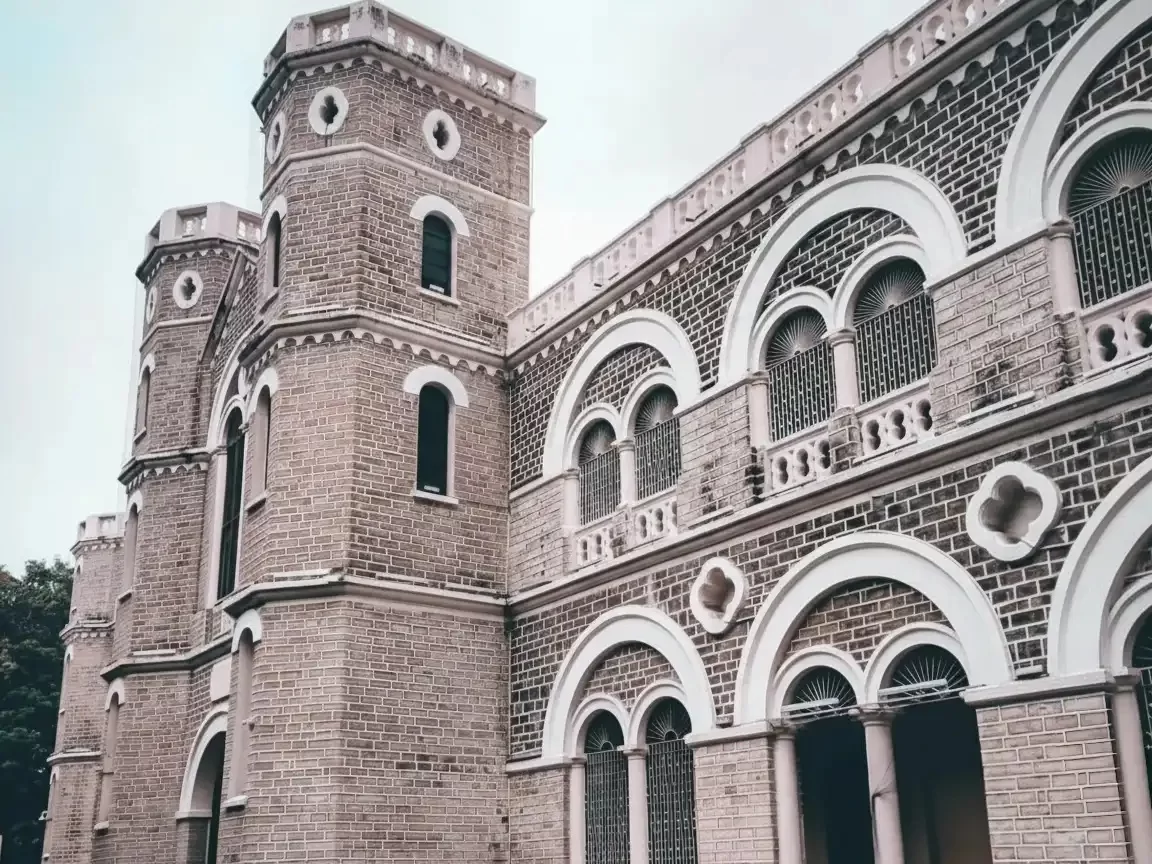
  • Best viewpoint for exterior shots: The most photogenic angle is from the main entrance area, where you can capture the full museum façade along with its heritage-style architecture and surrounding greenery in a balanced frame.
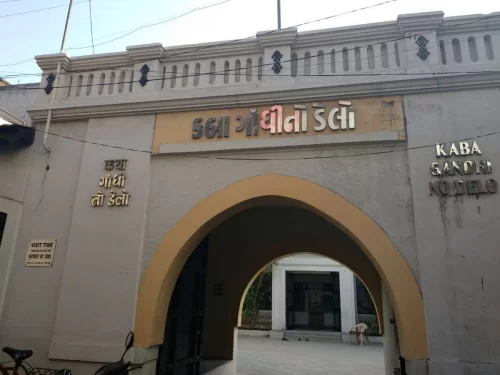
  • Most iconic photo spot: The front signage and entrance pathway are the best places for a clear “location-identifying” photograph, especially for travel documentation and heritage-focused shots.
  • Best time of day for lighting: Morning hours (9 AM to 11 AM) are ideal for clean daylight photography, as the sunlight is softer and the building details appear sharper without harsh shadows.
  • Midday lighting conditions: Between 12 PM and 3 PM, sunlight can be strong and may create overexposed areas on light-coloured walls, so exterior shots look better from shaded angles or side perspectives.
  • Interior photography restrictions: Inside the museum galleries, photography is often restricted to protect historical displays, documents, and exhibits. Many sections may not allow flash or videography.
  • Best photography subjects inside (where permitted): If allowed, the most meaningful frames include Gandhi-related photographs, heritage panels, and preserved artifacts, but always check permission before clicking.
  • Crowd factors affecting photography: The museum can get moderately crowded during school visits, weekends, and public holidays, which may affect clean shots in narrow indoor corridors and exhibit areas.
  • Best crowd-free photography window: Weekday mornings right after opening are best for quiet viewing and clearer exterior photos without heavy visitor movement.
  • Rules for professional photography: Professional cameras, tripods, and commercial shoots may require prior permission from museum authorities, especially for documentary or promotional work.
  • Best overall photography experience: The museum is best photographed as a heritage-and-history spot, focusing on its calm environment, entry façade, and museum identity frames rather than wide scenic landscape views.

Near By Attraction

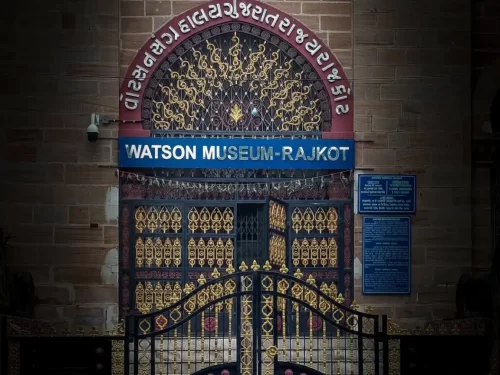
Watson Museum Rajkot historic museum in Gujarat showcasing cultural artifacts and heritage collections Museum

Watson Museum

Watson Museum is a historic museum located inside Jubilee Garden in Rajkot, Gujarat.

Rotary International Dolls Museum Rajkot unique museum showcasing traditional dolls and global cultural exhibits Museum

Rotary International Dolls Museum

Rotary International Dolls Museum is a unique museum in Rajkot showcasing a large collection of dolls from different countries and Indian states.

Shri Ramakrishna Ashrama Rajkot spiritual center and historic temple surrounded by lush gardens in Gujarat Ashram

Shri Ramakrishna Ashrama

Shri Ramakrishna Ashrama is a spiritual and educational centre in Rajkot associated with the Ramakrishna Mission.

Frequently Asked Questions About Mahatma Gandhi Museum Rajkot

Mahatma Gandhi Museum Rajkot in Gujarat is located at Kaba Gandhi No Delo in central Rajkot. The museum is situated in the house where Mahatma Gandhi spent part of his childhood.
Mahatma Gandhi Museum Rajkot in Gujarat is approximately 2 kilometers from Rajkot Railway Station. The distance can be covered in about 5 to 10 minutes by auto-rickshaw or taxi.
Mahatma Gandhi Museum Rajkot in Gujarat is generally open from 9:00 AM to 6:00 PM. Timings may vary on national holidays, so confirming locally before visiting is recommended.
Entry to Mahatma Gandhi Museum Rajkot in Gujarat is usually free for visitors. Special exhibitions or guided visits may have separate arrangements if applicable.
Mahatma Gandhi Museum Rajkot in Gujarat may remain closed on certain public holidays. Visitors should verify weekly closure details before planning their visit.
Most visitors spend about 45 minutes to 1.5 hours at Mahatma Gandhi Museum Rajkot in Gujarat. The visit duration depends on interest in exhibits and reading displays.
Mahatma Gandhi Museum Rajkot in Gujarat displays photographs, personal belongings, letters, and documents related to Mahatma Gandhi’s early life. The exhibits focus on his childhood years spent in Rajkot.
Photography policies at Mahatma Gandhi Museum Rajkot in Gujarat may be restricted inside certain galleries. Visitors should follow on-site instructions regarding photography permissions.
Mahatma Gandhi Museum Rajkot in Gujarat is suitable for students due to its educational exhibits and historical relevance. School groups frequently visit for academic learning.
Visitors can reach Mahatma Gandhi Museum Rajkot in Gujarat by auto-rickshaw, taxi, local bus, or private vehicle within Rajkot city. Rajkot Railway Station and Rajkot Airport provide connectivity for travelers arriving from other cities.

Loved this place ? Let’s Plan Your Gujarat Trip

Get customized Gujarat tour planning designed around seasonal climate conditions, long-distance road travel flow, festival timing, and realistic pacing across regions. Whether you are visiting for heritage sites, desert experiences, coastal retreats, wild

⚡ Quick Response | 💰 Free consultation | 🕒 24×7 expert support

×

Plan Your Trip