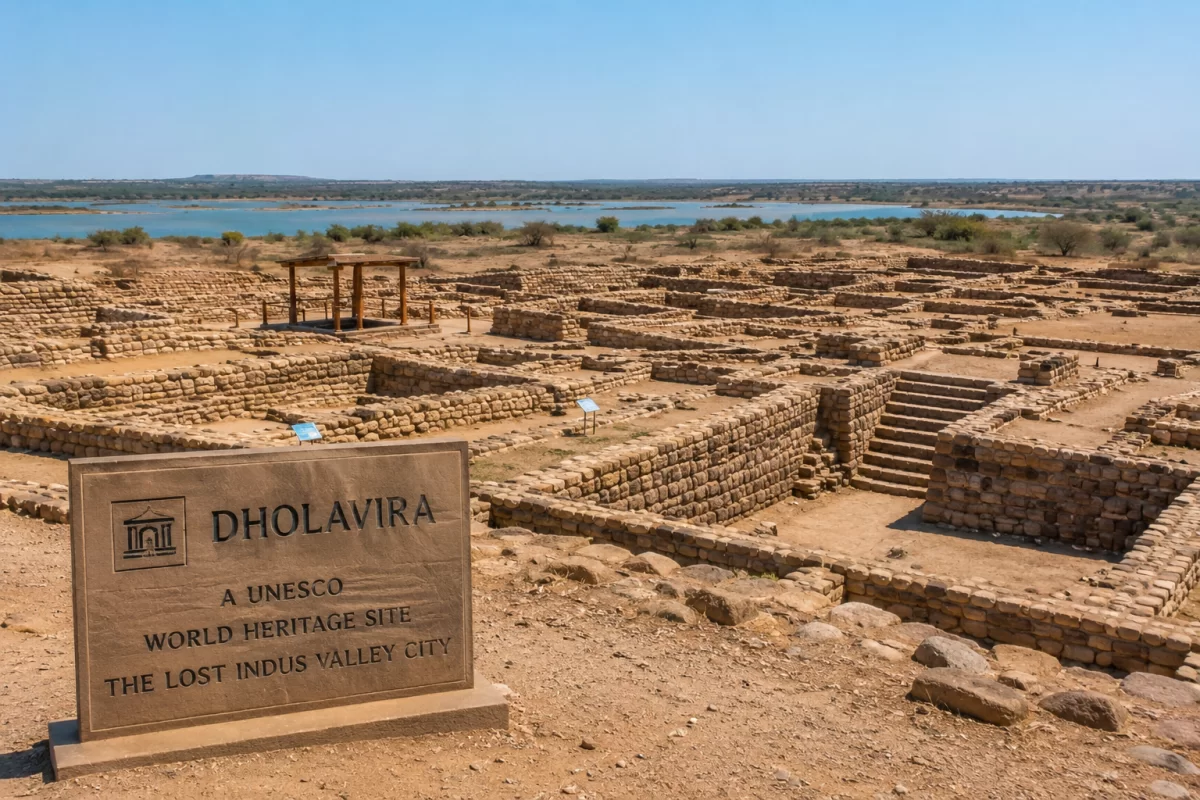
Dholavira Archaeological Site, Kutch, Gujarat, India

Dholavira Archaeological Site , Dholavira
Visitors come to explore the excavated city remains, sophisticated water management systems, reservoirs, fortifications, and archaeological exhibits that provide insight into one of the world\'s earliest urban cultures. The site is an important destination for history, archaeology, and heritage tourism in India.

Quick Facts About Dholavira Archaeological Site

Dholavira Archaeological Site Quick Facts

Entry Fee 40 for Indian citizens and 600 for foreign nationals (subject to ASI revisions).
Timings Generally open daily from 8:00 AM to 6:00 PM.
Altitude (m) Approximately 15 m above sea level
Ideal Visit Duration 2–4 hours
Best Time of Day Early morning or late afternoon to avoid the intense desert heat.
Crowd Level Low to moderate; visitor numbers increase during winter and holiday seasons.
Distance from City Centre (km) Approximately 95 km from Rapar and about 220 km from Bhuj.
Walking Difficulty Moderate; exploring the extensive archaeological ruins involves considerable walking on open terrain.
Parking Available Yes, parking facilities are available near the site entrance.
Last Mile Access Direct road access via Khadir Bet Island followed by walking through the archaeological complex.
Suitable for Kids Yes, with adequate sun protection and hydration.
Suitable for Seniors Yes, though extended walking and exposure to heat may require caution.
Wheelchair Friendly Partially; some pathways are accessible, but uneven archaeological terrain limits full accessibility.

Why Visit Dholavira Archaeological Site

Visitors come to Dholavira Archaeological Site to explore one of the most remarkable settlements of the Indus Valley Civilization and gain insight into one of the world's earliest urban cultures.

The atmosphere is historic and exploratory, with extensive ruins, ancient reservoirs, and open desert surroundings allowing visitors to appreciate the scale and sophistication of the site.

What makes Dholavira Archaeological Site distinct is its advanced water management system, well-planned city layout, and UNESCO World Heritage status, making it one of the most significant archaeological destinations in India.

History of Dholavira Archaeological Site

Dholavira Archaeological Site, located on Khadir Bet in the Great Rann of Kutch, Gujarat, is one of the most significant urban settlements of the Indus Valley Civilization. Occupied between approximately 3000 BCE and 1500 BCE, Dholavira was a major center of trade, administration, and urban planning during the Harappan period.

Excavations have revealed a remarkably advanced city featuring fortified citadels, sophisticated water conservation systems, reservoirs, drainage networks, and planned residential areas. The discovery of a large inscription in the undeciphered Indus script and extensive evidence of trade highlights Dholavira's importance within the Harappan civilization.

Recognized as a UNESCO World Heritage Site in 2021, Dholavira stands as one of the best-preserved archaeological sites of the Indus Valley Civilization. Today, it offers visitors a rare opportunity to explore the remains of one of the world's earliest urban cultures and understand the technological achievements of ancient South Asia.

Best Time to Visit Dholavira Archaeological Site

Dholavira Archaeological Site is best visited from October to March when the weather in the Rann of Kutch region is pleasant, making it comfortable to explore the extensive ruins of one of the largest cities of the Indus Valley Civilization.
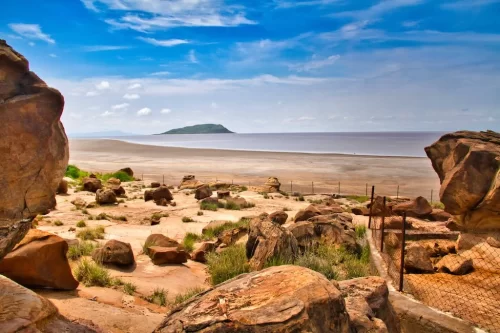
  • Ideal months: October to March is the most favorable period to visit Dholavira Archaeological Site, offering comfortable temperatures and excellent conditions for heritage exploration.
  • Weather conditions during the best season: Cool mornings, pleasant afternoons, low humidity, and clear skies provide ideal conditions for walking through the archaeological remains, reservoirs, citadel, and museum while enjoying the surrounding desert landscape.
  • Periods to avoid: April to June can be extremely hot, with temperatures often making extended outdoor exploration difficult. The monsoon season from July to September may bring occasional rainfall and humid conditions, though access generally remains possible depending on local weather.

How to Reach Dholavira Archaeological Site

  • Nearest Airport: Bhuj Airport, located approximately 220 km from Dholavira Archaeological Site, is the nearest airport. Visitors can hire taxis or use private vehicles for the onward journey through the Rann of Kutch region.
  • Nearest Railway Station: Bhachau Railway Station, about 95 km away, is the nearest railway station. Bhuj Railway Station is another commonly used railhead with broader connectivity across Gujarat.
  • Road Access and Last-Mile Connectivity: Dholavira Archaeological Site is located on Khadir Bet Island in the Great Rann of Kutch and is accessible by road via Bhachau, Rapar, and Balasar. Private vehicles and taxis are the primary modes of transport, as public transport options are limited. The final approach is fully motorable, with parking available near the archaeological complex. Due to the remote desert location, visitors are advised to carry sufficient water, fuel, and essential supplies before starting the journey.

What to Expect When You Visit Dholavira Archaeological Site

  • Environment and Surroundings: Dholavira Archaeological Site is a UNESCO World Heritage Site located on Khadir Bet Island in the Great Rann of Kutch. Visitors can expect vast semi-arid landscapes, open horizons, ancient stone structures, and the remains of one of the most significant settlements of the Indus Valley Civilization.
  • Facilities and Amenities: Basic visitor facilities such as ticket counters, interpretation panels, parking areas, restrooms, and a site museum are available. Food outlets, accommodation, fuel stations, and other services are limited in the immediate area, so advance planning is recommended.
  • Accessibility and Movement: The site is accessible by road through the Kutch region. Exploring Dholavira involves considerable walking across open archaeological zones, excavated structures, reservoirs, and pathways exposed to the elements.
  • Visitor Conditions: Visitors typically spend time studying the ancient urban layout, water management systems, fortifications, and museum exhibits. The area experiences intense sunlight and high temperatures for much of the year, with limited shade available within the archaeological complex, making sun protection and adequate hydration important.

Important Visitor Information for Dholavira Archaeological Site

  • Dholavira Archaeological Site experiences the highest visitor numbers during the winter tourism season from October to March, while weekends and public holidays typically attract more visitors.
  • Early morning and late afternoon hours generally offer the most comfortable conditions for exploring the extensive archaeological remains and open-air excavation areas.
  • Summer temperatures in the Rann of Kutch region can be extremely high, while winter provides the most favorable weather for sightseeing and outdoor exploration.
  • No specific dress code applies, but light clothing, sun protection, a hat, and comfortable walking footwear are strongly recommended due to the site's exposed terrain.
  • Visitors should remain on designated pathways, avoid climbing on ancient structures, carry sufficient drinking water, and help preserve the UNESCO World Heritage Site by not disturbing archaeological remains.

Photography and Viewpoints at Dholavira Archaeological Site

  • The best photographs are captured from the elevated sections of the citadel and fortification walls, where the vast layout of the ancient Harappan city can be appreciated against the stark landscape of Khadir Bet in the Great Rann of Kutch.
  • Early morning and late afternoon provide the most favorable lighting conditions, highlighting the stone structures, reservoirs, gateways, and archaeological remains without harsh desert glare.
  • The massive water reservoirs, ceremonial ground, castle complex, and ancient urban planning features offer exceptional opportunities for architectural and archaeological photography.
  • The elevated viewpoints across the excavation area allow visitors to capture the scale and geometric layout of one of the most significant Indus Valley Civilization sites in South Asia.
  • Photography is generally permitted throughout the public sections of the archaeological site, though visitors should follow all guidelines issued by the Archaeological Survey of India and avoid entering protected excavation zones.
  • Winter months provide the clearest visibility and most comfortable conditions for photography, while the surrounding semi-arid landscape creates striking contrasts with the ancient stone ruins.
  • Weekday mornings usually offer quieter conditions for photography, while weekends, holidays, and peak tourist seasons may result in increased visitor activity around key viewpoints.

Near By Attraction

wood fossil park dholavira Adventure Park

Wood Fossil Park

Wood Fossil Park is a geological heritage site located near Dholavira in the Kutch district of Gujarat, preserving fossilized tree trunks and ancient plant remains dating back millions of years.

Frequently Asked Questions About Dholavira Archaeological Site

Loved this place ? Let’s Plan Your Gujarat Trip

Get customized Gujarat tour planning designed around seasonal climate conditions, long-distance road travel flow, festival timing, and realistic pacing across regions. Whether you are visiting for heritage sites, desert experiences, coastal retreats, wild

⚡ Quick Response | 💰 Free consultation | 🕒 24×7 expert support

×

Plan Your Trip