Quick Facts About Bharatiya Sanskruti Darshan Museum
Quick Facts About Bharatiya Sanskruti Darshan Museum, Bhuj
| Entry Fee | Paid (nominal fee; confirm at museum entrance) |
|---|---|
| Timings | Open daily (usually 10:00 AM – 5:00 PM; closed on some public holidays) |
| Altitude (m) | Approx. 85 m |
| Ideal Visit Duration | 1 – 2 hours |
| Best Time of Day | Late morning or early afternoon |
| Crowd Level | Low to Moderate (busier on weekends and holidays) |
| Distance from City Centre (km) | Approx. 3 – 4 km from Bhuj city centre |
| Walking Difficulty | Easy (mostly indoor museum visit) |
| Parking Available | Yes (parking available near the museum) |
| Last Mile Access | Auto-rickshaw, taxi, or private vehicle access available |
| Suitable for Kids | Yes (educational and cultural exhibits) |
| Suitable for Seniors | Yes (comfortable indoor visit with seating) |
| Wheelchair Friendly | Partially (ground floor accessible; some exhibits may have steps) |
Why Visit Bharatiya Sanskruti Darshan Museum, Bhuj
Bharatiya Sanskruti Darshan Museum in Bhuj is a cultural and heritage museum attracting visitors interested in Indian traditions, art, and history. Tourists come here to explore exhibits showcasing folk art, crafts, sculptures, and artifacts representing India’s diverse cultural heritage. It is a significant stop for travelers looking to understand regional and national traditions.
The atmosphere at Bharatiya Sanskruti Darshan Museum is calm and educational, with organized displays and spacious galleries that encourage leisurely exploration. Visitors can observe artifacts, read informative panels, and experience the cultural richness of India in a structured environment. The museum offers a quiet space for learning and photography.
What makes Bharatiya Sanskruti Darshan Museum special is its focus on showcasing India’s artistic and cultural diversity in one location. The combination of traditional crafts, folk art, and historical exhibits provides travelers with a comprehensive cultural experience. For visitors, it offers both educational insight and a visually engaging journey through India’s heritage.
History of Bharatiya Sanskruti Darshan Museum, Bhuj
Bharatiya Sanskruti Darshan Museum in Bhuj, Gujarat, is a modern cultural museum established to showcase the diverse heritage, arts, and crafts of India. The museum was developed to educate visitors about traditional Indian culture and preserve regional artifacts from Kutch and other parts of the country.
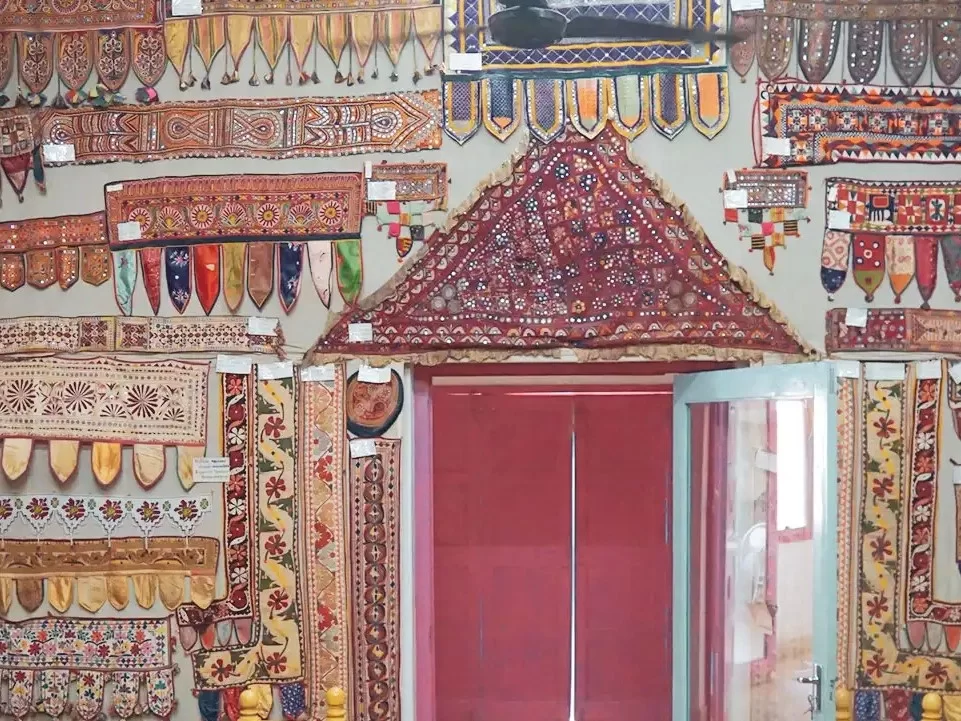
The museum features exhibits on folk arts, textiles, sculptures, and traditional crafts, highlighting the historical and cultural richness of India. It serves as a platform for both education and cultural appreciation, reflecting the efforts to preserve intangible heritage alongside tangible artifacts.
Today, Bharatiya Sanskruti Darshan Museum is a prominent cultural and educational landmark in Bhuj. Tourists and students visit to explore India’s artistic and historical heritage, making it a key destination for understanding the country’s cultural diversity.
Best Time to Visit Bharatiya Sanskruti Darshan Museum, Bhuj
Bharatiya Sanskruti Darshan Museum in Bhuj is best visited during the cooler months when the weather is comfortable for exploring the museum exhibits and walking around the surrounding premises. Pleasant conditions enhance sightseeing, photography, and the overall cultural experience.
- Ideal Months: October to February (best for museum visits, cultural exploration, and walking comfortably around the complex).
- Weather During Best Season: Mild daytime temperatures with low humidity, making it ideal for exploring indoor and outdoor exhibits and taking photographs.
- Periods to Avoid: April to June due to intense summer heat, which can make outdoor walking and exploring the museum complex tiring, and July to September during monsoon when occasional rains may affect accessibility.
How to Reach Bharatiya Sanskruti Darshan Museum, Bhuj
- Nearest Airport: The nearest airport is Bhuj Airport, located around 5–6 km from Bharatiya Sanskruti Darshan Museum. From the airport, tourists can hire a taxi or auto-rickshaw via local roads to reach the museum.
- Nearest Railway Station: The nearest railway station is Bhuj Railway Station, approximately 3–4 km from the museum. It is well-connected to major cities like Ahmedabad, Rajkot, and Vadodara.
- Road Access & Last-Mile Connectivity: The museum is located within Bhuj city and is accessible via well-maintained local roads. Private vehicles, taxis, and auto-rickshaws provide smooth last-mile connectivity. Walking a short distance from parking areas may be required to reach the museum entrance.
- Travel Conditions to Note: The area can get busy during weekends, holidays, and local festivals. Early morning visits are recommended for a peaceful experience and better sightseeing. Roads are generally in good condition, and mobile connectivity is stable within Bhuj city.
What to Expect When You Visit Bharatiya Sanskruti Darshan Museum, Bhuj
- Cultural and heritage museum setting: Expect a museum dedicated to Indian art, culture, and traditions, showcasing regional crafts, sculptures, paintings, and artifacts from across India.
- Quiet and educational atmosphere: The museum is generally calm, allowing visitors to observe exhibits, read information panels, and learn about Indian cultural heritage without heavy crowds.
- Indoor walking and exploration: Visitors navigate multiple galleries, display rooms, and corridors. Comfortable footwear is recommended due to extended walking and exploration.
- Photography opportunities: Exhibits, traditional artwork, and artifact displays provide good photography spots, although some sections may restrict photography to protect delicate items.
- Facilities and amenities: Basic amenities include seating areas, restrooms, and drinking water. Cafeterias or large food options are generally not part of the museum.
- Accessibility considerations: Most areas are walkable, but narrow passageways or small steps may pose minor challenges for seniors, children, or wheelchair users.
- Visitor behavior: Quiet and respectful conduct is expected. Visitors typically spend time observing exhibits, reading about cultural practices, and taking photographs where allowed.
- Crowd conditions: Weekdays are generally less crowded, while weekends, holidays, and school visits may see more groups of visitors.
- Educational focus: The museum emphasizes cultural understanding, traditional art forms, and heritage education, making it popular with students and tourists interested in Indian culture.
- Visit duration: Most visitors spend 1 to 2 hours exploring the galleries, observing exhibits, and engaging with the cultural displays depending on interest and pace of visit.
Important Visitor Information for Bharatiya Sanskruti Darshan Museum, Bhuj
- Crowd & Weather Notes: Bharatiya Sanskruti Darshan Museum in Bhuj is a cultural and heritage attraction showcasing Indian art and history. It attracts tourists, students, and culture enthusiasts throughout the year. Winter months (October to February) are the most comfortable for visiting. Summers can be hot, and monsoon rains may affect outdoor exhibit areas.
- Peak Visiting Hours: The museum is busiest during late morning to early afternoon (10:00 AM to 1:00 PM) and late afternoon (4:00 PM to 6:00 PM), especially on weekends, public holidays, and during school or group visits.
- Quiet Visiting Hours: Early mornings soon after opening (9:00 AM to 10:30 AM) and weekday afternoons are generally quieter, ideal for exploring exhibits, photography, and appreciating the collections without large crowds.
- Dress Code (If Applicable): There is no formal dress code. Comfortable casual clothing and footwear are recommended for walking through galleries and any outdoor exhibit areas.
- Safety & Practical Cautions: Visitors should avoid touching artefacts unless permitted. Supervise children closely, especially in galleries and open areas. Photography may be restricted in certain sections, so confirm at the entrance. Carry water during summer visits and follow museum rules for a safe and respectful experience.
Photography and Viewpoints at Bharatiya Sanskruti Darshan Museum, Bhuj
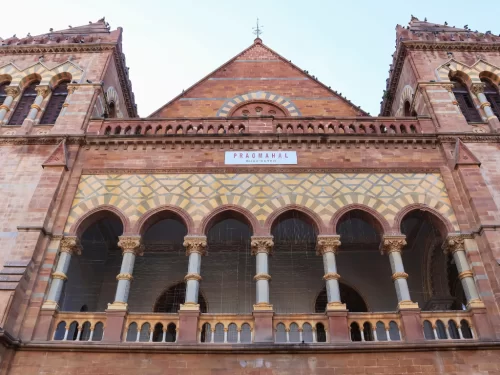
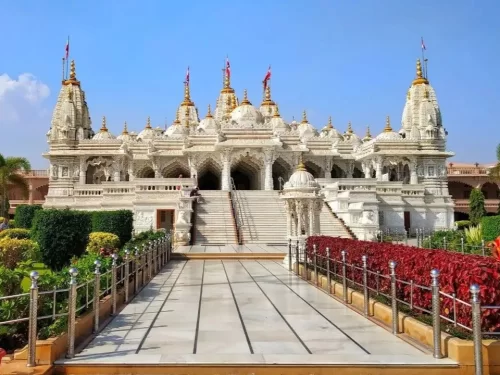
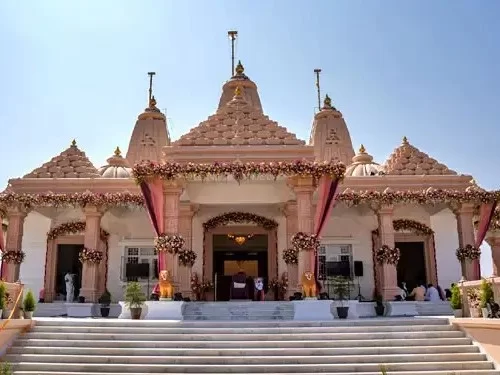
- Best viewpoint for exterior shots: The main entrance and front courtyard provide a clear and symmetrical view of the museum building, capturing its façade, architectural details, and landscaped surroundings in a wide-angle frame.
- Most photogenic spot: Slightly angled views from the sides of the courtyard highlight ornamental features, decorative pillars, and entry arches, adding depth and perspective to compositions.
- Best time of day for natural lighting: Early morning (8 AM to 10 AM) provides soft sunlight, highlighting textures and architectural details without harsh shadows, ideal for exterior photography.
- Golden hour advantage: Late afternoon (4 PM to 6 PM) casts warm light on the building façade and surrounding gardens, enhancing textures, color richness, and creating visually striking photographs.
- Midday lighting conditions: Between 11 AM and 3 PM, strong sunlight can flatten architectural features and produce glare on lighter surfaces, making morning or late afternoon preferable.
- Best photography subjects inside (where allowed): Exhibits showcasing Indian culture, handicrafts, sculptures, and historical artifacts provide compelling subjects for close-up and detailed shots.
- Interior photography restrictions: Flash photography may be prohibited to protect delicate exhibits. Some galleries may restrict photography entirely; visitors should follow signage and staff instructions.
- Crowd factors affecting photography: Weekends, holidays, and school visits may increase footfall, limiting unobstructed frames inside galleries and exterior spaces.
- Best crowd-free photography window: Weekday mornings offer the calmest environment for capturing both exterior and interior areas without visitors in the frame.
- Drone and professional shoot rules: Drone photography and commercial filming require prior permission from museum authorities, ensuring safety, heritage protection, and minimal disturbance to visitors.