Quick Facts About Aji Dam
Quick Facts About Aji Dam
| Entry Fee | No entry fee for dam viewing areas (garden/park areas nearby may have separate charges) |
|---|---|
| Timings | Open daily (best visited during daylight and early evening; exact access timings may vary by season and local management) |
| Altitude (m) | Approx. 135 m |
| Ideal Visit Duration | 45 minutes to 1.5 hours |
| Best Time of Day | Evening for cooler weather and sunset views over the reservoir |
| Crowd Level | Moderate in evenings and weekends; low on weekday afternoons |
| Distance from City Centre (km) | Approx. 6–8 km from Rajkot city centre |
| Walking Difficulty | Easy (flat walking near viewing areas) |
| Parking Available | Yes (parking available near the dam and nearby visitor areas) |
| Last Mile Access | Good road access; reachable by private vehicle, taxi, and local auto-rickshaw |
| Suitable for Kids | Yes (requires supervision near open water edges) |
| Suitable for Seniors | Yes (short walking distance and accessible approach roads) |
| Wheelchair Friendly | Partially (some areas are accessible, but certain paths may be uneven depending on maintenance) |
Why Visit Aji Dam
Visitors come to Aji Dam for a short outdoor break near Rajkot, mainly to enjoy the reservoir view, open sky scenery, and a relaxed evening atmosphere. It is commonly visited for sunset time and casual walking rather than sightseeing activities.
The on-ground atmosphere is calm and local, with families and regular city visitors spending time near the water-facing edges and surrounding open spaces. The area feels more like a city-side nature spot, especially during cooler evenings when the temperature drops and the breeze from the reservoir becomes noticeable.
What makes Aji Dam distinct is its close proximity to Rajkot combined with a wide water landscape, which is not common within city limits. It works well as a quick visit for travelers who want a quiet viewpoint stop without needing a full travel day.
History of Aji Dam
Aji Dam was built on the Aji River as a key water reservoir to support Rajkot’s water supply and regional irrigation needs. Over time, the area around the dam became a common recreational stop due to its open reservoir views and its easy accessibility from the city.
The dam remains primarily an infrastructure site, but it has gained local tourism relevance as a scenic viewpoint and evening outing location for residents and visitors traveling through Rajkot.
Best Time to Visit Aji Dam
Aji Dam can be visited year-round, but the most comfortable time is during the cooler months when the reservoir surroundings are pleasant for walking and sunset viewing. Since it is an open outdoor location with limited shade, seasonal heat and humidity strongly affect the experience.
- Ideal months: October to March for comfortable weather and clearer evening visits.
- Weather during the best season: Mild temperatures with cooler evenings, making it suitable for short walks near the dam and reservoir viewpoint.
- Best time of day: Evening hours, especially before sunset, when the reservoir view is clearer and the area becomes active with local visitors.
- Monsoon advantage: July to September often offers greener surroundings and higher water levels, but the area may feel humid and windy.
- Period to avoid for comfort: April to June afternoons due to extreme heat, which makes outdoor viewing uncomfortable.
- Pea
How to Reach Aji Dam
- Nearest airport: Rajkot International Airport (Hirasar Airport), approximately 30–35 km away; taxis and app-based cabs are available for city travel.
- Nearest railway station: Rajkot Junction (RJT), the main railway station in the city and the most convenient rail entry point for reaching Aji Dam.
- Road access: Aji Dam is easily reachable by road from central Rajkot through local city routes, with regular access for private vehicles.
- Local transport: Auto-rickshaws, local taxis, and app-based cab services are commonly available for reaching the dam area.
- Last-mile connectivity: Vehicles can reach close to the dam and nearby viewing areas, followed by short walking depending on the exact entry point.
- Travel condition note: Evening hours may have heavier local traffic on approach roads, especially on weekends and holidays.
What to Expect When You Visit Aji Dam
- Environment and surroundings: A wide reservoir view with open sky and calm water scenery, located close to Rajkot’s urban edges.
- Main on-ground experience: Visitors mostly come for a short walk, sunset viewing, and relaxing near the dam-side open areas.
- Accessibility and movement: The dam area is easy to access by road, with short walking required near the viewpoint zones and surrounding paths.
- Facilities and amenities: Basic facilities are limited around the dam itself; nearby garden or public areas may have better visitor arrangements depending on the section visited.
- Typical visitor behavior: The spot is mainly used by local families, couples, and small groups, especially during evenings and weekends.
- Crowd and activity level: The location is usually quiet during daytime, but becomes moderately busy in the evening when locals arrive for leisure time.
- Weather exposure: The area has limited shade, so midday visits in summer can feel uncomfortable due to direct sun.
- Limitations to expect: The dam is primarily an infrastructure site, so tourists should not expect extensive sightseeing structures or guided attractions.
- Safety condition: Some areas near the water edge are open without barriers, so visitors should be cautious, especially with children.
Important Visitor Information for Aji Dam
- Crowd notes: Aji Dam is usually calm on weekdays but becomes moderately crowded during weekend evenings when local visitors come for leisure time.
- Peak visiting hours: Sunset to early evening is the busiest period, especially during winter months and public holidays.
- Quiet visiting hours: Morning and weekday afternoons are typically less crowded and suitable for a peaceful visit.
- Weather conditions: The area is open and exposed, so heat is strong in summer afternoons and wind can be noticeable near the reservoir in evenings.
- Seasonal comfort note: Winter evenings are comfortable for walking, while monsoon months may bring slippery ground near certain open patches.
- Dress expectation: No dress code applies, but comfortable walking footwear is recommended due to uneven ground in some areas.
- Safety caution: Water-edge areas may not have strong barricading everywhere, so visitors should stay alert and supervise children closely.
- Lighting limitation: Some sections may have limited lighting after dark, so late-night visits are not ideal for tourists unfamiliar with the area.
- Cleanliness and crowd control: During peak hours, the area can have more noise and movement, so visitors looking for quiet views should plan earlier timings.
Photography and Viewpoints at Aji Dam
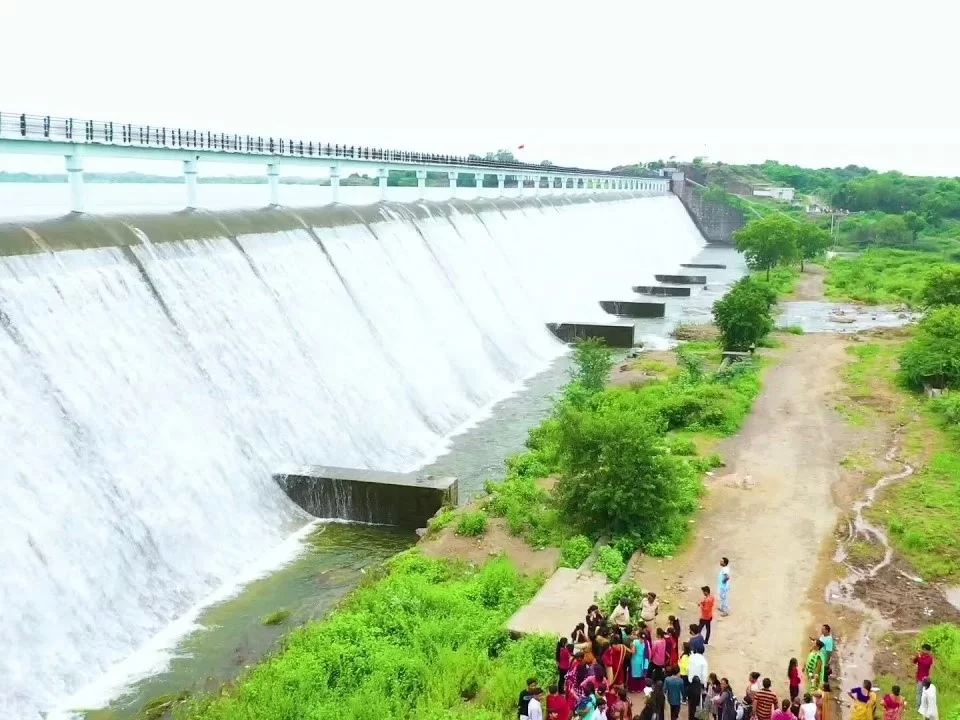
- Best viewpoint areas: The dam-side edge and open reservoir-facing points provide the clearest wide-angle views of the water spread and surrounding landscape.
- Sunset photography: Evening hours are the most photogenic, as the setting sun reflects across the reservoir surface and creates soft light over the dam structure.
- Morning visibility: Early morning offers clearer skies and quieter surroundings, making it easier to capture clean frames without crowd presence.
- Best angle for dam structure shots: Side-view angles along the approach road and walking paths allow photographs that include both the dam wall and the water reservoir behind it.
- Water-level impact: Photography experience changes with seasonal water levels, with monsoon and post-monsoon months usually giving fuller reservoir frames.
- Crowd factor: Weekend evenings can be busy, which may limit uninterrupted viewpoints near the most accessible photo spots.
- Access limitation: Certain sections of the dam may be restricted as it is an operational water infrastructure site, so photography access depends on allowed public zones.
- Photography restrictions: Casual outdoor photography is generally allowed in public viewing areas, but visitors should avoid restricted zones and follow any posted security signage.