

Famous Foods of Mathura and Vrindavan
Get to know the local foods of Mathura and Vrindavan, from traditional sweets to savoury snacks, and decide what to try during your visit.
+91 9910402252
admin@chalbanjare.com


Learn how to organise a Golden Triangle tour through Delhi, Agra and Jaipur, considering route order, trip duration, transport and sightseeing priorities.
The conventional Golden Triangle route is Delhi → Agra → Jaipur → Delhi. You can reverse it or finish in Jaipur if that better matches your flights and sightseeing dates.
Delhi is a practical gateway for many domestic and international travellers. Begin with time to recover from the journey, then explore selected parts of the city before travelling onwards.
Do not count an evening arrival as a full sightseeing day. If your flight lands late, add an arrival night or shorten the Delhi programme.
Delhi → Agra → Jaipur works well when you want to see the Taj Mahal early in the trip and finish with Jaipur’s palaces and markets. The reverse sequence is equally practical when it avoids a Friday Taj visit.
The Taj Mahal’s weekly closure should influence the route before you book hotels. Changing only one sightseeing appointment may not solve the problem if your Agra stay is too short.
No. Arriving in Delhi and departing from Jaipur can remove a substantial road transfer. Compare the total airfare and transport cost before choosing a circular journey.
If your departure must be from Delhi, keep enough time for the Jaipur–Delhi transfer. An additional Delhi night is useful before an important early flight.
Fatehpur Sikri can be included on the Agra–Jaipur journey, but it adds sightseeing and local access time. Ranthambore, Pushkar, Mathura and Vrindavan require additional days or the removal of other activities.
Six days is a useful starting point for a first Golden Triangle tour. Five days covers selected highlights, while seven allows more rest, shopping and flexibility.
This four-night version is compact. Skip Fatehpur Sikri if the Taj visit, lunch and transfer already make Day 3 demanding.
Include Fatehpur Sikri on Day 4 only if you accept a long day. Otherwise, retain the time for the Taj Mahal and a comfortable transfer.
Use two nights in Delhi, two in Agra and two in Jaipur, departing on Day 7. The additional Agra night separates the main monuments from the Jaipur transfer and makes a Fatehpur Sikri stop easier to accommodate.
Alternatively, use the extra night in Delhi before a return flight. Choose according to your connections rather than adding more attractions automatically.
October to March generally offers the most comfortable conditions for the Golden Triangle. The route involves substantial outdoor walking, so temperature and visibility matter to the experience.
Winter days are often suitable for forts, gardens and market walks. Carry warm layers for early Taj Mahal visits and Jaipur evenings.
Fog can affect road journeys, trains and visibility around the Taj Mahal. Delhi and Agra can also experience poor air quality; check conditions close to departure if this is relevant to your health or sightseeing priorities.
April to June can be intensely hot. Begin outdoor sightseeing early, take a proper midday break and avoid scheduling several exposed monuments consecutively.
Lower room prices, where available, should be weighed against the additional demands of heat. Sunrise at the Taj Mahal is particularly useful for comfort during this period.
Rain can interrupt sightseeing and make fort ramps, steps and stone paving slippery. Leave flexibility and allow longer transfers when conditions require it.
Clouds may create interesting photographs, but clear skies or dramatic colours cannot be guaranteed.
Diwali, Christmas–New Year, Holi, long weekends and major events can affect room prices and crowds. Choose festival dates deliberately rather than discovering their impact after booking.
For families and older travellers, moderate weather and a manageable daily pace are usually more valuable than fitting in the maximum number of stops.
Prioritise two or three substantial experiences per sightseeing day. Allow time to understand the monuments rather than spending most of the trip entering and leaving vehicles.
For a short visit, combine Humayun’s Tomb with another convenient area, or organise a separate Old Delhi programme around its historic streets and selected monuments.
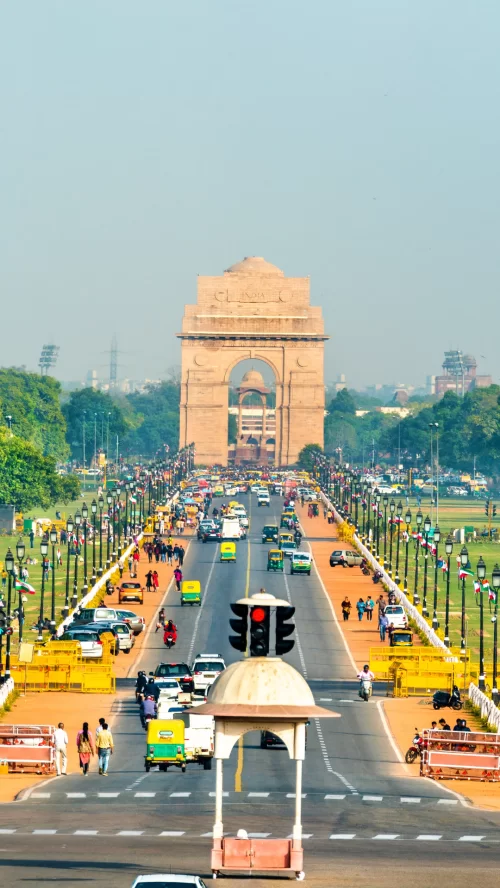
Qutub Minar, India Gate and Kartavya Path are worthwhile according to your interests, but they should not all be added without accounting for city traffic. Museums and religious sites need their own opening-day checks.
The Taj Mahal and Agra Fort are the core priorities. Allow approximately two to three hours for the Taj, subject to ticket conditions, and around 90 minutes to two hours for a selective fort visit.
With more time, choose Itmad-ud-Daulah’s Tomb or Mehtab Bagh. Fatehpur Sikri is a separate excursion or transfer-day stop, not an attraction immediately beside the Taj.
Prioritise Amber Palace, City Palace and Jantar Mantar. A guide or audio explanation is particularly useful at Jantar Mantar because the instruments are easier to appreciate with context.
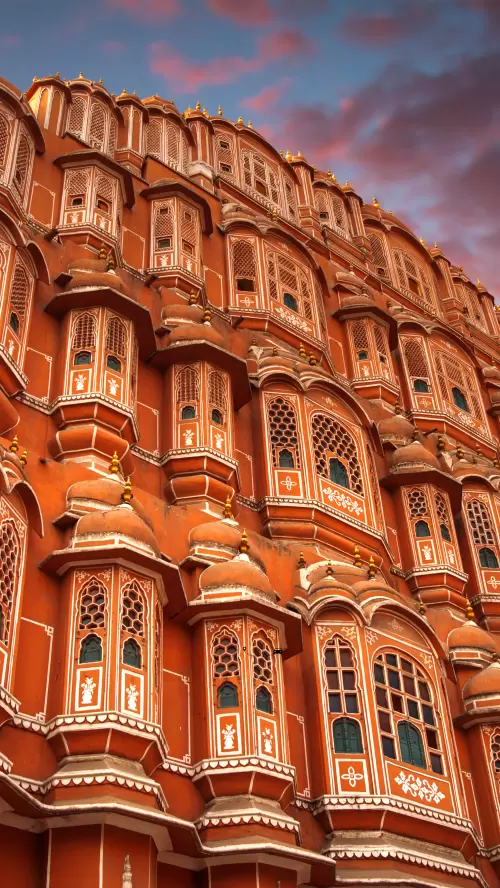
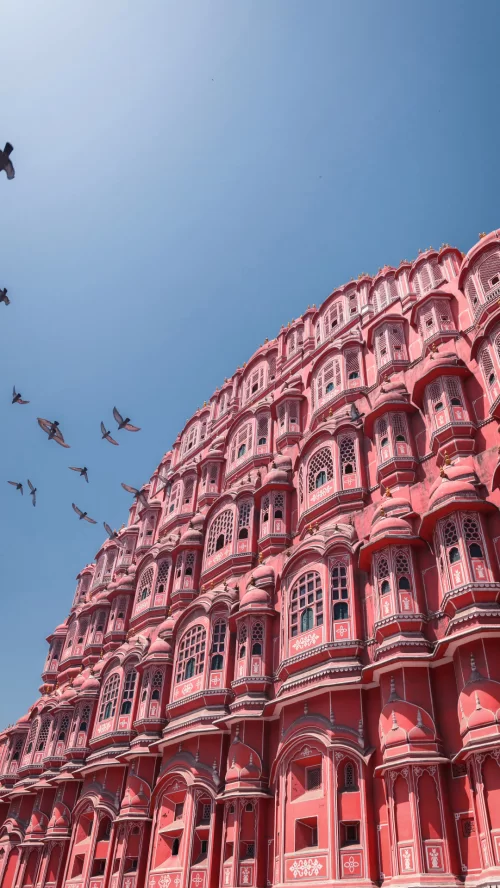
Hawa Mahal offers both a well-known exterior view and a separately visited interior. Decide whether you want a photograph or time inside rather than treating these as the same activity.
Jal Mahal is generally an exterior viewpoint stop. Markets such as Johari Bazaar and Bapu Bazaar can fit around the old-city programme, with shopping time kept separate from monument visits.
Additional forts, shopping demonstrations and evening programmes can fill every available hour. Choose those that match your interests and leave space for meals and rest.
A private car offers flexibility, while trains and buses can reduce costs. Compare the complete journey, including station transfers and local sightseeing, rather than only the intercity fare.
These are planning ranges. A Fatehpur Sikri visit adds several hours to the Agra–Jaipur day, including parking, local access and sightseeing.
A car is useful for families, luggage and en-route stops. Obtain a written quotation covering vehicle type, included kilometres, daily hours, tolls, parking and driver expenses.
Clarify any return charge when ending the trip in a different city. A vehicle available throughout the tour does not remove pedestrian sections or monument security checks.
Delhi–Agra and Delhi–Jaipur have useful rail options, while an Agra–Jaipur service may also suit your dates. Check actual operating days, duration and reservation availability through IRCTC or another authorised channel.
Confirm the exact stations: a city can have several terminals. Include hotel pickups, luggage handling and local sightseeing transport in the comparison.
Buses can work for travellers with lighter luggage and flexible schedules. Check the boarding point, arrival location and service category before booking.
For public-transport travel, use a simpler sightseeing programme and avoid tight connections between an arrival and the final admission time at a monument.
For a six-day, five-night Golden Triangle tour, use approximately ₹14,000–₹22,000 per person for budget travel, ₹25,000–₹40,000 for mid-range travel, and ₹55,000 upwards for a premium trip. These are illustrative allowances for two adults sharing, excluding travel to the starting city and home afterwards.
As an initial room allowance, consider ₹1,500–₹2,500 per night for simpler stays, ₹3,000–₹6,000 for comfortable mid-range hotels and ₹8,000 upwards for premium accommodation.
These bands are not live tariffs. Central locations, heritage properties, festivals and special room categories can cost substantially more.
A train-and-local-transport itinerary can be economical, particularly for one or two travellers. A retained vehicle costs more overall but becomes easier to share among a suitable group.
For initial planning, keep approximately ₹22,000–₹32,000 per vehicle for a six-day sedan-based programme, then replace this allowance with a written quotation. The route, included kilometres and driver charges can change the amount.
Allow around ₹400–₹700 per adult per day for simple meals and water, or ₹800–₹1,500 for more restaurant dining. Premium dining, alcohol and frequent hotel room service need additional provision.
Admission depends on nationality, visitor category and the selected attractions. The Taj Mahal’s published standard Indian admission is ₹50, with an additional ₹200 for the main mausoleum; other visitor categories have different charges.
City Palace tickets, special rooms, evening programmes, guides and photography services may be separate. Do not assume a composite ticket includes every attraction in Jaipur.
This is a planning example, not a package quotation. Include applicable taxes, confirm every transport inclusion and budget shopping separately.
Choose hotel locations that support the next day’s route. A cheaper room far from your sightseeing can add repeated transfers, while an attractive old-city property may complicate luggage access.
Connaught Place and adjoining central areas suit visitors who want restaurants, city connections and a balanced sightseeing base. Well-connected South Delhi areas can work for Humayun’s Tomb, Qutub Minar and a road departure towards Agra.
Aerocity is practical for airport access, especially after a late arrival or before an early departure, but adds travel to many central and old-city sights.
Taj Ganj and the Fatehabad Road side are practical for Taj Mahal access and a range of hotels. Check the actual route to your chosen entry gate rather than relying on a general “near Taj” description.
For a sunrise visit, confirm the early pickup, breakfast and checkout arrangements. A Taj-view room is a separate purchase decision and should be verified for the exact room category.
The walled city offers proximity to markets and several principal sights, although vehicle access, parking and noise vary. Bani Park can suit travellers interested in smaller hotels and heritage-style accommodation.
C-Scheme and adjoining central areas offer dining and practical city access. Amber-side or outlying resort stays suit different priorities and may involve longer journeys to old-city attractions.
Check lifts, room floors, bathroom access, air conditioning, breakfast times and vehicle pickup. Heritage buildings can have steps or uneven thresholds despite attractive photographs.
For the Agra portion and onward travel within Uttar Pradesh, explore Chal Banjare’s Uttar Pradesh travel options alongside your wider route.
Check closures before reserving non-refundable hotels and transport. One unavailable monument can require a different city order rather than a minor adjustment.
Check museums and any additional attraction separately. Opening hours and last admission are not always identical, and special security arrangements can affect access.
Use official monument or operator channels and select the correct nationality and ticket category. Carry the identification required for entry.
For the Taj Mahal, decide whether to include the main mausoleum. Follow the duration and entry conditions on the issued ticket rather than assuming unrestricted access throughout the day.
Jaipur attractions can have different ticket packages for ordinary admission, additional sections or programmes. Read the inclusions before paying.
Do not schedule Amber Palace immediately after an optimistic Agra–Jaipur arrival estimate. Likewise, do not rely on a Jaipur–Delhi road transfer ending just before airline check-in closes.
Reserve time for lunch, comfort stops, parking and luggage. Dense fog or heavy traffic should lead to a safer revised schedule rather than pressure to drive faster.
For guides, confirm credentials, language, duration and fee. For vehicles, establish the route and exclusions in writing. Shopping stops should be optional and should not consume the time allocated to a principal monument.
Leave some unscheduled time each day. That buffer allows the tour to absorb queues, weather changes and the simple pleasure of spending longer at a place you enjoy.


Get customized Uttar Pradesh tour planning designed around seasonal weather, travel distances between heritage regions, spiritual travel flow, and comfortable pacing. Whether you are visiting for historic monuments, temple circuits, river experiences, cul
⚡ Quick Response | 💰 Free consultation | 🕒 24×7 expert support

