
How to Plan a Tamil Nadu Trip for the First Time
Planning your first Tamil Nadu trip becomes easier when you understand the best destinations, travel routes, weather, budget, and itinerary options before you begin your journey.
+91 9910402252
admin@chalbanjare.com


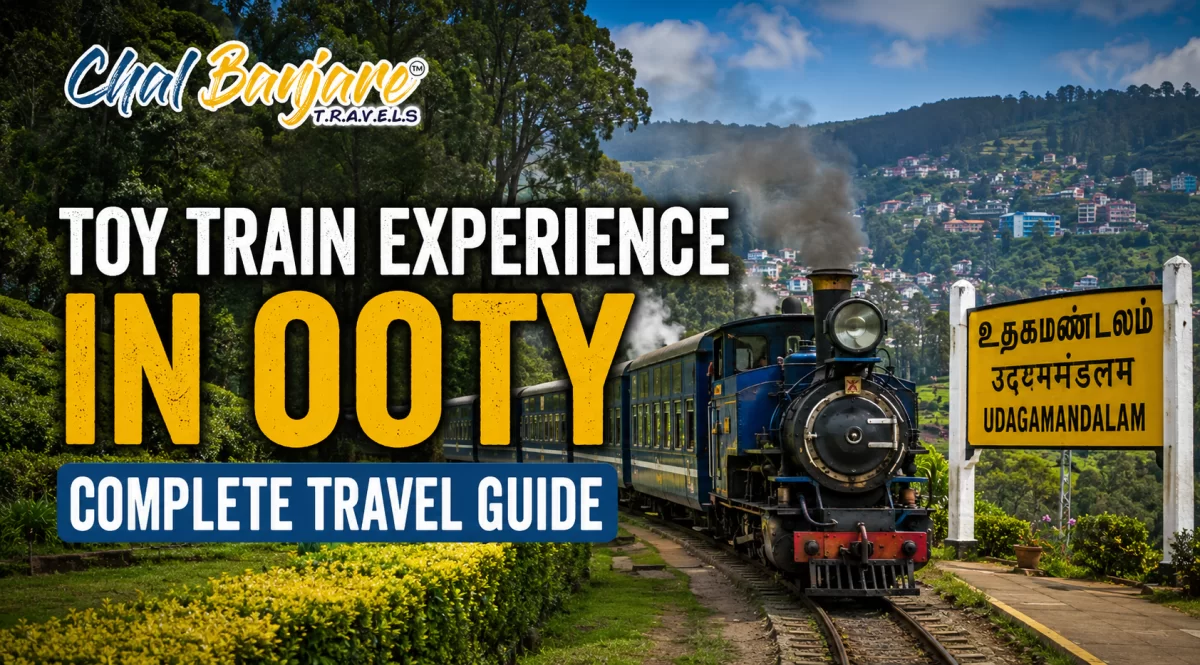
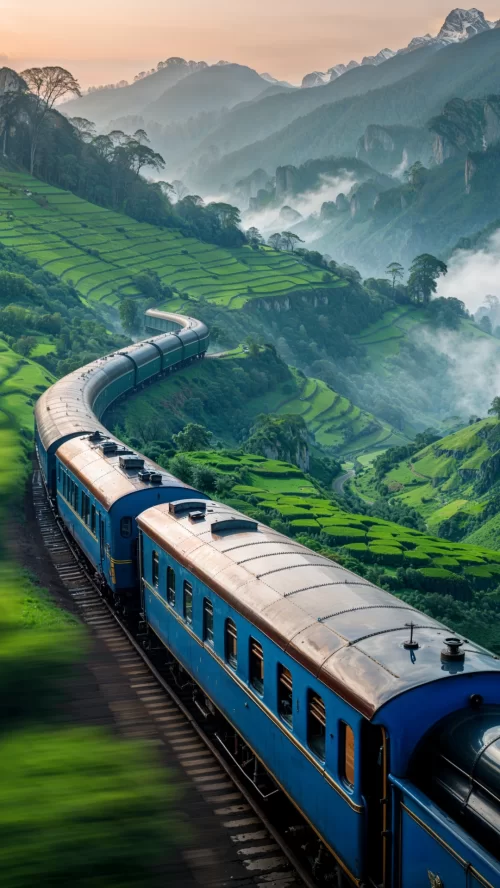
The Nilgiri Mountain Railway Toy Train is one of India's most iconic railway journeys, offering breathtaking views of tea gardens, forests, valleys, tunnels, and mountain landscapes across the Nilgiri Hills.
The Ooty Toy Train, officially known as the Nilgiri Mountain Railway, is one of India's most celebrated heritage rail journeys and has been recognized as a UNESCO World Heritage mountain railway. Connecting Mettupalayam with Ooty through the Nilgiri Hills, the railway has been operating for more than a century and continues to provide travelers with a unique opportunity to experience historic mountain transportation. The journey combines remarkable engineering with spectacular natural scenery throughout the climb.
The railway is especially famous for its rack-and-pinion system used on the steep mountain section, allowing the train to safely climb through dramatic elevations while preserving its historic character. Every journey reflects the engineering achievements of the early twentieth century while remaining one of Tamil Nadu's most iconic travel experiences.
The Nilgiri Mountain Railway offers visitors an unforgettable combination of engineering heritage, mountain landscapes, and historic rail travel unlike any other railway journey in southern India.
Unlike modern high-speed rail travel, the Ooty Toy Train allows passengers to enjoy the Nilgiri Hills at a relaxed pace. The train gradually climbs through forests, tea estates, valleys, bridges, tunnels, and mountain villages, giving travelers ample time to admire the surrounding scenery. Large windows provide continuous views throughout the journey, making the experience particularly enjoyable for photographers and nature enthusiasts.
The leisurely pace encourages visitors to appreciate every stage of the ascent while observing changing landscapes that become increasingly spectacular as the train climbs higher into the mountains.
The gentle pace of the toy train transforms transportation into an enjoyable sightseeing experience through the Nilgiri Hills.
The toy train journey can easily be included within most Ooty itineraries. Travelers often ride the complete route from Mettupalayam to Ooty or choose the shorter Coonoor to Ooty section when time is limited. Combining the railway journey with sightseeing at tea estates, viewpoints, botanical gardens, and Ooty Lake creates a well-balanced hill station experience.
Advance planning is recommended because train services operate according to fixed schedules and tickets can become fully booked during holidays, weekends, and the summer travel season.
Careful planning allows visitors to experience the Nilgiri Mountain Railway alongside Ooty's major attractions without rushing through either experience.
The Nilgiri Mountain Railway begins at Mettupalayam in the foothills before steadily climbing to Ooty through the Nilgiri Mountains. The route covers approximately 46 kilometres while ascending from low elevations into the cool mountain climate of the hill station. As the train gains height, passengers witness dramatic changes in vegetation, temperature, and scenery.
The mountain section includes steep gradients negotiated using the historic rack-and-pinion system, making this railway one of India's most technically remarkable mountain routes. Every stage of the climb offers increasingly impressive views across forests and valleys.
The route from Mettupalayam to Ooty provides an unforgettable mountain railway journey through one of southern India's most beautiful landscapes.
Several charming stations lie along the Nilgiri Mountain Railway, each reflecting the heritage character of the line. Coonoor serves as the most important intermediate station and is popular among travelers choosing shorter train journeys. Other stations such as Kallar, Hillgrove, Wellington, Aruvankadu, Ketti, Lovedale, and Fernhill provide glimpses into the mountain communities scattered across the Nilgiris before the train reaches Ooty.
Many stations preserve traditional railway architecture while offering beautiful surroundings that complement the heritage atmosphere of the journey.
The historic stations along the Nilgiri Mountain Railway add cultural charm and variety to the scenic mountain journey.
Throughout the railway journey, passengers enjoy constantly changing landscapes that include tropical forests, waterfalls, mountain streams, tea plantations, eucalyptus groves, deep valleys, rocky cliffs, tunnels, and bridges. As the train climbs higher, expansive panoramic views gradually replace the dense forests of the lower elevations.
Every season presents a different visual experience, from lush greenery during the monsoon to clear panoramic mountain views during winter. The diversity of scenery makes the Nilgiri Mountain Railway one of India's finest heritage rail journeys for sightseeing and photography.
The remarkable variety of landscapes along the Nilgiri Mountain Railway ensures that every stage of the journey offers memorable views of the Western Ghats.
The section between Mettupalayam and Coonoor is widely regarded as the most spectacular part of the Nilgiri Mountain Railway. This stretch features the historic rack-and-pinion system, allowing the train to steadily climb steep mountain gradients through dense forests, deep valleys, waterfalls, and rocky cliffs. As the elevation increases, passengers experience dramatic changes in scenery while enjoying one of India's most iconic mountain railway journeys.
The train crosses numerous bridges and passes through several tunnels during this section, providing continuous opportunities for sightseeing and photography. The slower speed allows travelers to fully appreciate the remarkable engineering and natural beauty of the Nilgiri Hills.
The Mettupalayam to Coonoor section remains the highlight of the Nilgiri Mountain Railway because of its combination of engineering heritage and breathtaking mountain scenery.
The journey from Coonoor to Ooty offers a gentler climb through the upper Nilgiri Hills, where tea plantations, eucalyptus forests, mountain villages, and open valleys dominate the landscape. This section is especially popular among travelers with limited time because it provides many of the railway's beautiful views within a shorter journey.
The comfortable pace allows passengers to admire the rolling tea gardens and peaceful countryside while approaching Ooty through the cool mountain climate. The combination of heritage railway stations and scenic landscapes makes this route ideal for relaxed sightseeing.
The Coonoor to Ooty journey provides a shorter yet highly scenic railway experience through the heart of the Nilgiri Hills.
One of the greatest attractions of the Nilgiri Mountain Railway is the variety of engineering structures encountered throughout the journey. Historic stone bridges, mountain tunnels, curved tracks, and elevated sections reveal spectacular views across valleys and forests while showcasing the remarkable construction techniques used more than a century ago.
Passengers seated near the windows can observe the train curving around mountainsides while crossing bridges high above streams and valleys. These constantly changing perspectives make the entire journey visually engaging from beginning to end.
The bridges, tunnels, and sweeping mountain views combine to create one of the most memorable heritage railway experiences in India.
The Nilgiri Mountain Railway retains much of its historic character, allowing passengers to experience traditional mountain rail travel in heritage-style coaches. Large windows, comfortable seating, and the slower pace of the journey encourage travelers to focus on the surrounding landscapes rather than simply reaching the destination. The train maintains a nostalgic atmosphere that reflects its long history while continuing to serve both tourists and local passengers.
Depending on the service, travelers may experience either steam-hauled or diesel-hauled sections, both of which preserve the railway's historic identity. The gentle rhythm of the train contributes to the unique charm of the journey.
The heritage coaches allow visitors to experience the timeless atmosphere that has made the Nilgiri Mountain Railway famous around the world.
The relatively slow speed of the toy train allows passengers to appreciate every stage of the Nilgiri landscape. Forests gradually transition into tea estates, mountain villages, rocky cliffs, and panoramic valleys while the train steadily climbs through the hills. Unlike faster railway journeys, the relaxed pace encourages travelers to observe wildlife, waterfalls, bridges, and changing vegetation throughout the route.
Many visitors spend much of the journey looking through the windows or photographing the surrounding scenery because every section offers a different perspective of the Nilgiri Mountains.
The slow pace of the Nilgiri Mountain Railway transforms the journey into an extended sightseeing experience through one of South India's most beautiful mountain regions.
Passengers are advised to arrive at the station well before departure because boarding procedures begin prior to scheduled departure times. Window seats are especially popular because they provide uninterrupted views of the surrounding landscapes throughout the journey. Depending on the chosen route, travel duration varies, with the complete journey between Mettupalayam and Ooty taking several hours due to the gradual mountain ascent.
Mountain weather can change throughout the trip, so carrying light warm clothing is recommended even during warmer months. Snacks, drinking water, and cameras are also useful for making the most of the railway experience.
Understanding the travel conditions in advance helps passengers enjoy a comfortable and memorable journey aboard the Nilgiri Mountain Railway.
The large windows of the Nilgiri Mountain Railway provide uninterrupted views of the Nilgiri Hills throughout the journey, making the train itself one of the best photography platforms in the region. As the train gradually climbs through forests, valleys, tea plantations, and mountain slopes, passengers can capture continuously changing landscapes without leaving their seats. Every section of the route presents a different perspective of the surrounding scenery.
Morning departures often provide soft natural light that enhances the mountain views, while clear weather offers excellent visibility across distant valleys and hills. Window seats are particularly valuable for travelers interested in landscape photography.
The train journey offers photographers continuous opportunities to document the beauty of the Nilgiri Hills from unique moving viewpoints.
Throughout the railway journey, passengers encounter numerous stone bridges, historic tunnels, tea plantations, forests, and dramatic mountain curves that create memorable photographic compositions. The engineering features of the railway combine beautifully with the surrounding natural landscapes, making every stage of the journey visually distinctive.
Many photographers enjoy capturing the train as it curves around the mountainsides, revealing both the railway and the surrounding valleys within a single frame. Tea gardens near Coonoor and Ooty provide especially attractive backgrounds during the upper section of the journey.
The combination of engineering heritage and spectacular landscapes makes the Nilgiri Mountain Railway one of India's finest railway photography experiences.
Historic stations such as Coonoor, Lovedale, Hillgrove, and Ooty provide additional photography opportunities before or after the train journey. Heritage station buildings, traditional signboards, mountain platforms, tea gardens, and surrounding landscapes allow travelers to capture the atmosphere of this historic railway beyond the train itself.
Visitors planning extended stops at Coonoor or Ooty can also explore nearby viewpoints, tea factories, and scenic roads that complement the railway experience while expanding photography opportunities throughout the Nilgiri region.
The stations along the Nilgiri Mountain Railway extend the photography experience beyond the train by showcasing the charm of historic mountain rail travel.
Summer, generally from March to June, is one of the most popular seasons for experiencing the Ooty Toy Train. Pleasant temperatures, comfortable weather, and clear mountain views make this period ideal for sightseeing throughout the Nilgiri Hills. Families, school holiday travelers, and first-time visitors often choose this season because outdoor activities can be comfortably combined with the railway journey.
Since this is also the busiest travel period, advance ticket reservations are strongly recommended. Stations and trains often experience higher visitor numbers during weekends and holiday periods.
Summer offers comfortable travel conditions that make the Nilgiri Mountain Railway enjoyable for visitors of all ages.
During the southwest monsoon, usually between June and September, the Nilgiri Hills transform into lush green landscapes filled with mist, waterfalls, and dense forests. The railway journey becomes especially scenic as clouds drift across the mountains while fresh vegetation covers the surrounding valleys. Many photographers appreciate the dramatic atmosphere created by the seasonal weather.
Rainfall may occasionally affect visibility or train operations, so travelers should check current schedules before departure. Carrying rain protection and waterproof covers for cameras is also advisable during this season.
The monsoon season offers some of the most atmospheric scenery along the Nilgiri Mountain Railway for travelers who enjoy misty mountain landscapes.
Winter, generally from October to February, provides cool temperatures, crisp mountain air, and excellent visibility across the Nilgiri Hills. Morning journeys often feature clear skies that allow passengers to enjoy uninterrupted panoramic views of tea plantations, forests, and valleys. The comfortable climate also makes sightseeing in Ooty and Coonoor especially enjoyable after the railway journey.
Because temperatures can become quite cool, especially during early morning departures, carrying warm clothing is recommended. Winter remains one of the most comfortable seasons for travelers seeking clear landscapes and pleasant hill station weather.
Winter provides excellent visibility and pleasant travel conditions, making it one of the finest seasons to experience the heritage railway through the Nilgiri Hills.
The Nilgiri Mountain Railway is one of the most popular heritage train journeys in India, and tickets are available in limited numbers for each scheduled service. Because of the train's popularity among both domestic and international travelers, seats can sell out quickly, particularly during weekends, holidays, and school vacation periods. Travelers are encouraged to plan their journey well in advance to secure preferred travel dates.
Passengers should verify train schedules, departure stations, and operational status before travel because services may occasionally be adjusted due to maintenance or weather conditions. Carrying valid identification during the journey is also advisable for reserved ticket holders.
Planning ahead greatly improves the chances of securing seats on one of India's most sought-after heritage railway experiences.
Summer holidays, long weekends, festival periods, and year-end vacations attract large numbers of visitors to Ooty, resulting in high demand for toy train tickets. Booking several weeks in advance is recommended during these periods, especially for travelers planning the complete journey from Mettupalayam to Ooty or traveling with families and larger groups.
Travelers should also keep their sightseeing plans flexible so that accommodation and local transportation align comfortably with confirmed train departure times. Early planning helps avoid unnecessary last-minute adjustments during busy travel seasons.
Advance planning during busy tourist seasons ensures a smoother and more enjoyable Nilgiri Mountain Railway experience.
The Nilgiri Mountain Railway generally offers different seating categories depending on the scheduled service. Travelers may choose the full heritage journey between Mettupalayam and Ooty or the shorter scenic section between Coonoor and Ooty according to their available time. Selecting the appropriate route and travel class allows visitors to balance comfort with sightseeing priorities.
Window seating remains the preferred choice because it provides uninterrupted views of forests, tea plantations, valleys, tunnels, and mountain landscapes throughout the journey. Travelers should review available seating options before completing their reservations.
Selecting the right journey option allows visitors to experience the Nilgiri Mountain Railway according to their travel schedule and sightseeing plans.
The Coonoor to Ooty section is one of the most popular choices for travelers who wish to experience the Nilgiri Mountain Railway without undertaking the full journey from Mettupalayam. Covering the upper mountain section of the route, this shorter ride offers beautiful landscapes while requiring less travel time, making it ideal for visitors staying in Ooty or Coonoor.
The train continues through peaceful hill stations, tea plantations, and forested valleys before arriving at Ooty, providing a relaxed heritage railway experience suitable for families, photographers, and first-time visitors.
The Coonoor to Ooty route offers an excellent introduction to the Nilgiri Mountain Railway while showcasing the beauty of the upper Nilgiri Hills.
Throughout the journey, passengers travel past extensive tea estates, eucalyptus forests, mountain villages, rolling valleys, and scenic viewpoints that define the upper Nilgiris. The slower speed allows visitors to appreciate the peaceful surroundings while enjoying uninterrupted views from the train windows.
The route is particularly attractive during the early morning when mist lingers over the tea plantations, creating beautiful landscapes for sightseeing and photography. Every section offers a different perspective of the surrounding mountains.
The upper Nilgiri section combines tea plantations and mountain scenery to create one of the most picturesque railway journeys in southern India.
Many travelers combine the Coonoor to Ooty train ride with sightseeing in both hill stations. Visiting Sim's Park, Dolphin's Nose, tea factories, and local cafés in Coonoor before boarding the train creates a rewarding day itinerary. After reaching Ooty, attractions such as Ooty Lake, Botanical Garden, Rose Garden, and Doddabetta Peak can easily be explored.
Allowing adequate time between sightseeing and train departure ensures a relaxed experience without rushing between attractions and the railway station.
Combining the Coonoor to Ooty railway journey with nearby attractions creates one of the most enjoyable day experiences in the Nilgiri Hills.
First-time passengers should arrive at the departure station well before the scheduled train time to complete boarding procedures comfortably. Railway stations such as Mettupalayam, Coonoor, and Ooty become busy during peak travel seasons, and arriving early allows enough time to locate the correct platform, verify coach details, and organize luggage without unnecessary stress.
Travelers should also consider local transportation between their accommodation and the station, particularly for early morning departures. Keeping sufficient buffer time helps avoid missing one of the limited daily heritage train services.
Arriving early ensures a smooth start to the Nilgiri Mountain Railway experience while allowing passengers to board the heritage train without rushing.
The weather in the Nilgiri Hills can change throughout the journey as the train climbs from lower elevations into the cooler mountain climate. Carrying a light jacket, drinking water, sunglasses, basic medicines, snacks, and rain protection during the monsoon season helps ensure a comfortable trip. Photographers should also protect cameras and electronic devices from moisture if traveling during periods of mist or rainfall.
Comfortable clothing and walking shoes are recommended because travelers often continue sightseeing after reaching Ooty or Coonoor. Packing lightly makes boarding and moving through stations much easier.
Simple preparation for changing mountain weather allows travelers to enjoy the railway journey comfortably throughout every season.
Window seats provide the best opportunity to enjoy the constantly changing scenery along the Nilgiri Mountain Railway. Throughout the journey, passengers can photograph forests, tea plantations, bridges, tunnels, valleys, and mountain villages directly from their seats without leaving the coach. Keeping cameras ready throughout the trip ensures memorable moments are not missed.
Rather than moving frequently between coaches, remaining seated while photographing through open windows or large glass panels generally provides the safest and most comfortable experience. Respecting fellow passengers and avoiding obstructing views helps everyone enjoy the heritage journey.
Selecting suitable seating and preparing for photography allows visitors to fully appreciate the remarkable scenery throughout the Nilgiri Mountain Railway journey.
The ideal Nilgiri Mountain Railway route depends on the amount of time available and the overall travel itinerary. Travelers seeking the complete heritage experience should choose the full Mettupalayam to Ooty journey, which includes the famous rack-and-pinion section and the greatest variety of landscapes. Visitors with limited time often prefer the shorter Coonoor to Ooty route while still enjoying tea estates, forests, and scenic mountain views.
Planning the railway journey according to available sightseeing time allows travelers to balance the train experience with visits to Ooty's gardens, lakes, viewpoints, and nearby attractions.
Selecting the most suitable railway route helps travelers make the best use of their time while enjoying one of Ooty's most iconic experiences.
The toy train journey can easily be combined with many of Ooty's popular attractions. After arriving, visitors can explore Ooty Lake, Government Botanical Garden, Rose Garden, Doddabetta Peak, Tea Museum, Pykara Lake, Avalanche Lake, or continue to nearby Coonoor for additional viewpoints and tea estates. Combining railway travel with local sightseeing creates a complete Nilgiri hill station itinerary.
Allowing sufficient time between train schedules and sightseeing prevents rushed travel while providing opportunities to enjoy photography, cafés, shopping, and leisurely walks around Ooty.
Combining the Nilgiri Mountain Railway with Ooty's famous attractions creates one of the most rewarding travel experiences in the Nilgiri Hills.
Before starting the journey, confirm train timings, reservation details, station location, and current operational status. Carry identification, booking confirmation, drinking water, light snacks, warm clothing, and a fully charged mobile phone or camera. Travelers visiting during monsoon months should also carry rain protection and waterproof covers for electronic equipment.
Arrive early at the station, travel responsibly, respect railway staff instructions, and avoid littering throughout the journey. Keeping luggage manageable and planning onward transportation from Ooty or Coonoor helps ensure a comfortable conclusion to this memorable heritage railway experience.
With thoughtful planning and advance preparation, the Nilgiri Mountain Railway offers an unforgettable heritage journey through the spectacular landscapes of the Ooty hills, combining history, engineering, and natural beauty in one remarkable travel experience.


Get customized Tamil Nadu tour planning designed around temple visit timing, seasonal weather comfort, road travel distances, and realistic pacing across regions. Whether you are visiting for architectural heritage, spiritual journeys, coastal relaxation,
⚡ Quick Response | 💰 Free consultation | 🕒 24×7 expert support

