


Mobile Network and Internet in Srinagar During Winter
Understand mobile network and internet access in Srinagar during winter, including connectivity expectations, possible weather-related disruptions and practical preparation for travellers.
+91 9910402252
admin@chalbanjare.com


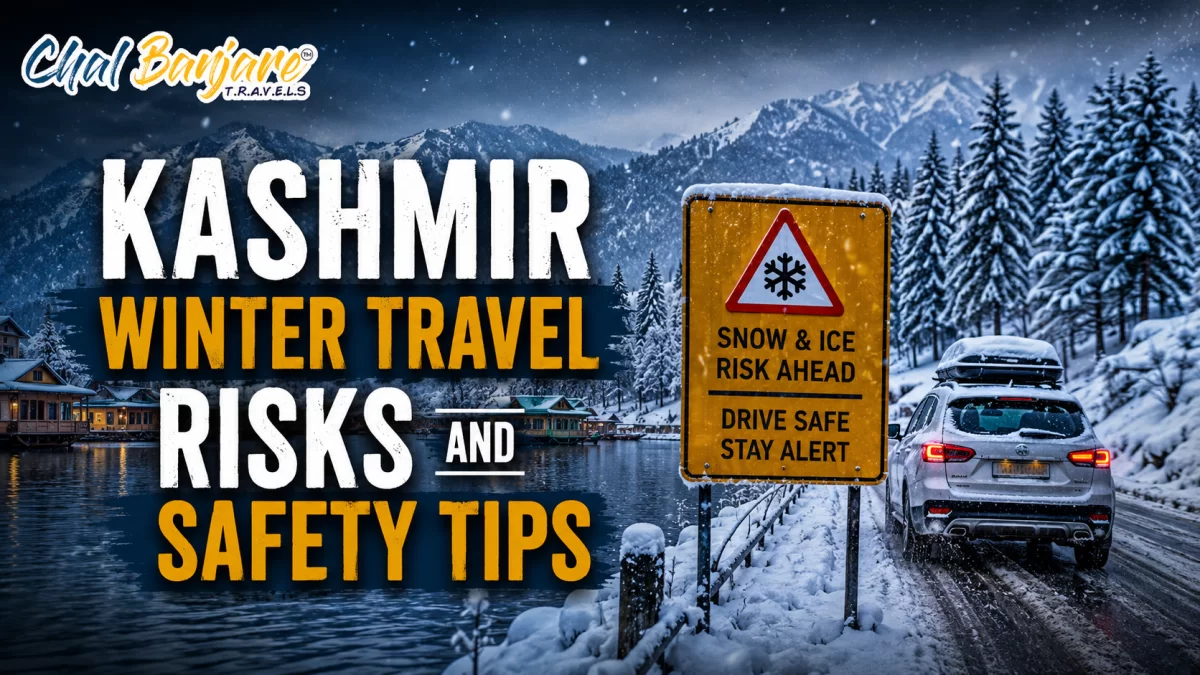
Kashmir becomes exceptionally beautiful during winter, but snowfall, freezing temperatures, slippery roads, and weather-related disruptions make proper planning and safety precautions essential for a comfortable trip.
Winter transforms Kashmir into one of India's most scenic mountain destinations, with snowfall covering valleys, forests and high-altitude landscapes from late autumn through early spring depending on elevation. Destinations such as Gulmarg generally receive snowfall earlier and in greater quantities than Srinagar, while areas including Sonamarg may remain inaccessible during parts of winter because of heavy snow accumulation. Weather patterns naturally vary each year, making every winter season slightly different from the previous one.
Daytime temperatures can remain comfortable during sunny periods, while mornings, evenings and nights often become significantly colder. Higher elevations experience lower temperatures than the Kashmir Valley, requiring visitors to prepare for changing weather throughout the day. Understanding these seasonal characteristics helps travelers choose suitable destinations and activities according to their comfort level while enjoying Kashmir's famous winter landscapes responsibly.
Understanding Kashmir's winter climate allows visitors to prepare appropriately while appreciating the region's snow-covered landscapes with realistic expectations regarding seasonal conditions.
Weather forecasts play an important role in winter travel planning because snowfall, rainfall and fog may influence both sightseeing opportunities and transportation schedules. Reviewing reliable weather updates before departure allows visitors to understand expected temperatures, precipitation and visibility throughout their itinerary. Forecasts become increasingly accurate closer to the travel date, making regular updates particularly useful during winter holidays.
Road conditions should also be reviewed before travelling between mountain destinations because snowfall may temporarily affect access to certain routes. Experienced local drivers, hotels and tourism authorities generally provide current travel information that helps visitors organise safe and comfortable journeys. Building flexibility into the itinerary further allows travelers to adapt naturally should weather conditions change during the trip.
Weather-aware planning contributes significantly to a comfortable winter holiday by helping visitors adapt safely to Kashmir's changing mountain conditions.
Heavy snowfall occasionally affects accessibility to certain high-altitude destinations, particularly during the peak winter season. While popular destinations such as Srinagar and Gulmarg generally remain accessible through organised winter management, some remote valleys and mountain passes may experience temporary travel restrictions depending on weather conditions. Visitors should understand that these measures are implemented primarily to maintain road safety during severe winter conditions.
Travelers planning visits to remote destinations should remain flexible with their schedules and verify accessibility before beginning each stage of the journey. Carrying suitable winter clothing, maintaining additional travel time and confirming accommodation arrangements in advance contribute to a smoother travel experience whenever seasonal conditions influence transportation or sightseeing opportunities.
Preparing for seasonal accessibility allows travelers to experience Kashmir comfortably while respecting the practical realities of Himalayan winter travel.
Mountain roads throughout Kashmir are carefully monitored during winter because heavy snowfall can influence driving conditions and accessibility. Snow accumulation, reduced visibility and occasional avalanche control measures may require temporary traffic management or road closures until conditions improve. These situations are common across mountain regions worldwide and are implemented to ensure traveler safety rather than inconvenience visitors.
Routes leading toward higher-altitude destinations generally experience greater winter weather impacts than roads within the central Kashmir Valley. Travelers planning visits to Gulmarg or other elevated areas should remain aware that travel schedules may occasionally require adjustment depending on current weather conditions. Understanding this possibility before departure helps visitors plan realistic itineraries without unnecessary concern.
Recognising how snowfall influences mountain transportation allows visitors to travel more confidently while respecting local safety measures throughout the winter season.
Including one or more flexible days within a winter itinerary provides valuable protection against possible transportation delays caused by snowfall or changing weather. Rather than scheduling tightly packed holidays, travelers often benefit from allowing additional time between major destinations, particularly when flights, long road journeys or high-altitude sightseeing are involved. This approach reduces unnecessary pressure if travel schedules require adjustment.
Flexible itineraries also create opportunities to enjoy unexpected experiences should weather conditions improve quickly after snowfall. Many visitors find that relaxed planning contributes to a more enjoyable holiday because it allows additional time for photography, local sightseeing or simply appreciating Kashmir's winter landscapes without feeling rushed.
Buffer days help travelers manage natural weather-related variations while allowing them to experience Kashmir's winter season with greater flexibility and peace of mind.
Before beginning journeys toward remote valleys or higher-altitude attractions, visitors should review the latest information regarding road accessibility through reliable local sources. Hotels, experienced drivers and tourism authorities often receive updated travel information that reflects current weather and road maintenance conditions. Confirming these details before departure helps travelers make informed decisions regarding daily travel plans.
Travelers should also avoid assuming that conditions remain unchanged throughout the day because snowfall and weather patterns may develop unexpectedly in mountain environments. Remaining flexible, following official guidance and allowing adequate travel time contribute significantly to safe and comfortable winter road journeys across Kashmir.
Checking current road conditions before travelling helps visitors experience Kashmir's winter landscapes safely while adapting naturally to changing mountain weather throughout their journey.
Winter road conditions in Kashmir can become challenging because snowfall, ice formation and reduced visibility may affect driving comfort in mountain areas. Roads around higher-altitude destinations may develop slippery sections, especially during early mornings and after fresh snowfall when temperatures remain low. These conditions require careful driving practices and additional travel time compared with normal weather conditions.
Visitors travelling during winter should understand that mountain roads naturally require slower speeds because of curves, gradients and changing surfaces. Even routes that remain open may take longer to cover due to cautious driving requirements. Preparing mentally for slower journeys helps travelers enjoy the scenic experience while avoiding unnecessary pressure to reach destinations quickly.
Understanding winter road challenges helps visitors approach Kashmir journeys with realistic expectations while enjoying mountain landscapes safely and comfortably.
Safe winter driving requires patience, controlled speeds and awareness of changing road conditions. Drivers should maintain appropriate distance from other vehicles, avoid sudden braking on slippery surfaces and follow local traffic guidance during snowfall periods. These practices become especially important on mountain roads where sharp turns, steep sections and limited visibility may require additional caution.
Travelers using private vehicles should ensure that their vehicle is suitable for winter conditions before beginning mountain journeys. Checking tyres, carrying necessary equipment and understanding the planned route can improve overall travel confidence. Visitors unfamiliar with Himalayan winter driving often find that hiring experienced local drivers provides a more comfortable option for exploring snow-covered destinations.
Responsible driving practices and proper preparation allow visitors to experience Kashmir's winter roads while reducing unnecessary risks associated with snow and ice conditions.
For travelers unfamiliar with Himalayan winter conditions, selecting an experienced local driver can significantly improve the comfort of road journeys. Local drivers are generally familiar with seasonal routes, changing weather patterns, mountain curves and practical travel considerations that may not be obvious to first-time visitors. Their experience helps manage longer journeys through challenging terrain with greater confidence.
When planning winter road trips to destinations such as Gulmarg, Sonamarg or other mountain areas, travelers should prioritise driver experience and route familiarity rather than focusing only on the lowest available price. A reliable driver contributes to smoother journeys by understanding when to proceed carefully and when weather conditions require additional caution.
Choosing skilled drivers helps visitors navigate Kashmir's winter roads more comfortably while allowing them to focus on enjoying the region's snow-covered scenery.
Winter temperatures across Kashmir vary significantly depending on altitude, location and weather patterns. While areas within the valley may experience cold conditions, destinations located at higher elevations often become considerably colder with freezing temperatures during nights and early mornings. Visitors planning winter trips should prepare clothing and personal essentials according to the expected conditions of each destination rather than relying only on general seasonal information.
Proper layering remains one of the most effective ways to stay comfortable in cold weather because temperatures can change throughout the day. Warm inner layers, insulated outer clothing, gloves, caps and suitable footwear help visitors enjoy outdoor sightseeing while protecting themselves from uncomfortable exposure to cold conditions. Preparing appropriately allows travelers to experience Kashmir's winter beauty without unnecessary discomfort.
Suitable winter preparation allows visitors to explore Kashmir comfortably while adapting to the naturally cold environment of Himalayan destinations.
Outdoor experiences such as snow walks, sightseeing, photography and adventure activities become especially popular during Kashmir's winter season. However, spending extended periods outdoors in very cold conditions requires awareness of personal comfort levels and weather conditions. Travelers should take regular breaks indoors, avoid unnecessary exposure and pay attention to how their body responds to cold temperatures.
Children, elderly travelers and visitors who are not accustomed to cold climates may require additional care during winter activities. Planning shorter outdoor sessions, carrying warm essentials and selecting activities according to individual comfort levels helps create safer and more enjoyable experiences across snow-covered destinations.
Awareness of cold weather challenges allows visitors to enjoy Kashmir's winter attractions while maintaining comfort during outdoor experiences.
Packing the right winter equipment is essential for a comfortable Kashmir trip during snowfall season. Travelers should carry insulated jackets, thermal wear, waterproof footwear, gloves, warm socks and protective accessories depending on their planned activities and destinations. A well-prepared packing list reduces dependence on last-minute purchases and ensures visitors remain comfortable throughout their journey.
Additional essentials such as personal medicines, moisturisers, power banks, reusable water bottles and basic emergency supplies can also be useful during cold-weather travel. Since winter conditions may influence transportation schedules, carrying necessary items throughout the journey provides greater convenience and flexibility while exploring Kashmir.
Proper winter gear and thoughtful preparation help travelers enjoy Kashmir's snowy landscapes while staying comfortable throughout changing mountain conditions.
Snowfall creates some of Kashmir's most memorable travel experiences, attracting visitors to destinations such as Gulmarg, Pahalgam and other mountain areas for sightseeing, photography and winter recreation. While these activities are enjoyable, snow-covered landscapes require greater awareness than travel during other seasons. Slippery surfaces, reduced visibility and changing weather conditions may influence how visitors move around outdoor locations, making careful planning an important part of every winter itinerary.
Travelers should recognise that mountain weather can change quickly, particularly at higher elevations where fresh snowfall, fog or strong winds may develop during the day. Wearing appropriate footwear, moving carefully on snow-covered paths and following designated visitor areas help create a safer sightseeing experience while allowing travelers to appreciate Kashmir's winter scenery comfortably.
Understanding winter sightseeing conditions helps visitors enjoy Kashmir's snowy landscapes responsibly while adapting naturally to the unique environment of Himalayan destinations.
During winter, certain slopes, forest sections or remote mountain areas may be temporarily restricted because of weather, snow accumulation or local safety measures. Visitors should always remain within areas designated for tourism and avoid attempting shortcuts across snowfields or entering locations where access has been restricted by authorities. These measures are intended to protect visitors while preserving safe travel conditions throughout the season.
Photography enthusiasts often seek elevated viewpoints after snowfall, but reaching these locations should always be done using recognised walking paths and official visitor routes. Remaining within accessible areas allows travelers to enjoy impressive scenery while avoiding unnecessary exposure to difficult terrain or changing weather conditions.
Respecting designated visitor zones allows travelers to experience Kashmir's winter landscapes safely while supporting responsible tourism throughout mountain destinations.
Local authorities, tourism operators and experienced guides regularly monitor winter conditions and provide updated guidance regarding weather, road access and outdoor activities. Travelers should follow these instructions carefully because they reflect current local conditions that may not be immediately obvious to visitors unfamiliar with the region. Remaining flexible when recommendations change contributes to a safer and more comfortable holiday.
Visitors participating in winter sightseeing or recreational activities should also pay attention to official announcements regarding temporary route changes, weather updates or operational schedules. Following these instructions allows travelers to enjoy Kashmir's snow-covered scenery while adapting responsibly to changing mountain environments throughout the winter season.
Following local guidance helps visitors enjoy Kashmir's winter attractions confidently while respecting seasonal conditions and maintaining a safe sightseeing experience.
Elderly travelers and young children can enjoy Kashmir during winter when appropriate preparation and realistic planning are followed. However, colder temperatures, longer travel days and higher-altitude destinations may require additional attention because these age groups often respond differently to prolonged exposure to cold weather. Choosing destinations and activities according to individual comfort levels contributes significantly to an enjoyable family holiday.
Visitors travelling with elderly family members or infants should pay close attention to weather forecasts, accommodation facilities and travel schedules before departure. Avoiding unnecessary exposure to extremely cold conditions while allowing sufficient time for rest helps ensure a comfortable winter experience throughout the journey.
Careful planning allows families with elderly travelers and children to experience Kashmir's winter landscapes comfortably while adapting appropriately to mountain weather.
Winter itineraries for families and senior travelers should focus on balanced travel schedules rather than attempting to visit multiple destinations within limited time. Shorter driving days, comfortable accommodation and flexible sightseeing plans reduce fatigue while allowing visitors to appreciate Kashmir's winter beauty without unnecessary physical strain.
Choosing destinations with reliable accommodation, good accessibility and well-developed tourism facilities further contributes to a smoother journey. Travelers may also benefit from spending additional nights at fewer locations rather than changing hotels frequently, allowing everyone to adjust comfortably to the climate and enjoy a more relaxed holiday.
A slower travel pace creates a more comfortable winter holiday for families and elderly visitors while allowing greater enjoyment of Kashmir's peaceful snow-covered landscapes.
Proper winter clothing remains especially important for elderly travelers and children because maintaining body warmth contributes significantly to overall comfort during sightseeing. Thermal clothing, insulated jackets, waterproof footwear, gloves, woollen caps and warm socks should be included within every winter packing list. Carrying personal medicines and any regularly required healthcare supplies also supports uninterrupted travel throughout the journey.
Frequent indoor breaks, warm meals and adequate hydration help visitors remain comfortable despite colder outdoor temperatures. Families should organise sightseeing around the warmest parts of the day whenever practical while avoiding prolonged exposure to freezing conditions. These simple preparations allow all age groups to enjoy Kashmir's winter scenery safely and comfortably.
Appropriate clothing, medical preparation and thoughtful scheduling help families experience Kashmir's winter destinations comfortably while supporting enjoyable travel for visitors of all ages.
Elderly travelers and young children can enjoy Kashmir during winter when appropriate preparation and realistic planning are followed. However, colder temperatures, longer travel days and higher-altitude destinations may require additional attention because these age groups often respond differently to prolonged exposure to cold weather. Choosing destinations and activities according to individual comfort levels contributes significantly to an enjoyable family holiday.
Visitors travelling with elderly family members or infants should pay close attention to weather forecasts, accommodation facilities and travel schedules before departure. Avoiding unnecessary exposure to extremely cold conditions while allowing sufficient time for rest helps ensure a comfortable winter experience throughout the journey.
Careful planning allows families with elderly travelers and children to experience Kashmir's winter landscapes comfortably while adapting appropriately to mountain weather.
Winter itineraries for families and senior travelers should focus on balanced travel schedules rather than attempting to visit multiple destinations within limited time. Shorter driving days, comfortable accommodation and flexible sightseeing plans reduce fatigue while allowing visitors to appreciate Kashmir's winter beauty without unnecessary physical strain.
Choosing destinations with reliable accommodation, good accessibility and well-developed tourism facilities further contributes to a smoother journey. Travelers may also benefit from spending additional nights at fewer locations rather than changing hotels frequently, allowing everyone to adjust comfortably to the climate and enjoy a more relaxed holiday.
A slower travel pace creates a more comfortable winter holiday for families and elderly visitors while allowing greater enjoyment of Kashmir's peaceful snow-covered landscapes.
Proper winter clothing remains especially important for elderly travelers and children because maintaining body warmth contributes significantly to overall comfort during sightseeing. Thermal clothing, insulated jackets, waterproof footwear, gloves, woollen caps and warm socks should be included within every winter packing list. Carrying personal medicines and any regularly required healthcare supplies also supports uninterrupted travel throughout the journey.
Frequent indoor breaks, warm meals and adequate hydration help visitors remain comfortable despite colder outdoor temperatures. Families should organise sightseeing around the warmest parts of the day whenever practical while avoiding prolonged exposure to freezing conditions. These simple preparations allow all age groups to enjoy Kashmir's winter scenery safely and comfortably.
Appropriate clothing, medical preparation and thoughtful scheduling help families experience Kashmir's winter destinations comfortably while supporting enjoyable travel for visitors of all ages.
Selecting suitable accommodation becomes particularly important during Kashmir's winter season because temperatures often fall below the comfort levels experienced during other times of the year. Before confirming reservations, travelers should verify the availability of room heating, hot water, blankets and other winter facilities provided by the property. These amenities contribute significantly to overall comfort, especially after returning from outdoor sightseeing in cold weather.
Accommodation standards vary according to property category, destination and location. Reading recent guest reviews and confirming winter-specific facilities directly with the hotel or houseboat helps visitors understand what to expect before arrival. This preparation allows travelers to select accommodation that matches both their comfort requirements and seasonal travel plans.
Understanding winter accommodation facilities helps visitors remain comfortable throughout their stay while enjoying Kashmir's cold-weather destinations.
Heavy snowfall occasionally influences access to accommodation, particularly at higher-altitude destinations where snow accumulation may require additional maintenance or slower vehicle movement. Hotels and guesthouses in established tourist areas generally prepare for winter operations, but visitors should still remain aware that weather conditions can influence arrival schedules during periods of intense snowfall.
Maintaining communication with accommodation providers before arrival allows travelers to receive updated information regarding local weather, access roads and check-in arrangements. This coordination supports smoother arrivals while helping visitors adapt naturally to changing mountain conditions without unnecessary inconvenience.
Good communication with accommodation providers helps travelers manage winter arrivals efficiently while adapting to seasonal weather conditions.
During winter, travelers may prefer accommodation that offers dependable heating, convenient road access and reliable guest services. Properties located near major roads or within established tourist areas can provide additional convenience, particularly when weather conditions affect transportation. Visitors should also consider proximity to medical facilities, restaurants or transport hubs according to their individual travel requirements.
Families, elderly travelers and visitors unfamiliar with winter mountain conditions often benefit from selecting accommodation that combines comfort with practical accessibility. A well-chosen hotel or houseboat enhances the overall travel experience by providing a warm and relaxing environment after spending time outdoors in Kashmir's cold climate.
Selecting suitable accommodation contributes significantly to a comfortable Kashmir winter holiday while helping visitors enjoy snowy landscapes with confidence and convenience.
Gulmarg is one of Kashmir's most popular winter destinations, attracting visitors for snowfall, scenic landscapes, the Gondola and seasonal snow activities. Snow depth, weather conditions and visibility can change throughout the day depending on fresh snowfall and temperature. Travelers should understand that these natural variations influence sightseeing, skiing and other outdoor experiences, making weather awareness an important part of winter travel planning.
Before participating in any snow-based activity, visitors should confirm that weather conditions are suitable and that the activity is operating normally. Staying within designated visitor areas and using recognised activity providers contributes to a more organised and enjoyable experience. Respecting local guidance allows travelers to appreciate Gulmarg's spectacular winter scenery while adapting responsibly to mountain conditions.
Understanding Gulmarg's changing winter conditions allows visitors to enjoy the destination comfortably while making informed decisions regarding sightseeing and recreational activities.
Outdoor sightseeing in Gulmarg often involves spending extended periods in snowy environments where temperatures remain significantly lower than in Srinagar. Visitors should prepare by wearing thermal clothing, insulated jackets, gloves, waterproof footwear and warm accessories appropriate for mountain weather. Layered clothing allows travelers to adjust comfortably as temperatures change during different times of the day.
Taking regular indoor breaks between outdoor activities helps visitors remain comfortable, particularly during prolonged sightseeing or photography sessions. Warm beverages, adequate hydration and suitable clothing contribute to an enjoyable winter experience while allowing travelers to fully appreciate Gulmarg's snow-covered forests, meadows and panoramic mountain views.
Proper winter clothing and thoughtful planning help visitors enjoy Gulmarg's outdoor attractions comfortably throughout the snowfall season.
Visitors interested in skiing, snowboarding or other winter activities should follow instructions provided by authorised instructors, local authorities and activity operators. Weather conditions, snow quality and visitor safety are assessed regularly, and recommendations may change according to current mountain conditions. Respecting these guidelines contributes to a safer and more enjoyable experience for everyone visiting Gulmarg during winter.
Travelers who are new to snow activities should consider beginning with introductory experiences under professional supervision rather than attempting advanced terrain independently. Following designated routes, observing operational instructions and using suitable equipment help visitors experience Gulmarg responsibly while appreciating one of India's premier winter destinations.
Responsible participation in snow activities allows visitors to experience Gulmarg's outstanding winter attractions while maintaining comfort and confidence throughout their holiday.
Successful winter travel in Kashmir begins with selecting destinations, accommodation and sightseeing activities that match seasonal conditions. Popular locations such as Srinagar and Gulmarg remain well suited for winter tourism, while certain remote mountain regions may experience temporary accessibility changes during periods of heavy snowfall. Reviewing seasonal information before departure allows travelers to design practical itineraries that balance sightseeing opportunities with realistic travel times.
Accommodation should also be selected according to winter comfort requirements, including heating facilities, accessibility and proximity to planned attractions. Organising transportation, sightseeing and overnight stays before arrival reduces uncertainty while allowing visitors to concentrate on enjoying Kashmir's snow-covered landscapes throughout their holiday.
Seasonal planning supports a comfortable Kashmir holiday by helping visitors align their itinerary with winter weather and mountain travel conditions.
A carefully prepared packing list contributes significantly to enjoyable winter travel across Kashmir. Essential items include thermal clothing, insulated jackets, waterproof footwear, gloves, warm socks, caps, sunglasses and suitable moisturisers for cold weather. Travelers should also carry personal medicines, identification documents, power banks and other necessities required throughout their itinerary.
Preparing for possible transportation delays by carrying snacks, drinking water and portable charging equipment further improves travel convenience during winter journeys. Well-organised packing reduces dependence on last-minute purchases while ensuring visitors remain comfortable throughout changing mountain weather conditions.
Good preparation allows travelers to focus on Kashmir's remarkable winter scenery while remaining comfortable throughout every stage of the journey.
Mountain weather remains dynamic throughout the winter season, making regular updates an important part of responsible travel. Visitors should review reliable weather forecasts each day, particularly before beginning long road journeys or planning outdoor activities. Small adjustments to sightseeing schedules based on weather conditions often improve both comfort and overall travel efficiency.
Remaining flexible throughout the holiday allows travelers to adapt naturally if snowfall, fog or road conditions influence transportation or activity timings. Travelers who combine careful planning with current weather information generally enjoy Kashmir's winter destinations with greater confidence while experiencing the beauty of the Himalayas responsibly.
Regular weather updates and flexible planning help visitors enjoy Kashmir's winter landscapes comfortably while adapting to changing Himalayan conditions throughout the trip.
Kashmir offers a wide variety of winter experiences, from peaceful stays along Dal Lake in Srinagar to snow-covered landscapes in Gulmarg and scenic mountain valleys across the region. Selecting destinations according to individual comfort, fitness and previous mountain travel experience helps create a more enjoyable itinerary. Families with young children, elderly travelers and first-time winter visitors may prefer destinations with well-developed tourism facilities and reliable accessibility, while experienced mountain travelers may choose longer journeys to more remote regions when seasonal conditions allow.
Travelers should also consider expected temperatures, transportation requirements and available accommodation before finalising their itinerary. Understanding the differences between lower-altitude destinations and higher mountain areas allows visitors to prepare appropriate clothing, sightseeing schedules and travel plans. Choosing destinations that match personal expectations contributes to a comfortable holiday while allowing everyone to appreciate Kashmir's spectacular winter scenery responsibly.
Carefully selected destinations help visitors enjoy Kashmir's winter beauty comfortably while balancing sightseeing opportunities with practical travel considerations throughout the holiday.
A realistic winter itinerary allows sufficient time for sightseeing, transportation and possible weather-related adjustments without creating unnecessary pressure. Rather than attempting to visit numerous destinations within a limited schedule, travelers often benefit from spending additional time at fewer locations. This slower pace provides opportunities to enjoy snowfall, photography, local culture and winter landscapes while adapting naturally to changing weather conditions.
Including flexible travel days, confirming transportation before departure and monitoring daily forecasts contribute significantly to successful winter holidays. Visitors should also avoid scheduling important return journeys immediately after long mountain drives whenever possible, allowing additional time should weather influence travel schedules. Balanced planning helps transform winter travel into a relaxed and memorable experience.
A thoughtfully planned itinerary enables visitors to enjoy Kashmir's winter attractions comfortably while adapting smoothly to the natural rhythm of Himalayan travel during the snowfall season.
Preparing thoroughly before departure remains one of the most important aspects of winter travel. Visitors should carry thermal clothing, insulated jackets, waterproof footwear, gloves, warm caps, sunglasses, moisturiser, personal medicines, identification documents, power banks and sufficient travel essentials according to their itinerary. Booking confirmations, offline maps and emergency contact information should also remain easily accessible throughout the journey. Organised preparation allows travelers to respond comfortably to changing weather conditions while reducing unnecessary travel concerns.
Responsible winter travel also involves respecting local guidance, monitoring weather forecasts, supporting reliable tourism providers and following designated visitor routes at snow destinations. Maintaining flexibility, staying informed and planning according to current conditions help visitors experience Kashmir safely while preserving the relaxed pace that makes winter travel in the Himalayas so rewarding. With realistic expectations and thoughtful preparation, travelers can confidently enjoy one of India's most spectacular winter destinations.
Careful preparation, flexible planning and responsible travel practices allow visitors to experience Kashmir's snow-covered mountains, lakes and valleys comfortably while creating memorable winter holidays built on safety, awareness and respect for the Himalayan environment.


Get customized Jammu and Kashmir tour planning designed around seasonal weather patterns, valley travel routes, snow conditions, and realistic hill road timing. Whether you are visiting for scenic landscapes, serene lakes, spiritual journeys, meadow stays
⚡ Quick Response | 💰 Free consultation | 🕒 24×7 expert support

