


Best Snow Activities to Try in Himachal Pradesh
Explore snow activities to try in Himachal Pradesh, from skiing and snowboarding to sledging and other winter experiences across popular mountain destinations.
+91 9910402252
admin@chalbanjare.com


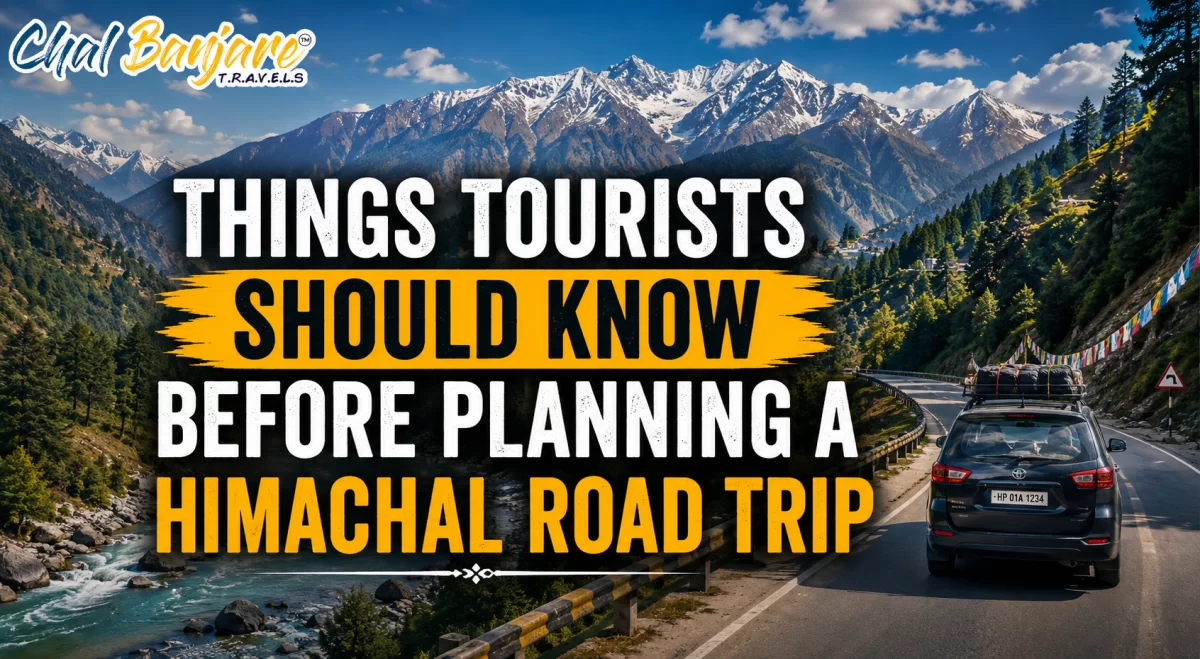
A Himachal Pradesh road trip offers unforgettable mountain scenery, hill stations, valleys, and Himalayan highways, but proper planning is essential for safe, comfortable, and enjoyable travel across changing mountain conditions.
Road trips are one of the most rewarding ways to experience Himachal Pradesh because they allow travellers to explore mountain valleys, forests, rivers, hill stations, and remote Himalayan landscapes at their own pace. Unlike driving on highways in the plains, mountain roads require considerably more time and attention due to continuous bends, changing elevations, steep climbs, narrow sections, and varying road surfaces. Traffic conditions also differ according to destination, tourist season, weather, and local festivals.
Popular destinations such as Shimla, Manali, Dharamshala, Dalhousie, Kullu, Kasol, and McLeod Ganj generally experience heavier tourist traffic during holidays, while remote regions may have lighter traffic but more challenging road conditions. Drivers should expect slower average speeds throughout Himachal, making realistic travel planning more important than relying on straight-line distances. Safe and patient driving contributes significantly to an enjoyable mountain journey.
Understanding Himachal's road conditions before departure helps travellers build realistic expectations while enjoying the state's remarkable mountain scenery safely and comfortably.
Road conditions vary considerably depending on the destination. Well-travelled routes connecting Shimla, Manali, Dharamshala, and Dalhousie generally receive regular maintenance and offer comparatively better tourism infrastructure. In contrast, roads leading towards Spiti Valley, Kinnaur, Pangi Valley, Sach Pass, Lahaul, and other remote Himalayan regions may include narrower stretches, higher mountain passes, occasional rough sections, and fewer roadside facilities.
Travellers should understand that remote roads are not necessarily unsafe, but they demand greater preparation, patience, and flexibility. Longer travel times, limited fuel stations, reduced mobile connectivity, and changing weather conditions are normal aspects of exploring these spectacular Himalayan landscapes. The journey itself becomes an important part of the overall travel experience.
Recognising the differences between popular and remote routes helps travellers select itineraries that match their driving experience, available time, and travel preferences.
Successful road trips across Himachal Pradesh depend on planning routes according to seasonal conditions, current road accessibility, and realistic daily travel distances. Before departure, travellers should review weather forecasts, road advisories, accommodation bookings, and expected travel durations rather than relying solely on navigation applications. Mountain roads often require additional time because of scenic stops, traffic, weather changes, and slower driving speeds.
Building flexibility into the itinerary allows travellers to respond calmly if road maintenance, weather conditions, or seasonal traffic temporarily affect the journey. Choosing fewer destinations with comfortable driving distances generally provides a more enjoyable experience than attempting to cover too many locations within a limited schedule.
Well-planned road trips allow visitors to enjoy Himachal's mountains comfortably while adapting to changing road and weather conditions throughout the journey.
Each season offers a different road trip experience across Himachal Pradesh. Summer provides comfortable temperatures, open mountain routes, and ideal sightseeing conditions across most destinations, making it one of the busiest travel periods. Winter attracts visitors seeking snowfall, snow-covered landscapes, and winter sports, although higher-altitude roads may occasionally experience temporary closures or restrictions depending on weather conditions. Monsoon transforms the state into a lush green landscape but also brings rainfall-related challenges such as slippery roads, fog, landslides, and slower travel.
Understanding these seasonal differences helps travellers choose the most suitable period according to their interests. Some visitors prioritise pleasant weather and easy driving, while others specifically seek snow-covered scenery or quieter travel experiences outside the busiest tourist months.
Selecting the right season according to personal travel preferences creates a more enjoyable and comfortable Himachal road trip experience.
Travellers interested in snow-covered landscapes often plan winter road trips towards destinations such as Manali, Solang Valley, Kufri, Narkanda, or Auli in neighbouring Uttarakhand, while those seeking clear Himalayan views may prefer spring, autumn, or early summer. Families planning sightseeing holidays generally benefit from seasons offering stable weather and comfortable road conditions, allowing easier access to popular attractions.
Remote regions such as Spiti Valley, Kinnaur, Lahaul, and high mountain passes have more limited travel windows because weather influences accessibility throughout the year. Visitors should therefore select destinations according to seasonal road conditions rather than assuming all routes remain equally accessible every month.
Matching destination choices with seasonal accessibility helps travellers maximise sightseeing opportunities while reducing weather-related travel challenges.
Every Himachal road trip should be planned around realistic weather expectations rather than fixed assumptions. Travellers should consider temperature variations, rainfall, snowfall, daylight hours, road conditions, and seasonal tourist demand before finalising their itinerary. Checking weather forecasts regularly before and during the journey allows visitors to adjust travel plans if changing conditions affect mountain routes.
Flexible itineraries remain particularly valuable because weather in Himalayan regions can change quickly. Carrying suitable clothing, allowing additional travel time, and preparing alternative sightseeing options help visitors continue enjoying the journey regardless of seasonal conditions. Good planning ensures that weather enhances rather than disrupts the overall road trip experience.
Understanding seasonal weather patterns allows travellers to build safer, more enjoyable road trip itineraries while appreciating the diverse landscapes that Himachal Pradesh offers throughout the year.
One of the most common mistakes made by first-time visitors to Himachal Pradesh is estimating travel time only by looking at the distance between destinations. Unlike highways in the plains, mountain roads include continuous bends, steep gradients, narrow bridges, villages, scenic viewpoints, and changing speed limits that significantly increase journey duration. A route that appears relatively short on a map may require several hours because average driving speeds remain much lower throughout most mountain sections.
Popular road trip circuits such as Shimla to Manali, Manali to Kasol, Dharamshala to Dalhousie, Reckong Peo to Kaza, or Kullu to Tirthan Valley all require patient driving despite moderate distances. Weather conditions, local traffic, road maintenance, and sightseeing stops can further extend travel times. Travellers should therefore focus on estimated driving hours rather than kilometres alone while planning their itinerary.
Understanding realistic mountain driving times helps travellers build comfortable itineraries while reducing unnecessary stress during long journeys across Himachal Pradesh.
A Himachal road trip is not only about reaching the next destination but also about enjoying the landscapes encountered along the way. Waterfalls, rivers, mountain cafés, temples, viewpoints, forests, and small villages encourage travellers to stop frequently for photographs, refreshments, and short walks. These enjoyable breaks should be considered while planning daily travel rather than treating them as unexpected delays.
Road conditions may also vary considerably during the same journey, especially when travelling between lower valleys and higher Himalayan regions. Construction work, seasonal repairs, weather changes, or traffic around popular tourist attractions can influence overall travel time. Allowing generous time for these factors results in a much more relaxed road trip experience.
Planning sufficient time for both driving and sightseeing allows visitors to appreciate Himachal's landscapes without feeling pressured by unrealistic travel schedules.
The most enjoyable Himachal road trips usually combine moderate driving distances with enough time to explore each destination properly. Instead of attempting to visit multiple towns in a single day, travellers benefit from spending additional nights at key locations where they can experience local markets, cultural attractions, viewpoints, cafés, nature walks, and surrounding villages without rushing.
Families, senior travellers, and visitors travelling with children should especially avoid overloading daily itineraries with excessive driving hours. Building shorter travel days between major destinations reduces fatigue while providing greater flexibility if weather conditions or traffic temporarily affect the route. Comfortable pacing contributes significantly to a more memorable Himalayan journey.
Realistic itineraries create a more enjoyable travel experience by allowing visitors to appreciate Himachal's landscapes, culture, and attractions without unnecessary pressure to cover excessive distances each day.
A reliable vehicle is essential for a safe and enjoyable Himachal road trip. Before entering mountain roads, travellers should ensure that their vehicle has been thoroughly inspected and serviced. Mountain driving places greater demands on engines, braking systems, tyres, cooling systems, and suspension because of continuous climbs, descents, sharp bends, and changing elevations. Preventive maintenance before departure significantly reduces the likelihood of mechanical issues during the journey.
Travellers using rental vehicles should also inspect the vehicle personally rather than assuming maintenance has already been completed. Windscreen wipers, headlights, indicators, air conditioning, heating systems where applicable, mirrors, and battery condition should all be checked carefully. Taking a few extra minutes before departure often prevents inconvenience later on remote Himalayan routes.
Thorough vehicle preparation improves both safety and confidence throughout the journey, allowing travellers to focus on enjoying Himachal's spectacular mountain roads.
Tyres and brakes are among the most important safety components during mountain driving. Proper tyre tread provides better grip on steep roads, gravel surfaces, and wet conditions, while reliable brakes help maintain control during long downhill sections. Fuel planning is equally important because petrol stations become less frequent on remote routes such as Spiti Valley, Kinnaur, Pangi Valley, and other higher Himalayan regions.
Travellers should also monitor coolant levels, engine oil, brake fluid, and tyre pressure regularly throughout longer road trips. Ignoring minor maintenance concerns before entering mountainous terrain can lead to greater difficulties where repair facilities are limited. Preventive checks contribute significantly to a safer and smoother driving experience.
Regular maintenance throughout the trip helps vehicles perform reliably under demanding mountain conditions while reducing the risk of avoidable breakdowns.
Every Himachal road trip should include a practical emergency kit in addition to personal luggage. Spare tyres, vehicle tools, portable air pumps where available, first-aid supplies, torches, mobile charging equipment, drinking water, snacks, rain protection, warm clothing, and emergency contact information provide valuable support if unexpected delays occur because of weather or road conditions.
Drivers should also carry valid driving licences, vehicle registration papers, insurance documents, pollution certificates where applicable, and accommodation confirmations throughout the journey. Organising these essentials before departure helps travellers remain prepared for changing mountain conditions while ensuring a smoother overall travel experience.
Thoughtful preparation provides reassurance throughout every stage of a Himachal road trip. Carrying essential equipment allows travellers to respond confidently to unexpected situations while exploring remote mountain regions safely.
Road conditions across Himachal Pradesh differ significantly because each region has its own geography, elevation, climate, and tourism infrastructure. Popular tourist routes around Shimla, Manali, Dharamshala, Kangra, and Dalhousie generally receive regular maintenance due to high visitor numbers and year-round traffic. Although these roads still include steep climbs, sharp bends, and narrow mountain sections, they usually offer better roadside facilities, accommodation options, restaurants, fuel stations, and repair services than many remote Himalayan routes.
In contrast, journeys towards Spiti Valley, Kinnaur, Lahaul, Pangi Valley, and Sach Pass involve more demanding mountain roads with longer stretches between settlements, occasional rough surfaces, water crossings, and higher elevations. Travellers should not assume that driving conditions remain similar throughout Himachal. Understanding regional differences helps visitors prepare vehicles, travel schedules, and expectations more effectively before starting the journey.
Recognising regional road differences allows travellers to prepare more effectively and select routes that match their driving experience, available time, and overall travel preferences.
Altitude and terrain strongly influence driving conditions throughout Himachal Pradesh. Lower valleys often feature wider roads and easier driving conditions, while higher Himalayan regions include narrow mountain ledges, steep gradients, continuous hairpin bends, and greater elevation changes. Seasonal weather also affects accessibility differently across regions, with snowfall influencing higher mountain passes during winter and rainfall creating additional challenges during the monsoon.
Travellers should also consider that road improvement projects continue across many parts of Himachal, meaning conditions may gradually improve while temporary construction work occasionally affects travel. Remaining flexible and monitoring current road updates before each major journey provides a more reliable picture than relying only on previous travel experiences or older route information.
Understanding how altitude and terrain influence road conditions helps travellers make safer decisions while appreciating the diversity of Himachal's mountain landscapes.
Every road trip should be planned according to the specific characteristics of the chosen route rather than applying the same travel strategy everywhere. Popular sightseeing circuits may allow comfortable daily driving distances with frequent facilities, while remote Himalayan routes require earlier departures, careful fuel planning, weather monitoring, and additional travel time. Travellers should also account for photography stops, local attractions, meal breaks, and occasional traffic while preparing their itinerary.
Consulting current weather forecasts, local accommodation providers, tourism offices, and road advisories before departure helps visitors adjust plans if necessary. Flexible planning allows travellers to respond calmly to changing mountain conditions without compromising safety or the overall quality of the journey.
Thoughtful route planning ensures travellers experience Himachal's varied mountain regions comfortably while adapting confidently to different driving conditions across the state.
Weather in Himachal Pradesh can change rapidly, especially in mountainous areas where elevation differences, valleys, forests, and surrounding peaks influence local conditions. A journey that begins with clear skies may later encounter fog, rainfall, strong winds, or cooler temperatures within a few hours. These rapid weather transitions are a normal characteristic of Himalayan travel and should always be considered while planning road trips.
Travellers moving between destinations such as Shimla, Manali, Kinnaur, Spiti, Dharamshala, Dalhousie, or Chamba often experience noticeable weather differences during the same day because of changing altitude and terrain. Understanding these variations helps visitors pack suitable clothing, prepare vehicles appropriately, and maintain realistic expectations regarding travel schedules.
Accepting the unpredictable nature of Himalayan weather allows travellers to remain flexible while enjoying the changing beauty of Himachal's landscapes safely.
Rainfall during the monsoon and snowfall during winter occasionally influence road accessibility across Himachal Pradesh. Wet roads, temporary landslides, dense fog, snow accumulation, or maintenance work may slow travel or temporarily restrict access to certain mountain routes. These situations are part of travelling in high-altitude regions and should be anticipated during seasonal planning rather than treated as unexpected events.
Travellers should monitor current weather updates before every major drive, especially when visiting destinations at higher elevations. Seasonal travel conditions differ greatly across the state, making it important to review route-specific forecasts instead of relying only on weather reports for larger towns or cities.
Understanding seasonal weather patterns helps travellers respond calmly to changing road conditions while maintaining realistic travel expectations throughout the journey.
One of the most valuable aspects of mountain travel planning is maintaining flexibility. Rather than scheduling every day with fixed arrival times, travellers should allow additional hours for changing weather, sightseeing opportunities, and occasional delays. Flexible itineraries make it easier to postpone a drive, spend an extra night at a destination, or explore nearby attractions while waiting for weather conditions to improve.
Visitors should also remain in contact with accommodation providers if arrival times change because of road or weather conditions. Carrying rain protection, warm clothing, emergency supplies, drinking water, and snacks further improves comfort during unexpected delays. Adaptability allows travellers to enjoy Himachal safely while respecting the natural conditions of the Himalayas.
Flexible planning transforms weather-related changes from travel disruptions into manageable adjustments. Travellers who remain patient and adaptable are better able to enjoy Himachal's mountain roads throughout every season.
Road trips through high-altitude regions such as Spiti Valley and Lahaul differ significantly from journeys to lower Himalayan destinations. As vehicles climb from lower elevations into mountain passes and remote valleys, the amount of available oxygen gradually decreases. Travellers who ascend rapidly without allowing time for adjustment may experience discomfort, particularly when visiting destinations above 3,000 metres. Understanding how altitude changes affect the body is an important part of planning any high Himalayan road trip.
Routes connecting Manali to Keylong, Jispa, Sissu, Kaza, Tabo, Nako, and the Shimla to Kinnaur and Spiti circuit involve continuous elevation gain over several hours. Although many visitors complete these journeys comfortably, the experience varies from person to person depending on fitness, previous high-altitude exposure, age, hydration, and the speed of ascent. Travelling gradually whenever possible provides the body with additional time to adapt naturally.
Understanding altitude before beginning the journey allows travellers to prepare realistic itineraries while reducing unnecessary physical stress during high Himalayan road trips.
Acclimatization is the natural process through which the body gradually adjusts to reduced oxygen levels at higher elevations. Allowing sufficient time for this adjustment often improves comfort during extended journeys through Spiti, Lahaul, and neighbouring Himalayan regions. Travellers who spend a night at intermediate elevations before continuing towards higher destinations may find the overall journey more comfortable than attempting rapid ascents in a single day.
Visitors should pay attention to how they feel throughout the trip and avoid unnecessary physical exertion immediately after reaching high-altitude destinations. Maintaining a comfortable pace, drinking adequate water, eating balanced meals, and getting sufficient rest all support the acclimatization process. Travellers with pre-existing medical concerns should seek professional medical advice before planning high-altitude journeys.
Gradual acclimatization improves overall travel comfort while allowing visitors to appreciate the spectacular landscapes of the higher Himalayas at a relaxed pace.
Road trips through high-altitude regions should include practical rest periods rather than continuous long-distance driving every day. Spending additional nights at destinations such as Keylong, Jispa, Kalpa, Tabo, or Kaza allows travellers to explore nearby attractions while giving both the body and the driver time to recover from long mountain journeys. These relaxed schedules also create opportunities to enjoy local culture, landscapes, and photography without feeling rushed.
Travellers should avoid planning demanding activities immediately after arriving at higher elevations. Instead, shorter sightseeing walks, relaxed exploration, and gradual movement help create a more enjoyable overall experience. Building flexibility into the itinerary ensures visitors can respond comfortably if additional rest becomes necessary during the journey.
Thoughtful acclimatization planning creates a safer and more enjoyable Himalayan road trip, allowing travellers to appreciate the unique landscapes of Spiti and Lahaul comfortably.
One of the most important aspects of planning a Himachal road trip is understanding that fuel stations become less frequent as travellers move away from major towns into remote Himalayan regions. Popular tourist destinations such as Shimla, Manali, Dharamshala, and Kullu have regular fuel availability, but routes towards Spiti Valley, Kinnaur, Lahaul, Pangi Valley, Sach Pass, and other remote areas may involve long driving distances between petrol pumps. Visitors should therefore avoid waiting until fuel levels become low before refilling.
Careful fuel planning is especially important when exploring high-altitude circuits where weather or road conditions may occasionally increase travel time. Refuelling whenever reliable fuel stations are available provides greater flexibility and reduces unnecessary concern during remote mountain drives.
Good fuel planning provides reassurance throughout remote Himalayan journeys while allowing travellers to focus on the surrounding landscapes instead of fuel availability.
Mobile network coverage across Himachal Pradesh varies according to location, elevation, and service provider. Major towns and popular tourist destinations generally offer dependable connectivity, while remote valleys, mountain passes, forests, and high-altitude regions may experience weaker signals or temporary network interruptions. Travellers should therefore avoid relying entirely on continuous mobile connectivity throughout long road trips.
Downloading offline maps before departure, saving accommodation details, carrying printed booking confirmations, and informing family members about planned routes can be helpful when travelling through areas with limited network coverage. Visitors should also remember that network availability may change as the journey progresses between valleys and higher elevations.
Preparing for occasional connectivity limitations allows travellers to remain organised and confident while exploring Himachal's more remote Himalayan destinations.
Successful Himalayan road trips combine careful route planning with practical travel preparation. Before beginning remote journeys, travellers should identify major fuel stations, accommodation locations, medical facilities, and available communication points along the route. Keeping emergency contact numbers, vehicle documents, identification, charging equipment, cash where appropriate, and essential supplies readily accessible further improves travel readiness.
Visitors should also monitor weather forecasts, road conditions, and accommodation confirmations before leaving major towns. These preparations reduce uncertainty during remote travel while allowing greater flexibility if changing mountain conditions influence the journey. Organised planning helps create a smoother, safer, and more enjoyable road trip experience throughout Himachal Pradesh.
Careful preparation regarding fuel, communication, and travel logistics allows visitors to explore Himachal's remote regions confidently while minimising avoidable travel challenges.
Accommodation availability in Himachal Pradesh changes significantly throughout the year. During summer vacations, long weekends, festive holidays, Christmas, New Year, and the winter snowfall season, destinations such as Shimla, Manali, Dharamshala, Dalhousie, Kasol, McLeod Ganj, and Tirthan Valley receive a substantial increase in visitors. Hotels, guesthouses, resorts, homestays, and camps often reach high occupancy levels well before the travel date, particularly in popular tourist locations.
Travellers who wait until the last moment to reserve accommodation may find fewer options available or may need to pay considerably higher prices for similar properties. Peak travel demand can also limit room categories, parking availability, and accommodation close to major attractions. Understanding seasonal demand allows visitors to plan more effectively while securing suitable stays that match both their budget and travel preferences.
Understanding seasonal accommodation demand helps travellers avoid unnecessary stress while ensuring a smoother start to their Himachal road trip.
Accommodation should be selected according to the overall road trip route rather than choosing hotels independently for each destination. Travellers covering multiple regions should identify overnight stops that balance driving distances comfortably while allowing enough time for sightseeing and rest. Selecting hotels near planned routes reduces unnecessary driving at the end of long travel days and helps maintain realistic daily schedules.
Visitors travelling towards remote destinations such as Spiti Valley, Kinnaur, Lahaul, or Pangi Valley should confirm accommodation well in advance because available options may be more limited than in larger tourist towns. During winter or the monsoon, flexible cancellation policies may also be valuable if changing weather conditions affect travel plans.
Well-planned accommodation improves the overall pace of a road trip while reducing unnecessary driving and allowing travellers to enjoy each destination more comfortably.
Accommodation selection should involve more than comparing room prices alone. Travellers should consider parking facilities, road accessibility, heating arrangements during winter, restaurant availability, backup electricity, family-friendly amenities, accessibility for senior travellers, and proximity to planned sightseeing locations. A property offering slightly higher rates may provide considerably better value if it reduces additional travel time or offers more suitable facilities.
Reading recent guest reviews, confirming available services directly with the property, and understanding local access roads before arrival further improve travel planning. Visitors should also ensure that accommodation matches the requirements of their group, particularly when travelling with children, senior citizens, or large families. Careful selection contributes to a more comfortable and relaxing Himachal road trip.
Choosing accommodation carefully enhances the overall road trip experience by providing comfort, convenience, and reliable facilities after long mountain drives across Himachal Pradesh.
A successful Himachal Pradesh road trip begins with choosing destinations that match personal travel interests, available time, driving experience, and seasonal conditions. Travellers seeking relaxed sightseeing may prefer routes connecting Shimla, Manali, Dharamshala, Dalhousie, or Tirthan Valley, while experienced mountain travellers may include high-altitude destinations such as Spiti Valley, Kinnaur, or Lahaul within longer itineraries. Selecting routes according to realistic expectations creates a more enjoyable and comfortable journey.
Seasonal planning is equally important because weather influences both accessibility and the overall travel experience. Summer offers pleasant sightseeing conditions, winter attracts visitors seeking snowfall, while the monsoon presents lush landscapes along with additional driving challenges. Matching destinations with the most suitable season helps travellers experience Himachal safely while making the most of available road conditions.
Thoughtful planning ensures that every stage of the road trip remains enjoyable, allowing travellers to experience Himachal's diverse mountain landscapes with confidence.
Preparation before departure greatly improves both safety and convenience throughout the road trip. Vehicles should be serviced thoroughly, accommodation should be reserved according to the planned route, weather forecasts should be reviewed regularly, and important travel documents should remain easily accessible. Travellers should also prepare emergency supplies including drinking water, snacks, first-aid materials, flashlights, chargers, rain protection, and suitable clothing for changing mountain weather.
Visitors travelling through remote regions should identify fuel stations, medical facilities, accommodation options, and communication points before beginning each major journey. Flexible planning, careful vehicle preparation, and responsible driving habits allow travellers to respond calmly to changing mountain conditions while maintaining a comfortable travel experience.
Careful preparation reduces avoidable travel challenges while allowing visitors to focus on enjoying Himachal's valleys, forests, rivers, villages, and Himalayan scenery.
Before leaving for Himachal Pradesh, travellers should complete a practical travel checklist covering route planning, accommodation, vehicle readiness, weather preparation, health, communication, and emergency arrangements. Packing layered clothing, waterproof jackets, comfortable footwear, medicines, reusable water bottles, offline maps, power banks, and valid identification helps ensure a smoother experience throughout changing mountain conditions.
Drivers should maintain moderate speeds, take regular breaks, remain patient on winding roads, monitor weather forecasts, and respect local travel advisories whenever necessary. Rather than attempting to cover excessive distances, visitors should allow enough time to appreciate scenic viewpoints, local culture, traditional villages, and Himalayan landscapes. Responsible planning, realistic expectations, and flexible travel schedules create a safer and more rewarding Himachal road trip in every season.
Himachal Pradesh offers some of India's finest mountain road journeys for travellers who prepare carefully and drive responsibly. By planning routes thoughtfully, respecting seasonal conditions, and allowing flexibility throughout the itinerary, visitors can safely explore the state's spectacular valleys, forests, rivers, hill stations, and remote Himalayan landscapes while creating memorable travel experiences.


Get customized Himachal Pradesh tour planning designed around season, road conditions, hill travel pacing, and comfort preferences. Whether you are visiting for snow experiences, mountain landscapes, temple towns, adventure activities, or relaxed valley s
⚡ Quick Response | 💰 Free consultation | 🕒 24×7 expert support

