
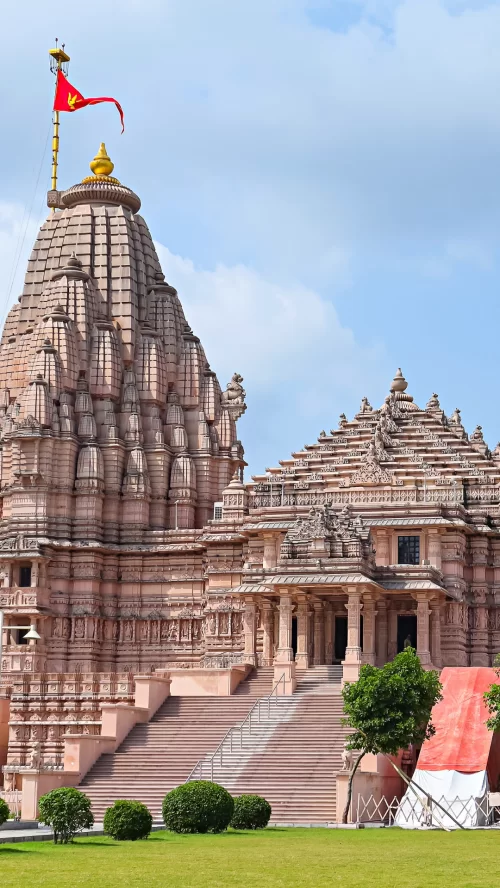
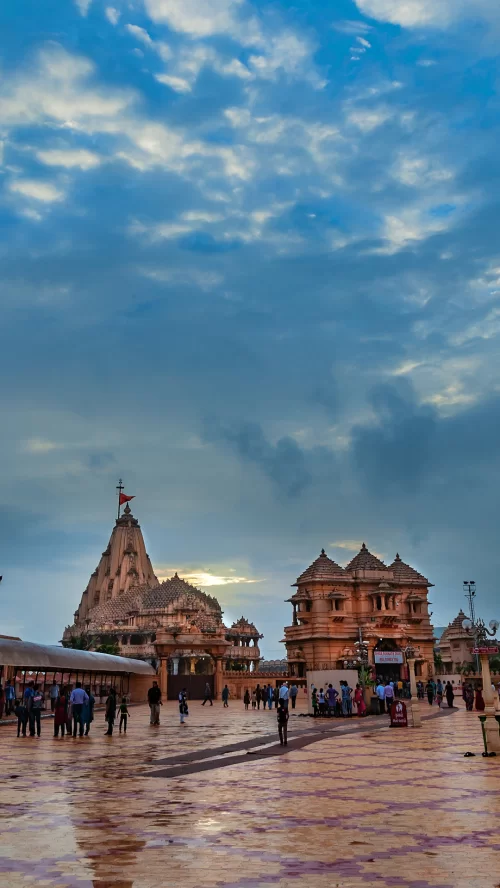

Homepage Banner

Somnath Temple Guide – Darshan, Timings and Travel Tips

Learn about darshan at Somnath Temple, with an overview of visiting timings and practical travel tips to help you prepare for your pilgrimage and temple visit.

Travel Guide


13 Oct, 2026 By: Kinjal Patel

Somnath Jyotirlinga: Religious Significance and Temple History

Somnath is revered as one of the twelve Jyotirlingas and is described by its Trust as the Aadi Jyotirlinga. Its religious importance extends beyond the present building.

Distinguish the sacred site from the current temple

The place has a long history of worship, rebuilding and patronage. The present temple’s consecration took place in 1951, according to the Trust.

Visit the nearby Ahilyabai shrine if you want another perspective on the continuity of worship.

  • Treat devotional traditions respectfully.
  • Use historical interpretation rather than repeating exaggerated destruction claims.
  • Allow time for worship as well as architecture.

Darshan Timings, Daily Aartis and Evening Programme

Shree Somnath Trust currently lists darshan from 6:00 am to 10:00 pm, with aarti at 7:00 am, noon and 7:00 pm.

Confirm the evening programme separately

The Trust’s published pages show differing sound-and-light schedules, and the programme can be affected by rain. Check the current session locally rather than relying on one copied time.

  • Arrive before your preferred aarti.
  • Allow security and storage time.
  • Check special-event changes.
  • Do not connect an uncertain show finish to a tight departure.

General darshan and optional paid services should be understood separately.

Entry Arrangements, Security Checks and Visitor Requirements

Prepare for security screening and follow the Trust’s current entry instructions. General temple admission is listed as free.

Clarify individual requirements

The Trust frames the temple as a place of Hindu worship. Visitors unsure about religious-entry eligibility or permission requirements should contact its administration before arrival rather than assuming unrestricted tourist admission.

Carry identification if requested and avoid bringing large luggage to the entrance.

  • Follow authorised queues.
  • Keep children with an adult.
  • Ask staff about assistance.
  • Clarify optional ritual payments beforehand.
  • Do not confuse a donation request with a compulsory general-entry fee.

Dress, Photography, Phones and Belongings Rules

The Trust prohibits electronic devices inside, including phones, cameras and smartwatches, and lists cloakroom storage for restricted items. Photography is prohibited within the temple.

Prepare before joining the queue

Dress modestly and avoid clothing the Trust describes as disrespectful. Remove footwear where directed.

Leave non-essential valuables at your accommodation and keep storage receipts accessible.

  • Check the current prohibited-items list.
  • Ask about necessary medicines or assistance devices.
  • Do not attempt concealed photography.
  • Allow time to retrieve belongings afterwards.
  • Follow staff instructions if security arrangements change.

How to Reach Somnath Temple via Veraval

Somnath and Veraval provide practical rail and road connections for the temple area, but they are separate arrival points.

Check the exact booking

Confirm which station your train uses and arrange the final transfer accordingly. For flights, compare current services and the complete road journey from the chosen airport.

Accommodation close to a suitable temple approach can simplify repeat darshan visits.

  • Arrange very early or late transfers beforehand.
  • Share the exact hotel location.
  • Check vehicle access during busy periods.
  • Keep onward travel buffers.
  • Do not rely on outdated airport distances or service assumptions.

Best Time to Visit: Weather, Festivals and Crowd Levels

Cooler months generally make temple queues and local sightseeing easier. Coastal wind, summer heat and monsoon rain still influence comfort.

Plan festival travel deliberately

Mahashivratri, Shravan and other important pilgrimage periods can bring greater demand and altered visitor arrangements.

If your priority is a quieter visit, avoid assuming a major religious date will offer the same pace as a normal weekday.

  • Reserve accommodation early.
  • Check current event notices.
  • Keep nearby sightseeing flexible.
  • Allow extra time for security.
  • Follow coastal warnings during unsettled weather.

Planning Your Darshan: Queues, Accessibility, Accommodation and Food

One full day with an overnight stay suits many visitors, while a second night provides more room for worship and rest.

Ask about assistance

The Trust lists facilities including wheelchairs, golf-cart assistance and a lift. Confirm current availability and the exact route before relying on them.

Book Trust accommodation through its official channels. Compare the room’s access, meal arrangements and actual walking approach.

  • Choose a session suited to your group’s energy.
  • Keep meals convenient.
  • Allow seated breaks for seniors.
  • Do not assume every nearby shrine is step-free.
  • Keep departure plans separate from uncertain queue times.

Nearby Sacred Sites: Triveni Sangam, Bhalka Tirth and Dehotsarg

These places connect the main temple with the wider sacred landscape of Prabhas Patan.

Understand the different traditions

Triveni Sangam is associated with pilgrimage rituals at the confluence. Bhalka Tirth and Dehotsarg relate to different episodes in Krishna’s final earthly journey in devotional tradition.

Use a vehicle for a manageable circuit, allowing time for worship rather than only photographs.

  • Agree ritual scope and charges beforehand.
  • Ask before photographing ceremonies.
  • Take care on wet ghat steps.
  • Confirm shrine sessions.
  • Include the Ahilyabai temple if time permits.

Frequently Asked Questions About Somnath Temple Guide – Darshan, Timings and Travel Tips

Somnath is revered as one of the twelve Jyotirlingas and described by its Trust as the Aadi Jyotirlinga. The sacred site has a longer history than the present temple, consecrated in 1951. Allow time for worship as well as architecture, and consider the nearby Ahilyabai shrine for another perspective on continuing devotional traditions.
Consult the current Shree Somnath Trust information for your preferred session and any special-event changes. Arrive early enough for security, belongings storage and queues rather than treating an aarti start as your arrival deadline. Keep onward travel flexible and check any evening programme separately because published show schedules and weather arrangements can differ.
No. The guide identifies general admission as free, while optional rituals, donations or other services need separate clarification. Ask authorised staff about the scope and payment before agreeing. Do not treat an unsolicited donation request as a compulsory entry charge, and follow current security and visitor instructions at the temple.
Visitors uncertain about eligibility or permission requirements should contact the Trust administration before arrival rather than assuming unrestricted tourist entry. The temple is presented as a place of Hindu worship, and current instructions determine visitor arrangements. Carry identification if requested and seek authorised guidance instead of relying on informal assurances outside.
The Trust prohibits electronic devices including these items inside, and photography within the temple is prohibited. Check the current list and permitted cloakroom arrangements before joining the queue. Leave unnecessary valuables at your accommodation, retain storage receipts and ask staff about essential medicines or assistance devices rather than assuming an exception.
Check whether your train arrives at Somnath or Veraval because they are separate arrival points needing the appropriate local transfer. For flights, compare actual services and the complete onward road journey. Arrange very early or late pickups ahead, share the precise hotel location and allow extra time during busy pilgrimage periods.
One full day with an overnight stay suits many visits, while a second night provides more room for worship, nearby sacred sites and rest. Choose a darshan session matching your group’s energy and keep meals convenient. Avoid fixing a departure immediately after uncertain queues or assuming every surrounding shrine can be covered without breaks.
The Trust lists wheelchair, golf-cart and lift facilities, but confirm current availability and the exact route before relying on them. Check hotel lifts, walking approaches, meals and rest opportunities as well. Assistance at the main temple does not establish step-free access at every nearby shrine, ghat or accommodation entrance.
Cooler months generally make waiting and sightseeing easier, while heat, coastal wind and monsoon rain affect other periods. Mahashivratri, Shravan and major pilgrimage occasions can increase demand and alter access. Book fixed dates ahead, check event notices and keep secondary sightseeing flexible rather than expecting ordinary-weekday crowd levels.
Triveni Sangam, Bhalka Tirth, Dehotsarg and the Ahilyabai shrine add context to the sacred landscape of Prabhas Patan. A vehicle can make the circuit manageable, with time for worship rather than only photographs. Confirm shrine sessions and any ritual charges, ask before photographing ceremonies and take care on wet ghat steps.

Explore Gujarat Tour Packages

Explore All Packages

Latest Travel Blogs

View all Blogs →

Loved this place ? Let’s Plan Your Gujarat Trip

Get customized Gujarat tour planning designed around seasonal climate conditions, long-distance road travel flow, festival timing, and realistic pacing across regions. Whether you are visiting for heritage sites, desert experiences, coastal retreats, wild

⚡ Quick Response | 💰 Free consultation | 🕒 24×7 expert support

×

Plan Your Trip