Homepage Banner

Rann of Kutch Travel Guide – How to Reach, Stay and Permits

Understand how to reach the Rann of Kutch, compare stay options and learn about permits to help you organise transport, accommodation and your desert visit.

Travel Guide


15 Aug, 2026 By: Kinjal Patel

Understanding the White Rann: Dhordo, Nearby Villages and Regional Distances

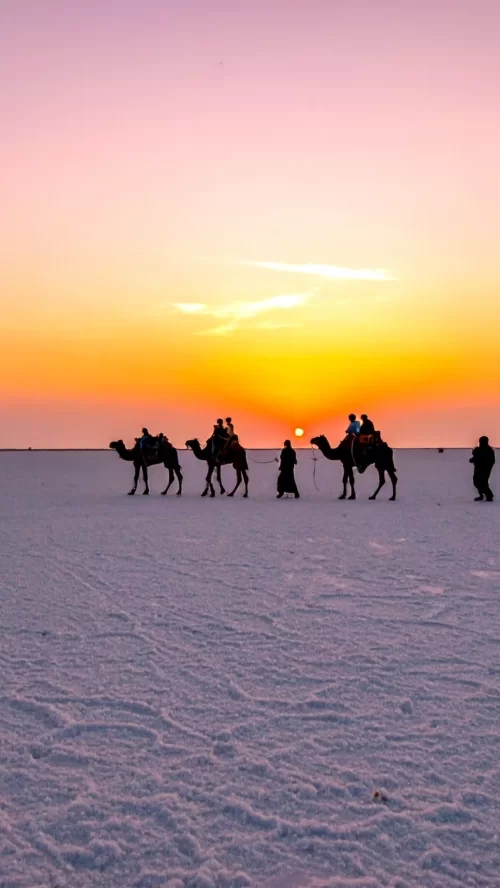
The White Rann near Dhordo is a seasonal salt-marsh landscape, not a permanently dry desert. Its appearance changes with rainfall and drying.

Understand the geography

Government tourism material places Dhordo roughly 80 km from Bhuj. Nearby village stays vary in their actual distance from the authorised visitor entrance.

The Little Rann of Kutch wildlife circuit is a separate destination. Dholavira, Mandvi and western Kutch also require their own route planning.

  • Check the precise accommodation location.
  • Ask which entry area your excursion uses.
  • Do not assume all Kutch attractions are nearby.
  • Choose a manageable regional circuit.

How to Reach the Rann of Kutch via Bhuj

Bhuj is the main practical gateway for the White Rann, with onward road travel to Dhordo and village accommodation.

Match connections to the visit

Check current trains, buses and flights for your dates. A late arrival in Bhuj may not leave enough time for a comfortable same-day sunset outing.

Arrange the onward vehicle before arrival if staying remotely. Do not assume a return taxi will be available at the Rann.

  • Confirm pickup and waiting time.
  • Check luggage space.
  • Allow check-in and permit time.
  • Keep a transfer buffer before departure.
  • Consider a Bhuj night when connections are inconvenient.

White Rann Entry Permits, Required Documents and Checkpoints

Verify the current White Rann entry process before travelling. Gujarat Tourism links to the official Rann permit portal, but charges and document rules should be checked there for your visit.

Prepare accurate details

Carry the identification requested in the current application and keep permit copies available offline. Foreign visitors should confirm any additional requirements rather than assuming the same process applies to every nationality.

  • Match application details to identification.
  • Check date and vehicle requirements.
  • Allow time for checkpoints.
  • Confirm whether a package handles the permit.
  • Do not assume a hotel booking authorises entry.
  • Do not extend a permit to unrelated restricted areas.

Best Time to Visit: Salt Desert Conditions, Weather and Moonlight

The cooler months are generally the most practical period for the White Rann. November to February is a useful starting window, subject to surface conditions.

Check more than the season

Water recession and drying vary between years. Full-moon dates also depend on cloud, moonrise and permitted visiting hours.

Travellers primarily interested in crafts and sunset may prefer quieter dates rather than paying a premium for an uncertain moonlit view.

  • Ask about current ground conditions.
  • Confirm sunrise or night access.
  • Pack evening layers.
  • Keep sun protection available.
  • Do not expect identical conditions throughout the season.

Where to Stay: Dhordo Tent Accommodation, Village Stays and Bhuj Hotels

Choose accommodation according to the experience you want and the transfers it requires.

Compare three options

  • Seasonal tent accommodation: Check meal, excursion and transfer inclusions carefully.
  • Village stays: Ask about bathrooms, hot water, bedding and the actual local programme.
  • Bhuj hotels: Useful for arrivals, museums and broader services, but involve a longer evening return.

Do not assume every bhunga-style room uses traditional construction or offers identical comfort.

Confirm taxes, cancellation conditions and the precise location before comparing prices.

Things to Do: Desert Views, Craft Villages and Cultural Experiences

A balanced Rann trip combines the landscape with the region’s living crafts and food traditions.

Select a few experiences

Choose a permitted White Rann outing, a confirmed workshop and time for a village meal or stay. Kala Dungar provides a different landscape perspective when visibility permits.

Performances depend on actual event or accommodation programmes; they should not be assumed to happen nightly everywhere.

  • Arrange specialist workshop visits.
  • Ask about materials and techniques.
  • Pay agreed demonstration fees.
  • Do not photograph people without permission.
  • Keep distant excursions separate from the sunset day.

Suggested Itineraries, Local Transport and Trip Budget

Three days from Bhuj can cover city heritage, selected villages and a northern Kutch stay. Four or five days allow a more relaxed pace or one substantial extension.

Keep the route realistic

Use Bhuj for arrival and heritage, then stay near Dhordo for an evening outing. Add Kala Dungar only when the return connection allows.

Build costs from rooms, included meals, a complete vehicle circuit, permits and optional experiences. For a simple three-day worked allowance, ₹10,500 per person for two adults sharing can be a starting allocation, not a verified quotation.

  • Exclude travel to and from Bhuj.
  • Check premium seasonal upgrades separately.
  • Allow a contingency.

Packing, Photography Etiquette and Practical Desert Travel Tips

Prepare for exposed conditions and changing light without carrying more than you can manage comfortably.

  • Pack sun protection and evening layers.
  • Wear comfortable closed footwear.
  • Carry drinking water.
  • Protect cameras from salt dust.
  • Keep permits and bookings offline.
  • Ask before photographing people and homes.
  • Check tripod and drone permissions.
  • Stay within authorised routes.

Arrange return transport before entering the visitor area. Do not remain after permitted hours or cross wet ground to avoid crowds.

Frequently Asked Questions About Rann of Kutch Travel Guide – How to Reach, Stay and Permits

No. The White Rann near Dhordo is a seasonal salt-marsh landscape whose surface changes with rainfall, water recession and drying. Confirm current ground conditions before planning a landscape-focused visit. It is also distinct from the Little Rann wildlife circuit, so do not assume similarly named destinations share the same route or experience.
Bhuj is the practical gateway, followed by a road transfer to Dhordo or nearby accommodation. Confirm actual trains, buses or flights and arrange the remote onward vehicle beforehand. A late arrival may leave insufficient time for sunset, so consider a Bhuj night and allow check-in, permit and departure-transfer buffers.
Yes. Check the current official permit process and whether your package handles it, rather than assuming a room booking authorises entry. Match application details to identification, confirm date and vehicle requirements and allow time for checkpoints. A White Rann permission should not be treated as authorisation for unrelated restricted areas.
Follow the identification and vehicle requirements on the current official application and keep permits offline. Foreign visitors should confirm any additional nationality-specific rules rather than assuming identical procedures for everyone. Check details before submission and allow checkpoint time, even when accommodation or an operator assists with the permit process.
November to February is a useful cooler-season starting window, subject to surface conditions and authorised access. Drying varies between years, so confirm the ground rather than relying only on a month. Carry sun protection and evening layers, and keep expectations flexible because the landscape does not remain identical throughout the season.
No. Cloud, moonrise, surface conditions and permitted visiting hours affect the outing. Confirm authorised evening or night access and arrange return transport before entering. Travellers mainly interested in crafts and sunset may prefer quieter dates, rather than paying a premium on the assumption that a lunar date ensures ideal visibility.
Bhuj offers city heritage and arrival services but a longer Rann return journey. Dhordo-area village stays can simplify evening outings, while seasonal tents may bundle meals and transport. Compare the exact map location, bathrooms, bedding, hot water, activities and cancellation terms rather than assuming all bhunga-style or tent stays provide identical comfort.
Three days from Bhuj can introduce city heritage, selected villages and a northern stay for the White Rann. Four or five days provides a slower pace or one substantial extension. Keep Dholavira, western Kutch and other distant excursions separate from the sunset programme rather than assuming every regional attraction is close together.
Add accommodation, included or separate meals, the full vehicle circuit, permits, optional activities and contingency. The guide’s three-day worked allowance of ₹10,500 per person for two sharing is a planning input, not a verified quote. Exclude arrival travel from that comparison and price premium seasonal upgrades explicitly.
Carry drinking water, sun protection, evening layers, comfortable closed footwear and offline permits. Protect cameras from salt dust and check permissions for tripods or drones. Ask before photographing people or homes, confirm workshop fees and keep within authorised routes and hours rather than crossing wet ground or remaining late to avoid crowds.

Explore Gujarat Tour Packages

Explore All Packages

Latest Travel Blogs

View all Blogs →

Loved this place ? Let’s Plan Your Gujarat Trip

Get customized Gujarat tour planning designed around seasonal climate conditions, long-distance road travel flow, festival timing, and realistic pacing across regions. Whether you are visiting for heritage sites, desert experiences, coastal retreats, wild

⚡ Quick Response | 💰 Free consultation | 🕒 24×7 expert support

×

Plan Your Trip