

Best Places to Visit in Gujarat – Top Tourist Attractions
Discover Gujarat’s heritage cities, pilgrimage destinations, desert landscapes and natural attractions to help you choose places to visit and organise a route around your interests.
+91 9910402252
admin@chalbanjare.com


Get to know Somnath’s temples and sightseeing spots to help you choose pilgrimage stops, explore local attractions and organise your time in this coastal destination.
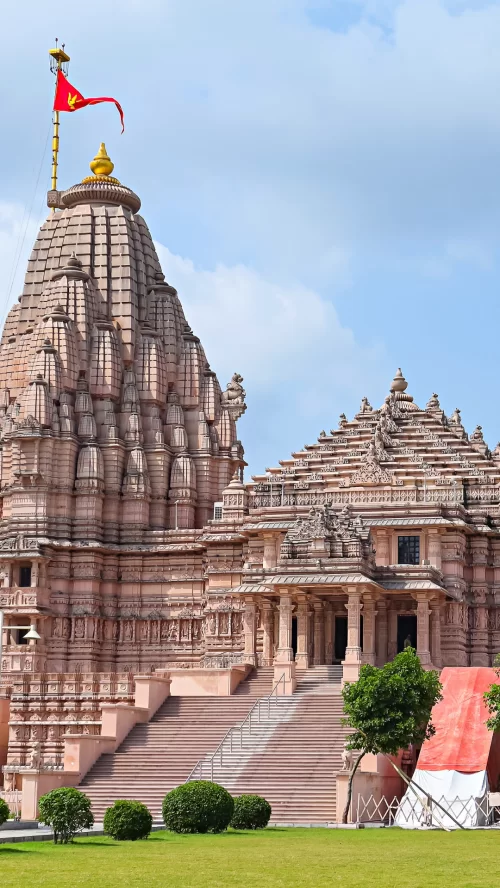
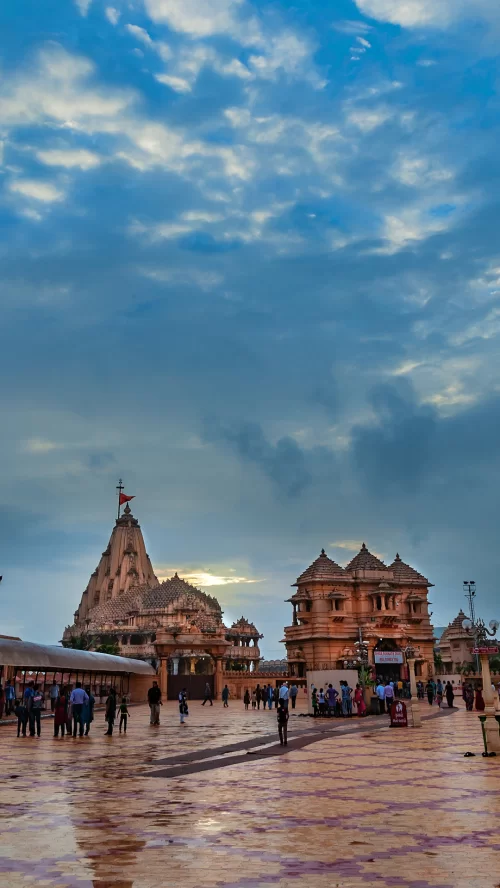
Somnath Temple is the principal pilgrimage landmark of Prabhas Patan, combining Jyotirlinga worship with an open coastal setting. Give the visit enough time for security, darshan and aarti rather than treating it as a brief sightseeing stop.
Shree Somnath Trust currently lists darshan from 6:00 am to 10:00 pm, with aarti at 7:00 am, noon and 7:00 pm. Reconfirm these arrangements for your travel date, particularly around festivals or special events.
General temple entry is listed as free by the Trust. Optional rituals, shows and other services have separate arrangements. Check current restrictions on electronic items and bags before joining the queue.
Triveni Sangam is a sacred ghat associated in pilgrimage tradition with the meeting of the Hiran, Kapila and Saraswati rivers before the sea. Many visitors come for prayers and rites connected with their ancestors.
The religious meaning is more important than the expectation of seeing three clearly separated rivers. Water conditions and the appearance of the confluence change, so approach it as a pilgrimage site rather than a fixed scenic spectacle.
If you wish to perform a ritual, agree on its nature, duration and payment before beginning. Visitors who are not participating can observe respectfully without photographing grieving families or private ceremonies.
Bhalka Tirth is associated with the tradition that the hunter Jara’s arrow struck Krishna while he rested beneath a tree. It is one of the main Krishna pilgrimage sites near Somnath.
The site complements Dehotsarg rather than replacing it: the two locations represent different episodes in the devotional account of Krishna’s final earthly journey. Reading this background before visiting makes the circuit easier to understand.
Include Bhalka as a vehicle stop when travelling between the Somnath and Veraval areas. The temple visit itself may be relatively short, but allow additional time if your family wishes to pray or hear an explanation.
Dehotsarg Tirth is associated with Krishna’s departure from earthly life in local devotional tradition. The surrounding sacred precinct includes Gita Mandir and other shrines, making it suitable for a slower visit.
Gita Mandir is noted for pillars bearing the chapters of the Bhagavad Gita. Take time to appreciate the inscriptions and the setting rather than moving immediately to the next shrine.
The Somnath Trust identifies several related sacred places in this area. Choose those relevant to your interests and ask about the walking route, particularly when travelling with seniors. A cluster of nearby shrines can still involve more standing and walking than expected.
The old Somnath temple associated with Ahilyabai Holkar stands close to the main temple and offers an important connection to the continuity of worship at Somnath.
The present main temple and Ahilyabai’s shrine represent different periods in the site’s religious history. Visiting both gives a fuller understanding than seeing only the larger modern landmark.
The smaller scale also creates a different devotional atmosphere, although crowd levels vary. Check the route and any steps before entering if someone in your group has mobility difficulties.
Prabhas Patan Museum adds historical and artistic context to Somnath’s living temples. It is particularly useful for visitors who want to understand architectural fragments and sculptural traditions associated with earlier structures.
Study the carved stonework, inscriptions and reconstructed architectural elements as evidence of how the region’s temples were designed and decorated. This makes the museum a worthwhile companion to darshan rather than an unrelated indoor stop.
Allow roughly an hour as a starting estimate, with more time for a detailed visit. Check the current opening session and weekly closure directly before travelling: official tourism listings and older government museum directories do not agree on every schedule detail.
Somnath’s seafront is best approached as a place for coastal views and a relaxed walk after sightseeing. It should not automatically be treated as a swimming destination.
Use accessible public areas and remain behind barriers where provided. Waves, currents and the shape of the shore can make entering the sea hazardous, even when the weather appears pleasant.
Late afternoon and evening usually fit well around the pilgrimage circuit, but avoid allowing a beach stop to delay a planned aarti. Coastal wind can also make loose clothing, hats and unsecured belongings difficult to manage.
One full day and an overnight stay are enough for many first-time visitors, provided arrival and departure do not consume most of that day. Two nights give more flexibility for worship and a museum visit.
Begin with darshan at Somnath Temple and the nearby Ahilyabai shrine. Visit the museum during its confirmed opening session, then use a vehicle for Bhalka Tirth, Triveni Sangam and Dehotsarg. Adjust the order according to temple breaks, heat and your chosen evening aarti.
Stay near the temple for easier repeat visits, or consider access to Veraval transport connections if arriving late or leaving early. Check actual walking distances and vehicle restrictions rather than relying on a hotel’s “near temple” description.


Get customized Gujarat tour planning designed around seasonal climate conditions, long-distance road travel flow, festival timing, and realistic pacing across regions. Whether you are visiting for heritage sites, desert experiences, coastal retreats, wild
⚡ Quick Response | 💰 Free consultation | 🕒 24×7 expert support

