

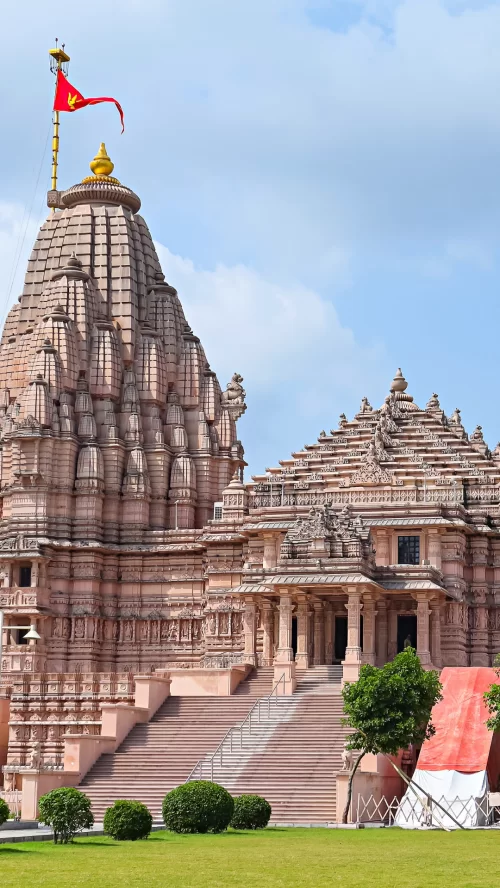
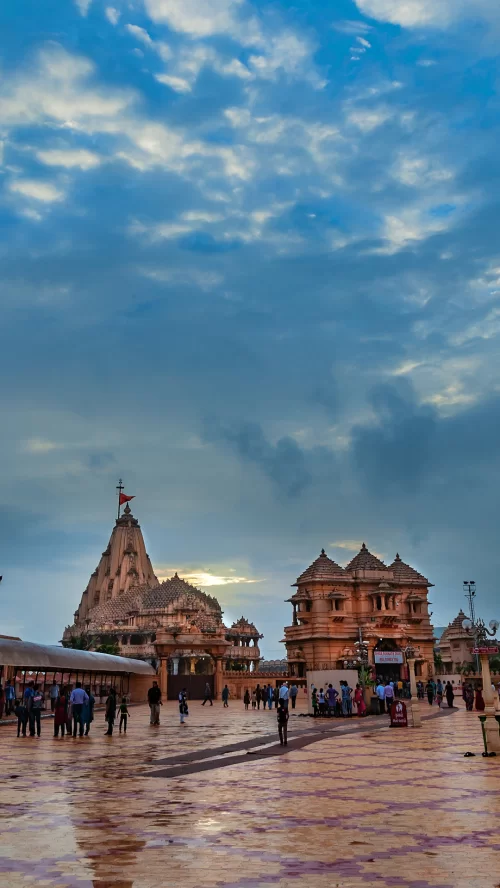
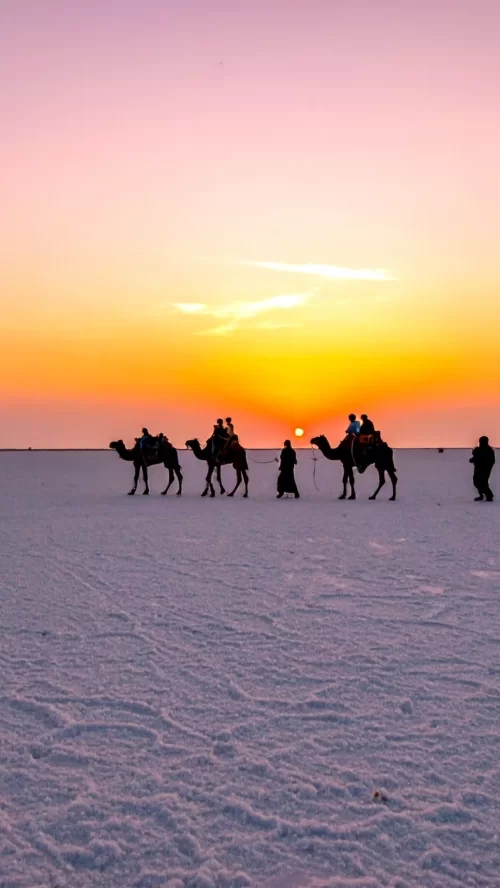
Best Places to Visit in Gujarat – Top Tourist Attractions
Discover Gujarat’s heritage cities, pilgrimage destinations, desert landscapes and natural attractions to help you choose places to visit and organise a route around your interests.
+91 9910402252
admin@chalbanjare.com


Get to know Bhuj’s forts, museums and local markets to help you choose heritage stops, explore local culture and organise your sightseeing in the city.
Aina Mahal offers an intimate view of royal taste through decorative interiors, mirror work and historical objects. It is particularly rewarding for visitors interested in how local craftsmanship interacted with wider artistic influences.
The attraction is in the details: reflective surfaces, furnishings and the arrangement of surviving rooms and displays. Read the interpretation to understand the setting instead of treating it only as a “mirror palace” photograph.
Pair the visit with Prag Mahal next door, but check each attraction’s current opening session. Earthquake damage and conservation needs mean that not every historic part of the wider complex is necessarily accessible.
Prag Mahal provides a strong architectural contrast to neighbouring Aina Mahal. Its Gothic-influenced design, large interior spaces and tower make it a distinctive part of Bhuj’s palace precinct.
Visit with time to observe the exterior before entering. The relationship between the two neighbouring palaces helps explain changing royal tastes rather than presenting Kutch’s court culture as a single style.
Follow the current visitor route and check whether tower access is permitted. Even when available, narrow stairs may be unsuitable for visitors with mobility difficulties or discomfort in confined spaces.
Bhujiyo Hill is an important landmark in Bhuj’s landscape, associated with the historic Bhujia Fort and the newer Smritivan memorial area. Hill access and fort access should be checked separately.
Visible walls or a path on a map do not establish that a route is open to tourists. Use designated public entrances and ask locally which sections can legally and safely be visited.
The attraction is partly the broader view across Bhuj, but exposed climbs are less comfortable in strong midday heat. Choose a modest route suited to your group rather than setting out without knowing the return path.
Kutch Museum helps place the region’s monuments and crafts within a wider historical context. It is a useful stop before visiting villages, particularly if you want more understanding of regional material culture.
Look for displays relating to inscriptions, textiles, objects of everyday life and community traditions. The museum is more rewarding when you connect exhibits to places you will visit later rather than trying to memorise every label.
Allow around an hour as an initial estimate. Confirm the current weekly holiday and opening sessions before arranging a palace-and-museum day, since Bhuj’s attractions do not all follow one schedule.
Smritivan commemorates the victims of the Kutch earthquake and explores themes of loss, resilience and renewal. It deserves a thoughtful visit rather than being treated only as a viewpoint.
The museum uses immersive interpretation, while the broader hillside landscape provides a different experience. Check the tickets, opening hours and walking requirements for the parts you want to visit.
Allow several hours if you intend to engage with the museum in detail. Some earthquake-related content may be emotionally intense, so families should consider the needs of younger children.
Hamirsar Lake offers a useful pause between Bhuj’s indoor attractions and a starting point for nearby streets. Its appearance changes with seasonal water levels, so expect an urban lake landscape rather than identical conditions throughout the year.
Choose a short public walking route and combine it with a nearby café, market or heritage stop. Early morning or late afternoon is generally more comfortable than walking exposed streets at midday.
The surrounding area helps reveal Bhuj as a lived-in city beyond its palace interiors. Leave room to observe shopfronts and street activity without blocking businesses or entering private spaces.
Bhujodi is a rewarding excursion for travellers interested in weaving, while Bhuj’s markets offer opportunities to compare a wider range of Kutch textiles and craft products.
At a working weaving centre, ask about yarn, pattern, production time and the maker’s role. A demonstration helps explain why handwoven pieces differ in price from machine-produced alternatives.
For embroidery, printed fabric or woven clothing, ask where the item was made, which techniques were used and how it should be washed. Do not assume everything sold in Kutch was produced locally or entirely by hand.
Two days provide a comfortable introduction to Bhuj, particularly if you want both Smritivan and a craft visit. A single day requires choosing between some attractions.
Check each attraction’s weekly closure and midday break before fixing the sequence. Published schedules vary, so confirmation is particularly important if you have only one available sightseeing day.
Use walking for compact central sections and autos or taxis for longer connections. Agree waiting time and the return journey for Bhujodi. Keep White Rann, Mandvi and Dholavira trips as separate days rather than additions to a full city itinerary.


Get customized Gujarat tour planning designed around seasonal climate conditions, long-distance road travel flow, festival timing, and realistic pacing across regions. Whether you are visiting for heritage sites, desert experiences, coastal retreats, wild
⚡ Quick Response | 💰 Free consultation | 🕒 24×7 expert support

