
Homepage Banner

Dwarkadhish Temple Guide – Darshan, Timings and Travel Tips

Prepare for darshan at Dwarkadhish Temple in Dwarka with an overview of temple timings and travel tips to help you organise your pilgrimage visit.

Travel Guide


09 Sep, 2026 By: Kinjal Patel

Dwarkadhish Temple: Religious Significance and Main Sacred Highlights

Dwarkadhish Temple, also called Jagat Mandir, is dedicated to Krishna as the ruler of Dwarka. For many pilgrims, it is the central purpose of the journey.

Experience an active place of worship

The sanctum, surrounding shrines and daily rituals are more important to the pilgrimage than a quick architectural photograph. Allow time to observe respectfully.

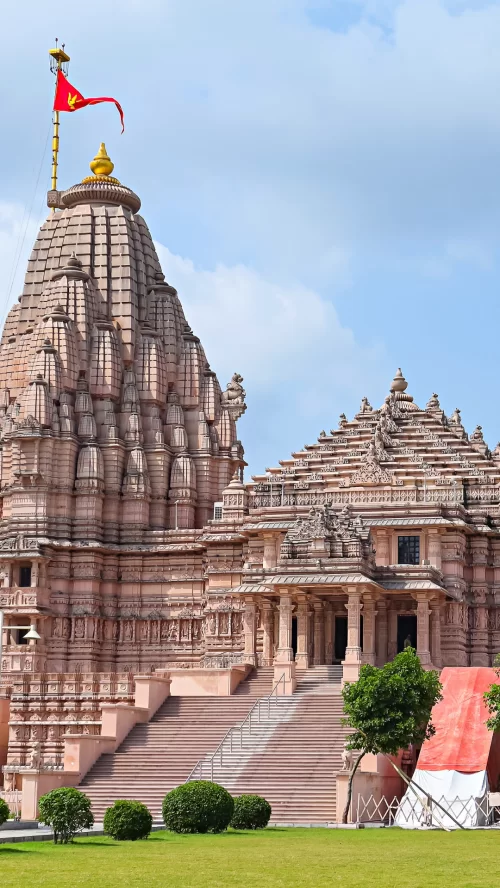
The temple’s sculptural exterior and prominent flag contribute to its recognisable appearance. Traditional accounts of its origins should be presented as devotional belief rather than a precise date for every surviving structure.

  • Read a little about the temple before arrival.
  • Keep ritual participation optional.
  • Follow temple staff and volunteers.

Darshan Timings, Daily Aartis and Ritual Breaks

The Ministry of Tourism’s temple listing gives broad darshan windows of 6:30 am–1:00 pm and 5:00 pm–9:30 pm. These do not mean uninterrupted sanctum access throughout each window.

Confirm the particular session

Worship includes stages such as Mangala, Shringar, Rajbhog, Sandhya and Shayan. Ritual preparations and offerings can interrupt viewing.

Published detailed timetables differ, so confirm a specific aarti directly through the temple’s current official channel or local administration.

  • Arrive before the session you want.
  • Allow time for security and queues.
  • Check festival changes.
  • Avoid fixing onward travel immediately after an expected darshan time.

Entry Gates, Darshan Queues and Visitor Arrangements

Follow the active queue arrangement rather than relying on an old description of a particular gate’s entry or exit role.

Prepare for the approach

Swarga Dwar and Moksha Dwar are associated with the temple complex, but crowd management can influence movement. The approach from the Gomti side includes substantial steps.

Visitors who find stairs difficult should ask about the most suitable route before joining a queue.

  • Choose a meeting point outside the queue.
  • Keep children with an adult.
  • Do not leave one queue to follow an unofficial shortcut.
  • Ask authorised staff about assistance.
  • Keep essential belongings organised.

Dress, Security Checks, Photography and Belongings Rules

Choose modest clothing and prepare for security before reaching the busiest approach lanes.

Travel light

Do not plan on using a phone or camera inside the shrine. Confirm the current prohibited-items list and storage arrangements before leaving your hotel.

Detailed online dress claims are inconsistent. Follow current official instructions rather than assuming every rule described for another Krishna temple applies here.

  • Remove footwear where directed.
  • Keep valuables at your accommodation where practical.
  • Retain storage receipts.
  • Do not photograph restricted interiors or worshippers without permission.
  • Ask staff about medicines or essential assistance items.

How to Reach Dwarkadhish Temple in Dwarka

Reach Dwarka by rail or road, or use an onward road transfer from a suitable airport. The last section to the temple can involve pedestrian streets.

Check the actual hotel approach

Ask your accommodation where vehicles can stop and how luggage is handled. A nearby hotel can still require steps or walking through crowded lanes.

  • Verify Dwarka station code DWK.
  • Arrange late transfers beforehand.
  • Confirm the final drop-off point.
  • Store large bags before darshan.
  • Allow extra time during festivals.

For airport arrivals, compare operating flights and the complete transfer rather than choosing only by geographic proximity.

Best Time to Visit: Weather, Janmashtami and Pilgrimage Crowds

Cooler months generally make queues and local walking more comfortable. Summer and monsoon visits require adjustments for heat, rain and wet surfaces.

Festival visits need more time

Janmashtami provides a significant devotional setting, but also changes crowd levels, transport access and accommodation demand.

Choose a festival visit deliberately rather than expecting the same pace as an ordinary weekday.

  • Book accommodation early.
  • Confirm the current festival programme.
  • Keep additional sightseeing optional.
  • Ask about traffic restrictions.
  • Carry suitable clothing for the season.

Planning Your Stay: Accommodation, Food and Time Needed

Two nights suit many first visits because they allow central darshan and a separate outlying pilgrimage circuit.

Choose convenience carefully

Stay near a suitable temple approach for repeat visits, or prioritise easier vehicle access when travelling with seniors.

Simple meals and regional vegetarian options are widely associated with pilgrimage stays, but confirm your hotel’s meal availability and dietary arrangements.

  • Check lifts and steps.
  • Allow rest after arrival.
  • Keep a second darshan session optional.
  • Confirm breakfast before an early excursion.
  • Do not use an unrealistically short visit estimate for a festival queue.

Nearby Sacred Sites: Gomti Ghat, Rukmini Temple and Bet Dwarka

Nearby sites provide a wider understanding of Dwarka’s pilgrimage traditions, but they do not all belong to one short walking circuit.

Separate town and road outings

Gomti Ghat can combine with the main temple when steps and conditions permit. Rukmini Devi Temple is a separate road stop.

Bet Dwarka requires a longer excursion towards Okha. Sudarshan Setu provides a road link to the island, but last-mile temple access still takes time.

  • Check each shrine’s visiting session.
  • Do not assume Sudama Setu is open without confirmation.
  • Keep water-edge safety separate from religious participation.
  • Allow queues and meal breaks.

Frequently Asked Questions About Dwarkadhish Temple Guide – Darshan, Timings and Travel Tips

Dwarkadhish Temple, also called Jagat Mandir, is dedicated to Krishna as ruler of Dwarka and remains an active pilgrimage destination. Its sanctum, surrounding shrines, rituals and distinctive exterior deserve time beyond a quick photograph. Treat traditional origin accounts as devotional belief rather than precise construction dates for every surviving part.
No. Preparation, offerings and ritual stages can interrupt sanctum viewing within the wider visitor windows. Confirm a specific aarti through the temple’s current channel or local administration, as detailed published timetables differ. Arrive with time for security and queues and avoid placing an inflexible onward journey immediately after an expected darshan finish.
Follow the current queue arrangement rather than an older gate description. Swarga Dwar and Moksha Dwar are associated with the complex, but crowd management affects movement. The Gomti-side approach involves substantial steps, so ask authorised staff about the most suitable route before joining a queue if stairs are difficult.
Dress modestly and confirm current official clothing, prohibited-item and storage instructions before leaving the hotel. Do not plan to use phones or cameras inside the shrine. Store valuables where practical, retain deposit receipts and ask staff about medicines or necessary assistance items instead of assuming rules copied from another Krishna temple apply identically.
Dwarka is reached by rail or road, with station code DWK, or by onward transfer from a suitable airport. Confirm the hotel’s vehicle approach and final walk through pilgrimage streets. Store large luggage before darshan, arrange late pickups ahead and allow extra time for pedestrian controls and festival crowds.
Cooler months generally make walking and queues more comfortable. Janmashtami offers a major devotional experience but changes accommodation demand, transport access and crowd levels. Confirm the current programme and restrictions, book suitable rooms early and keep other sightseeing optional rather than expecting the same pace as an ordinary weekday.
Two nights suits many first visits, allowing central darshan and a separate outlying pilgrimage circuit without rushing arrival and departure. Choose a practical temple approach or easier vehicle access according to your group. Confirm meals, breakfast, steps and lifts, keep repeat darshan optional and allow recovery after a demanding journey.
Gomti Ghat can fit a town visit when steps and conditions permit, while Rukmini Devi Temple is a separate road stop. Bet Dwarka requires a longer excursion towards Okha. Check each shrine’s sessions and allow meal and queue breaks rather than treating all these sites as one short walking circuit.
The road link improves island connectivity, but last-mile access and temple visits still require time. Confirm the current route, transfer arrangements and shrine session before travelling. Keep Bet Dwarka as a substantial outlying excursion rather than assuming the bridge makes it a brief stop immediately beside Dwarkadhish Temple.
Ask about current assistance, the least demanding approach, remaining steps and actual hotel-to-queue walking. Choose a clear meeting point and keep children with an adult. Do not follow unofficial shortcuts or assume a nearby room removes crowd demands; arrange rest, belongings storage and flexible meal times around the intended session.

Explore Gujarat Tour Packages

Explore All Packages

Latest Travel Blogs

View all Blogs →

Loved this place ? Let’s Plan Your Gujarat Trip

Get customized Gujarat tour planning designed around seasonal climate conditions, long-distance road travel flow, festival timing, and realistic pacing across regions. Whether you are visiting for heritage sites, desert experiences, coastal retreats, wild

⚡ Quick Response | 💰 Free consultation | 🕒 24×7 expert support

×

Plan Your Trip