



Best Street Food in Chandni Chowk – What and Where to Eat
Discover Chandni Chowk's famous street food, from traditional parathas and chaat to sweets and savoury snacks, with guidance on food lanes, local specialities and hygiene.
+91 9910402252
admin@chalbanjare.com


Plan your first Delhi visit with an overview of ten popular attractions, including historic landmarks, cultural sites, temples, markets, and practical sightseeing tips.
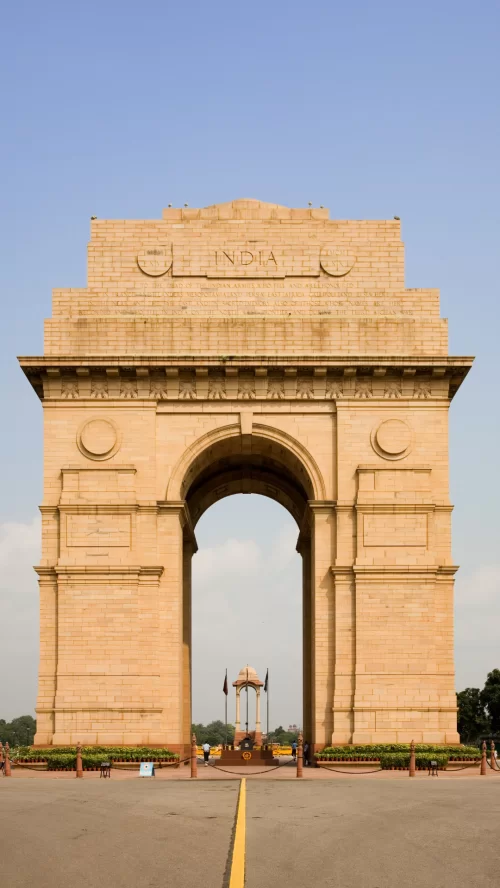
India Gate is one of Delhi's most recognisable landmarks, located along Kartavya Path in the heart of New Delhi. This imposing sandstone war memorial honours soldiers of the British Indian Army who lost their lives during the First World War and related campaigns. Its grand architecture and historical significance make it a popular attraction for tourists and local visitors.
Designed by architect Sir Edwin Lutyens, India Gate stands approximately 42 metres tall and features an impressive arch with the names of thousands of fallen soldiers inscribed on its surface. The surrounding landscaped lawns and broad pathways create an open setting for walking, photography and spending time outdoors.
Visitors can also see the National War Memorial nearby, which honours Indian soldiers who sacrificed their lives in service to the country after independence. Exploring both memorials offers a deeper understanding of India's military history and the significance of this area.
Evening is a popular time to visit India Gate, when the illuminated monument creates an attractive setting for photography and leisurely walks. Early mornings are another good option for travellers who prefer fewer crowds and cooler weather.
India Gate is easily accessible by road and can be combined with nearby attractions such as Kartavya Path and Rashtrapati Bhavan's surrounding area. The outdoor memorial is generally free to visit, although security arrangements and access to particular sections may change during official events or public celebrations.
Red Fort, also known as Lal Qila, is one of Delhi's most significant Mughal monuments. Located in Old Delhi, this UNESCO World Heritage Site was built during the reign of Emperor Shah Jahan in the 17th century. Its massive red sandstone walls, impressive gateways and historic structures reflect the architecture and royal traditions of the Mughal Empire.
The fort served as the main residence of Mughal emperors for generations. Visitors can explore important structures such as Diwan-i-Aam, Diwan-i-Khas, Rang Mahal and the Lahori Gate. These buildings offer a glimpse into the administrative, ceremonial and private spaces of the former imperial complex.
Red Fort also holds an important place in modern Indian history. Every year on Independence Day, the Prime Minister of India addresses the nation from its ramparts, making the monument a symbol of the country's independence and national identity.
Exploring the fort involves walking through spacious courtyards, historic buildings and open areas. Visitors interested in Mughal history and architecture should allow enough time to appreciate the different sections rather than rushing through the complex.
October to March is generally a comfortable period to visit Red Fort, especially during the morning hours. The monument is close to Chandni Chowk and Jama Masjid, making it convenient to combine with an Old Delhi sightseeing trip. Check current entry fees, opening hours and security restrictions before visiting.
Qutub Minar is one of Delhi's most famous historical monuments and a UNESCO World Heritage Site. Located in Mehrauli, South Delhi, this towering minaret dates back to the early Delhi Sultanate period. Standing approximately 73 metres tall, it is known for its red sandstone construction, intricate carvings and distinctive architectural design.
Construction of Qutub Minar began under Qutb-ud-din Aibak in the late 12th century and continued under his successors. The minaret features five storeys, projecting balconies and decorative inscriptions that reflect the architectural styles of its period.
The surrounding Qutub Complex contains several important historical structures, including the Quwwat-ul-Islam Mosque, the Iron Pillar, Alai Darwaza and the unfinished Alai Minar. Exploring these monuments helps visitors understand the development of early Sultanate architecture in Delhi.
Qutub Minar is particularly appealing to history enthusiasts, architecture lovers and photographers. The detailed stonework, historic ruins and landscaped grounds provide plenty to explore, although visitors cannot climb inside the minaret.
October to March is generally a comfortable time to visit Qutub Minar, especially during the morning or late afternoon. The complex has open walking areas, so comfortable footwear and drinking water are useful. Check current entry fees, opening hours and visitor restrictions before planning your trip.
Humayun’s Tomb is one of Delhi’s most important Mughal monuments and a UNESCO World Heritage Site. Located in Nizamuddin East, this 16th-century mausoleum was commissioned by Emperor Humayun’s widow, Bega Begum. Its grand architecture, symmetrical layout and landscaped gardens make it a major attraction for visitors interested in history and heritage.
The monument is an early example of a grand Mughal garden tomb in India. Built using red sandstone with white marble details, it features a large central dome, arched entrances and carefully planned geometric designs. Its architectural style later influenced several Mughal buildings, including the Taj Mahal.
One of the main highlights is the Charbagh garden layout, where pathways and water channels divide the surrounding gardens into symmetrical sections. The complex also contains several smaller tombs and historic structures, allowing visitors to explore more than just the main mausoleum.
Humayun’s Tomb is particularly appealing to architecture enthusiasts, photographers and travellers looking for a quieter heritage experience. The spacious grounds provide opportunities to appreciate the monument from different angles, although exploring the complex involves walking and climbing some steps.
October to March is generally a comfortable time to visit Humayun’s Tomb, with early mornings and late afternoons offering pleasant conditions for outdoor sightseeing. The monument can be combined with nearby attractions such as Sunder Nursery and Nizamuddin. Check current entry fees, opening hours and visitor guidelines before travelling.
Lotus Temple is one of Delhi's most distinctive architectural landmarks, known for its flower-shaped design and peaceful atmosphere. Located in Kalkaji, South Delhi, this Bahá'í House of Worship welcomes visitors of all religions and backgrounds for silent prayer, meditation and reflection.
The temple was completed in 1986 and designed by architect Fariborz Sahba. Its structure features 27 marble-clad petals arranged in groups of three, creating the appearance of a blooming lotus. The surrounding gardens and water pools complement the building's design and make it an interesting destination for architecture enthusiasts and photographers.
Unlike many traditional religious buildings, the Lotus Temple does not contain idols or elaborate religious decorations inside its main prayer hall. Visitors are expected to maintain silence, creating a calm environment away from Delhi's busy streets.
October to March is generally a comfortable period to visit the Lotus Temple, particularly for exploring its outdoor surroundings. Morning visits can be convenient for travellers who prefer a quieter experience, although waiting times may increase during weekends and holidays.
Entry to the Lotus Temple is generally free, but visitors must follow the site's rules regarding silence, photography and access to the prayer hall. The temple can be combined with nearby attractions such as ISKCON Temple and Kalkaji Mandir. Check the current opening schedule before visiting, as the temple has designated closing days and visiting hours.
Akshardham Temple, also known as Swaminarayan Akshardham, is one of Delhi's prominent spiritual and cultural attractions. Located in East Delhi near the Yamuna River, the temple complex is known for its detailed stone carvings, traditional Indian architecture and exhibitions exploring spiritual values and cultural heritage.
Opened in 2005, the complex centres around a grand mandir dedicated to Bhagwan Swaminarayan. Its architecture features intricately carved pillars, domes, sculptures and decorative elements inspired by India's temple-building traditions. Visitors can admire the craftsmanship while exploring the spacious temple grounds.
Beyond the main mandir, Akshardham offers cultural exhibitions, presentations and a musical fountain experience, subject to their operating schedules. These attractions introduce visitors to aspects of Indian history, philosophy and spirituality, making the complex interesting for families as well as travellers exploring Delhi's cultural landmarks.
The temple maintains a peaceful religious environment, and visitors are expected to follow its dress code and security guidelines. Mobile phones, cameras and many personal belongings are not permitted inside the complex, so it is useful to check the current restrictions and available storage arrangements before arriving.
Akshardham can take several hours to explore, especially if you plan to attend the exhibitions and evening fountain show. Entry to the main temple complex is generally free, while certain attractions require separate tickets. Check current opening days, exhibition timings and visitor rules before planning your visit.
Jama Masjid is one of Delhi's most important historic mosques, located in the heart of Old Delhi near Chandni Chowk. Built during the reign of Mughal Emperor Shah Jahan in the 17th century, the mosque is known for its grand courtyard, red sandstone and white marble architecture, and prominent minarets.
The mosque features three large domes, two tall minarets and an expansive courtyard surrounded by arched structures. Its elevated position provides an impressive view of the surrounding Old Delhi neighbourhood, while the detailed stonework reflects the architectural style of the Mughal period.
Jama Masjid remains an active place of worship and holds particular significance during Friday prayers and Islamic festivals. Visitors can explore the permitted areas outside prayer times, but access may be restricted during religious activities. The atmosphere is often busier around major prayer gatherings.
The mosque's location makes it convenient to combine with a visit to Red Fort, Chandni Chowk and the traditional markets of Old Delhi. The surrounding streets are also known for their historic food shops and local eateries, making the area interesting for travellers who want to experience Delhi's cultural heritage.
Morning and late afternoon are generally comfortable times to visit Jama Masjid, particularly during the cooler months. Visitors should dress modestly, remove footwear where required and respect photography restrictions. Check current visiting arrangements and any applicable charges before travelling.
Chandni Chowk is one of Delhi's oldest and busiest markets, located in the heart of Old Delhi near the Red Fort. Established during the Mughal period, the market is known for its narrow lanes, traditional shops, historic buildings and street food. It is a popular destination for travellers who want to experience the everyday culture and commercial heritage of Old Delhi.
Shopping is one of the main attractions of Chandni Chowk. Dariba Kalan is known for jewellery, Kinari Bazaar for decorative trims and wedding accessories, and Khari Baoli for its wholesale spice market. The surrounding lanes also have shops selling fabrics, traditional clothing, footwear and household goods.
Chandni Chowk is equally famous for its food. Visitors can explore Paranthe Wali Gali, traditional sweet shops and local eateries serving popular Old Delhi dishes. The area is especially lively around lunchtime and in the evening, although food lovers should choose clean, well-maintained establishments.
The market is also close to several historic and religious landmarks, including Jama Masjid, Red Fort and Gurudwara Sis Ganj Sahib. Walking through the surrounding streets gives visitors a chance to see how traditional markets, places of worship and historic neighbourhoods exist alongside one another.
Morning and early afternoon are generally convenient times to explore Chandni Chowk, especially for shopping and walking through its narrow lanes. The market can become extremely crowded, particularly on weekends and during festivals. Wear comfortable shoes, keep valuables secure and consider using the Delhi Metro to avoid traffic and parking difficulties. Individual shops may have different weekly closing days, so check ahead if you plan to visit a particular market.


Get customized Delhi tour planning designed around traffic flow, seasonal weather comfort, heritage site exploration time, and realistic city pacing. Whether you are visiting for historical monuments, cultural experiences, food walks, shopping districts,
⚡ Quick Response | 💰 Free consultation | 🕒 24×7 expert support

