
Best Street Food in Chandni Chowk – What and Where to Eat
Discover Chandni Chowk's famous street food, from traditional parathas and chaat to sweets and savoury snacks, with guidance on food lanes, local specialities and hygiene.
+91 9910402252
admin@chalbanjare.com


Compare Delhi and Jaipur for a short trip, including major attractions, sightseeing experiences, travel costs, transport options and ideal durations to choose the right destination.
Delhi and Jaipur are both excellent destinations for short holidays, but they offer different sightseeing experiences. Delhi is a large metropolitan city combining centuries of history with modern shopping, restaurants, museums and cultural attractions. Jaipur is the capital of Rajasthan and is particularly known for its Rajput royal heritage, colourful markets, historic palaces and impressive forts.
For travellers planning a short trip, the most important differences are the type of attractions, distances between sightseeing places, accommodation options, local transport and the time required to explore each destination.
Delhi is suitable for travellers who want a combination of historical sightseeing, food, shopping and modern city experiences. Visitors can explore Mughal monuments, religious landmarks, museums, traditional markets and contemporary commercial districts.
Delhi is also a practical option for travellers arriving through its major airport or railway stations, particularly when they have limited time and do not want an additional intercity journey.
Jaipur is suitable for travellers who want to explore royal palaces, hilltop forts and traditional Rajasthani markets. The city's historic architecture and distinctive pink-coloured buildings create a different atmosphere from Delhi.
Jaipur is especially attractive for couples, heritage enthusiasts, photographers and families interested in forts, palaces and regional culture.
Jaipur's major old-city landmarks, including City Palace, Jantar Mantar and Hawa Mahal, are relatively close to one another. However, Amber Fort, Jaigarh Fort and Nahargarh Fort require additional travel outside the central market area.
Delhi's attractions are spread across Old Delhi, Central Delhi and South Delhi. Although the metro helps with transport, covering multiple sightseeing districts can require more time.
For a two-day heritage-focused trip, Jaipur offers a convenient combination of old-city attractions and forts. Delhi is more suitable for travellers who want different types of activities within the same holiday.
Both destinations are suitable for a weekend holiday when travellers arrive before sightseeing begins or can use most of the available two days.
Visitors travelling from Delhi to Jaipur should account for the intercity journey. A two-day weekend that includes travel in both directions provides less sightseeing time than two full days already spent in Jaipur.
Yes. Delhi and Jaipur are connected by road, rail and air. Travellers can combine the destinations in a longer North India itinerary.
However, a combined two-day trip is likely to feel rushed. Three to four days allow a better balance between travel and sightseeing, while four to five days are preferable for a more comfortable visit to both cities.
Comparison recommendation: Choose Delhi if you want a short city holiday with diverse attractions, food and shopping. Choose Jaipur if your main interests are royal forts, palaces, traditional markets and Rajasthani heritage. Both destinations are worthwhile, but Jaipur often provides a more focused royal heritage experience over two days.
Delhi and Jaipur are rich in historical attractions, but their monuments represent different architectural traditions. Delhi is known for Sultanate, Mughal and later historical landmarks, while Jaipur is particularly associated with Rajput royal architecture, hilltop forts and planned eighteenth-century urban design.
Amber Fort and Red Fort are both major historical attractions, but their architecture and historical roles differ.
Amber Fort combines defensive fortifications with elaborate palace spaces, courtyards, gateways and decorative interiors. It is located on elevated terrain outside central Jaipur.
Red Fort served as an important ceremonial and residential centre of the Mughal emperors. Its extensive walls, gateways and surviving palace structures reflect imperial Mughal architecture.
Travellers interested in Rajput royal residences may prefer Amber Fort, while those interested in Mughal imperial history may find Red Fort especially significant.
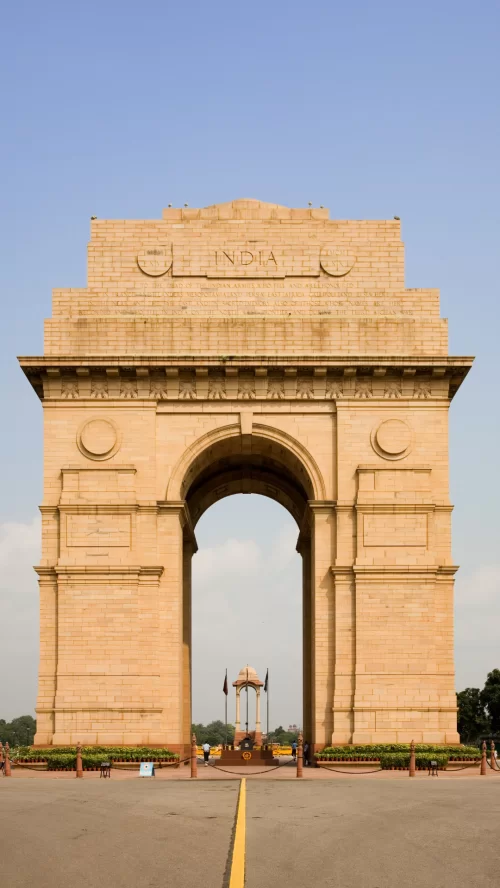
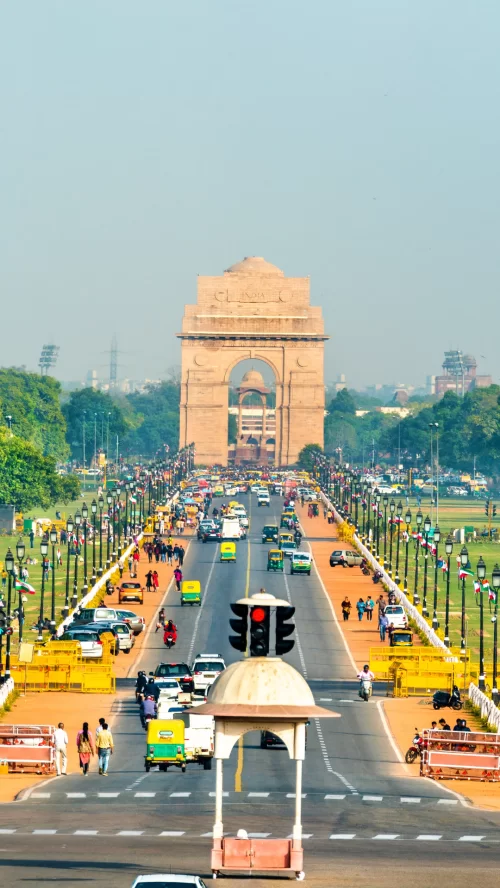
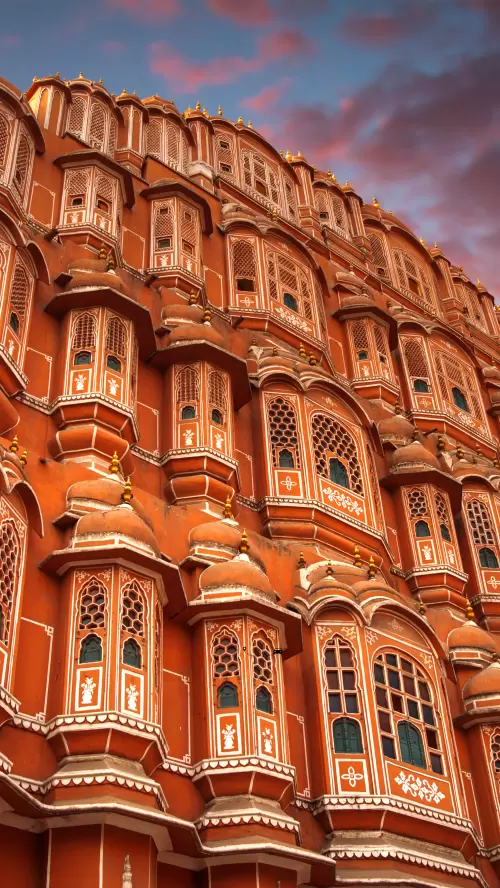
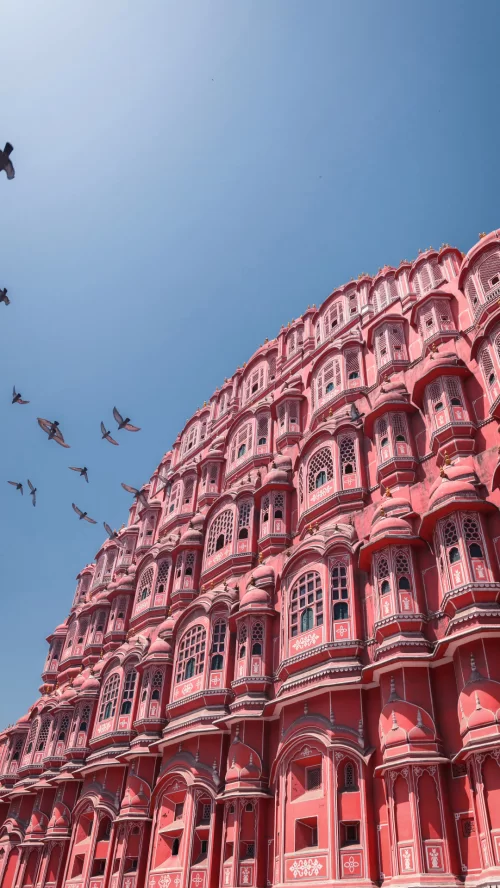
Hawa Mahal and India Gate are among the most recognisable landmarks of their respective cities, but they serve different historical purposes.
Hawa Mahal is associated with Jaipur's royal architecture and is known for its honeycomb-like facade containing numerous small windows.
India Gate is a war memorial and an important public landmark in New Delhi.
Hawa Mahal is particularly suitable for architectural photography, while India Gate is popular for memorial visits and evening sightseeing.
Delhi contains three major UNESCO World Heritage properties: Red Fort Complex, Qutb Complex and Humayun's Tomb.
Jaipur is associated with UNESCO-recognised heritage including Jantar Mantar, Jaipur City and Amber Fort as part of the Hill Forts of Rajasthan serial property.
Both destinations are important for heritage tourism, but Jaipur's recognised sites particularly highlight Rajasthan's royal and urban architectural traditions.
Jaipur is generally the stronger choice for travellers specifically interested in exploring multiple forts and royal palaces. Amber Fort, Jaigarh Fort, Nahargarh Fort and City Palace provide different examples of Rajasthan's royal heritage.
Delhi offers more variety across historical periods, with Mughal forts, Sultanate monuments, garden tombs and colonial-era landmarks.
Delhi offers a wider selection of museums, religious sites, gardens, memorials, historical monuments and modern attractions.
Jaipur offers a more concentrated experience of royal architecture, traditional markets, craft traditions and Rajasthani culture.
Sightseeing recommendation: Jaipur is a strong choice for a short trip focused on forts and palaces. Delhi is better suited to travellers seeking a broader mix of historical monuments and cultural attractions. Check current monument opening hours and ticket arrangements before visiting.
Delhi and Jaipur offer different experiences beyond sightseeing. Delhi is known for its varied street food, busy commercial districts, museums, cafés and traditional markets. Jaipur offers distinctive Rajasthani cuisine, jewellery shopping, block-printed textiles, handicrafts and cultural activities associated with Rajasthan's royal heritage.
Delhi's food culture includes North Indian, Mughlai, Punjabi and numerous regional Indian cuisines. Visitors can explore traditional food streets or dine in modern restaurants.
Jaipur is particularly known for traditional Rajasthani cuisine, including dishes influenced by the region's climate, ingredients and culinary traditions.
Delhi has traditional bazaars, affordable fashion markets, specialist wholesale districts and modern shopping centres.
Jaipur is especially attractive for travellers interested in traditional craftsmanship, jewellery, fabrics and decorative products.
When purchasing expensive jewellery or gemstones, request appropriate invoices and independent certification where applicable.
Delhi offers photographic variety through Mughal monuments, busy markets, gardens and contemporary city architecture.
Jaipur is particularly appealing for architectural photography, with the facades of Hawa Mahal, courtyards of Amber Fort and colourful streets of the old city.
Photography permissions and charges may apply at certain monuments, museums and private venues.
Delhi is generally better for travellers who want diverse food choices and a broad range of shopping experiences. Jaipur is especially suitable for visitors interested in Rajasthani cuisine, traditional textiles, jewellery and handicrafts.
Experience recommendation: Choose Delhi for food variety, modern entertainment and different shopping districts. Choose Jaipur for traditional Rajasthani cuisine, craft shopping and royal cultural experiences.
The cost of a short trip to Delhi or Jaipur depends on the number of hotel nights, accommodation category, transport arrangements, monument tickets and food preferences. Both cities offer economical and luxury options. However, the final budget can differ considerably depending on where the journey begins and which attractions are included.
The following prices are broad planning estimates in Indian rupees rather than live quotations. Accommodation estimates refer to a room for two adults unless otherwise stated. Intercity travel and shopping are excluded from the basic sightseeing budgets.
Hotel prices vary by neighbourhood. Connaught Place, Chanakyapuri and Aerocity generally have more premium options, while Karol Bagh and selected other areas offer economical accommodation.
Jaipur offers conventional hotels, boutique accommodation and heritage-style properties. Not every hotel advertised as a heritage property is located inside an actual historic palace, so check the property's details carefully.
Prices depend on the establishment, portion size, cuisine and order. Premium restaurants and hotel dining can cost considerably more.
Delhi's extensive metro network can help reduce sightseeing transport costs. Budget travellers may allow approximately ₹100–₹300 per person per day for metro journeys and selected short transfers.
Private cabs are more convenient for some groups but generally cost more. Check the included hours, kilometres, parking and other charges when booking a sightseeing vehicle.
Jaipur's major attractions are spread between the old city and the surrounding hills. A combination of metro, auto-rickshaws and local taxis can be used, although the metro does not directly serve every fort or palace.
Allow approximately ₹200–₹600 per person per day for economical local transport, depending on the route and shared travel arrangements. Private vehicles and multiple fort visits may increase the cost.
Delhi has both paid monuments and free public attractions.
Major Jaipur attractions have separate ticket arrangements. Indian and foreign visitor prices may differ, and some sites offer student concessions or composite tickets.
Budget separately for monument tickets. Current prices should be confirmed before travelling because admission fees and composite ticket arrangements may change.
Jaipur's cost can be higher when several ticketed monuments and additional transport to hilltop forts are included.
These estimates assume economical meals and transport. They exclude travel to the destination, shopping, premium activities and private guided services.
Neither city is consistently cheaper for every traveller. Delhi can be economical because of metro connectivity and free attractions. Jaipur offers affordable accommodation and food, but visiting multiple forts may increase transport and entry expenses.
Travellers already staying in Delhi may find a Delhi sightseeing trip cheaper than travelling to Jaipur because there is no additional intercity journey.
Budget recommendation: Compare the complete trip cost, including intercity transport, hotel nights, sightseeing tickets and local transfers. A conveniently located hotel and a well-planned sightseeing route can reduce expenses in either city.
Delhi and Jaipur are connected by road, rail and air, making both destinations accessible for short holidays. Delhi is one of India's largest transport hubs, while Jaipur has established railway, road and airport connections. The best travel option depends on your starting city, budget, luggage and available sightseeing time.
Indira Gandhi International Airport provides extensive domestic and international flight connections. Travellers can reach hotels and tourist areas using airport transport, taxis and suitable metro services.
Delhi is particularly convenient for visitors arriving from international destinations or travelling between different regions of India.
Delhi has several important railway stations, including New Delhi, Old Delhi, Hazrat Nizamuddin, Anand Vihar Terminal and Delhi Sarai Rohilla.
Check the exact arrival station before booking accommodation or local transport, as the terminals are located in different parts of the city.
Jaipur International Airport serves domestic and selected international routes. Travellers can use taxis and other available airport transport services to reach hotels and sightseeing areas.
Flight availability and schedules depend on the route and travel date.
Jaipur Junction is a major railway station connected with Delhi and other important Indian cities. Gandhinagar Jaipur and Durgapura also serve selected trains.
Rail travel is a practical option for visitors who prefer not to drive between Delhi and Jaipur.
Delhi and Jaipur are approximately 270–300 kilometres apart by road, depending on the starting point and route.
The journey commonly takes around five to six hours, although traffic, route choice, weather and stops can significantly change the travel time.
Travellers should allow additional time when departing from congested parts of Delhi or travelling during holidays.
Several trains connect the Delhi region with Jaipur, including express and premium services.
Journey times vary by train and departure station. Faster services may take approximately four hours, while other trains can take five hours or longer.
Confirm the current train timetable, operating days, departure station and ticket availability before booking.
Government and private bus operators provide services between Delhi and Jaipur. Travellers can choose from different seating and comfort categories, depending on availability.
Bus journeys commonly require approximately five to seven hours, although actual timings depend on the route and road conditions.
Confirm the boarding and drop-off points because they may be located away from your hotel.
A private cab is convenient for families, groups and travellers carrying luggage. It provides door-to-door travel and flexibility for rest stops.
Before booking, confirm whether the quotation includes tolls, parking, driver allowance, state taxes and waiting charges.
Delhi has an extensive metro network, public buses, auto-rickshaws, app-based cabs and private sightseeing vehicles.
Metro travel is particularly useful for reaching many attractions without depending entirely on road transport. Some monuments still require a short walk or local transfer.
Jaipur has metro services, city buses, auto-rickshaws, e-rickshaws and taxis.
The metro serves selected urban corridors but does not directly connect all major tourist attractions. Amber Fort, Jaigarh Fort and Nahargarh Fort generally require road transport.
A private sightseeing cab can be convenient for travellers planning several fort visits in one day.
A same-day Jaipur trip from Delhi is possible, but it can be tiring. Road travel in both directions may consume ten to twelve hours or more, leaving limited time for sightseeing.
A carefully selected train itinerary may provide a more practical day trip, but visitors should still limit the number of attractions.
For a relaxed experience, staying at least one night in Jaipur is preferable.
Transport recommendation: If Jaipur is your chosen destination, plan the intercity journey before finalising sightseeing. Arriving the previous evening or staying overnight generally provides a more comfortable short trip than attempting a rushed same-day return from Delhi.
Delhi and Jaipur experience hot summers, monsoon rainfall and cooler winters. Both destinations have numerous outdoor attractions, so weather conditions can significantly affect sightseeing comfort. Jaipur's forts and palace courtyards involve considerable walking, while Delhi offers more indoor alternatives during extreme weather.
October to March is generally the main sightseeing season for Delhi and Jaipur because temperatures are usually lower than during peak summer.
However, conditions vary across these months. October and March can be warm during the afternoon, while December and January bring colder mornings and evenings.
Air quality can deteriorate in both cities during parts of autumn and winter, particularly in Delhi.
Delhi experiences cool to cold winter weather, especially in December and January. Morning fog may affect visibility and transport services.
Winter can be comfortable for visiting monuments and markets, but visitors should carry warm clothing and monitor air quality before spending long periods outdoors.
Winter is a popular period for exploring Jaipur's forts, palaces and markets. Daytime weather is often suitable for walking, while mornings and evenings can be cold.
Visitors planning early morning fort sightseeing should carry suitable layers, especially during December and January.
Both cities experience intense summer heat, with daytime temperatures sometimes exceeding 40°C during heatwaves.
Jaipur's exposed fort complexes and courtyards can become particularly uncomfortable during hot afternoons. Delhi also experiences severe heat, but visitors can include museums, indoor attractions and shopping centres in their itinerary.
Monsoon rainfall brings humidity and occasional travel disruptions to both cities. Delhi may experience waterlogging and traffic delays, while rain can make Jaipur's fort pathways and steps slippery.
Jaipur's surrounding hills may appear greener after rainfall, but sightseeing should remain flexible during thunderstorms and heavy showers.
February, early March and parts of October and November often provide a practical balance of daytime comfort and sightseeing opportunities.
Actual conditions vary from year to year, so visitors should check the forecast rather than relying only on seasonal averages.
Delhi may be more flexible during extreme heat because it offers numerous indoor museums, restaurants and shopping centres.
Jaipur remains visitable with careful planning, but travellers interested primarily in Amber Fort, Jaigarh Fort and other outdoor attractions may prefer a cooler season.
Both destinations are popular in winter. Jaipur can be particularly enjoyable for fort and palace sightseeing during comfortable daytime conditions.
Delhi also offers pleasant winter sightseeing opportunities, although fog and poor air quality can affect outdoor plans.
Weather recommendation: February to early March is often a comfortable period for visiting both Delhi and Jaipur. For a short Jaipur fort-focused holiday, avoid scheduling extensive outdoor sightseeing during peak summer afternoons.
Delhi and Jaipur can both be explored in one, two or three days, but the experience depends on how much time is available for sightseeing. A one-day itinerary should focus on a few major attractions, while two or three days allow a more comfortable combination of monuments, food and shopping.
The following itineraries assume you are already in the destination city at the start of sightseeing. If travelling from Delhi to Jaipur or another distant location on the same day, reduce the number of planned attractions.
A one-day Delhi itinerary can combine Old Delhi heritage with selected Central Delhi landmarks.
This route is suitable for first-time visitors interested in historical monuments and local food. Red Fort is normally closed on Mondays, so the itinerary should be adjusted accordingly.
A one-day Jaipur itinerary is best focused on Amber Fort and the main Pink City attractions.
This is a full sightseeing day. Travellers who want a detailed visit to every monument should remove one or two stops.
Two days provide a better introduction to Delhi's historical and cultural attractions.
Lotus Temple normally remains closed on Mondays. Check current entry arrangements and travel distances before finalising the second day's route.
Two days are suitable for exploring Jaipur's major forts, palaces and traditional markets.
Travellers who prefer a relaxed itinerary can skip Jaigarh Fort or limit shopping time. Additional road travel is required for hilltop forts.
Three days allow visitors to explore Delhi at a more comfortable pace and include attractions beyond the main monuments.
Families can replace some historical monuments with museums, gardens or child-friendly activities according to their interests.
Three days provide enough time for Jaipur's major heritage attractions, shopping and additional cultural experiences.
Travellers should check museum and monument schedules before arranging a fixed itinerary. Evening activities and cultural performances may require separate reservations.
For travellers starting in Delhi, a Jaipur weekend trip can be planned with an early departure or a journey on the previous evening.
This itinerary requires careful transport planning. Travelling to Jaipur the previous evening provides more sightseeing time and reduces the risk of a rushed schedule.
A three-day trip from Delhi provides a more comfortable Jaipur experience.
Visitors should avoid adding too many attractions to the second day, particularly during summer or when travelling with children and senior citizens.
Itinerary recommendation: Two full days are a practical minimum for a satisfying visit to either city. For travellers going from Delhi to Jaipur, a two-night or three-day trip is generally more comfortable than a same-day return.
Delhi and Jaipur are both suitable for couples, families, solo travellers and first-time visitors. The better destination depends on travel interests, available time, comfort requirements and the kind of experiences you want. Delhi provides more variety in activities, while Jaipur offers a distinctive royal heritage atmosphere.
Jaipur is particularly attractive for couples interested in royal architecture, heritage-style accommodation, traditional markets and scenic fort viewpoints. Amber Fort, City Palace and the Pink City streets provide memorable sightseeing experiences.
Delhi offers a different kind of couples' holiday, with historical landmarks, cafés, gardens, restaurants, shopping and cultural attractions.
Delhi is generally more versatile for families because it offers historical attractions alongside museums, gardens and indoor activities.
Jaipur is suitable for families interested in forts, palaces and traditional culture. Children may enjoy exploring the architecture and learning about Rajasthan's royal history.
However, Jaipur's hilltop forts involve walking, steps and outdoor exposure, which may be tiring for younger children during hot weather.
Delhi is a practical starting point for first-time visitors because of its extensive flight and railway connections. It introduces travellers to several aspects of Indian history, religion, cuisine and contemporary urban life.
Jaipur is an excellent introduction to Rajasthan's royal architecture, traditional markets and regional culture.
Visitors who have enough time can combine both destinations to experience contrasting aspects of North India.
Both cities can be suitable for senior citizens with careful planning.
Delhi offers more opportunities to alternate outdoor sightseeing with museums and comfortable indoor activities. Its metro network can also be useful, although station walking distances and transfers should be considered.
Jaipur's forts and palaces may involve stairs, slopes and uneven surfaces. Travellers with limited mobility should check accessibility arrangements and select attractions accordingly.
A private sightseeing vehicle may provide greater convenience for groups requiring frequent rest breaks.
Delhi can be economical because of its metro network, affordable accommodation districts and free public attractions.
Jaipur also offers budget hotels and inexpensive local food, but visiting several paid monuments and hilltop forts may increase expenses.
The overall cost depends on the starting location. Travellers already in Delhi may save money by sightseeing locally rather than paying for a return journey to Jaipur.
Delhi is particularly interesting for travellers who want to explore different historical periods, including the Delhi Sultanate, Mughal Empire and later developments.
Jaipur is more focused on the history of Rajasthan's royal dynasties, palace architecture and defensive forts.
Both destinations have important UNESCO-recognised heritage attractions and provide different historical perspectives.
Delhi offers a wider variety of shopping categories, from affordable clothing markets to luxury retail centres.
Jaipur is especially suitable for traditional jewellery, gemstones, block-printed textiles, lac bangles and handicrafts.
Visitors interested in expensive jewellery or gemstones should purchase from reputable businesses and verify product certification.
Delhi is generally the stronger choice for travellers seeking diverse regional cuisines, traditional street food and international restaurants.
Jaipur is particularly attractive for visitors who want to experience Rajasthani dishes such as dal baati churma, gatte ki sabzi, pyaaz kachori and traditional sweets.
If you are already in Delhi, spending one day sightseeing locally is usually more practical than travelling to Jaipur and returning on the same day.
If you are already in Jaipur, one full day can cover Amber Fort and selected Pink City landmarks.
For travellers starting elsewhere, the best choice depends on the actual travel time to each destination.
Jaipur is a strong choice for a heritage-focused weekend, especially when travellers can arrive the previous evening. Its forts, palaces and traditional markets provide a distinctive two-day experience.
Delhi is preferable for visitors who want greater flexibility between monuments, museums, shopping and dining.
Final recommendation: Jaipur is often the better choice for a short holiday focused on forts, royal palaces, traditional markets and Rajasthani culture, particularly when you have two full days for sightseeing. Delhi is better for travellers who want a wider variety of monuments, museums, food, shopping and modern city experiences. If your trip starts in Delhi and you have only one day, local sightseeing is generally more practical. With two or three days available and suitable travel arrangements, Jaipur can provide a memorable short heritage getaway.


Get customized Delhi tour planning designed around traffic flow, seasonal weather comfort, heritage site exploration time, and realistic city pacing. Whether you are visiting for historical monuments, cultural experiences, food walks, shopping districts,
⚡ Quick Response | 💰 Free consultation | 🕒 24×7 expert support

