



Best Street Food in Chandni Chowk – What and Where to Eat
Discover Chandni Chowk's famous street food, from traditional parathas and chaat to sweets and savoury snacks, with guidance on food lanes, local specialities and hygiene.
+91 9910402252
admin@chalbanjare.com


Estimate your Delhi travel budget for one, two or three days by understanding accommodation, food, transport, sightseeing expenses and practical ways to manage costs.
The cost of a Delhi trip depends mainly on accommodation, food, local transport and sightseeing activities. Travellers using the Delhi Metro, economical restaurants and budget hotels can explore the capital at a relatively affordable cost. Visitors choosing premium accommodation, private sightseeing vehicles and fine dining will need a considerably higher budget.
For practical planning, a budget-conscious domestic traveller may spend approximately ₹1,500 to ₹3,000 per person per day, including a share of basic accommodation. A mid-range traveller may spend around ₹3,000 to ₹6,000, while a luxury trip can exceed ₹8,000 to ₹15,000 per person per day depending on hotel standards and private services.
These figures are indicative planning estimates, not fixed package prices. They assume two adults sharing a room when accommodation is included. Actual costs vary with travel dates, availability and personal preferences.
These ranges include typical local sightseeing, food and selected paid attractions. The two-day and three-day estimates also include a share of economical double-occupancy accommodation. They exclude travel to Delhi, major shopping and premium activities.
Budget travellers can reduce expenses by staying in economical hotels or hostels, using metro services and eating at established local restaurants.
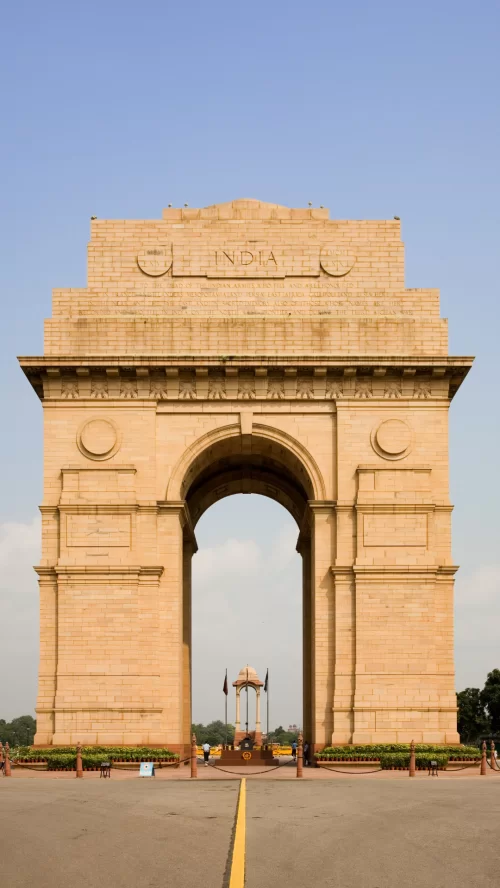
Popular economical sightseeing choices include India Gate, Gurudwara Bangla Sahib, Chandni Chowk and selected historical monuments.
Mid-range travel provides greater comfort through better accommodation, restaurant meals and occasional cab transfers.
This category is suitable for couples and families who want comfortable facilities without choosing premium services throughout the trip.
Luxury travel generally involves premium hotels, private transport, higher-end restaurants and optional guided experiences.
Luxury hotel rates and private arrangements can vary considerably, so there is no reliable fixed upper limit.
Budget planning advice: Decide whether your trip includes an overnight stay before comparing estimates. A one-day sightseeing trip without accommodation costs significantly less than a two-day or three-day holiday that requires hotel bookings.
A Delhi one day trip is suitable for travellers who want to explore selected tourist attractions without staying overnight. The main expenses are local transport, meals and entry tickets. A visitor using the metro and choosing a few paid monuments can usually manage the day more economically than someone booking a private sightseeing cab.
A practical budget for economical one-day sightseeing is approximately ₹700–₹1,500 per person. Visitors choosing restaurant meals, several cab transfers or more paid attractions may spend ₹1,500–₹3,000 or more.
A geographically organised route helps reduce local transport expenses.
This route combines paid and free attractions. Travellers can reduce the total further by exploring only the public landmarks and market streets, although they would miss the interior of paid monuments.
Delhi Metro fares depend on the distance travelled. The regular network's published fare structure starts at ₹11 and reaches ₹64 for longer journeys, with different arrangements for Sundays and national holidays.
For several sightseeing journeys, an allowance of approximately ₹100–₹250 per person can be useful, depending on the route. Additional money may be required for auto-rickshaw transfers from stations to attractions.
A private cab provides greater convenience for families and groups, but it usually costs more than metro travel.
The final amount depends on vehicle category, booking duration, distance, parking charges and additional hours. A full-day cab quotation should clearly specify the included kilometres and hours.
Travellers sharing a vehicle can divide the total expense among passengers, making private transport more practical for some groups.
One day budget recommendation: Allocate around ₹1,000–₹1,500 per person for a reasonably comfortable day using public transport and economical meals. Increase the budget if you plan to use private transport or visit several paid attractions.
A Delhi 2 days trip usually includes two full days of sightseeing and one overnight hotel stay. The total expense depends on accommodation category, transport preferences, meals and the number of paid attractions. For budget-conscious travellers, a two-day itinerary can cover Old Delhi, Central Delhi and selected South Delhi landmarks without requiring expensive private tours.
The following estimates assume two adults sharing one hotel room for one night. They exclude flights, trains, major shopping and travel to Delhi.
The combined planning range is approximately ₹2,000–₹4,400 per person. Keeping around ₹2,500–₹5,000 provides more flexibility for hotel taxes, short cab transfers and unexpected expenses.
Dividing sightseeing into nearby areas can help reduce transport expenses and make the trip more comfortable.
The main expenses are meals, local transport and Red Fort entry. Jama Masjid, Gurudwara Bangla Sahib and public market streets generally do not require a standard sightseeing admission ticket.
This day may cost more because of the distance between attractions and the entry fees for Qutub Minar and Humayun's Tomb. Visitors can reduce transport expenses by using the metro for longer journeys and short local transfers where necessary.
A mid-range two-day trip with one night in a comfortable hotel, restaurant meals and some cab transfers may cost approximately ₹5,000–₹9,000 per person when two adults share a room.
Travellers booking a private sightseeing vehicle for both days should request a complete quotation and divide the total cost by the number of passengers.
A luxury two-day trip may cost ₹12,000–₹25,000 or more per person, depending on the hotel, dining choices, vehicle category and optional guided experiences.
Luxury hotel prices can change significantly during business events, festive periods and high-demand dates.
Two-day budget recommendation: For an economical Delhi trip, choose a hotel near a metro station and plan one day around Old Delhi and Central Delhi, followed by South Delhi on the second day. This helps control expenses without reducing the main sightseeing experiences.
A Delhi 3 days trip provides enough time to explore major historical monuments, museums, religious attractions, markets and local food. The typical itinerary involves three sightseeing days and two hotel nights, although travellers arriving the previous evening may need additional accommodation.
For domestic travellers sharing a budget hotel room, approximately ₹4,000–₹8,000 per person is a useful planning range for three days, including accommodation, food, local transport and selected paid attractions. The total can increase considerably with private cabs, premium hotels or guided experiences.
The following estimates assume two adults sharing one hotel room for two nights.
These components produce an approximate range of ₹3,250–₹7,550 per person before a separate contingency. A practical overall budget of ₹4,000–₹8,000 provides some flexibility for unexpected expenses.
Begin with Red Fort, Jama Masjid and Chandni Chowk. This day can be relatively economical because the main attractions are located close together.
Budget approximately ₹600–₹1,450 per person for the day's sightseeing and meals, excluding accommodation and major shopping.
Explore Gurudwara Bangla Sahib, Connaught Place, India Gate and one museum or cultural attraction.
A budget of approximately ₹650–₹1,600 per person can cover the main daily expenses. Shopping purchases should be calculated separately.
Visit Qutub Minar, Lotus Temple and Humayun's Tomb, keeping additional gardens optional.
Budget approximately ₹750–₹1,650 per person for the day, excluding accommodation. South Delhi transfers may increase expenses if several app-based cabs are used.
These are indicative estimates, not fixed travel package prices. Luxury expenses can exceed the suggested range depending on the hotel and services selected.
Choose accommodation near a metro station and group sightseeing geographically. Explore Old Delhi on the first day, Central Delhi on the second and South Delhi on the third.
Include free public landmarks alongside paid monuments, use local restaurants for regular meals and keep shopping expenses separate from essential travel costs.
Three-day budget recommendation: For two adults sharing a room, plan around ₹8,000–₹16,000 in total for a budget-oriented three-day trip, excluding travel to Delhi and substantial shopping. Confirm hotel availability and transport costs before treating this as a final budget.
Accommodation is one of the largest expenses during a Delhi trip, particularly for visitors staying two or three days. Hotel rates depend on location, room category, season, occupancy, included meals and booking conditions. Delhi offers everything from economical hostels and guesthouses to comfortable business hotels and luxury properties.
Budget accommodation is suitable for travellers who prioritise sightseeing and want to spend less on their hotel stay.
Check recent reviews, room photographs, cleanliness, lift availability and the exact location before booking. Very low prices do not always indicate good value if the property is poorly maintained or inconveniently located.
Mid-range hotels offer a balance between affordability and comfort. They are suitable for families, couples and travellers who want more reliable facilities.
Check whether the displayed rate includes breakfast, taxes and the number of guests travelling. Room category and property quality can vary even within the same price range.
Premium accommodation is suitable for travellers seeking spacious rooms, higher service standards, restaurants and additional hotel facilities.
Rates can increase significantly during conferences, exhibitions, festivals and other high-demand periods. Additional charges may apply for breakfast, extra beds and selected hotel services.
The number of hotel nights should be calculated separately from the number of sightseeing days.
Travellers arriving the previous evening or leaving the morning after sightseeing will need additional accommodation.
Compare the total payable amount rather than only the advertised nightly rate. A hotel close to a metro station may offer better overall value than a cheaper property requiring expensive cab transfers every day.
For families and groups, compare the cost of multiple rooms with available family-room arrangements. Confirm occupancy rules before booking.
Hotel budget recommendation: Choose accommodation based on cleanliness, location, transport access and total cost. For short sightseeing trips, a conveniently located mid-range hotel may save enough travel time to justify a slightly higher room rate.
Food and local transport are important daily expenses during a Delhi trip. Both can be managed economically, but costs increase when travellers rely on private cabs, premium restaurants or repeated journeys between distant attractions. Understanding typical meal prices and transport options helps create a more accurate daily budget.
Delhi offers affordable breakfast options at local restaurants and traditional food establishments.
Popular breakfast dishes include chole bhature, parathas, poori sabzi and other North Indian preparations.
These figures are approximate. Taxes, service charges where applicable, portion sizes and individual choices can affect the final bill.
Street food is a popular way to experience Delhi's local cuisine without spending heavily on restaurants.
Choose clean establishments, freshly prepared food and safe drinking water. Food quality and prices vary considerably across neighbourhoods.
Delhi Metro is one of the most economical ways to travel between major tourist districts. The regular network's published Monday-to-Saturday fare structure is based on distance.
Sunday and national holiday fares differ on eligible services, and the Airport Express Line follows a separate fare structure. Check the current fare for your actual journey before travelling.
These are budgeting allowances rather than fixed passes or ticket prices. Actual spending depends on the route, number of journeys and applicable discounts.
Auto-rickshaws are useful for short transfers between metro stations, monuments and markets. The amount depends on the distance and applicable metered or app-booked fare.
Visitors should use the meter where applicable or confirm the price before starting when a metered journey is unavailable. Additional charges may apply under relevant fare rules.
For budgeting, short tourist-area transfers may require approximately ₹80–₹200 or more per vehicle, but this is not a guaranteed fare and should not replace the applicable meter calculation.
App-based cab fares vary with travel distance, vehicle category, traffic and demand. Prices can rise during peak hours, rain or high-demand periods.
A short city transfer may cost a few hundred rupees, while longer cross-city journeys can cost considerably more. Check the fare displayed by the booking service before confirming.
A private cab can be convenient for families, groups and senior citizens who prefer door-to-door transport.
For rough planning, a standard full-day local sightseeing cab may cost a few thousand rupees per vehicle, depending on category, hours and kilometre limits. Premium vehicles and larger passenger vehicles cost more.
Always obtain a quotation showing the total payable amount. Check whether parking, tolls, driver allowance, additional kilometres and extra hours are included.
Food and transport recommendation: Set a daily food allowance first, then estimate transport according to the actual sightseeing route. Travelling between nearby attractions and choosing established local restaurants can reduce costs without compromising the experience.
Delhi sightseeing costs depend partly on the attractions included in your itinerary. Many religious landmarks, markets and public memorials are free to explore, while protected historical monuments, museums and cultural exhibitions require tickets. Visitors should also consider additional expenses such as guided tours, special shows, parking and local transfers.
Red Fort is one of Delhi's major paid historical attractions. Standard monument admission varies according to visitor nationality and the applicable booking method.
For budget planning, Indian adult visitors can set aside approximately ₹35–₹50 for basic monument entry, subject to current ticket arrangements. Foreign visitor tickets cost considerably more.
Separate charges may apply for special exhibitions or cultural programmes. Confirm the latest official ticket category and available sections before visiting.
Published government visitor information lists the following admission rates for the Qutub complex.
Confirm current rates and eligibility before purchasing tickets. Allow approximately one to two hours for sightseeing.
Humayun's Tomb is a paid UNESCO World Heritage Site. Delhi Tourism has published an Indian visitor admission rate of approximately ₹40 and a foreign visitor rate of approximately ₹600.
Actual ticket prices can depend on the current ticketing method and visitor category. Check the latest official rates before visiting.
Jantar Mantar, Safdarjung's Tomb and Purana Qila generally require paid admission under the applicable monument ticketing arrangements.
For a budget trip, select monuments according to your interests instead of paying to enter several similar sites without enough time to explore them.
Several important Delhi landmarks can be visited without a general admission fee.
Although these places do not normally require standard entry tickets, transport, food, shopping and optional activities can still add to the trip cost.
General access to the Akshardham mandir complex is free, but exhibitions and the evening water show require separate tickets.
Ticket prices depend on the visitor's age and the selected experience. Families should calculate these additional charges before including exhibitions in their itinerary.
Akshardham normally remains closed on Mondays. Security restrictions also apply to mobile phones, cameras and various electronic items.
Delhi's museums have different ticket categories and opening schedules. Some charge modest admission fees, while special activities may require separate tickets.
These are approximate allowances for standard sightseeing, not ticket bundles. The total may be lower when visiting mainly free attractions or higher when including museums, exhibitions and special experiences.
Entry-fee planning advice: Check official prices shortly before your visit, particularly when booking for children, foreign visitors or larger groups. Keep paid monument tickets separate from optional cultural experiences so you can control the overall sightseeing budget.
Planning a budget-friendly Delhi trip requires more than choosing a cheap hotel or inexpensive restaurants. Transport routes, accommodation location, monument ticketing methods and hidden booking charges can significantly affect the total cost. A practical itinerary and a clear daily budget can help travellers avoid unnecessary expenses while enjoying Delhi's main attractions.
A one-day sightseeing trip may not require a hotel, while a two-day trip usually needs one night and a three-day trip usually needs two nights.
Check your arrival and departure times carefully. Arriving late at night before the first sightseeing day may require an additional hotel night, even if the trip is described as two or three days.
Accommodation close to a well-connected metro station can reduce transport expenses and save sightseeing time.
Compare hotels around Connaught Place, Karol Bagh and other suitable neighbourhoods based on your planned attractions. A slightly more expensive hotel in a convenient location may offer better overall value than a cheaper property far from public transport.
Organise sightseeing geographically rather than travelling repeatedly across Delhi.
This approach reduces transport costs and allows more time at each attraction.
Delhi Metro is generally economical for travelling between major tourist districts. Combine metro journeys with walking or short auto-rickshaw transfers where necessary.
Check the current route and fare before departure. Travellers using several cabs throughout the day may spend considerably more than those following a metro-friendly itinerary.
Delhi has several important attractions that do not require a standard admission ticket.
Combine free landmarks with a few paid historical monuments rather than spending the entire budget on admission tickets.
Protected monument prices can vary by nationality, age and ticketing method. Online and counter rates may also differ.
Confirm the correct ticket category and check whether the booking includes special exhibitions or only standard monument access.
Avoid purchasing unnecessary packages from unofficial intermediaries when standard tickets are available through authorised channels.
Some major attractions remain closed on particular days. Lotus Temple and Akshardham normally remain closed on Mondays, while several museums also observe Monday closures.
Market schedules differ between shopping districts. Check the opening day of any market that is essential to your trip.
Confirming closures before departure prevents unnecessary cab fares and wasted sightseeing time.
Do not compare accommodation using the advertised base rate alone. Check taxes, breakfast, extra beds, cancellation conditions and additional charges.
For families, confirm whether the room permits the required number of guests. Booking a room with insufficient occupancy can lead to extra charges at check-in.
Before booking a sightseeing vehicle, ask for a clear quotation covering the vehicle category, number of hours, kilometre allowance and additional charges.
For groups, calculate the total vehicle cost and divide it by the number of passengers before comparing it with public transport.
Set a daily food allowance and choose established restaurants according to your budget. Delhi offers economical meals as well as premium dining, so spending can vary significantly.
Shopping at Chandni Chowk, Janpath, Sarojini Nagar and other markets should be treated as a personal expense rather than an essential sightseeing cost.
Carry drinking water, a charged phone, a power bank and suitable clothing for the season. Comfortable footwear is particularly important for large monument complexes and traditional markets.
During summer, carry sun protection and avoid unnecessary exposure to extreme heat. During winter, check air quality and weather conditions before planning long outdoor visits.
Even a carefully planned trip may involve unexpected expenses because of traffic delays, additional transport, changes in opening arrangements or personal requirements.
Keeping approximately 10–15 percent of your estimated trip cost as a contingency can provide useful flexibility without requiring major changes to your itinerary.
Final budget recommendation: A Delhi trip does not need to be expensive to include important historical monuments, religious landmarks, traditional markets and local food. For a budget-oriented domestic traveller, approximately ₹700–₹1,500 can cover an economical one-day sightseeing trip without accommodation, while ₹2,500–₹5,000 for two days and ₹4,000–₹8,000 for three days are useful planning ranges with shared budget accommodation. Actual expenses depend on travel dates, hotel availability, transport choices and the attractions selected.


Get customized Delhi tour planning designed around traffic flow, seasonal weather comfort, heritage site exploration time, and realistic city pacing. Whether you are visiting for historical monuments, cultural experiences, food walks, shopping districts,
⚡ Quick Response | 💰 Free consultation | 🕒 24×7 expert support

